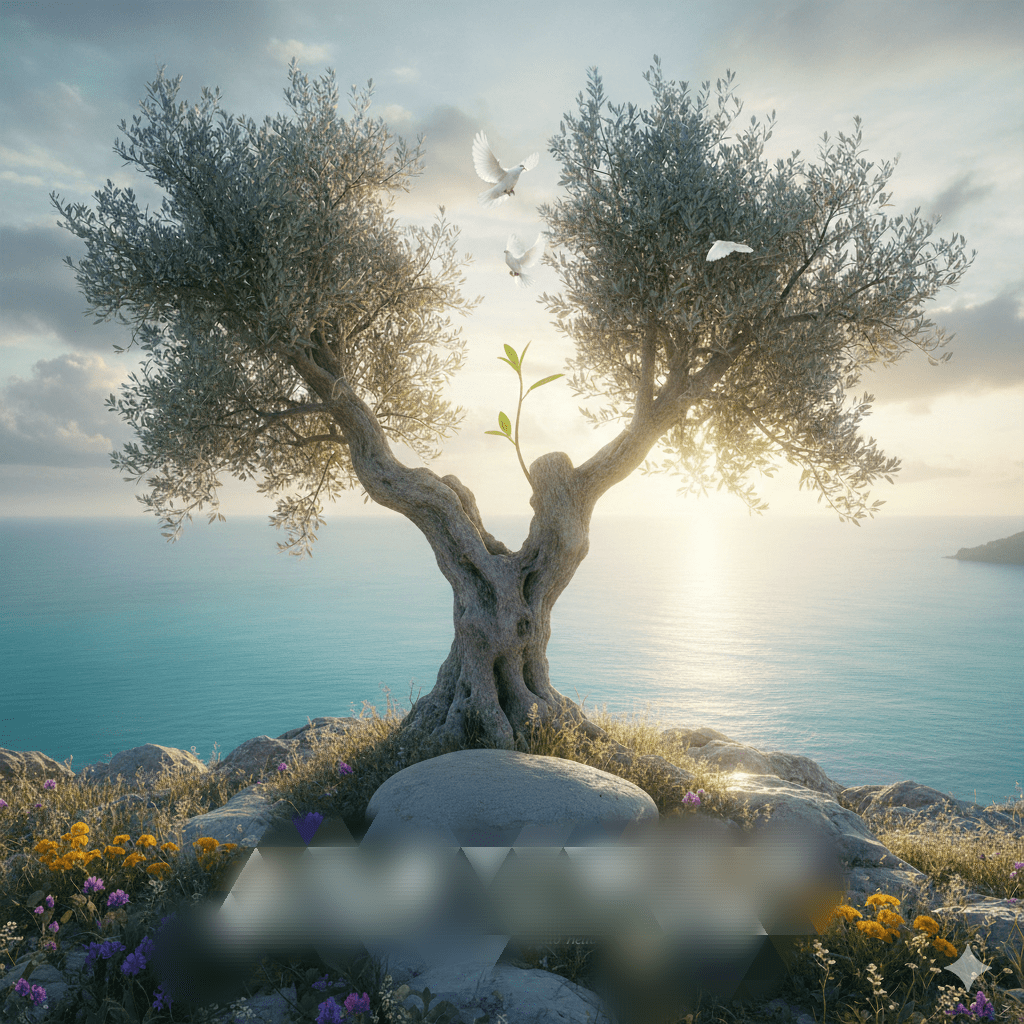
جميعنا نكتبها… تنثني الحروف، توهم بالسنابل، فتخجل منها المناجل قبل أن تهوي، وتتردد أصداؤها بين جدران الصمت، كما تتردد خطوات الأشباح.
نهبط فوق الأسطحة حمائمَ سلام، فتستقبلها الأرواح طرودَ أوهام، أو أحلاما موءودة في أجنتها، وتنساب بين أيدينا رسائل منسية، كعطرٍ تاهت عنه النسائم .
نصفّق للصمود، فتغلّ يدنا لغة القيود، وتتصاعد أنين الصمت بين أصابعنا، كأنما الأرض نفسها تُهشّم تحت وطأة انتظارنا.
نُهلّل للمدد المقاوم، فيرقص الصدى رقصةَ الموت أمام أسوارٍ متقدة، وجنازير تُسنّ أنيابها، وتخترق صمت الليل، فتتوجّه إليه أنفاسنا المشدودة.
وحين تمر الريح، تتفتت الأقنعة، تذرنا هباءً، ونحمل في ثنايانا آثار الغياب، وجراح من لم يولدوا بعد، كأن كلّ حلم غير مكتمل أصبح نَخلةً تتساقط علينا رطبا جنيا لتتناسل الجذور
وحده الشعب المخلص، يصفع وجوم الحجر، ينحت فيه أيقونة الوجود، ويتلقى من السماء رسائل القدر؛ تهمس له النجوم أسماء الأحياء والأموات، ويستمع إلى صدى ما لم يُقل بعد، ويحتفظ بظلّ كلّ روح مقاومة، حتى لو طُويت كتب الزمان.
Tutti noi le scriviamo… le lettere si piegano, illudono come spighe, e le falci se ne vergognano prima di calare, i loro echi esitano tra i muri del silenzio, come i passi dei fantasmi.
Scendiamo sui tetti come colombe di pace, le anime le accolgono come pacchi d’illusioni o sogni soffocati nei loro stessi grembi, e tra le nostre mani scorrono messaggi dimenticati, come un profumo smarrito dai venti.
Applaudiamo alla resistenza, ma la lingua delle catene ci avvince le mani, e il gemito del silenzio sale tra le nostre dita, come se la terra stessa si frantumasse sotto il peso della nostra attesa.
Esultiamo per il soccorso combattente, e l’eco danza la danza della morte davanti a mura incandescenti, catene che affilano i loro denti e trafiggono il silenzio della notte, verso cui si dirigono i nostri respiri tesi.
E quando passa il vento, le maschere si sgretolano, ci disperde come polvere, portiamo in noi le tracce dell’assenza e le ferite di chi non è ancora nato, come se ogni sogno incompiuto fosse diventato una palma che lascia cadere su di noi datteri maturi per moltiplicare le radici.
Solo il popolo fedele schiaffeggia l’immobilità della pietra, vi scolpisce l’icona dell’esistenza, e riceve dal cielo i messaggi del destino; le stelle gli sussurrano i nomi dei vivi e dei morti, ascolta l’eco di ciò che non è stato ancora detto, e custodisce l’ombra di ogni anima resistente, anche se i libri del tempo venissero chiusi.
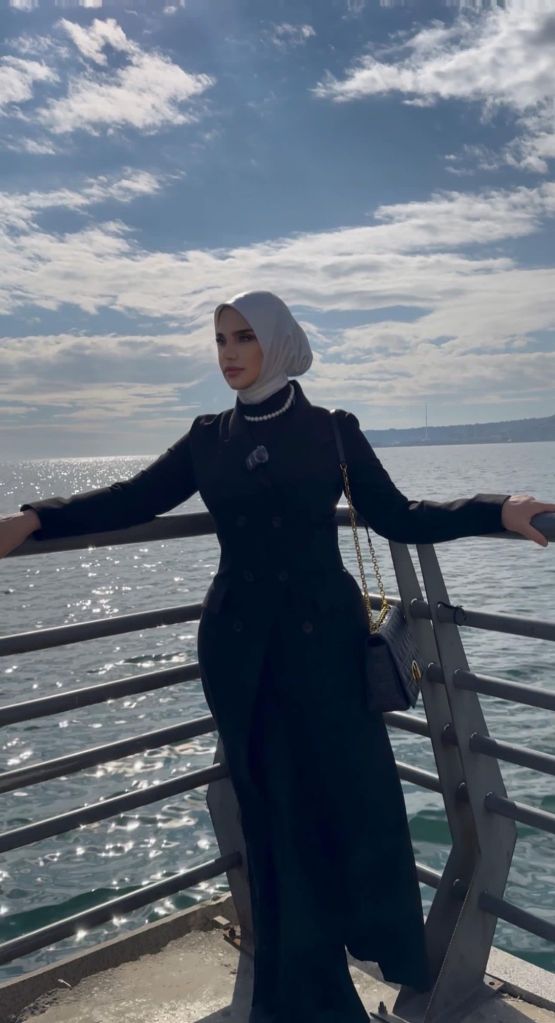
Foto cortesia di Taghrid BouMerhi
Organizzazione e preparazione dell’ articolo pubblicato da Elisa Mascia -Italia, poetessa e scrittrice
La tua anima assetata di spiritualità trova ristoro nell’ ardore del rinnovato sentimento mai spento, nascosto tra le pieghe leggere della mia anima. È un grande privilegio dar sollievo alla tua anima dal greve peso di responsabilità nel dar coraggio e sostegno a tutti ed io unicamente a te sorreggo il tuo braccio destro elevati insieme al cielo ora.
Tu la mia speranza che torna a te con la dolcezza della forza già impronta nel tuo cuore. L’abbraccio del fluire dolce e melodioso delle acque di un fiume nato dai rivoli di una montagna innevata che ha perso la memoria del suo gelo.
Scorre per perdersi nel mare della tranquillità dove insieme s’incontrano anime affini per seminare petali di speranza nelle oasi di un deserto stampato sulla pelle ancor prima dell’esistenza dell’io dono di speranza.
Poesia creata dall’ingegno mentale ed emozionale di:
Tolibjon proveniva da un villaggio vicino. Dopo la morte del pastore di Halimboy, Tolibjon fu assunto per lavorare. Erano già passati due mesi e mezzo. Il ragazzo chiese più volte il permesso di tornare a casa. L’uomo ricco rifiutò. Se fosse scappato, dove sarebbe andato? E di chi avrebbe ritrovato l’opera? Quando arrivò suo padre, rinunciò a tutto. Se non lavorasse, sua sorella, sua madre e lui stesso morirebbero di fame… Chi darebbe loro il pane? Nessuno! In che tipo di tempi vivevano adesso? Poi, davanti ai suoi occhi apparvero gli occhi supplichevoli di sua sorella con i suoi capelli bianchi come il cotone.
“Oggi andrò. Devo andare. Scapperò. Il pane che ho conservato basterà a mia sorella per un po’. Sarà molto felice di vedermi.”
Anche se è severa, mangerà a sazietà. Poi potrà alzarsi e camminare liberamente. Mia madre non la porterà in giro.”
Ci ha pensato. Le nubi oscure e incomprensibili di risentimento nel suo cuore sembravano dissolversi e il loro posto era preso dai colori chiari dell’inizio della primavera. Tutto il suo essere era pieno di un senso di felicità… Si alzò per respingere il gregge che pascolava oltre le creste della montagna. Il gregge rosicchiava l’erba tenera che il pittore autunnale non riusciva a salvare dalle pietre, correndo di pietra in pietra.
Il calore del sole diminuì e si spostò dietro la montagna. Dipingeva l’orizzonte di rosso e per lungo tempo manteneva bianche le nuvole attorno ad esso. Poi la nebbia coprì il seno della montagna. In quel momento Tolibjon raggiunse il villaggio, ma che si trattasse di stanchezza o di freddo, i suoi occhi continuavano a chiudersi. Voleva arrivare velocemente al suo cortile, rinchiudere il gregge e dormire. All’ingresso del villaggio, un grande ruscello scorreva rumorosamente sulle innumerevoli pendici della montagna. Quando il gregge arrivò qui, cominciò a bere acqua. Tolibjon, vedendo avvicinarsi l’oscurità, cominciò a guidare le pecore colpendole. Proprio in quel momento, una grassa pecora nera entrò nell’acqua vorticosa e scomparve dalla vista. Il desiderio del ragazzo di riposare si trasformò immediatamente in paura. Si tuffò in acqua. L’acqua ghiacciata sembrava tagliargli il corpo. Il suo corpo tremava. Cercò sott’acqua con le mani ma non catturò nulla. La corrente lo portò leggermente a valle. Nella penombra, solo la superficie dell’acqua rifletteva la luce della luna e lo stormo continuava con noncuranza lungo il suo cammino. Alla fine riuscì a uscire dalla riva del fiume. Niente pecore! All’improvviso… nell’oscurità, non riusciva a vederlo, ma una pecora era in piedi a poca distanza, scuoteva il corpo bagnato e tossiva di tanto in tanto. Ora, la sensazione di paura che stringeva forte tutte le vene del suo cuore fu sostituita dalla solitudine, dal desiderio e da un senso di umiliazione. Il tremore che partiva dai suoi piedi arrivava fino alle sue spalle, come se il freddo provenisse dall’interno, non dall’esterno. Il ragazzo cominciò a piangere. Il fruscio autunnale. Gli occhi del ragazzo caddero sulla luna piena ardente sopra i grandi e sottili pioppi sulla riva del fiume e sulle stelle affini che adornavano il cielo azzurro — e si rese conto che era calata quella notte. Non avendo più forze, si mise in viaggio. Sapeva che prima ancora di poter entrare dal cancello, la moglie del ricco avrebbe iniziato a rimproverarlo. Poi si lamentava del fatto che suo marito tornava a casa tardi. Sapeva che non poteva tornare a casa in queste condizioni oggi perché lupi e sciacalli vagano di notte, soprattutto attraversare la montagna era pericoloso. Sapeva anche che oggi non poteva rendere felice sua sorella, e sua sorella sarebbe rimasta affamata e stanca, addormentandosi aspettando sulla strada. Al mattino, invece di camminare da solo, usciva di nascosto con l’aiuto della madre. Chiedeva a sua madre quando sarebbero venuti suo padre e suo fratello maggiore.
Sua madre, con gli occhi stanchi pieni di lacrime, abbracciò forte sua figlia, l’unica ragazza del villaggio, che era bloccata sul sentiero solitario. Poi parlò di quanto presto sarebbero arrivati suo padre e Tolibjon, di come avrebbero portato molte pagnotte di pane a Karomatkhon, ne avrebbero mangiato a sazietà e di come sua figlia sarebbe migliorata.
Sua sorella ascoltava in silenzio, il suo corpo fungeva da orecchie. Quando poteva camminare, scalava le montagne, si fermava sulla vetta più alta e si guardava intorno. Disse che avrebbe guardato l’alba e augurato felicità alla loro famiglia; sperava che suo padre e suo fratello non andassero più da nessuna parte, restassero sempre insieme, vivessero felici e avessero pane grande, bianco e abbondante come il sole…
…E le parole di Tolibjon si avverarono. Sebbene Karimbobo avesse già rinchiuso il gregge, quando vide le pecore che erano scivolate dentro, la moglie del ricco lo rimproverò duramente:
“Dove hai vagato? Che incantesimo hai lanciato su questo? Ehi, sei sordo? Hai perso la testa, facendo un tale pasticcio!”
Fame, stanchezza e freddo si mescolarono, rendendo il ragazzo infelice. Udì le maledizioni ma non ebbe la forza di capire. Voleva gettarsi a terra e sdraiarsi.
Il vecchio vide le condizioni del ragazzo e si sentì silenziosamente distrutto dentro: l’acqua gocciolava dai vestiti bagnati attaccati al corpo del ragazzo, i suoi denti chiacchieravano involontariamente e il suo corpo tremava. Karimbobo rinchiuse la pecora, poi prese il ragazzo e lo portò in casa.
Posò il ragazzo, gli diede da bere caldo portato dalla vecchia, lo avvolse e si sedette accanto a lui. In quel momento, il vecchio provò pietà per il ragazzo e dolore per la sua vita dura e senza gioia…
Il ragazzo sapeva che l’alba stava spuntando dalla luce bianca che filtrava dalla fessura della porta. Cercò di alzarsi, ma gli faceva male la testa come un tuono, come se qualcuno lo stesse premendo. Cercò di spingersi verso l’alto con le mani. No, le sue gambe deboli pulsavano dolorosamente. La sua vista si oscurò e il suo cuore cominciò a soffrire. Tossì seccamente e ripetutamente. Gli faceva così male la testa che sembrava che qualcuno stesse pugnalando e torcendo un coltello all’interno…
Non poteva sopportarlo.
“Mamma! Mia cara madre!”
Aveva sete di acqua fredda, impaziente e disperato. Raggiunse il bacino e crollò.
Il ragazzo si svegliò bruscamente dal forte colpo. Aprì gli occhi e vide il suo padrone torcersi i baffi e fissarlo. Hai anche imparato a farlo lavorare – eh! Temendo l’ira del ricco, quando cercò di alzarsi, riuscì ad alzarsi ma svenne non appena raggiunse la porta…
Si svegliò verso mezzanotte, ancora bruciando come un carbone. Ricordava vagamente Karim Bobo seduto lì vicino e poi la moglie del ricco che entrava e diceva: “Alzati, lascialo stare, non verrà alcun male. Un orfano ha settanta vite. Prenditi cura delle pecore, innaffia i cavalli, si è raffreddato, spacca la legna da ardere e prepara le selle…”
Alla fine vide il volto addolorato di sua madre. Era come se dicesse: “Figlio mio, hai sofferto così tanto. Quando voglio andare, non sto bene. Oltretutto, con tua sorella lasciata indietro, dove potrei andare? Mi manchi terribilmente. Cosa posso fare, Tolibjon? Se solo ci fosse un modo e non ti allontanassi molto dal mio cuore. Vieni, bambina mia, vieni! Karomat sente la tua mancanza e piange ogni giorno. Vieni…”
“Vengo adesso, mamma, proprio adesso…” Sollevò dolorosamente il suo corpo debole e cominciò a cercare il fagotto di pane che aveva preparato per sua sorella. Strisciò a lungo nella casa buia. Poi si ricordò che era tra i cuscini. Prese il pane e con le mani si tastò la cintura. Tenendo stretto il fagotto, decise: anche se avesse dovuto strisciare, sarebbe tornato a casa! Non sarebbe rimasto qui un minuto, nemmeno un respiro. Strisciò verso la porta, si sedette e pensò: “Ora mi alzerò. Le mie gambe mi porteranno sicuramente. Devo camminare! Dopotutto, torno a casa! Ecco mia madre, mia sorella… Le porto il pane, il pane…”
All’improvviso gli girò la testa. Iniziò a tossire senza sosta. La sua testa pulsava dolorosamente. Il dolore al cuore si diffuse in tutto il corpo e lui si sdraiò debolmente…
In casa si udiva lo squittio dei topi. Correvano qua e là, alla disperata ricerca del pane nel fagotto. Tolibjon allontanò involontariamente il fagotto da un topo lì vicino e se lo strinse al petto…
Passò del tempo. La pallida luce dell’alba entrò attraverso la fessura della porta, convincendo delicatamente il ragazzo a svegliarsi. Gli accarezzava il viso e gli occhi. Fuori si cominciava a udire il belato delle pecore e degli agnelli. Ma il ragazzo… due topi si sedettero su di lui, rosicchiando le briciole di pane del fagotto.
Articolo di Lobar Rustamova (Uzbekistan) Membro dell’Unione Scrittori’ dell’Uzbekistan
BREAD THAT WAS NOT MEANT TO BE
(A Story from the Past)
Tolibjon was from a neighboring village. After Halimboy’s shepherd passed away, Tolibjon was hired to work. Two and a half months had already passed. The boy asked several times for permission to go home. The rich man refused. If he ran away, where would he go? And whose work would he find again? When his father came, he gave up everything. If he didn’t work, his sister, mother, and himself would starve… Who would give them bread? No one! What kind of times were they living in now? Then, in front of his eyes appeared the pleading eyes of his sister with her cotton-white hair.
“Today I will go. I must go. I will run away. The bread I saved will be enough for my sister for a while. She will be very happy to see me.”
Even if she is strict, she will eat her fill. Then she can stand up and walk around freely. My mother won’t be leading her around.”
He thought this over. The dark, incomprehensible clouds of resentment in his heart seemed to dissolve, and their place was taken by the clear colors of early spring. His whole being was filled with a sense of happiness… He got up to turn back the flock grazing beyond the mountain’s ridges. The flock was nibbling on the tender grass that the painter of autumn couldn’t save from the stones, running from stone to stone.
The sun’s warmth decreased and moved behind the mountain. It painted the horizon red and long kept the clouds around it white. Then fog covered the mountain’s bosom. At that moment, Tolibjon reached the village, but whether it was exhaustion or the cold, his eyes kept closing. He wanted to get to his yard quickly, to pen the flock, and to sleep. At the village entrance, a large stream flowed noisily at the countless foothills of the mountain. When the flock reached here, it started drinking water. Tolibjon, seeing the darkness approaching, began driving the sheep by hitting them. Just then, a fat black sheep stepped into the swirling water and disappeared from view. The boy’s desire to rest instantly turned to fear. He plunged into the water. The icy water felt as if it was cutting through his body. His body trembled. He searched underwater with his hands but caught nothing. The current carried him slightly downstream. In the dim light, only the surface of the water reflected the moonlight, and the flock continued carelessly along its path. Finally, he got out of the stream’s edge. No sheep! Suddenly… in the darkness, he couldn’t see it, but a sheep was standing a little distance away, shaking its wet body and coughing occasionally. Now, the feeling of fear that tightly gripped all the veins in his heart was replaced by loneliness, longing, and a sense of humiliation. The trembling that started from his feet reached his shoulders, as if the cold came from inside, not outside. The boy began to cry. The autumn rustle. The boy’s eyes fell on the burning full moon above the large and slender poplars on the riverbank, and the kindred stars adorning the blue sky — and he realized that night had fallen. With no strength left, he set out on the road. He knew that before he could even enter the gate, the rich man’s wife would start scolding him. Then she would complain about her husband coming home late. He knew he couldn’t go home in this condition today because wolves and jackals roam at night, especially crossing the mountain was dangerous. He also knew that today he couldn’t make his sister happy, and his sister would stay hungry and tired, falling asleep waiting on the road. In the morning, instead of walking on his own, he would sneak out with the help of his mother. He would ask his mother when his father and older brother would come.
His mother, with tear-filled tired eyes, hugged her daughter tightly, the only girl in the village, who was stuck on the lonely path. Then she spoke about how soon his father and Tolibjon would arrive, how they would bring many loaves of bread to Karomatkhon, eat their fill, and how his daughter would get better.
His sister silently listened, her body acting as ears. When she could walk, she would climb the mountains, stand at the highest peak, and look around. She said she would watch the sunrise and wish happiness for their family; she hoped that her father and brother would no longer go anywhere, always stay together, live happily, and have bread as big, white, and abundant as the sun…
…And Tolibjon’s words came true. Though Karimbobo had already penned the flock, when he saw the sheep that had slipped in, the rich man’s wife scolded him harshly:
“Where have you been wandering? What spell did you cast on this one? Hey, are you deaf? You lost your mind, making such a mess!”
Hunger, exhaustion, and cold mixed together, making the boy miserable. He heard the curses but lacked the strength to understand. He wanted to throw himself to the ground and lie down.
The old man saw the boy’s condition and felt quietly broken inside: water was dripping from the soaked clothes stuck to the boy’s body, his teeth involuntarily chattered, and his body trembled. Karimbobo penned the sheep, then picked up the boy and took him into the house.
He laid the boy down, gave him warm drinks brought by the old woman, wrapped him up, and sat beside him. At that moment, the old man felt pity for the boy and sorrow for his own hard, joyless life…
The boy knew dawn was breaking from the white light coming through the door gap. He tried to get up, but his head hurt like thunder, as if someone was pressing down on him. He tried to push himself up with his hands. No, his weak legs throbbed painfully. His vision darkened, and his heart started to ache. He coughed dryly and repeatedly. His head hurt so badly, it felt like someone was stabbing and twisting a knife inside…
He couldn’t bear it.
“Mother! My dear mother!”
He thirsted for cold water, eager and desperate. He reached the basin and collapsed.
The boy woke up sharply from the heavy blow. He opened his eyes and saw his master twisting his mustache and glaring at him. You’ve also learned how to make him work – huh! Afraid of the rich man’s wrath, when he tried to stand up, he managed to get up but fainted as soon as he reached the door…
He woke up around midnight, still burning like a coal. He faintly remembered Karim Bobo sitting nearby and then the rich man’s wife coming in and saying: “Get up, leave him be, no harm will come. An orphan has seventy lives. Look after the sheep, water the horses, it’s gotten cold, split the firewood and prepare the saddles…”
At last, he saw his mother’s sorrowful face. It was as if she was saying: “My son, you’ve suffered so much. When I want to go, I’m unwell. On top of that, with your sister left behind, where could I even go? I miss you terribly. What can I do, Tolibjon? If only there was a way and you wouldn’t stray far from my heart. Come, my child, come! Karomat misses you and cries every day. Come…”
“I’m coming now, mother, right now…” He painfully lifted his weak body and began searching for the bundle of bread he had prepared for his sister. He crawled around in the dark house for a long time. Then he remembered it was between the pillows. He took the bread, and with his hands, felt for his belt. Holding the bundle tightly, he decided: even if he had to crawl, he would go home! He wouldn’t stay here for a minute, not even a breath. He crawled toward the door, sat down, and thought, “Now I will stand up. My legs will surely carry me. I must walk! After all, I’m going home! There’s my mother, my sister… I’m taking bread to her, bread…”
Suddenly, his head spun. He began coughing nonstop. His head throbbed painfully. The pain in his heart spread through his body, and he lay down weakly…
The squeaking of mice was heard in the house. They ran here and there, desperate for the bread in the bundle. Tolibjon involuntarily pulled the bundle away from a nearby mouse and hugged it to his chest…
Some time passed. The pale light of dawn entered through the door crack, gently coaxing the boy awake. It caressed his face and eyes. Outside, the bleating of sheep and lambs began to be heard. But the boy… two mice sat on him, gnawing on the bread crumbs from the bundle.
Story by Lobar Rustamova (Uzbekistan) Member of the Writers’ Union of Uzbekistan
Articolo preparato per la pubblicazione da Elisa Mascia – Italia
In un angolo della vecchia casa di Yasin, c’era una piccola porta nascosta dietro una spessa cortina di polvere. La porta sembrava normale, tranne per la strana iscrizione: “Questa porta si aprirà solo per chi possiede un cuore sincero”. Yasin, il bambino intelligente e curioso, si sentiva euforico e cercò di spingere la porta, ma questa non si mosse. “Che strana porta!” esclamò Yasin, ridendo tra sé e sé. Provò con la vecchia chiave e poi con quella nuova, ma la porta rimase rigida. Improvvisamente, un uomo basso gli apparve davanti, con un mantello verde e una piccola barba bianca. Disse con voce amichevole: “Benvenuto, Yasin! Sono il guardiano della porta. Questa porta si apre solo per chi dice la verità completa, non importa quanto piccola o difficile possa essere”. Yasin si sentì un po’ spaventato, ma era molto emozionato: “La verità? Conosco molte piccole bugie”, disse con un sorriso malizioso. Il guardiano sorrise e disse: “Le bugie non funzionano. Ogni bugia ti avvicinerà alla porta, ma questa diventerà più piccola e stretta, e non riuscirai a passare.” Yasin iniziò con un piccolo tentativo e disse alla porta: “Mi piace mangiare dolci prima di cena.” La porta si mosse un po’, ma non si aprì. Poi disse: “A volte mento alla mia sorellina per prenderle il giocattolo.” Improvvisamente, la porta si rimpicciolì e Yasin sentì che non sarebbe mai riuscito a entrare. Yasin sospirò e, tra sé, disse: “Forse la soluzione è essere veramente onesto.” Yasin iniziò a raccontare alla porta tutto ciò che aveva nascosto: le raccontò di ogni piccola bugia, di ogni volta che aveva ingannato i suoi amici e della sua paura di dire la verità. A ogni parola sincera, la porta cominciò a crescere a poco a poco, fino a diventare abbastanza grande da permettere a Yasin di attraversarla. Quando entrò, trovò un mondo pieno di colori vivaci, fiori luminosi e farfalle che danzavano nell’aria. Il guardiano disse con un sorriso: “Ci sei riuscito, Yasin. Il mondo dietro la porta garantisce a chiunque possieda un cuore sincero la capacità di affrontare qualsiasi sfida con coraggio.” Yasin sorrise e disse: “Non avrei mai immaginato che dire la verità sarebbe stato così divertente!”
Da quel giorno in poi, Yasin imparò che l’onestà non è solo un dovere, ma anche la chiave per un mondo più ampio, pieno di magia e fiducia, e che le piccole bugie possono chiudere molte porte, mentre la verità le apre senza limiti.
Azhār Al-Ansari / Iraq
(Yasin and the Magical Door) Azhār Al-Ansari / Iraq In a corner of Yasin’s old house, there was a small door hidden behind a thick curtain of dust. The door looked ordinary, except that it carried a strange inscription: “This door will open only for one who possesses a truthful heart.” Yasin, the smart and curious child, felt excited and tried to push the door, but it did not move. “What a strange door!” Yasin said, laughing to himself. He tried the old key and then the new key, but the door remained rigid. Suddenly, a short man appeared before him, wearing a green cloak and having a small white beard. He said in a friendly voice: “Welcome, Yasin! I am the guardian of the door. This door opens only for one who tells the complete truth, no matter how small or difficult it may be.” Yasin felt a little afraid, but he was very excited: “The truth? I know many small lies,” he said with a mischievous smile. The guardian smiled and said: “Lies will not work. Every lie will bring you closer to the door, but it will become smaller and narrower, and you will not be able to pass through.” Yasin began with a small attempt and said to the door: “I like to eat sweets before dinner.” The door moved a little, but it did not open. Then he said: “Sometimes I lie to my little sister to take her toy.” Suddenly, the door shrank to a smaller size, and Yasin felt that he would never be able to enter. Yasin sighed and said to himself: “Maybe the solution is to be truly honest.” Yasin began telling the door everything he had hidden: he told it about every small lie, about every time he deceived his friends, and about his fear of telling the truth. With every truthful word, the door began to grow little by little until it became large enough for Yasin to pass through. When he entered, he found a world full of bright colors, glowing flowers, and butterflies dancing in the air. The guardian said with a smile: “You have succeeded, Yasin. The world behind the door grants anyone who possesses a truthful heart the ability to face any challenge with courage.” Yasin smiled and said: “I never imagined that telling the truth would be this fun!” From that day on, Yasin learned that honesty is not only a duty, but also the key to a wider world full of magic and trust, and that small lies may close many doors, while the truth opens them without limits.
Vengo dal sud, dove gli alberi sono secchi e i fiumi sono senz’acqua. Il nostro cielo è scuro e il nostro sole è nebbioso. Vengo da quel sud dove tutto è incolore. I campi hanno figlie, ma le strade sono sempre cieche. Queste figlie sorridono sempre con occhi pieni di lacrime nascoste. I loro cuori sono tristi e i loro sogni hanno le ali spezzate. Le nostre figlie del sud sono miracoli e le loro trecce donano al mare il suo azzurro lucido. Anwer Ghani
Southern Daughters
I am from the south where the trees are dry and the rivers are waterless. Our sky is dark and our sun is fogy. I am from that south where everything is colorless. The fields have daughters but the streets are always blind. These daughters are always smiling with eyes fraught with hidden tears. Their hearts are sad and their dreams have broken wings. Our southern daughters are miracles and their braids give the sea its lucid blueness. Anwer Ghani
Anwer Ghani è un poeta iracheno pluripremiato e candidato al premio Pushcart. Nato nel 1973 a Babilonia, è uno studioso di religione, medico consulente e autore di oltre quattrocento libri. Anwer è autore di “A Farmers Chant” (Inner Child Press, 2019) e di “Warm Moments” (Just Fiction, 2020). Anwer Ghani è uno scrittore di prosa poetica e si basa su un narrato-lirismo espressionista. I suoi libri sono disponibili su Amazon a nome di Anwer Ghani.
Anwer Ghani is an award-winning Iraqi poet and Pushcart nominee. He was born in 1973 in Babylon and he is a religious scholar, consultant physician and author of more than four hundred books. Anwer is the author of “A Farmers Chant”; Inner Child Press 2019, and “Warm Moments”, Just Fiction, 2020. Anwer Ghani is a prose poetry writer and depend the expressionistic narratolyricism. His books on amazon under name (Anwer Ghani).
Un girasole, ecco com’è, ecco com’è. Mercedes, si erge verso il sole con grazia, virtù e gioia, il suo stelo sottile, come la sua figura, danza nel vento con dolcezza.
Vedo un girasole nelle tue guance, anche nei giorni tristi e piovosi. Illumini i luoghi di ogni giorno con il tuo sorriso, e conservo quell’immagine della tua bellezza nella mia memoria.
I suoi petali, come il suo sguardo limpido, aperti al mondo, radiosi e audaci. Il suo centro oscuro, come i suoi occhi profondi, custodisce segreti, misteri e sogni. Illumini le mie pupille con la tua bellezza.
Sei un girasole, e in ogni petalo dorato dei tuoi abbracci custodisco il calore della tua tenerezza.
Mercedes, un nome che evoca eleganza, come il girasole, che splende costantemente, la sua bellezza è un dono, il suo sorriso un tesoro prezioso, un raggio di sole che illumina l’alba.
Poeta, scrittore, avvocato e notaio della Repubblica del Nicaragua. Le sue poesie sono state pubblicate in diverse riviste e antologie nelle Americhe e in Europa. Ha conseguito una laurea honoris causa in letteratura dalla Federazione Internazionale di Scrittori, Poeti e Artisti per la Pace nel Mondo (FIDEPA). È autore del libro “Poesie e Calligrammi”, registrato a Barcellona dalla Camera Internazionale degli Scrittori e Artisti di Spagna (CIESART). È membro di Poets of the World. È membro ufficiale della Camera Internazionale degli Scrittori e Artisti di Spagna e d’Europa (CIESART) e membro attivo dell’Unione Mondiale dei Poeti e Scrittori, del Messico e del Mondo. La rivista di poesia AZAHAR, pubblicata in Spagna, ha dedicato un numero speciale alla sua poesia nell’edizione speciale numero 113, settembre 2023, con un profilo biografico come prologo della scrittrice messicana María Gloria Corrón Zapata.
Il cocchiere vide il buco da lontano con i suoi occhi penetranti. Cercò di tirare le redini del suo cavallo selvaggio per evitare di cadere, ma il cavallo stava accelerando e la carrozza ondeggiava a destra e a sinistra. Non poteva fermarlo o controllarlo. Cadde, e il suo cavallo e la carrozza vi caddero tutti. Uscì dalla fossa nel terreno di fronte al buco e si ritrovò in un altro mondo, diverso da quello che aveva vissuto. Scosse la polvere del tempo dalle spalle per l’orrore dello shock che vide. Edifici, automobili, elettricità e persone i cui vestiti non erano come i suoi. Dov’erano la sua fattoria e il fiume? Dov’erano le sue mucche e pecore? Dov’erano sua moglie e i suoi figli? Dov’è il buco in cui sono caduti? Le domande gli accesero le circonvoluzioni della testa, così cadde privo di sensi, le mani dei passanti lo catturarono e lo misero in una grande macchina a causa delle dimensioni del suo corpo, che variava tra due metri e mezzo, al vicino ospedale della città. La notizia si diffuse nel sobborgo e nella sua periferia. I giornalisti sono stati i primi ad entrare in ospedale. La gente aspettava notizie. La polizia era in piedi davanti alla porta della sua sala in attesa che il medico curante desse loro il permesso di interrogarlo. L’ansia travolse tutti. Una carrozza, un cavallo e un cocchiere di queste dimensioni enormi e noi siamo più piccoli di lui. Che cavallo oscuro magnifico e armonioso! Come può essere tra noi? Da dove viene???? Molte domande che necessitavano di risposte. Si svegliò dal coma. Il medico ha dichiarato di non essere stato interrogato a causa del forte dolore e di alcune ferite di cui soffriva. Il dottore era curioso di sapere molto su di lui. Dopo avergli fatto diverse domande, le sue risposte erano diverse da quelle che il medico voleva da lui, quindi pensò di aver perso la memoria. Il terapeuta era distratto. Come ha potuto quest’uomo cadere in una buca ed emergere da un’altra da terra? Questo è quello che gli ha detto il cocchiere. Il secondo giorno, la polizia e i giornalisti si sono recati in ospedale per scoprire i fatti da lui o dal medico, ma non lo hanno trovato nel suo letto. Cercarono di trovarlo, ma tutte le loro speranze furono deluse. Andarono alla carrozza e alla stalla, ma non trovarono nulla. Seguirono le sue tracce e lo trovarono ad altissima velocità con la sua carrozza e il suo cavallo nero. Il cocchiere stava cercando un buco nel terreno per tornare alla sua vita che aveva perso contro la sua volontà. I proiettili lo inseguivano e lui non sapeva cosa fosse quel sibilo urlante. Si avvicinarono a lui. Cercò di allontanarsi da loro nella foresta vicina a causa della natura aspra del terreno, ma non ci riuscì. La carrozza si ribaltò e lo circondarono da tutti i lati, gli misero le manette sulle mani e lo gettarono in prigione. Per lui le giornate erano più lente e tristi. Piangeva spesso per la moglie, i figli e la patria. Il buco da cui usciva era ciò a cui pensava spesso. Come può arrivarci? Per entrarvi e tornare dalla sua famiglia e da quei giorni meravigliosi che ha perso in un momento di tempo
The coachman Written by Yassin Khader Al-Qaisi The coachman saw the hole from afar with his piercing eyes. He tried to pull the reins of his wild horse to avoid falling, but the horse was speeding and the carriage was swaying to the right and to the left. He could not stop it or control it. He fell, and his horse and the carriage all fell into it. He got out of the hole in the ground opposite the hole, to find himself in another world, not like the world he had experienced. He shook the dust of time off his shoulders from the horror of the shock he saw. Buildings, cars, electricity, and people whose clothes were not like his. Where was his farm and the river? Where were his cows and sheep? Where were his wife and children? Where is the hole they fell into? Questions ignited the convolutions of his head, so he fell unconscious, the hands of passersby caught him and put him in a large car due to the size of his body, which ranged between two and a half meters, to the nearby hospital in the city. The news spread in the suburb and its outskirts. Journalists were the first to enter the hospital. People were waiting for news. The police were standing at the door of his hall waiting for the attending physician to give them permission to interrogate him. Anxiety overwhelmed everyone. A carriage, a horse and a coachman of this enormous size and we are smaller than him in size. What a magnificent and harmonious dark horse! How can he be among us? Where did he come from???? Many questions that needed answers. He woke up from his coma. The doctor indicated that he had not been questioned because of the great pain and some wounds he was suffering from. The doctor was curious to know a lot about him. After asking him several questions, his answers were different from what the doctor wanted from him, so he thought he had lost his memory. The therapist was absent-minded. How could this man fall into a hole and emerge from another one from the ground? This is what the coachman told him. On the second day, the police and journalists came to the hospital to find out the facts from him or the doctor, but they did not find him in his bed. They tried to search for him, but all their hopes were dashed. They went to the carriage and the horse stable, but they did not find anything. They followed his tracks and found him at a very high speed with his carriage and his black horse. The coachman was looking for a hole in the ground to return to his life that he lost against his will. The bullets were chasing him, and he did not know what this screaming hiss was. They got closer to him. He tried to get away from them in the nearby forest because of the ruggedness of its land, but he could not. The carriage flipped over and they surrounded him from all sides, put handcuffs on his hands, and threw him in prison. The days were slower and sadder for him. He often cried for his wife, children, and homeland. The hole he came out of was what he often thought about. How can he get there? To enter it and return to his family and those wonderful days that he lost in a moment of time
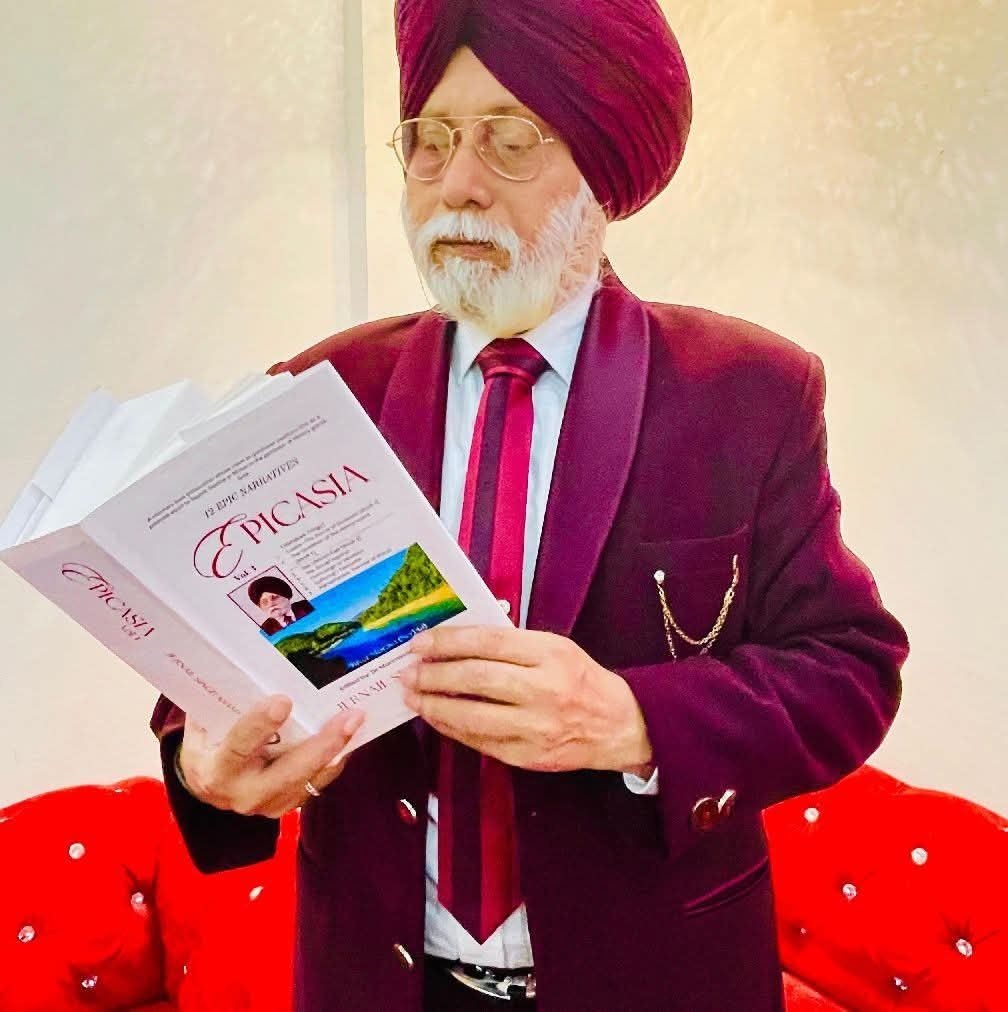
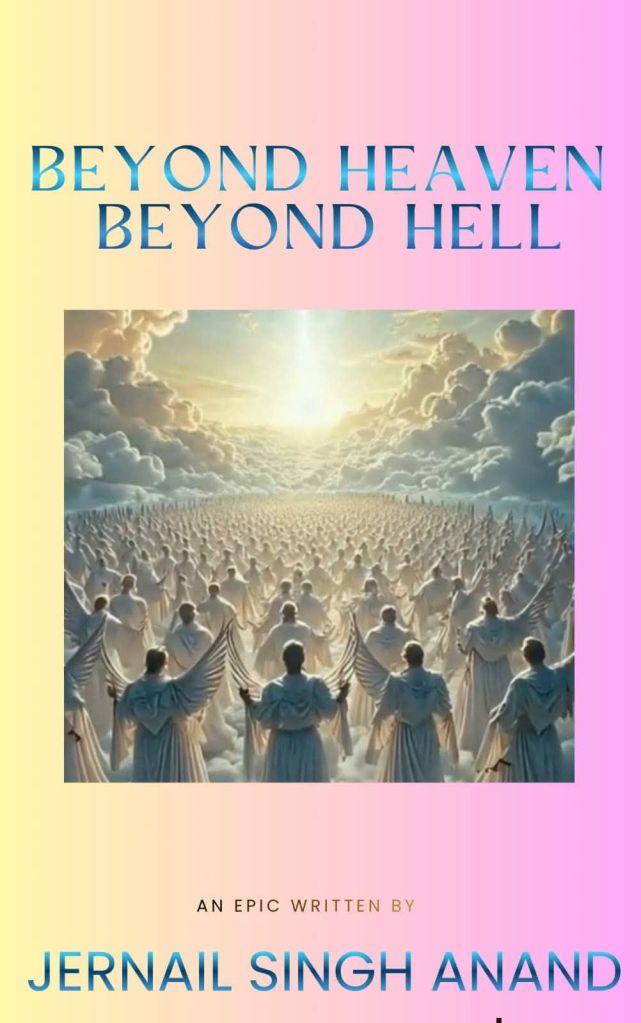
Lettura critica di Oltre il Paradiso, oltre l’Inferno Di Jernail Singh Anand
(Lettura critica di Mauro Montacchiesi) *
Oltre il Paradiso, Oltre l’Inferno non è solo un poema epico: oltre a questo, è un’inquisizione filosofica messa in scena come un dramma in versi, dove divinità e umanità sono costrette a rendere testimonianza, insieme a tecnologia e coscienza. Anand costruisce un’impertinente architettura metafisica in cui Paradiso e Inferno non sono più luoghi in cui andare, ma stati dell’essere, e la Terra è il confine ferocemente conteso tra di essi. Il poema epico propone una tesi estrema: la crisi morale dell’uomo moderno ha superato l’escatologia tradizionale, richiedendo altri strumenti etici – ad esempio, giudizio con l’intelligenza artificiale – per leggere il registro del lavoro manuale.
Al centro dell’opera c’è una brutale dicotomia: il bene viene punito, il male prospera e la giustizia divina appare lenta, opaca, persino corrotta. Tale tensione costituisce il motore drammatico del poema. Figure come Dio, Dharmaraja, Chitragupta, Narad, Craza (il re della tecnologia) e Robertica (la macchina senziente) non sono figure allegoriche ornamentali; sono catalizzatori dialettici attraverso i quali Anand esamina il potere, l’obbligo e i crimini contro la coscienza pulita. “ICU of AI” è il più sorprendente: un purgatorio agghiacciantemente moderno dove la coscienza viene scansionata, le intenzioni soppesate e la punizione ottimizzata. Qui, la velocità sostituisce la misericordia, l’efficienza prende il posto del mistero – e persino gli dei si innervosiscono. Così sia, in un certo senso: il progresso va in entrambe le direzioni.
L’epica è una forma artificiale che combina cadenze scritturali, dialoghi drammatici, cori e trattati filosofici. La prosa è deliberatamente schietta – a volte schietta fino alla schiettezza – rinunciando alla bellezza fiorita in nome della chiarezza morale. Ritornelli come “Il linguaggio è stato usato su una scala umana enorme per ingannare le masse” non sono metafore poetiche, ma assiomi morali. Il potere dell’epica risiede nella ripetizione, nell’accumulo, nell’incessante interrogarsi: perché le persone pregano ma non agiscono? Come mai i leader stanno bene e i buoni sono malati?
Come la paura trionfa quando la saggezza perde. Anand rifiuta queste facili comodità; insiste sulla responsabilità.
Ma la situazione cambia quando il poeta si ritrova al cospetto di Dio, ancora in vita.
La critica sociale dell’epopea è altrettanto spietata. Capi religiosi, potenti e il cosiddetto “Club dei Saggi” si rivelano vuoti detentori di autorità delegata. I santuari si trasformano in palcoscenici, i rituali diventano forma priva di significato e la saggezza maschera l’avidità.
Quando la catastrofe risveglia finalmente la paura dell’umanità, la poesia si impone con la sua più amara ironia: il terrore ristabilisce la fede laddove la coscienza aveva fallito. Ciò che l’insegnamento non è riuscito a realizzare, lo fa il tuono. Questo è il verdetto, tanto agghiacciante quanto indimenticabile.
In definitiva, Beyond Heaven Beyond Hell sostiene che non c’è nulla da cercare né in Paradiso né in Inferno: entrambi i luoghi sono già incarnati nel comportamento umano. L’epopea è un sismografo morale dei nostri tempi: tecnologicamente avanzati, eticamente poveri, teatralmente devoti, spiritualmente alla deriva. Anand scrive con urgenza profetica, non per intrattenere o compiacere, ma per mettere in guardia. Non si chiude questo libro confortati; lo si chiude implicati.
Critical Reading of Beyond Heaven Beyond Hell By Jernail Singh Anand
(Critical Reading by Mauro Montacchiesi) *
Beyond Heaven Beyond Hell is not JUST an epic poem: beyond that, it’s a philosophical inquisition staged as verse play, where divinity and humanity alike are compelled to give testimony, along with technology and conscience. Anand builds a cheeky metaphysical architecture where Heaven and Hell are no longer places you go, but states of being, and Earth is the fiercely contested reach between them. The epic posits an extreme thesis: Modern man’s moral crisis surpassed the traditional eschatology, requiring other ethical tools — judiciousness with AI, say — to read the ledger of handiwork.
At the heart of the work lies a brutal dichotomy: good is punished, evil prospers and divine justice seems slow, opaque, even corrupt. Such tension constitutes the dramatic engine of the poem. Figures such as God, Dharmaraja, Chitragupta, Narad, Craza (the techno-king), and Robertica (the sentient machine) are not ornamental allegorical figures; they are dialectical catalysts through which Anand examines power, obligation and crimes against clear conscience. “ICU of AI” is most striking: a chillingly modern purgatory where conscience is scanned, intention weighed and punishment optimized. Here, speed replaces mercy, efficiency takes the place of mystery — and even the gods get nervous. So be it, kind of: progress goes both ways.
The epic is an artificial form that combines scriptural cadences, dramatic dialogue, chorus and philosophical treatise. The prose is deliberately plain-spoken — sometimes plain-old spoken to the point of bluntness — forgoing florid beauty in service of moral clarity. Such refrains as “Language has been used on an enormous humanity scale to delude the masses” are not poetic metaphors but moral axioms. The power of the epic lies in repetition, accumulation, relentless questioning: Why do people pray yet not act? How is it that the leaders are well and the good are ill?
How fear triumphs when wisdom loses. Anand refuses such easy comforts; he insists on responsibility.
But a corner is turned when the poet finds himself brought before God, while still alive.
The epic’s social critique is just as unsparing. Religious heads, power brokers and the socalled “Club of the Wise” are revealed as empty holders of delegated authority. Shrines are turned into stages, rituals become form without meaning and wisdom the mask for greed.
When catastrophe at last rouses humanity’s fear, the poem compels its bitterest irony: terror restores faith where conscience had failed. What teaching failed to accomplish, thunder does. That is the verdict, as chilling as it is unforgettable.
Ultimately, Beyond Heaven Beyond Hell claims that there is nothing to look for in Heaven or Hell— both places are already instantiated in human behavior. The epic is a moral seismograph of our times: technologically advanced, ethically beggared — theatrically devout, spiritually adrift. Anand writes with prophetic urgency, not to entertain or please, but to warn. You do not close this book comforted; you close it implicated.
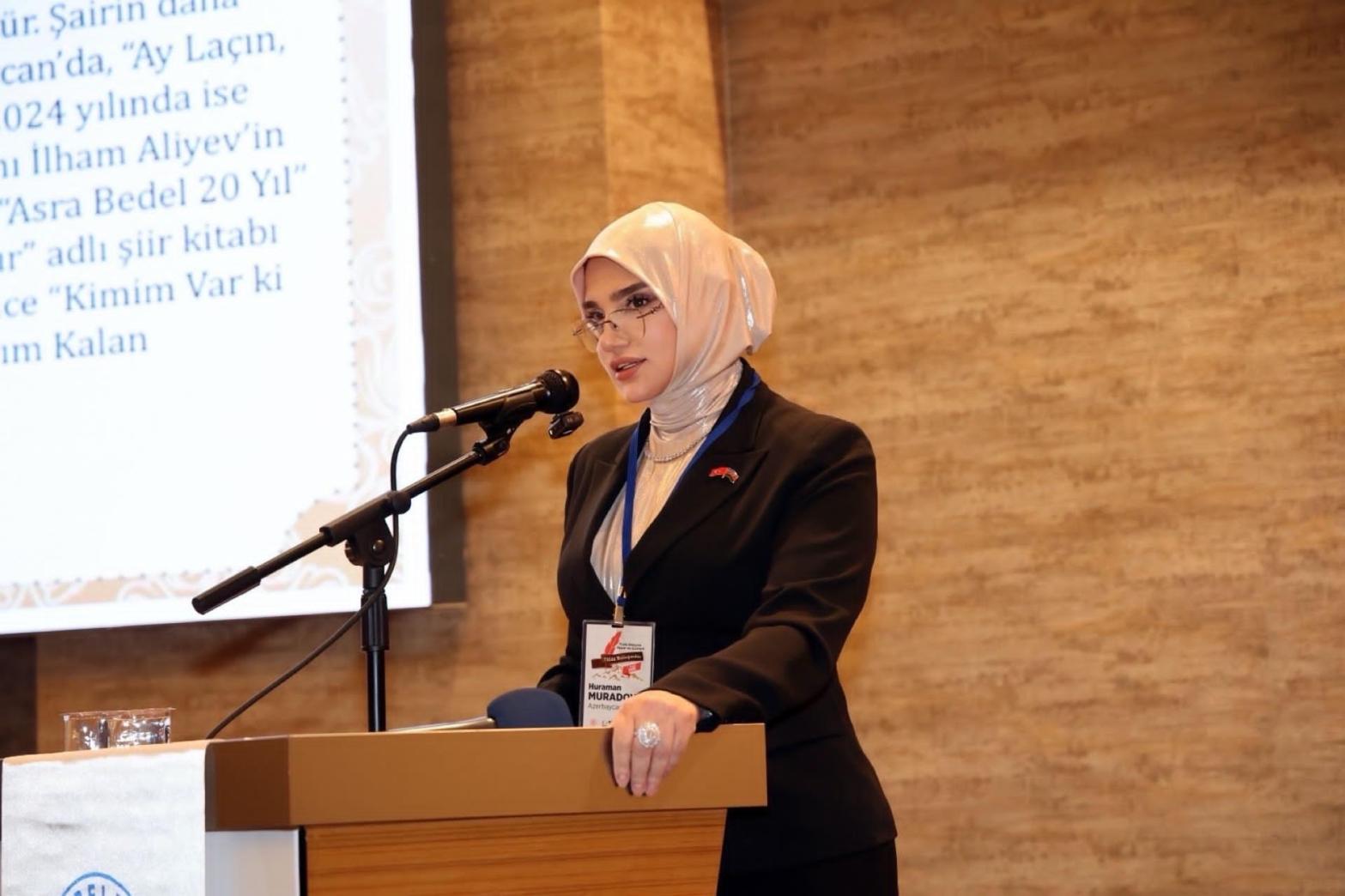
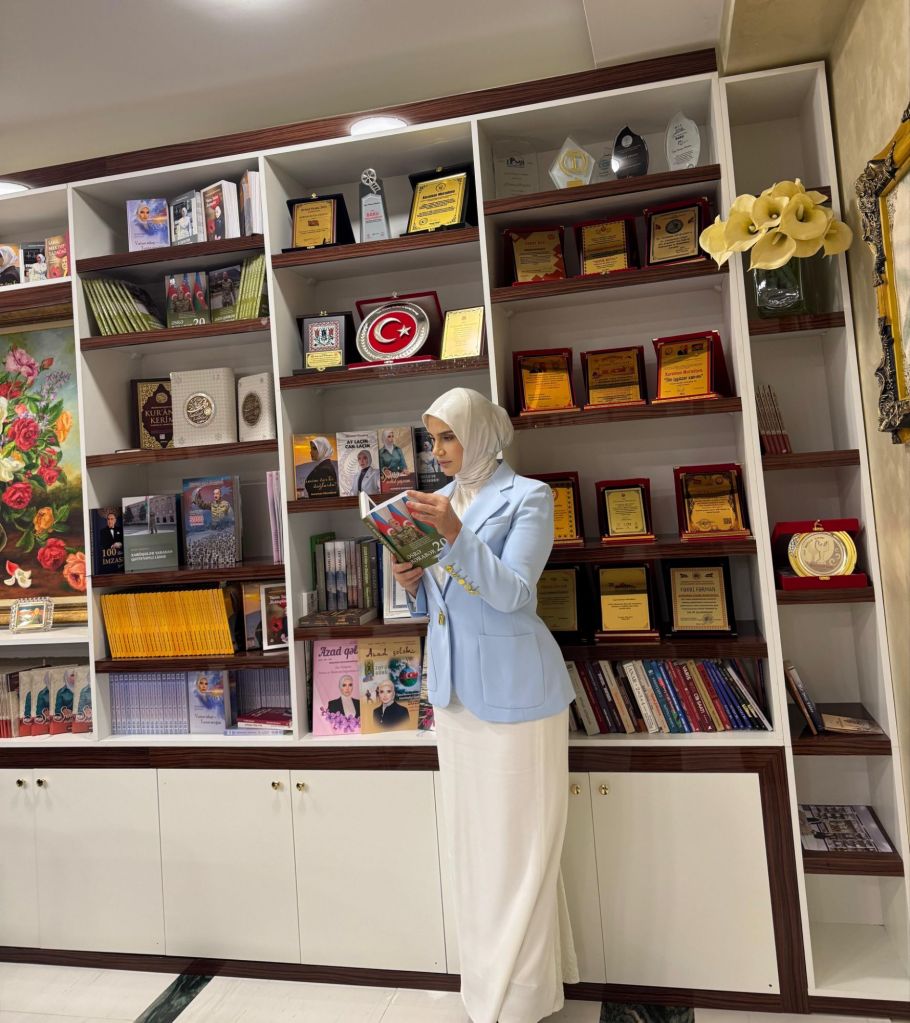
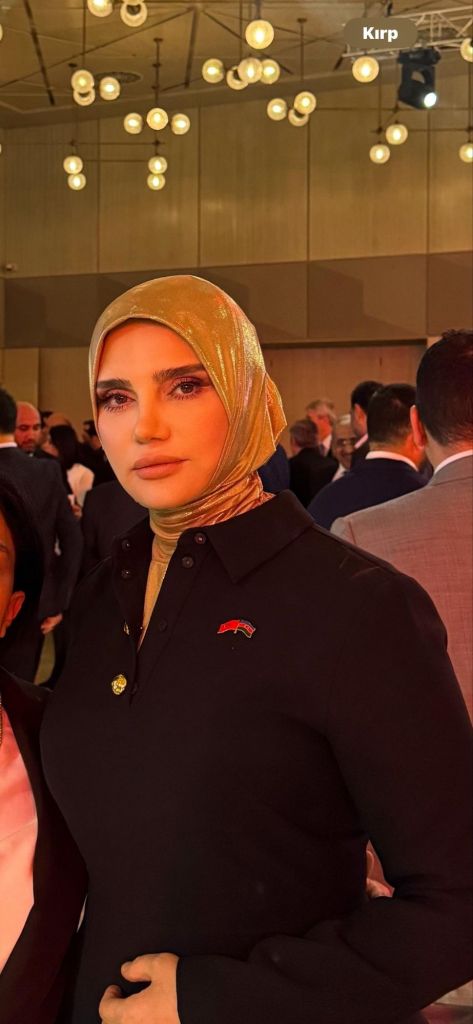
Khuraman MURADOVA: “I PONTI COSTRUITI ATTRAVERSO LA CULTURA RAFFORZERANNO ULTERIORMENTE L’UNITÀ E LA SOLIDARIETÀ DEL MONDO TURCO…”
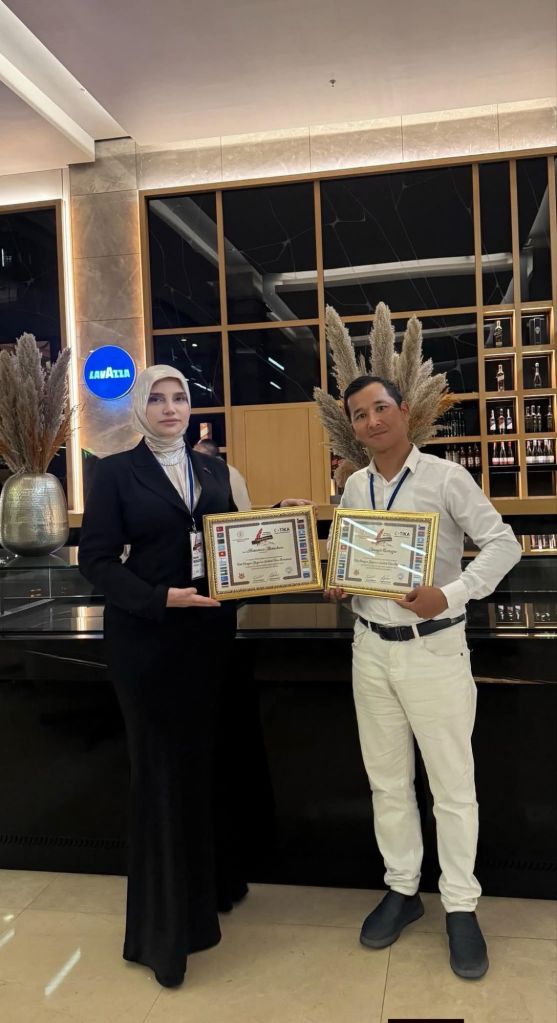
La nostra interlocutrice è professoressa Onoraria dell’Università statale di Tashkent intitolata ad Alisher Navoi; accademica onoraria dell’Accademia internazionale di letteratura, arti e scienze sociali della Repubblica dell’Uzbekistan; Professoressa Onoraria dell’Accademia Internazionale delle scienze per gli studi sul mondo turco; Destinataria delle medaglie “Onore” e “Stella d’Oro” del mondo turco; Vincitrice del Premio Nazionale “Humay”; Titolare della medaglia Chingiz Aitmatov della Repubblica del Kirghizistan; Vincitrice del Premio “Penna d’Oro” del Ministero dell’Istruzione della Repubblica del Kirghizistan; Professoressa Onoraria dell’Accademia Internazionale delle Scienze “Vector”; Membro dell’Unione degli scrittori’ dell’Azerbaigian; Membro dell’Unione Scrittori’ della Turchia; Membro onorario dell’Unione degli scrittori’ dell’Uzbekistan; Imprenditrice, Direttrice dell’Ospedale VIP di Milano; Una devota sostenitrice del mondo turco Khuraman Muradova.
— Signora Khuraman, la sua vita e il suo percorso professionale sono un esempio per molti. Prima di iniziare la nostra conversazione, vorremmo chiederti quali sono le tue fonti di ispirazione — i fattori che ti motivano e ti incoraggiano continuamente a impegnarti in atti di buona volontà.
— Le mie fonti di ispirazione non sono concetti grandiosi o complicati. A volte è la gratitudine che vedo negli occhi di una persona, a volte una preghiera silenziosa, a volte un ricordo doloroso portato attraverso la vita che mi dà forza. La vita mi ha insegnato che ciò che veramente sostiene una persona non è solo il successo, ma il lavoro svolto con coscienza. L’educazione che ho ricevuto dalla mia famiglia, le perdite che ho sopportato, il senso della parola conferito alla mia anima dal Creatore e il bisogno di essere utile alle persone — queste sono le forze che mi fanno andare avanti.
— In qualità di imprenditrice che si è guadagnata un posto rispettato nella società, quali approcci applichi per ispirare e sostenere le donne in ambienti professionali e sociali?
— Credo nell’ispirare le donne non attraverso slogan, ma attraverso l’esempio. Quando una donna sta saldamente in piedi preservando sia la sua eleganza che la sua forza, invia già un messaggio potente alla società. Fidarmi delle donne, ascoltare le loro voci, coinvolgerle nei processi decisionali e, soprattutto, accettarle così come sono — questi sono i miei principi fondamentali. Quando una donna si sente sostenuta, sboccia.
— Quali sono i principi fondamentali che ti hanno portato al successo sia negli affari che nella creatività?
— Integrità, pazienza e amore. Non ho mai abbreviato la strada verso il successo a scapito della mia coscienza. Che si tratti di affari o di creatività, credo fermamente in questo: se il tuo percorso è onesto, la tua destinazione alla fine ti troverà.
— Quali lezioni di vita vorresti condividere con i giovani e gli individui creativi di talento?
— Non abbandonarti mai. Vivere secondo le aspettative degli altri’ svuota una persona dall’interno. Non temere gli errori, ma temi di perdere i tuoi principi — perché il successo può tornare, ma la coscienza no.
— Attraverso il tuo lavoro creativo, quali messaggi spirituali e morali intendi trasmettere alle persone?
— Voglio che le persone non dimentichino la propria anima. Attraverso le mie parole, desidero ricordare loro che la compassione esiste ancora, l’onestà conta ancora e l’amore può ancora salvare l’umanità. La mia creatività è un percorso di ritorno al proprio vero sé.
— Secondo te, quale terreno comune esiste tra imprenditorialità e letteratura?
— Responsabilità. Nell’imprenditorialità tocchi la salute e la vita delle persone; nella letteratura tocchi le loro anime. In entrambi i campi, le decisioni sbagliate possono causare danni, mentre gli approcci sinceri e ponderati possono guarire.
— Cosa significa per te il concetto di “creatività”? Si limita solo all’arte e alla letteratura o si manifesta in tutti gli ambiti della vita?
— La creatività non riguarda solo la scrittura di poesie. Fare un lavoro onesto, alleviare il dolore di qualcuno o risolvere un problema attraverso il pensiero non convenzionale è anche creatività. È uno stato d’animo che si rivela in ogni sfera della vita.
— In che modo le tue attività caritatevoli e umanitarie durante la Guerra Patriottica ti hanno plasmato come persona?
— Quel periodo era una vera prova del proprio carattere — non attraverso le parole, ma attraverso le azioni. Guardare negli occhi le madri dei martiri e sentire il dolore dei veterani feriti mi ha insegnato che l’amore per la patria non si misura sulle piattaforme, ma attraverso il servizio silenzioso.
— Secondo te, cosa plasma più profondamente l’anima umana — difficoltà, successi o altre esperienze di vita?
— Difficoltà. Il successo porta gioia, ma le difficoltà portano profondità. Una persona non può maturare senza provare dolore.
— Che posto occupano i concetti di “Patria, popolo e umanità” nella tua filosofia di vita?
— Questi sono i tre pilastri della mia vita. La Patria è la nostra radice, le persone sono il nostro spirito e l’umanità è il valore più alto che illumina il nostro cammino.
— Hai ricevuto numerosi premi internazionali e titoli onorifici. Cosa significano per te i riconoscimenti e i premi a livello personale e sociale?
— I premi sono responsabilità. Mi ricordano che devo lavorare di più e servire di più. Quando i tuoi sforzi vengono riconosciuti, significa che sei obbligato a restituire ancora di più alla società.
— Si dice spesso che se non riusciamo a raggiungere il cuore di una persona, non possiamo veramente avvantaggiarla. Come vedi questa idea?
— Sono completamente d’accordo. Senza toccare il cuore, nessuna forma di aiuto è completa. Una persona vuole essere compresa prima di poter guarire.
— Attraverso l’Ospedale di Milano hai fornito assistenza e speranza a innumerevoli persone. Che forza e motivazione ti danno gli atti di gentilezza?
— Forza. Più aiuto gli altri, più divento forte me stesso. La gentilezza non esaurisce una persona; al contrario, la arricchisce e la rinnova.
— Qual è la fonte principale del tuo desiderio di aiutare le persone e servire la società — la natura, la famiglia o le esperienze di vita personale?
— L’educazione che ho ricevuto dalla mia famiglia e le prove che la vita mi ha posto davanti. Una persona che ha conosciuto il dolore non può rimanere indifferente.
— Quando affronti difficoltà o fallimenti, quali metodi ti aiutano a recuperare spiritualmente?
— Silenzio. Preghiera. Poesia. A volte il silenzio stesso è la più grande forma di guarigione.
— Come descriveresti le differenze e le somiglianze tra medicina e creatività?
— Entrambi forniscono guarigione. Uno guarisce il corpo, l’altro guarisce l’anima. Ed entrambi esigono coscienza.
— In quali nuove direzioni pensi di sviluppare il tuo lavoro creativo in futuro?
— Intendo portare avanti progetti che riflettano lo spirito condiviso del mondo turco, amplifichino le voci delle scrittrici su una piattaforma internazionale più ampia e costruiscano ponti culturali attraverso le parole. Per me la creatività è un viaggio che dura quanto la vita stessa.
Intervistata da: Jakhongir NOMOZOV, membro dell’Unione dei giornalisti’ dell’Azerbaigian e dell’Unione mondiale dei giovani scrittori turchi’.
Preparazione dell’ articolo per la pubblicazione a cura di Elisa Mascia autrice
Khuraman MURADOVA: “THE BRIDGES BUILT THROUGH CULTURE WILL FURTHER STRENGTHEN THE UNITY AND SOLIDARITY OF THE TURKIC WORLD…”
Our interlocutor is an Honorary Professor of Tashkent State University named after Alisher Navoi; Honorary Academician of the International Academy of Literature, Arts and Social Sciences of the Republic of Uzbekistan; Honorary Professor of the International Academy of Sciences for Turkic World Studies; Recipient of the “Honor” and “Golden Star” medals of the Turkic World; Laureate of the “Humay” National Award; Holder of the Chingiz Aitmatov Medal of the Kyrgyz Republic; Laureate of the “Golden Pen” Award of the Ministry of Education of the Kyrgyz Republic; Honorary Professor of the “Vector” International Academy of Sciences; Member of the Azerbaijan Writers’ Union; Member of the Writers’ Union of Turkey; Honorary Member of the Writers’ Union of Uzbekistan; Businesswoman, Director of VIP Milan Hospital; A devoted advocate of the Turkic World Khuraman Muradova.
— Ms. Khuraman, your life and professional journey serve as an example for many. Before beginning our conversation, we would like to ask about your sources of inspiration — the factors that motivate you and continually encourage you to engage in acts of goodwill.
— My sources of inspiration are not grand or complicated concepts. Sometimes it is the gratitude I see in a person’s eyes, sometimes a silent prayer, and sometimes a painful memory carried through life that gives me strength. Life has taught me that what truly sustains a person is not success alone, but work done with conscience. The upbringing I received from my family, the losses I have endured, the sense of the word bestowed upon my soul by the Creator, and the need to be useful to people — these are the forces that move me forward.
— As a businesswoman who has earned a respected place in society, what approaches do you apply to inspire and support women in professional and social environments?
— I believe in inspiring women not through slogans, but through example. When a woman stands firmly on her own feet while preserving both her elegance and strength, she already sends a powerful message to society. Trusting women, listening to their voices, involving them in decision-making processes, and most importantly, accepting them as they are — these are my core principles. When a woman feels supported, she blossoms.
— What are the main principles that have led you to success both in business and creativity?
— Integrity, patience, and love. I have never shortened the path to success at the expense of my conscience. Whether in business or creativity, I firmly believe this: if your path is honest, your destination will eventually find you.
— What life lessons would you like to share with young people and talented creative individuals?
— Never abandon yourself. Living according to others’ expectations empties a person from within. Do not fear mistakes, but fear losing your principles — because success can return, but conscience does not.
— Through your creative work, what spiritual and moral messages do you aim to convey to people?
— I want people not to forget their souls. Through my words, I wish to remind them that compassion still exists, honesty still matters, and love can still save humanity. My creativity is a path of returning to one’s true self.
— In your opinion, what common ground exists between entrepreneurship and literature?
— Responsibility. In entrepreneurship, you touch people’s health and lives; in literature, you touch their souls. In both fields, wrong decisions can cause harm, while sincere and thoughtful approaches can heal.
— What does the concept of “creativity” mean to you? Is it limited only to art and literature, or does it manifest in all areas of life?
— Creativity is not only about writing poetry. Doing honest work, easing someone’s pain, or solving a problem through unconventional thinking is also creativity. It is a state of mind that reveals itself in every sphere of life.
— How did your charitable and humanitarian activities during the Patriotic War shape you as a person?
— That period was a true test of one’s character — not through words, but through actions. Looking into the eyes of mothers of martyrs and feeling the pain of wounded veterans taught me that love for the homeland is measured not on platforms, but through silent service.
— In your view, what shapes the human soul more deeply — hardships, success, or other life experiences?
— Hardships. Success brings joy, but hardships bring depth. A person cannot mature without passing through pain.
— What place do the concepts of “Motherland, people, and humanity” occupy in your life philosophy?
— These are the three pillars of my life. The Motherland is our root, the people are our spirit, and humanity is the highest value that illuminates our path.
— You have received numerous international awards and honorary titles. What do recognition and awards mean to you personally and socially?
— Awards are responsibility. They remind me that I must work harder and serve more. When your efforts are recognized, it means you are obliged to give even more back to society.
— It is often said that if we cannot reach a person’s heart, we cannot truly benefit them. How do you view this idea?
— I completely agree. Without touching the heart, no form of help is complete. A person wants to be understood before they can be healed.
— Through Milan Hospital, you have provided care and hope to countless people. What strength and motivation do acts of kindness give you?
— Strength. The more I help others, the stronger I become myself. Kindness does not exhaust a person; on the contrary, it enriches and renews them.
— What is the main source of your desire to help people and serve society — nature, family, or personal life experiences?
— The upbringing I received from my family and the trials life has placed before me. A person who has known pain cannot remain indifferent.
— When facing difficulties or failures, what methods help you recover spiritually?
— Silence. Prayer. Poetry. Sometimes, silence itself is the greatest form of healing.
— How would you describe the differences and similarities between medicine and creativity?
— Both provide healing. One heals the body, the other heals the soul. And both demand conscience.
— In which new directions do you plan to develop your creative work in the future?
— I intend to continue projects that reflect the shared spirit of the Turkic world, amplify the voices of women writers on a broader international platform, and build cultural bridges through words. For me, creativity is a journey that continues as long as life itself.
Interviewed by: Jakhongir NOMOZOV, member of the Azerbaijan Journalists’ Union and the World Young Turkic Writers’ Union.






 Magiche Emozioni dell'Anima