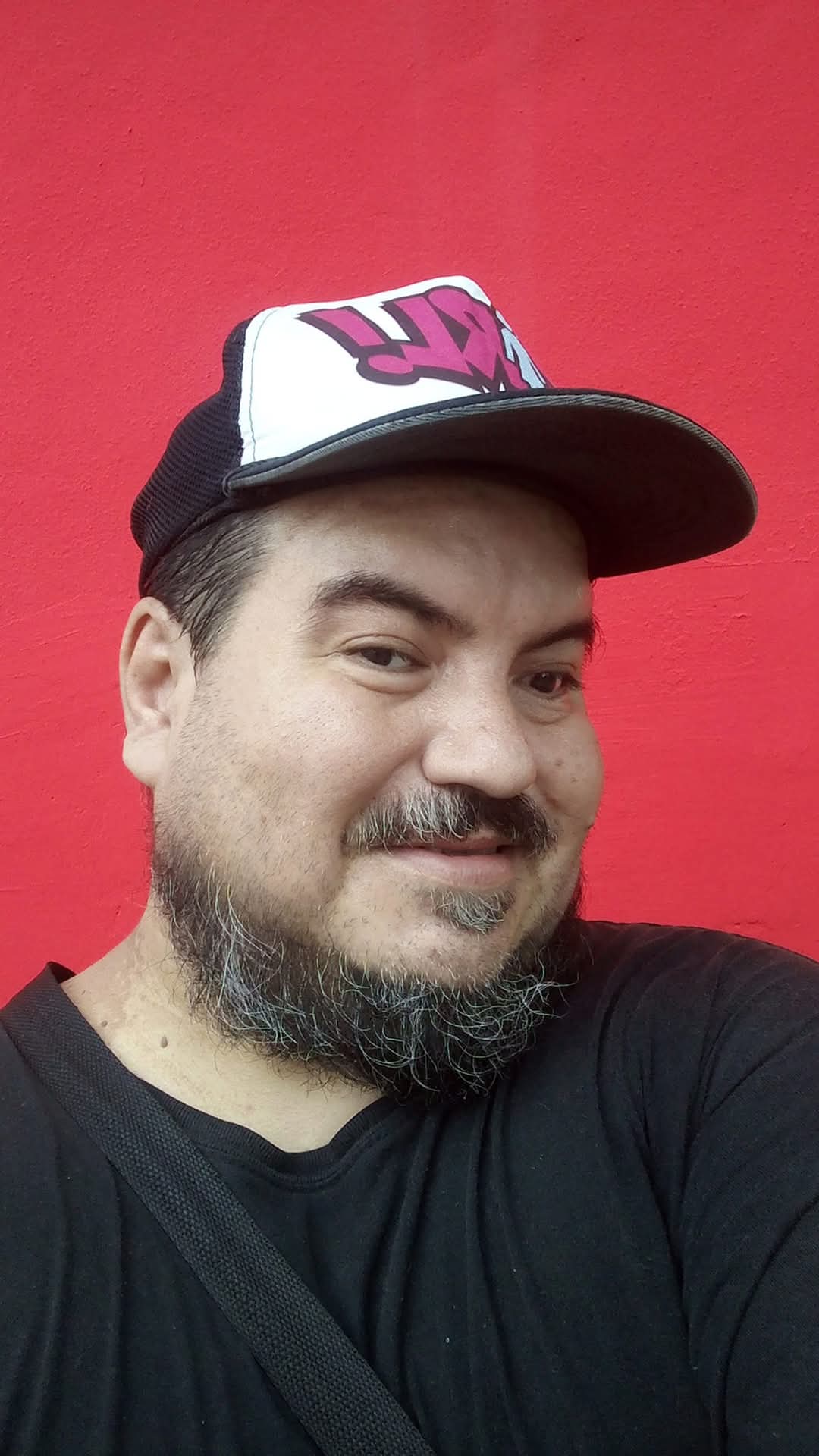
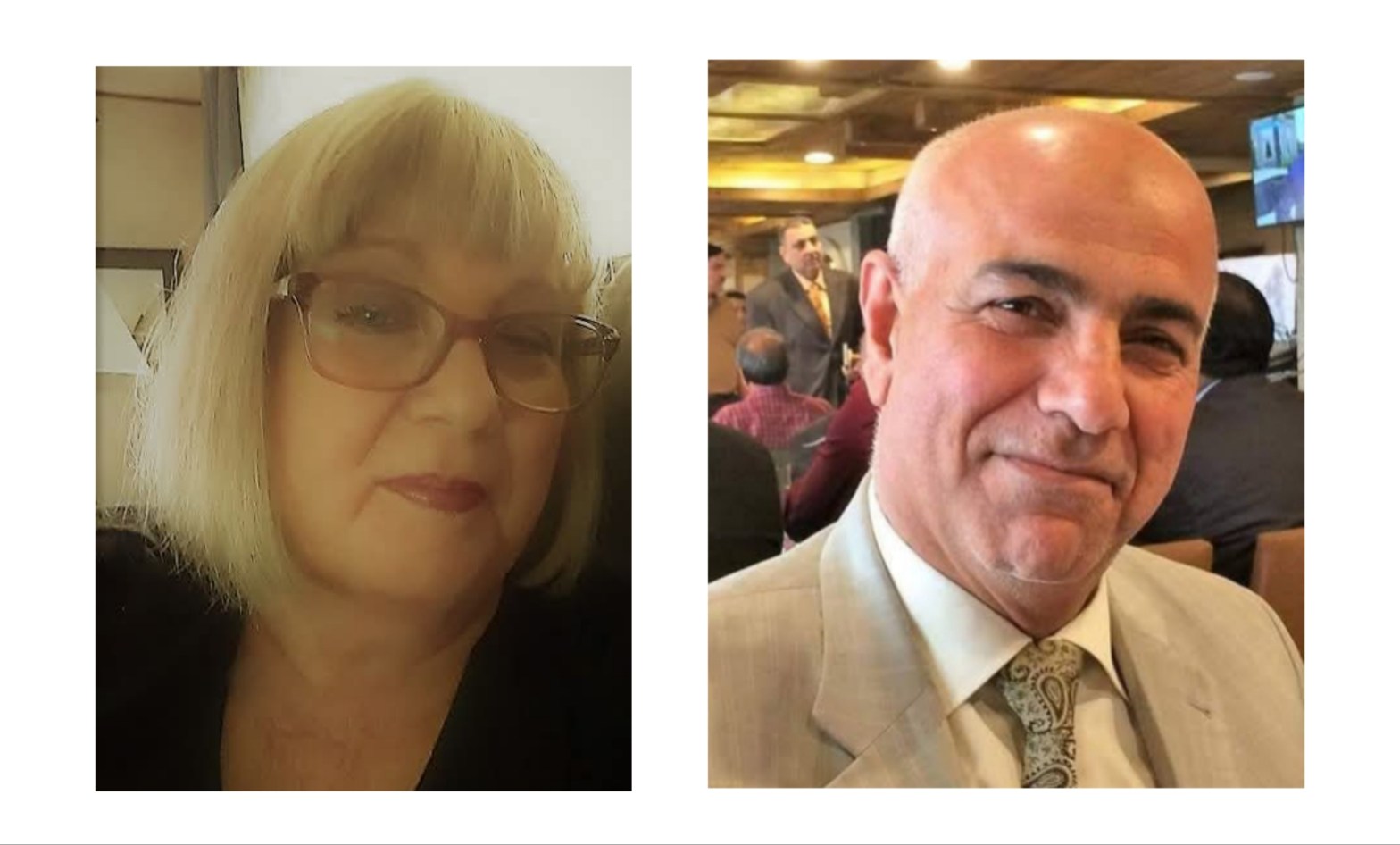
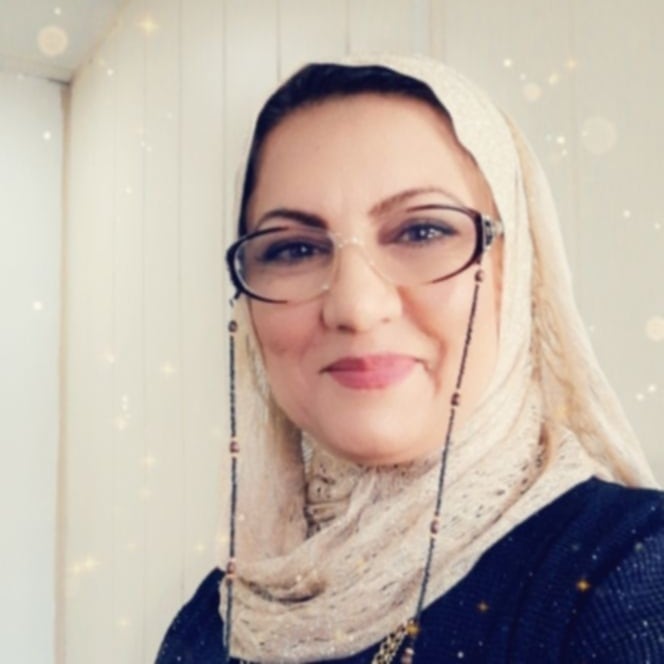
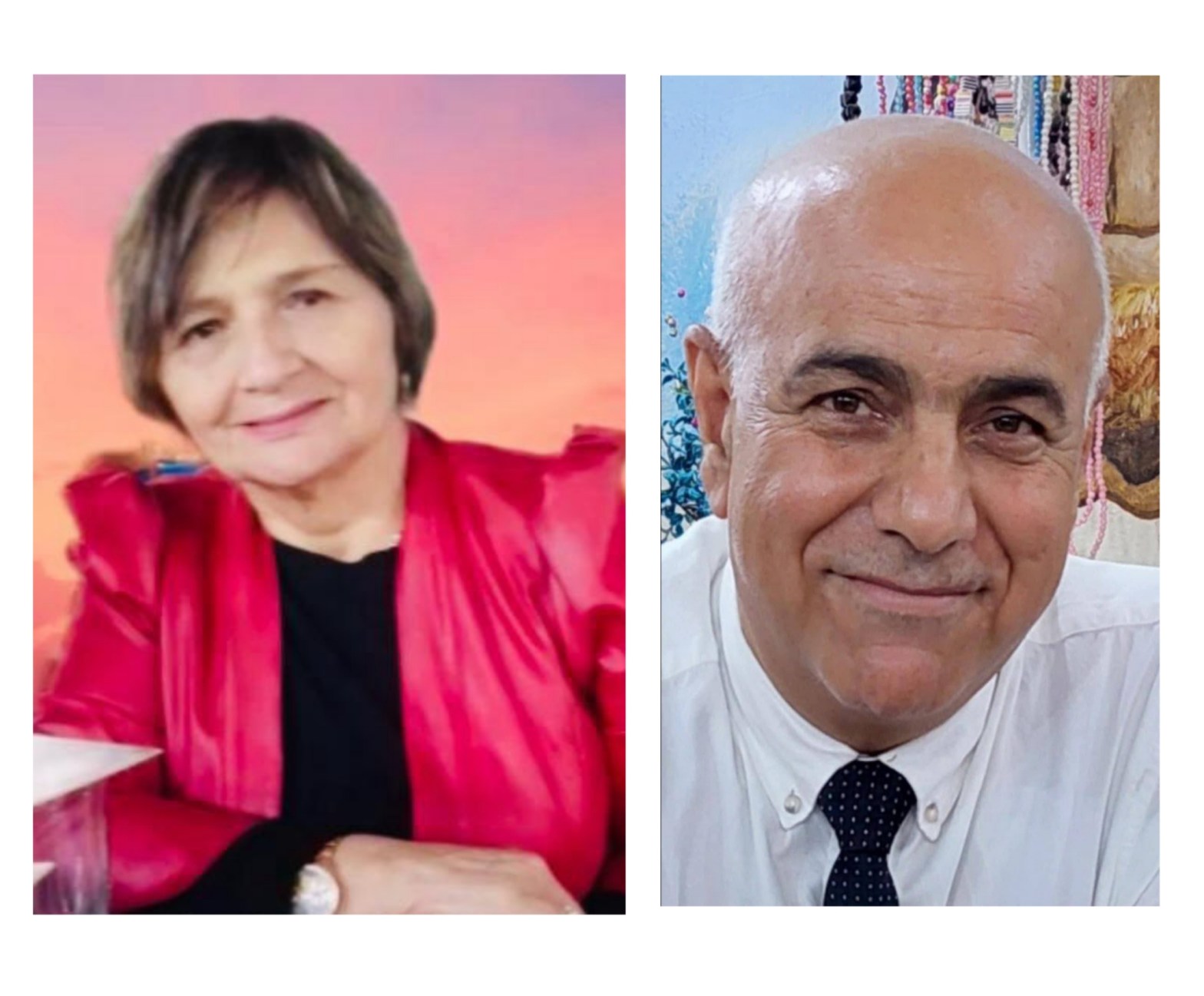
Jahongir Nomozov intervista Terane Turan Rahimli

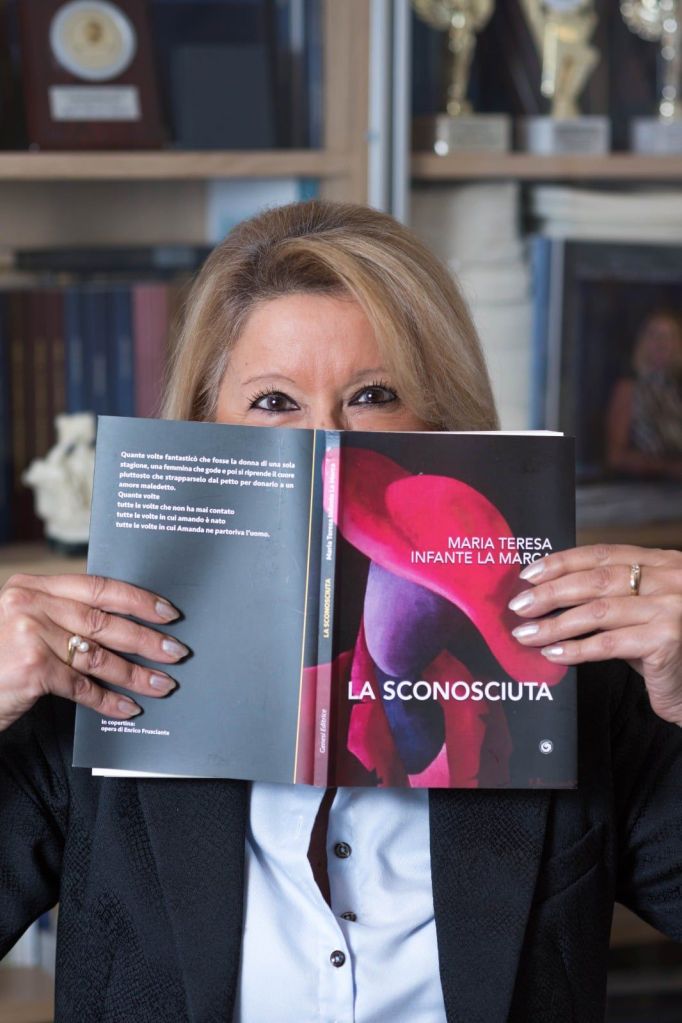
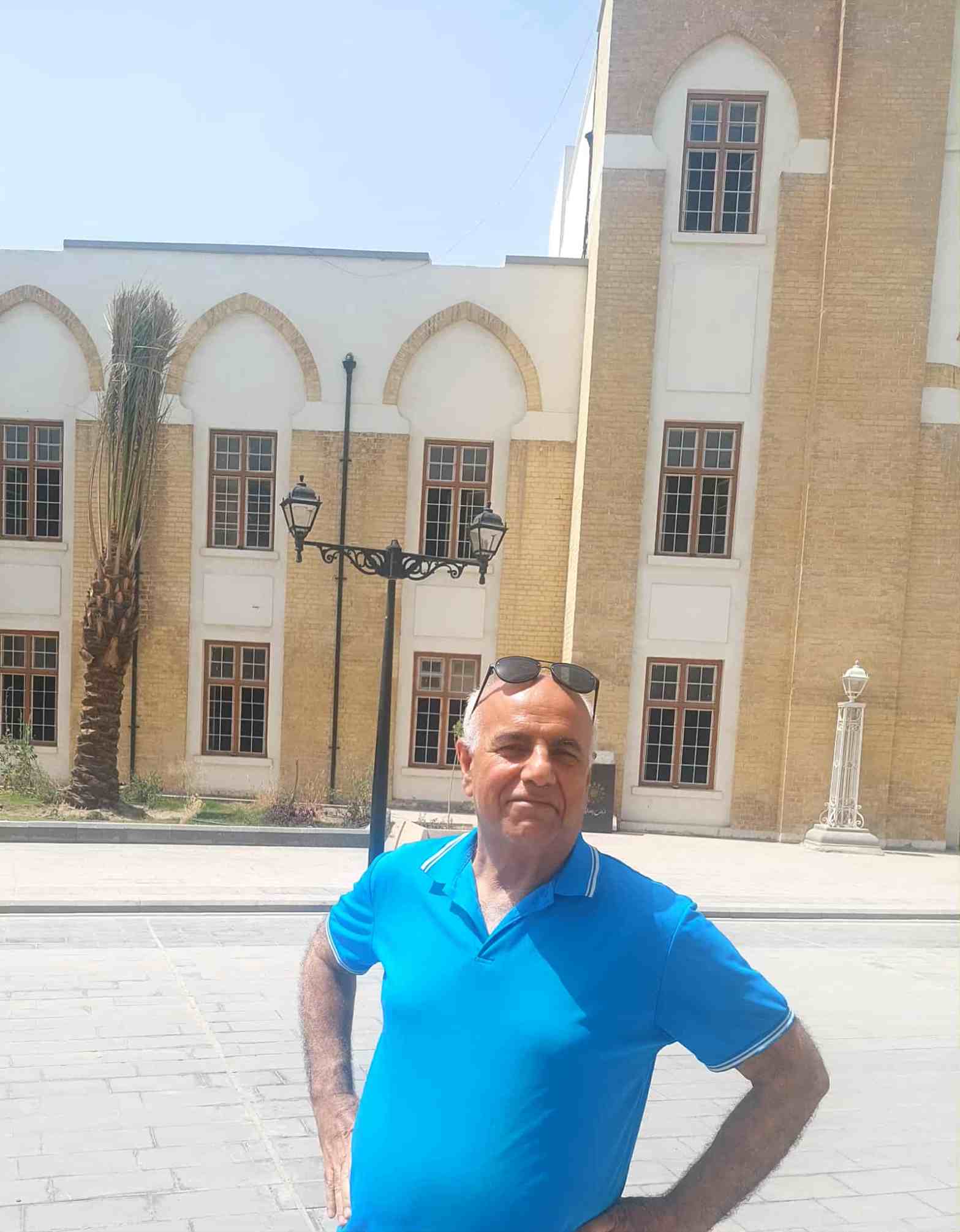
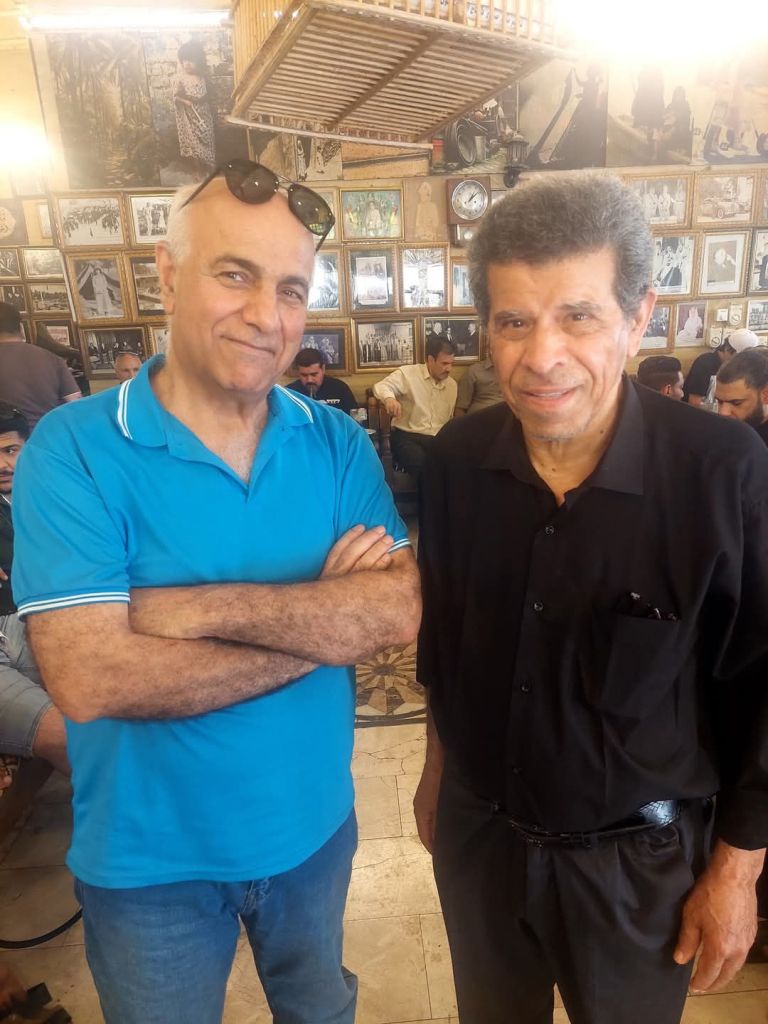
Foto cortesia di Terane Turan Rahimli e Jahongir Nomozov- Azerbaigian

LA LETTERATURA È SEMPRE IL LEADER DELLA CULTURA

Il nostro interlocutore è la nota poetessa azero, giornalista, letterato, professore associato e membro dell’Unione degli scrittori dell’Azerbaigian e dell’Unione dei giornalisti dell’Azerbaigian, Tə ranə Turan Rə himli.
La nostra conversazione ha riguardato la letteratura e la poesia, i processi letterari attuali, l’arte della traduzione, la letteratura azera, la cultura delle biblioteche, le opinioni personali e il ruolo dei poeti e degli scrittori nella società.

1.- Cosa significa per te essere un poeta?

– Essere un poeta non è una forma d’arte che si può scegliere, non qualcosa che si può entrare leggendo e aumentando il proprio intelletto, espandendo la propria visione del mondo, o dalla propria volontà o passione.
La poesia è un dono di Dio, un’autorità speciale data dal Creatore per esprimere le proprie emozioni, osservazioni, lungimiranza, cose che si sentono diversamente da tutti gli altri, tutto ciò che è vissuto e anche quelle cose che non sono state vissute, con un modo di pensare che sta al di sopra del tempo, dirigere il tempo e l’era stessa.
Iniziare a scrivere senza pensare alla scrittura, scrivere senza risolvere il segreto della forza che ti spinge a scrivere, ritrovarti improvvisamente in una magia la cui fonte non capisci, sperimentare l’invasione dei versi nella tua mente anche quando non vuoi scrivere, costringendoti a SCRIVERE… Non è tutto questo strano? L’essenza di questa stranezza è non essere in grado di risolverlo – questo è ciò che la poesia è.

2.- Quali sono i temi che più ti ispirano come poeta?

— Non riconosco la limitazione dei temi. Credo che per un poeta, tutti gli oggetti e gli eventi della vita possano essere temi. In generale, l’idea stessa di pensare a quale tema sia più stimolante mi sembra assurda.
La vita continua con il suo flusso, incontriamo eventi inaspettati, situazioni e circostanze.
Qualche volta la gioia che non ci entra dentro diventa una poesia, come la vittoria della guerra di 44 giorni, e qualche volta la profonda tristezza e lo shock del terremoto in Turchia, che rimane una tragedia del secolo, si riversa in versi.
Oppure le azioni eroiche del pilota e dell’hostess morti in un incidente aereo diventano poesia.
In quel momento, stiamo scrivendo solo a causa dell’ispirazione data dal dolore, dal dolore e dalla sofferenza? No! Il fatto è che nella nascita della poesia dalle emozioni e dai sentimenti più profondi del poeta, la prospettiva da cui osservano e la profondità della loro influenza sono anche di grande importanza.
Anche l’ispirazione stessa ha classificazioni. Sezai Karakoç anche definito i colori di ispirazione: bianco, nero ispirazione, e chiarito il momento: sublime, celeste, divina ispirazione…
Platone ha dichiarato che il poeta, attraverso l’ispirazione, raggiunge una conoscenza che supera la ragione.
In generale, è innegabile il contributo dell’ispirazione nel processo di creazione nell’opera del poeta.
Il tema, tuttavia, è condizionale, variabile, quindi non posso mai distinguere quale tema sia più stimolante.
3.- Come si esprime come poeta o scrittore?
– L’apprezzato lettore lo sa meglio di tutti.
La scala di equilibrio del lettore misura il livello di espressione del poeta o dello scrittore più accuratamente. Inoltre, critica letteraria…
La critica corretta è il faro di un’opera e di uno scrittore.
Tuttavia, a volte la critica è seriamente influenzata dalla valutazione del lettore e diventa persino dipendente da essa.
Se chiedete se sono soddisfatto del mio modo di esprimermi o dei miei scritti, ho una risposta a questa domanda: non porto mai al pubblico un’opera che non mi soddisfi pienamente. Ma questo non significa che tutti i miei scritti esprimano perfettamente la mia anima poetica o il mio modo di pensare artistico. Ho sempre, e avrò, critiche di me stesso.
4.-Qual è il fattore più importante per voi quando create un’opera?
— Avvicinarsi alle parole con responsabilità, non offuscare le acque dell’oceano letterario! La poesia è chiarezza, purezza, dove non c’è posto per nulla falso o artificiale.
Quando si scrive poesia, una persona sale alla elevazione più innocente, più pura della sua spiritualità. Se anche la più piccola parte di aria “sporca” si mescola in
questa alta atmosfera, il poeta stesso sarà il primo a soffocare. Sono sempre un fervente difensore della conservazione di quella purezza nella pubblicazione del libro; sono contro ingannare il lettore con scarabocchi che solo appesantiranno la loro mente.
Una volta, ho letto una dichiarazione del nostro stimato poeta Salam Sarvan nel suo libro. Gli hanno chiesto perché il volume del suo libro era così piccolo. Egli rispose: “Perché io non annaffio il latte.” Ogni volta che preparo i miei libri per la pubblicazione, ricordo quel pensiero e penso che “annaffiare il latte” significa presentare scarabocchi mediocri, insoddisfacenti accanto a una buona poesia, che porta disprezzo al poeta.
5.- Che cosa pensa dello stato attuale della letteratura azera? Quale dovrebbe essere il ruolo degli scrittori e dei poeti nella società?
— La letteratura azera si sta attualmente sviluppando in vari generi e direzioni. Se c’è sviluppo, significa che la letteratura è viva. Questo sviluppo porta alla soddisfazione? Quali sono le lacune? Oppure possiamo chiamare “opere” tutti gli scritti pubblicati e presentati ai lettori in nome della letteratura? Tutti questi sono argomenti che richiedono un’ampia discussione.
Per rimanere sul punto, posso dire che oggi vengono scritte opere potenti che rappresenteranno la letteratura azera con dignità in tutto il mondo. Sia in poesia, prosa, o dramma, ci sono magnifici esempi artistici di letteratura azera contemporanea.
Guardo al futuro della nostra letteratura con grande speranza perché il suo glorioso passato e il suo luminoso presente forniscono uno stimolo per questo.
Per quanto riguarda il ruolo degli scrittori e dei poeti nella società, vorrei sottolineare che la gente si fida di loro, crede in loro. Per non perdere questa fiducia e non minare questa convinzione, l’artista deve prevedere come ciascuna delle loro parole risuonerà.

Certo, ci sono quelli che, per il gusto di un sensazionalismo a buon mercato o per rimanere sotto i riflettori, macchiano la loro arte. Uno scrittore, un poeta o una persona di parola è un individuo rispettato e influente, le cui parole sono preziose come l’oro. Ecco perché tutti vogliono vedere questa persona come un modello del loro lavoro nella loro vita personale. Solo allora il poeta o lo scrittore può avere un impatto sui loro contemporanei e sulla società nel suo insieme.
Considerate questo: un poeta che celebra la patria in tutte le sue poesie si nasconde durante i tempi di guerra, o uno scrittore che promuove sempre i valori morali nazionali nei suoi romanzi diventa noto per l’immoralità. Chi si fiderebbe di una tale parola-una persona la cui identità nella vita reale contraddice il “io” nelle loro opere?
La loro mancanza di rispetto nella società non influenzerebbe il loro ruolo nella società?
Lasciatemi aggiungere una nota a margine.
Quando ho iniziato a lavorare all’Università Pedagogica dello Stato dell’Azerbaigian, ho continuato a sentire una frase da tutti: “È un peccato che tu non l’abbia visto quando Ismail Shikhli lavorava qui.”
Naturalmente, tutti sanno quanto grande uno scrittore Ismail Shikhli era. Ciò che mi ha sorpreso è stato che quando si parla delle sue chiare qualità personali, tutti hanno usato l’espressione “Non c’è mai stata una persona così etica come insegnante Ismail.” Era diventato non solo uno scrittore, ma anche un simbolo di un uomo molto etico e onorevole azero nella memoria della gente.
Lavorare in un’università dove questo grande scrittore e rinomato studioso ha lasciato segni profondi nei ricordi è stata una lezione enorme in termini di chiarire i miei criteri personali.
Perciò, quando parlo del ruolo di uno scrittore o di un poeta nella società, lo collego alla totalità della loro personalità.
E grazie a Dio, oggi abbiamo ancora tali individui-scrittori e poeti-la cui influenza sulla società azera è principalmente attraverso la conservazione e la promozione dei nostri valori nazionali e morali.
6.- Le vostre opere sono sempre portatrici di un’idea o di un concetto specifico, oppure preferite la piena libertà nella vostra creatività?
– Naturalmente, c’è un’idea.
Anche nelle opere più liberamente scritte che rompono e distruggono le norme artistiche accettate, c’è senza dubbio un’idea o un concetto.
Amo profondamente le tradizioni della nostra letteratura nazionale e scrivo rimanendo fedele a quelle tradizioni. Non solo il pensiero nazionale, ma anche i valori intellettuali e morali unici dei secoli-questi sono
Questioni importanti a cui attribuisco grande importanza. Anche la forma poetica, la struttura in cui trasmetto il pensiero e l’idea artistica, riflette questa devozione.
L’idea è l’essenza del lavoro, lo scopo che spinge l’autore a scrivere.
Senza pensiero e idea artistica, nessun lavoro può nascere. Mancanza di un’idea significa mancanza di principio, fondamento e scopo. Tuttavia, anche un’opera con una forte idea non può coprire i suoi altri difetti. L’opera acquista anche atemporalità attraverso i suoi problemi universali artistico-filosofici.
Nella storia della letteratura mondiale, le opere scritte secoli fa, che rimangono ancora oggi rilevanti, devono la loro longevità non solo alle loro idee ma anche alle loro universali questioni artistico-filosofiche.
Per esempio, “Les Misérables” di Victor Hugo, “Il gobbo di Notre-Dame”, “Guerra e pace” di Leo Tolstoy, “Anna Karenina”…
Oggi, un giovane della metropolitana di Tokyo, incapace di distogliere lo sguardo dal “Crimine e punizione” di Dostoevskij e un pastore in un remoto villaggio di montagna norvegese, che trova la pace nella “Jennie Gerhardt” di Theodore Dreiser, entrambi amano queste opere a causa dei loro problemi universali.
7.-Come gli eventi nella vostra vita personale o le conversazioni con gli altri si riflettono nella vostra creatività?
— Ogni poeta scrive da sé. Potrebbe trattarsi di un evento che hanno vissuto personalmente, l’impatto di una conversazione con qualcuno o una situazione osservata da lontano con sensibilità.
È lo stesso nella mia creatività; ci sono momenti autobiografici, l’influenza delle conversazioni e cose che ho osservato da lontano. Ciò che conta è quanto tutti questi scuotono lo scrittore, come passano attraverso il loro mondo interiore, li internalizzano e poi si riversano in parole, trovando la luce.
Un poeta, uno scrittore è un figlio del loro tempo, ambiente, nazione, il luogo in cui vivono e, più in generale, il mondo. Qualunque cosa scrivano, saranno senza dubbio influenzati dallo stato attuale del mondo, dal loro ambiente e dalla loro epoca. Oggi, vivo nella mia patria, l’Azerbaigian, ma in ogni mia poesia (e anche nel lavoro di tutti noi) c’è il grido dei bambini uccisi a Gaza, il dolore delle vite distrutte dalle bombe in Siria, i volti dolorosi delle famiglie sfollate dall’Ucraina, le immagini dolorose di case in rovina, le vite e le perdite devastate dal terremoto in Turchia… le perdite… la ferita che lasciano dietro. E, col passare del tempo, mentre gli oggetti e i soggetti di queste influenze possono cambiare, la sensibilità che creano, l’inondazione di emozioni che evocano, rimarrà invariata.
8.- Qual è l’interesse attuale per la letteratura? Come scrittore, come accetta le nuove forme e piattaforme della letteratura legate allo sviluppo della scienza e della tecnologia?
— La letteratura è sempre stata il leader della cultura, il campo che guida e spinge lo sviluppo. Lo sviluppo dell’opera senza libretto, il cinema senza sceneggiatura, il teatro senza dramma e le canzoni senza poesia sono tutti inimmaginabili. Quindi, quando si discute l’interesse per la letteratura, è sbagliato riferirsi solo alla lettura di opere da libri. I programmi televisivi, le serie, i documentari e i film che guardiamo ogni sera sono anche indicatori di interesse per la letteratura. Tenendo conto di tutto questo, posso dire che oggi l’interesse per la letteratura è a un livello degno di ammirazione. I lettori di riviste e siti web on-line si sono espansi in misura incredibile, il che dimostra chiaramente quanto sia grande l’interesse per le opere letterarie pubblicate su periodici.
Non sto nemmeno menzionando la richiesta dei lettori per i capolavori della letteratura mondiale nei centri di vendita di libri internazionali. Come molti dei miei contemporanei, non condivido l’opinione che l’interesse per la letteratura stia diminuendo. Al contrario, penso che il lettore di oggi sia più perspicace, più attento a ciò che legge. E questo lettore non può essere ingannato.
Per quanto riguarda la seconda parte della sua domanda, vorrei sottolineare che la letteratura è in continua evoluzione e si arricchisce di nuove forme. Lo sviluppo della tecnologia ha accelerato questo cambiamento, e questa ricchezza si manifesta in varie sfumature. La letteratura di rete, gli esempi letterari virtuali attirano l’attenzione tanto quanto le opere scritte a penna e pubblicate su carta. Viviamo in un’epoca in cui anche il postmodernismo comincia a essere considerato come storia, e la letteratura di rete si sta sviluppando sfruttando appieno tutte le opportunità offerte dalla tecnologia. Naturalmente, ci sono aspetti oggettivi e soggettivi di questo sviluppo che non accettiamo incondizionatamente. Tuttavia, lo sviluppo della letteratura in questo modo apre nuove opportunità sia per il lettore che per lo scrittore e influenza significativamente lo sviluppo della cultura, del l’intelletto, della coscienza pubblica e della società nel suo complesso.
9.-Che sentimenti si manifestano quando una poesia è completata per te? Come scrittore, come gestisci le opere incompiute?
— Un lavoro incompiuto, per me, è una frase che non ho ancora terminato. In altre parole, se lo ritenessi necessario, finirei quella frase, non la lascerei a metà. Ma quando non ho il cuore per finire quella frase incompleta o poesia incompiuta, ho pensato a come li avrei trattati. Nel mio primo libro di poesie, “Il sussurro del dolore,” c’è un titolo: “Cinque tre righe rimangono nella battaglia delle parole / Dire addio alle poesie morenti.” Sotto quel titolo, ho incluso versi dalle mie poesie incompiute. E è stato accolto molto bene.
Infatti, anche un solo verso può creare una profonda impressione. Ecco perché, a volte, ciò che è incompiuto per l’autore può essere un lavoro completo per il lettore.
10-Secondo lei, quale ruolo svolge la traduzione nella creazione del linguaggio letterario universale?
– La traduzione è importante non solo per costruire ponti letterari, ma anche per ampliare il contesto dello sviluppo della letteratura e determinarne l’ampiezza.
Talvolta, tuttavia, una traduzione scadente può macchiare la letteratura, danneggiare la reputazione del l’autore e mettere in dubbio il suo talento. La creazione di un linguaggio universale per la letteratura è un argomento molto ampio. Uno dei maggiori rappresentanti del postmodernismo, John Fowles, ha scritto nella sua raccolta di saggi filosofici “Aristos” che un linguaggio universale deve soddisfare quattro criteri. Il primo è che la lingua universale dovrebbe essere basata su una lingua già esistente e ampiamente diffusa. In secondo luogo, dovrebbe essere analitico e non sintetico. In terzo luogo, questa lingua deve avere un sistema fonetico costituito da un numero limitato di simboli per scrivere le parole. Quarto, pur dovendo essere efficace e semplice, dovrebbe anche essere flessibile e in grado di facilitare la comunicazione a livelli più complessi.
Quando ricordiamo che linguaggi creati artificialmente come l’esperanto e l’ido hanno fallito, vediamo quanto siano importanti i criteri di John Fowles per un linguaggio universale.
E la lingua fallisce se non ha letteratura.
Secondo il pensiero di Fowles, tra tutte le lingue del mondo, l’inglese è la meno sintetica, ed è per questo che leggerlo, impararlo e capirlo è facile. L’inglese era la lingua più adatta ai requisiti di una lingua universale. Da questo possiamo dedurre che la lingua universale della letteratura potrebbe essere l’inglese. Noi traduciamo le nostre opere in inglese per presentarle al mondo.
Più tardi, li traduciamo in altre lingue…
Nonostante il fatto che nel mondo moderno, il cinese, lo spagnolo e altre lingue sono anche dominanti, le opere in inglese possono aiutare gli autori ad ottenere un sufficiente riconoscimento. Oggi, gli scrittori di tutto il mondo leggono le opere degli altri in inglese. Pertanto, credo che la letteratura abbia già un linguaggio universale. E le traduzioni trovano facilmente la loro strada da questa lingua ad altre.
Dato che la tua domanda riguarda le traduzioni, vorrei condividere un altro pensiero. La traduzione è un campo responsabile, ma di recente ci siamo imbattuti in alcune firme e testi molto poveri che mostrano traduttori, per qualche interesse personale, stanno traducendo sciocchezze in nome della letteratura. Presentare una traduzione goffa al pubblico mondiale come un’opera letteraria è una mancanza di rispetto per la vera letteratura.

Intervistata da: Jakhongir NOMOZOV,
Membro del comitato editoriale del giornale azerbaigiano Butov, rivista “YAZARLAR”, rappresentante in Uzbekistan.
Membro dell’Unione dei giornalisti azeri.


LITERATURE IS ALWAYS THE LEADER OF CULTURE
Our conversation partner is the renowned Azerbaijani poet, journalist, literary scholar, Doctor of Philology, associate professor, and member of the Azerbaijan Writers’ Union and Azerbaijan Journalists’ Union, Təranə Turan Rəhimli.
Our conversation revolved around literature and poetry, the current literary processes, the art of translation, Azerbaijani literature, library culture, personal views, and the role of poets and writers in society.
1.— What does being a poet mean to you?
— Being a poet is not an art form that one can choose, not something that can be entered by reading and increasing one’s intellect, expanding one’s worldview, or by one’s own will or passion.
Poetry is a gift from God, a special authority given by the Creator to express one’s emotions, observations, foresight, things that are felt differently from everyone else, everything lived, and even those things that have not been lived, with a way of thinking that stands above time, directing the time and era itself.
To begin writing without thinking about writing, to write without solving the secret of the force that compels you to write, to suddenly find yourself in a magic whose source you do not understand, to experience the invasion of verses into your mind even when you don’t want to write, forcing yourself to WRITE… Isn’t all this strange? The essence of this strangeness is not being able to solve it — this is what poetry is.
2.— What themes inspire you the most as a poet?
— I do not recognize the limitation of themes. I believe that for a poet, all objects and events of life can be themes. In general, the very idea of thinking about which theme is more inspiring seems absurd to me.
Life goes on with its flow, we encounter unexpected events, situations, and circumstances.
Sometimes the joy that cannot fit within us becomes a poem, like the victory of the 44-day Homeland War, and sometimes the deep sadness and shock of the earthquake in Turkey, which remains a tragedy of the century, pours into verses.
Or the heroic actions of the pilot and stewardess who perished in a plane crash become poetry.
At that time, are we writing only because of the inspiration given by sorrow, pain, and suffering? No! The matter is that in the birth of poetry from the deepest emotions and feelings of the poet, the perspective from which they observe and the depth of their influence is also of great importance.
Even inspiration itself has classifications. Sezai Karakoç even defined the colors of inspiration: white, black inspiration, and clarified the moment: sublime, celestial, and divine inspiration…
Plato stated that the poet, through inspiration, reaches a knowledge that surpasses reason.
In general, the contribution of inspiration in the process of creation in the poet’s work is undeniable.
The theme, however, is conditional, variable, so I can never differentiate which theme is more inspiring.
3.— How do you express yourself as a poet or writer?
— The esteemed reader knows that best.
The balance scale of the reader measures the level of expression of the poet or writer more accurately. Also, literary criticism…
Proper criticism is the beacon of a work and a writer.
However, sometimes criticism is seriously influenced by the reader’s evaluation and even becomes dependent on it.
If you are asking whether I am satisfied with my own mode of expression or my writings, I have one answer to this question: I never bring out a work to the public that I am not fully satisfied with. But this does not mean that all my writings perfectly express my poetic soul or my artistic way of thinking. I always have, and will have, criticisms of myself.
4.—What is the most important factor for you when creating a work?
— To approach words with responsibility, not to cloud the waters of the literary ocean! Poetry is clarity, purity, where there is no place for anything false or artificial. When writing poetry, a person ascends to the most innocent, most pure elevation of their spirituality. If even the smallest bit of “dirty” air mixes into
that high atmosphere, the poet themselves will be the first to suffocate. I am always a staunch defender of preserving that purity in book publishing; I am against deceiving the reader with scribbles that will only burden their mind.
Once, I read a statement by our esteemed poet Salam Sarvan in his book. They asked him why the volume of his book was so small. He replied, “Because I do not water down the milk.” Every time I prepare my books for publication, I remember that thought and think that “watering down the milk” means presenting mediocre, unsatisfactory scribbles alongside good poetry, which brings disrespect to the poet.
5.—What do you think about the current state of Azerbaijani literature? What should be the role of writers and poets in society?
— Azerbaijani literature is currently developing in various genres and directions. If there is development, it means literature is alive. Does this development lead to satisfaction? What are the shortcomings? Or can we call all the writings published and presented to readers in the name of literature “works”? All of these are topics that require extensive discussion.
To stick to the point, I can say that today, powerful works are being written that will represent Azerbaijani literature with dignity around the world. Whether in poetry, prose, or drama, there are magnificent artistic examples of contemporary Azerbaijani literature.
I look to the future of our literature with great hope because its glorious past and bright present provide a stimulus for this.
As for the role of writers and poets in society, I would like to note that people trust them, they believe in them. In order not to lose this trust and not to undermine this belief, the artist must foresee how each of their words will resonate.
Of course, there are those who, for the sake of cheap sensationalism or staying in the spotlight, tarnish their art. A writer, poet, or word person is a respected and influential individual, whose words are as valuable as gold. That’s why everyone wants to see this person as a paragon of their work in their personal life too. Only then can that poet or writer have an impact on their contemporaries and society as a whole.
Consider this: a poet who celebrates the homeland in all their poems goes into hiding during wartime, or a writer who always promotes national moral values in their novels becomes notorious for immorality. Who would trust such a word person—one whose real-life identity contradicts the “I” in their works?
Wouldn’t their lack of respect in society affect their role in society?
Let me add a side note.
When I first started working at the Azerbaijan State Pedagogical University, I kept hearing one sentence from everyone: “It’s a pity you didn’t see it when Ismail Shikhli worked here.”
Of course, everyone knows how great a writer Ismail Shikhli was. What surprised me was that when talking about his clear personal qualities, everyone used the expression “There has never been a person as ethical as Ismail teacher.” He had become not just a writer, but also a symbol of a very ethical, honorable Azerbaijani man in the memories of people.
Working in a university where this great writer and renowned scholar left deep marks in the memories was a huge lesson in terms of clarifying my personal criteria.
Therefore, when I speak about the role of a writer or poet in society, I link it to the totality of their personality.
And thank God, today we still have such individuals—writers and poets—whose influence on Azerbaijani society is primarily through preserving and promoting our national and moral values.
6.—Do your works always carry a specific idea or concept, or do you prefer complete freedom in your creativity?
— Naturally, there is an idea.
Even in the most freely written works that break and destroy accepted artistic norms, there is undoubtedly an idea or concept.
I love the traditions of our national literature deeply and write while remaining faithful to those traditions. Not only national thinking, but also the unique intellectual and moral values of centuries—these are
significant matters I give great importance to. Even the poetic form, the structure in which I convey artistic thought and idea, reflects this devotion.
The idea is the essence of the work, the purpose that drives the author to write.
Without artistic thought and idea, no work can be born. Lack of an idea means lack of principle, foundation, and purpose. However, even a work with a strong idea cannot cover up its other flaws. The work also gains timelessness through its universal artistic-philosophical problems.
In the history of world literature, works written centuries ago, which still remain relevant today, owe their longevity not only to their ideas but also to their universal artistic-philosophical issues.
For example, Victor Hugo’s “Les Misérables,” “The Hunchback of Notre-Dame,” Leo Tolstoy’s “War and Peace,” “Anna Karenina”…
Today, a young person in Tokyo’s metro, unable to take their eyes off Dostoevsky’s “Crime and Punishment,” and a shepherd in a remote Norwegian mountain village, finding peace in Theodore Dreiser’s “Jennie Gerhardt,” both love these works because of their universal problems.
7.—How do events in your personal life or conversations with others reflect in your creativity?
— Every poet writes themselves. It could be an event they personally experienced, the impact of a conversation with someone, or a situation they observed from afar with sensitivity.
It’s the same in my creativity; there are autobiographical moments, the influence of conversations, and things I’ve observed from a distance. What matters is how much all of these shake the writer, how they pass through their inner world, internalize them, and then spill out into words, finding light.
A poet, a writer is a child of their time, environment, nation, the place they live, and, more broadly, the world. Whatever they write, they will undoubtedly be influenced by the current state of the world, their surroundings, and their time. Today, I live in my homeland, Azerbaijan, but in every one of my poems (and indeed in the work of all of us) there is the cry of children killed in Gaza, the pain of lives destroyed by bombs in Syria, the sorrowful faces of families displaced from Ukraine, the mournful images of ruined homes, the lives and losses devastated by the earthquake in Turkey… losses… the wound they leave behind. And, as time passes, while the objects and subjects of these influences may change, the sensitivity they create, the flood of emotions they evoke, will remain unchanged.
8.—What is the current interest in literature? As a writer, how do you accept the new forms and platforms of literature related to the development of science and technology?
— Literature has always been the leader of culture, the field that guides and drives development. The development of opera without a libretto, cinema without a screenplay, theater without a drama, and songs without poetry are all unimaginable. So, when discussing the interest in literature, it’s wrong to only refer to reading works from books. The television shows, series, documentaries, and films we watch every evening are also indicators of interest in literature. Taking all of this into account, I can say that today the interest in literature is at a level worthy of admiration. The readership of online journals and websites has expanded to an unbelievable extent, which clearly demonstrates how great the interest is in literary works published in periodicals.
I’m not even mentioning the demand from readers for the masterpieces of world literature in international book sales centers. Like many of my contemporaries, I do not share the opinion that interest in literature is decreasing. On the contrary, I think today’s reader is more discerning, more thoughtful about what they read. And this reader cannot be deceived.
Regarding the second part of your question, I would like to note that literature is constantly evolving and becoming richer with new forms. The development of technology has accelerated this change, and this richness manifests itself in various shades. Network literature, virtual literary examples attract just as much attention as works written with a pen and published on paper. We live in an era where even postmodernism is beginning to be seen as history, and network literature is developing by making full use of all the opportunities provided by technology. Of course, there are objective and subjective aspects of this development that we do not accept unconditionally. However, the development of literature in this way opens new opportunities for both the reader and the writer, and significantly influences the development of culture, intellect, public consciousness, and society as a whole.
9.—What feelings arise when a poem is completed for you? As a writer, how do you manage unfinished works?
— An unfinished work, for me, is a sentence I have not yet completed. In other words, if I deem it necessary, I would finish that sentence, I wouldn’t leave it halfway. But when I don’t have the heart to finish that incomplete sentence or unfinished poem, I have thought about how I would treat them. In my first poetry book, “The Whisper of Pain,” there is a title: “Five-three lines remain in the battle of words / Saying farewell to dying poems.” Under that title, I included verses from my unfinished poems. And it was received very well.
In fact, even a single verse can create a deep impression. That’s why, sometimes, what is unfinished for the author may be a complete work for the reader.
10—What role do you think translation plays in creating the universal language of literature?
— Translation is not only important in building literary bridges but also in broadening the context of the development of literature and determining its scale.
Sometimes, however, a poor translation can tarnish literature, damage the author’s reputation, and cast doubt on their talent. Creating a universal language for literature is a very broad topic for discussion. One of the major representatives of postmodernism, John Fowles, wrote in his philosophical essay collection “Aristos” that a universal language must meet four criteria. The first is that the universal language should be based on an already existing and widely spread language. Second, it should be analytical, not synthetic. Third, this language must have a phonetic system made up of a limited number of symbols to write words. Fourth, while it must be effective and simple, it should also be flexible and able to facilitate communication at more complex levels.
When we recall that artificially created languages like Esperanto and Ido have failed, we see how important the criteria John Fowles set for a universal language are.
And the language fails if it does not have literature.
According to Fowles’ thinking, among all world languages, English is the least synthetic, which is why reading, learning, and understanding it is easy. He found English to be the most suitable language for the requirements of a universal language. From this, we can deduce that the universal language of literature could be English. We translate our works into English to present them to the world.
Later, we translate them into other languages…
Despite the fact that in the modern world, Chinese, Spanish, and other languages are also dominant, works in English can help authors gain sufficient recognition. Today, writers around the world read each other’s works in English. Therefore, I believe that literature already has a universal language. And translations easily find their way from this language to others.
Since your question is about translations, I would like to share one more thought. Translation is a responsible field, but recently, we’ve come across some signatures and very poor texts that show translators, for some personal interest, are translating nonsense in the name of literature. Presenting a clumsy translation to the world audience as a work of literature is a disrespect to true literature.


Interviewed by: Jakhongir NOMOZOV,
Member of the editorial board of Butov Azerbaijan newspaper, “YAZARLAR” magazine, Representative in Uzbekistan.
Member of the Azerbaijan Journalists’ Union.

Jahongir Nomozov intervista il noto poeta, giornalista e traduttore turco Coşkun Qarabulut.

Foto cortesia di Coşkun Qarabulut – Turchia e Jahongir Nomozov- Azerbaigian

IL MIO PIÙ GRANDE PRINCIPIO È:

Il nostro interlocutore è il noto poeta, giornalista e traduttore turco Coşkun Qarabulut. La nostra discussione ruotava intorno alla letteratura, alla poesia, alle opinioni personali e al ruolo dei poeti e degli scrittori nella società odierna.

-Come percepisci il rapporto tra ispirazione e stato mentale nel processo di scrittura della poesia?

—Secondo me, l’ispirazione è l’essenza dell’esistenza della poesia, anche se è solo una parola che ti sussurra all’orecchio. L’ispirazione è come un tocco divino alla poesia. L’anima della poesia è nascosta in questa ispirazione. Ci sono poeti che scrivono con esperienza e accumulazione di conoscenza, naturalmente. Ma credo che tali poesie mancano di anima. La poesia, come un essere umano, deve avere sia un’anima che un corpo. L’ispirazione è ascoltare una voce che proviene dalle profondità dell’anima, e l’esistenza di quella voce costituisce il significato della poesia. La poesia dovrebbe esistere nella traccia di un cuore, non solo con la mente ma anche con la voce del cuore.

-Quali ostacoli incontrate più spesso nel vostro processo creativo?

—Nessun ostacolo può fermarmi nel processo di scrittura. Finché la mia capacità di pensare, mente e cuore sono sani, niente può impedirmi. Tuttavia, il processo di preparazione di un libro è una storia completamente diversa. Pubblicare un libro è davvero un’impresa costosa. Inoltre, il numero di lettori è piuttosto piccolo, soprattutto quando si tratta di generi come la poesia e gli scritti filosofici. I libri popolari vendono molto, ma la poesia, i pensieri profondi o i testi che toccano l’anima umana raramente attirano l’attenzione. Tuttavia, nonostante le difficoltà di questo processo, continuare a scrivere è un modo per me di far emergere la verità dentro di me. A volte la scrittura è fatta solo per trovare se stessi.

-Come poeta, come definiresti i concetti di umanità ed etica? Come li incorpori nella tua poesia?

—Il mio più grande principio è di essere un primo umano. Essere virtuosi, vivere con coscienza e verità, e solo allora diventare un poeta, scrittore, artista o qualsiasi professione si scelga. Una persona deve innanzitutto essere umana. Se un poeta non crede in ciò che scrive e non vive secondo esso, allora le sue parole sono prive di significato. Le parole di un poeta sono l’eco della sua anima; se quell’anima non è genuina e sincera, il lettore la sentirà. La scrittura non è solo la danza delle parole, è l’espressione di un’anima.

-Qual è la più alta virtù umana per te, e come cerchi di preservarla?

—La sincerità è la cosa più importante per me. Non voglio mai usare nessuno o agire per interesse personale nei miei scritti, pensieri o vita. Essere sinceri, esprimere le cose dal cuore e con onestà, è molto importante. La vera sincerità richiede una vita libera dal materialismo o dall’egoismo. Credo che riflettendo il mio vero io, sto seguendo la strada giusta sia come persona che come artista. La sincerità è per me la caratteristica più essenziale della scrittura.

-Quale ruolo giocano gli amici e la famiglia nella tua vita di creatore?

—Uno dei principali fattori che influenzano uno stato creativo è la capacità di una persona di trovare la sua armonia interiore. Un ambiente fisico confortevole aiuta i pensieri a fluire liberamente. Per una persona creativa, il ruolo della famiglia e degli amici è significativo; essi non solo forniscono sostegno ma servono anche come fonti di ispirazione. L’ambiente familiare è cruciale per una persona creativa per esprimersi e trovare la pace interiore. Una famiglia pacifica è la prima fonte che nutre lo spirito creativo. Così, lo sviluppo del pensiero creativo è strettamente collegato non solo all’ambiente esterno, ma anche alle persone intorno a te.

-Come si riflette il mondo interiore e l’umore di un poeta nella loro poesia? In che modo questi stati d’animo modellano le tue poesie?

—Un poeta non dovrebbe scrivere senza regolare il proprio umore, perché il poeta deve prima avere uno stato d’animo che sarà un esempio. Devono aver deciso come passare dal transitorio e temporaneo all’eterno e assoluto, all’ultimo, all’infinito, in se stessi, per rifletterlo nelle loro opere ed essere una guida. In caso contrario, nessuno ha il tempo di affrontare lo stato d’animo sparso di un poeta.

-Chi sono i rappresentanti della letteratura turca che ti ispirano di più? In che modo le loro opere hanno influenzato il tuo processo creativo?

—Dai classici, Yunus Emre, Ali Shir Nevai e Ahmet Yesevi mi hanno ispirato a scoprire la bellezza eterna e la verità della vita, non i suoi aspetti temporanei. Le loro parole piene di sapienza toccano il profondo dell’anima umana. Per quanto riguarda i moderni, le poesie sociali di Nazım Hikmet, i riferimenti di Özdemir Asaf al mondo interiore di un essere umano, i pensieri di Melih Cevdet Anday sulle difficoltà del mondo moderno e la ricerca del senso della vita attraverso il sorriso di Sunay Akın hanno plasmato il mio stile poetico. Questi poeti hanno avuto un impatto significativo su di me sia in termini di linguaggio che di significato.

-Qual è la cosa più importante per voi quando esprimete i vostri pensieri personali in letteratura?

-La poesia è una ricerca di luce che cerca
IL MIO PIÙ GRANDE PRINCIPIO È

Il nostro interlocutore è il noto poeta, giornalista e traduttore turco Coşkun Qarabulut. La nostra discussione ruotava intorno alla letteratura, alla poesia, alle opinioni personali e al ruolo dei poeti e degli scrittori nella società odierna.

-Come percepisci il rapporto tra ispirazione e stato mentale nel processo di scrittura della poesia?

—Secondo me, l’ispirazione è l’essenza dell’esistenza della poesia, anche se è solo una parola che ti sussurra all’orecchio. L’ispirazione è come un tocco divino alla poesia. L’anima della poesia è nascosta in questa ispirazione. Ci sono poeti che scrivono con esperienza e accumulo di conoscenza, naturalmente. Ma io credo che tali poesie mancano di anima. La poesia, come un essere umano, deve avere sia un’anima che un corpo. L’ispirazione è ascoltare una voce che proviene dalle profondità dell’anima, e l’esistenza di quella voce costituisce il significato della poesia. La poesia dovrebbe esistere nella traccia di un cuore, non solo con la mente ma anche con la voce del cuore.

-Quali ostacoli incontrate più spesso nel vostro processo creativo?

—Nessun ostacolo può fermarmi nel processo di scrittura. Finché la mia capacità di pensare, mente e cuore sono sani, niente può impedirmi. Tuttavia, il processo di preparazione di un libro è una storia completamente diversa. Pubblicare un libro è davvero un’impresa costosa. Inoltre, il numero di lettori è piuttosto piccolo, soprattutto quando si tratta di generi come la poesia e gli scritti filosofici. I libri popolari vendono molto, ma la poesia, i pensieri profondi o i testi che toccano l’anima umana raramente attirano l’attenzione. Tuttavia, nonostante le difficoltà di questo processo, continuare a scrivere è un modo per me di far emergere la verità dentro di me. A volte la scrittura è fatta solo per trovare se stessi.

-Come poeta, come definiresti i concetti di umanità ed etica? Come li incorpori nella tua poesia?

—Il mio più grande principio è di essere un primo umano. Essere virtuosi, vivere con coscienza e verità, e solo allora diventare un poeta, uno scrittore, un artista o qualsiasi altra professione si scelga. Una persona deve innanzitutto essere umana. Se un poeta non crede in ciò che scrive e non vive secondo esso, allora le sue parole sono prive di significato. Le parole di un poeta sono l’eco della sua anima; se quell’anima non è genuina e sincera, il lettore la sentirà. La scrittura non è solo la danza delle parole, è l’espressione di un’anima.

-Qual è la più alta virtù umana per te, e come cerchi di preservarla?

—La sincerità è la cosa più importante per me. Non voglio mai usare nessuno o agire per interesse personale nei miei scritti, pensieri o vita. Essere sinceri, esprimere le cose dal cuore e con onestà, è molto importante. La vera sincerità richiede una vita libera dal materialismo o dall’egoismo. Credo che riflettendo il mio vero io, sto seguendo la strada giusta sia come persona che come artista. La sincerità è per me la caratteristica più essenziale della scrittura.

-Quale ruolo giocano gli amici e la famiglia nella tua vita di creatore?

—Uno dei principali fattori che influenzano uno stato creativo è la capacità di una persona di trovare la sua armonia interiore. Un ambiente fisico confortevole aiuta i pensieri a fluire liberamente. Per una persona creativa, il ruolo della famiglia e degli amici è significativo; essi non solo forniscono sostegno ma servono anche come fonti di ispirazione. L’ambiente familiare è cruciale per una persona creativa per esprimersi e trovare la pace interiore. Una famiglia pacifica è la prima fonte che nutre lo spirito creativo. Così, lo sviluppo del pensiero creativo è strettamente collegato non solo con l’ambiente esterno, ma anche per le persone intorno a voi.

-Come si riflette il mondo interiore e l’umore di un poeta nella loro poesia? In che modo questi stati d’animo modellano le tue poesie?

—Un poeta non dovrebbe scrivere senza regolare il proprio umore, perché il poeta deve prima avere uno stato d’animo che sarà un esempio. Devono aver deciso come passare dal transitorio e temporaneo all’eterno e assoluto, all’ultimo, all’infinito, in se stessi, per rifletterlo nelle loro opere ed essere una guida. In caso contrario, nessuno ha il tempo di affrontare lo stato d’animo sparso di un poeta.

-Qual è la cosa più importante per voi quando esprimete i vostri pensieri personali in letteratura?

—La poesia è una ricerca di luce che cerca di rivelare gli strati nascosti della vita. È il desiderio di trovare le verità che stanno dietro ciò che è visibile e lasciano una traccia nell’infinito del tempo. Un poeta vuole accendere questa fiamma non solo nel proprio mondo interiore, ma anche nell’anima del lettore. Le parole sono desideri che sono pronti a ricostruire le loro ali e volare; ciascuno è una finestra che conduce ad un percorso, una realtà. Amare le profondità della vita, aprire gli occhi a quelle profondità e mostrarle alle persone è, in un certo senso, l’essenza stessa dell’esistenza.

-Quali sono le più grandi prove e difficoltà che hai affrontato? Come hanno influenzato queste esperienze il tuo processo creativo?

—Il più grande problema che ho affrontato nella mia vita è l’eccitazione di acquisire ricchezza e proprietà, anche da parte di coloro che dovrebbero sapere meglio che questo mondo è temporaneo, come le figure religiose che credono che rimarranno per sempre in questo mondo. Tuttavia, tutto ha una fine. L’esistenza in questo mondo è breve e fugace come una fiaba. La vera ricchezza si trova nella scoperta dell’eterno in questo mondo transitorio. Il più grande dovere di un poeta è quello di cercare la via verso l’eternità con un corpo mortale e invitare i suoi lettori a percorrere anche questa via. La vita è transitoria, ma in ogni momento di questo mondo transitorio, l’immortalità è nascosta. Il poeta chiama i suoi lettori a trovare un significato: “Realizzando il transitorio, sentire l’eterno.” Perciò, ogni poeta pone la sua esistenza non solo in questo mondo fugace ma anche per scoprire le verità oltre il tempo.
Ogni parola, ogni passo, ogni ala, è un passo compiuto sul sentiero dell’eternità.

Intervistato da:
Cahangir NAMAZOV,
Membro della redazione del giornale “Butov Azerbaijan” e della rivista “YAZARLAR”, rappresentante per l’Uzbekistan.
Membro del l’Unione dei giornalisti del l’Azerbaigian.

MY GREATEST PRINCIPLE IS TO BE A HUMAN FIRST

Our conversation partner is the well-known Turkish poet, journalist, and translator, Coşkun Qarabulut. Our discussion revolved around literature, poetry, personal views, and the role of poets and writers in today’s society.

—How do you perceive the relationship between inspiration and mental state in the process of writing poetry?

—In my opinion, inspiration is the essence of poetry’s existence, even if it’s just a single word whispering in your ear. Inspiration is like a divine touch to poetry. The soul of poetry is hidden within this inspiration. There are poets who write with experience and knowledge accumulation, of course. But I believe that such poems lack soul. Poetry, like a human being, must have both a soul and a body. Inspiration is hearing a voice coming from the depths of the soul, and that voice’s existence forms the meaning of the poem. Poetry should exist in the trace of a heart, not only with the mind but also with the voice of the heart.

—What obstacles do you most often face in your creative process?

—No obstacle can stop me in the writing process. As long as my thinking ability, mind, and heart are healthy, nothing can hinder me. However, the process of preparing a book is an entirely different story. Publishing a book is really an expensive endeavor. Plus, the number of readers is quite small, especially when it comes to genres like poetry and philosophical writings. Popular books sell a lot, but poetry, deep thoughts, or texts that touch the human soul rarely attract attention. Nevertheless, despite the difficulties of this process, continuing to write is a way for me to bring out the truth within me. Writing is sometimes done just to find oneself.

—As a poet, how would you define the concepts of humanity and ethics? How do you incorporate them into your poetry?

—My greatest principle is to be a human first. Being virtuous, living with conscience and truth, and only then becoming a poet, writer, artist, or whatever profession one chooses. A person must first and foremost be human. If a poet does not believe in what they write and does not live according to it, then their words are meaningless. A poet’s words are the echo of their soul; if that soul is not genuine and sincere, the reader will feel it. Writing is not just the dance of words, it is the expression of a soul.

—What is the highest human virtue for you, and how do you try to preserve it?

—Sincerity is the most important thing for me. I never want to use anyone or act out of self-interest in my writings, thoughts, or life. Being sincere, expressing things from the heart and with honesty, is very important. True sincerity requires a life free from materialism or selfishness. I believe that by reflecting my true self, I am following the right path both as a person and as an artist. Sincerity is the most essential characteristic of writing for me.

—What role do friends and family play in your life as a creator?

—One of the main factors influencing a creative state is a person’s ability to find their inner harmony. A comfortable physical environment helps thoughts flow freely. For a creative person, the role of family and friends is significant; they not only provide support but also serve as sources of inspiration. The family environment is crucial for a creative person to express themselves and find inner peace. A peaceful family is the first source that nourishes the creative spirit. Thus, the development of creative thought is closely connected not only to the external environment but also to the people around you.

—How does a poet’s inner world and mood reflect in their poetry? How do these moods shape your poems?

—A poet should not write without setting their mood right, because the poet must first have a state of mind that will be an example. They must have resolved how to move from the transient and temporary to the eternal and absolute, to the ultimate, to infinity, in themselves, in order to reflect this in their works and be a guide. Otherwise, no one has time to deal with the scattered state of mind of a poet.

—Who are the representatives of Turkish literature who inspire you the most? How have their works influenced your creative process?

—From the classics, Yunus Emre, Ali Shir Nevai, and Ahmet Yesevi have inspired me in discovering the eternal beauty and truth of life, not its temporary aspects. Their wisdom-filled words touch the depths of the human soul. As for the moderns, Nazım Hikmet’s social poems, Özdemir Asaf’s references to the inner world of a human being, Melih Cevdet Anday’s thoughts on the difficulties of the modern world, and Sunay Akın’s search for the meaning of life through creating a smile have shaped my poetic style. These poets have had a significant impact on me both in terms of language and meaning.

—What is the most important thing for you when expressing your personal thoughts in literature?

—Poetry is a search for light that tries
MY GREATEST PRINCIPLE IS TO BE A HUMAN FIRST

Our conversation partner is the well-known Turkish poet, journalist, and translator, Coşkun Qarabulut. Our discussion revolved around literature, poetry, personal views, and the role of poets and writers in today’s society.

—How do you perceive the relationship between inspiration and mental state in the process of writing poetry?

—In my opinion, inspiration is the essence of poetry’s existence, even if it’s just a single word whispering in your ear. Inspiration is like a divine touch to poetry. The soul of poetry is hidden within this inspiration. There are poets who write with experience and knowledge accumulation, of course. But I believe that such poems lack soul. Poetry, like a human being, must have both a soul and a body. Inspiration is hearing a voice coming from the depths of the soul, and that voice’s existence forms the meaning of the poem. Poetry should exist in the trace of a heart, not only with the mind but also with the voice of the heart.

—What obstacles do you most often face in your creative process?

—No obstacle can stop me in the writing process. As long as my thinking ability, mind, and heart are healthy, nothing can hinder me. However, the process of preparing a book is an entirely different story. Publishing a book is really an expensive endeavor. Plus, the number of readers is quite small, especially when it comes to genres like poetry and philosophical writings. Popular books sell a lot, but poetry, deep thoughts, or texts that touch the human soul rarely attract attention. Nevertheless, despite the difficulties of this process, continuing to write is a way for me to bring out the truth within me. Writing is sometimes done just to find oneself.

—As a poet, how would you define the concepts of humanity and ethics? How do you incorporate them into your poetry?

—My greatest principle is to be a human first. Being virtuous, living with conscience and truth, and only then becoming a poet, writer, artist, or whatever profession one chooses. A person must first and foremost be human. If a poet does not believe in what they write and does not live according to it, then their words are meaningless. A poet’s words are the echo of their soul; if that soul is not genuine and sincere, the reader will feel it. Writing is not just the dance of words, it is the expression of a soul.

—What is the highest human virtue for you, and how do you try to preserve it?

—Sincerity is the most important thing for me. I never want to use anyone or act out of self-interest in my writings, thoughts, or life. Being sincere, expressing things from the heart and with honesty, is very important. True sincerity requires a life free from materialism or selfishness. I believe that by reflecting my true self, I am following the right path both as a person and as an artist. Sincerity is the most essential characteristic of writing for me.

—What role do friends and family play in your life as a creator?

—One of the main factors influencing a creative state is a person’s ability to find their inner harmony. A comfortable physical environment helps thoughts flow freely. For a creative person, the role of family and friends is significant; they not only provide support but also serve as sources of inspiration. The family environment is crucial for a creative person to express themselves and find inner peace. A peaceful family is the first source that nourishes the creative spirit. Thus, the development of creative thought is closely connected not only to the external environment but also to the people around you.

—How does a poet’s inner world and mood reflect in their poetry? How do these moods shape your poems?

—A poet should not write without setting their mood right, because the poet must first have a state of mind that will be an example. They must have resolved how to move from the transient and temporary to the eternal and absolute, to the ultimate, to infinity, in themselves, in order to reflect this in their works and be a guide. Otherwise, no one has time to deal with the scattered state of mind of a poet.


—What is the most important thing for you when expressing your personal thoughts in literature?

—Poetry is a search for light that tries to reveal the hidden layers of life. It is the desire to find the truths that lie behind what is visible and leave a trace in the infinity of time. A poet wants to light this flame not only in their own inner world but also in the soul of the reader. Words are desires that are prepared to restore their wings and fly; each one is a window leading to a path, a reality. To love the depths of life, to open one’s eyes to those depths, and to show them to people is, in a way, the essence of existence itself.

—What are the biggest trials and difficulties you have faced? How did these experiences affect your creative process?

—The biggest problem I have faced in my life is the excitement of acquiring wealth and property, eve
MY GREATEST PRINCIPLE IS TO BE A HUMAN FIRST

Our conversation partner is the well-known Turkish poet, journalist, and translator, Coşkun Qarabulut. Our discussion revolved around literature, poetry, personal views, and the role of poets and writers in today’s society.

—How do you perceive the relationship between inspiration and mental state in the process of writing poetry?

—In my opinion, inspiration is the essence of poetry’s existence, even if it’s just a single word whispering in your ear. Inspiration is like a divine touch to poetry. The soul of poetry is hidden within this inspiration. There are poets who write with experience and knowledge accumulation, of course. But I believe that such poems lack soul. Poetry, like a human being, must have both a soul and a body. Inspiration is hearing a voice coming from the depths of the soul, and that voice’s existence forms the meaning of the poem. Poetry should exist in the trace of a heart, not only with the mind but also with the voice of the heart.

—What obstacles do you most often face in your creative process?

—No obstacle can stop me in the writing process. As long as my thinking ability, mind, and heart are healthy, nothing can hinder me. However, the process of preparing a book is an entirely different story. Publishing a book is really an expensive endeavor. Plus, the number of readers is quite small, especially when it comes to genres like poetry and philosophical writings. Popular books sell a lot, but poetry, deep thoughts, or texts that touch the human soul rarely attract attention. Nevertheless, despite the difficulties of this process, continuing to write is a way for me to bring out the truth within me. Writing is sometimes done just to find oneself.

—As a poet, how would you define the concepts of humanity and ethics? How do you incorporate them into your poetry?

—My greatest principle is to be a human first. Being virtuous, living with conscience and truth, and only then becoming a poet, writer, artist, or whatever profession one chooses. A person must first and foremost be human. If a poet does not believe in what they write and does not live according to it, then their words are meaningless. A poet’s words are the echo of their soul; if that soul is not genuine and sincere, the reader will feel it. Writing is not just the dance of words, it is the expression of a soul.

—What is the highest human virtue for you, and how do you try to preserve it?

—Sincerity is the most important thing for me. I never want to use anyone or act out of self-interest in my writings, thoughts, or life. Being sincere, expressing things from the heart and with honesty, is very important. True sincerity requires a life free from materialism or selfishness. I believe that by reflecting my true self, I am following the right path both as a person and as an artist. Sincerity is the most essential characteristic of writing for me.

—What role do friends and family play in your life as a creator?

—One of the main factors influencing a creative state is a person’s ability to find their inner harmony. A comfortable physical environment helps thoughts flow freely. For a creative person, the role of family and friends is significant; they not only provide support but also serve as sources of inspiration. The family environment is crucial for a creative person to express themselves and find inner peace. A peaceful family is the first source that nourishes the creative spirit. Thus, the development of creative thought is closely connected not only to the external environment but also to the people around you.
—How does a poet’s inner world and mood reflect in their poetry? How do these moods shape your poems?

—A poet should not write without setting their mood right, because the poet must first have a state of mind that will be an example. They must have resolved how to move from the transient and temporary to the eternal and absolute, to the ultimate, to infinity, in themselves, in order to reflect this in their works and be a guide. Otherwise, no one has time to deal with the scattered state of mind of a poet.

—Who are the representatives of Turkish literature who inspire you the most? How have their works influenced your creative process?

—From the classics, Yunus Emre, Ali Shir Nevai, and Ahmet Yesevi have inspired me in discovering the eternal beauty and truth of life, not its temporary aspects. Their wisdom-filled words touch the depths of the human soul. As for the moderns, Nazım Hikmet’s social poems, Özdemir Asaf’s references to the inner world of a human being, Melih Cevdet Anday’s thoughts on the difficulties of the modern world, and Sunay Akın’s search for the meaning of life through creating a smile have shaped my poetic style. These poets have had a significant impact on me both in terms of language and meaning.

—What is the most important thing for you when expressing your personal thoughts in literature?

—Poetry is a search for light that tries to reveal the hidden layers of life. It is the desire to find the truths that lie behind what is visible and leave a trace in the infinity of time. A poet wants to light this flame not only in their own inner world but also in the soul of the reader. Words are desires that are prepared to restore their wings and fly; each one is a window leading to a path, a reality. To love the depths of life, to open one’s eyes to those depths, and to show them to people is, in a way, the essence of existence itself.

—What are the biggest trials and difficulties you have faced? How did these experiences affect your creative process?

—The biggest problem I have faced in my life is the excitement of acquiring wealth and property, even by those who should know best that this world is temporary, such as religious figures who believe they will remain forever in this world. However, everything has an end. Existence in this world is as short and fleeting as a fairy tale. True wealth is found in discovering the eternal in this transient world. The greatest duty of a poet is to search for the path to eternity with a mortal body and invite their readers to walk this path as well. Life is transient, but within every moment in this transient world, immortality is hidden. The poet calls their readers to find meaning: “By realizing the transient, feel the eternal.” Therefore, every poet places their existence not only in this fleeting world but also to discover the truths beyond time.
Each word, each step, each wing, is a step taken on the path to eternity.

Interviewed by:
Cahangir NAMAZOV,
A member of the editorial team of “Butov Azerbaijan” newspaper and “YAZARLAR” magazine, representative for Uzbekistan.
Member of the Azerbaijan Journalists Union.

Rafail Ali TaghizadehPoeta, Pubblicista, Saggista, Traduttore

Foto cortesia di Rafail Ali Taghizadeh e Jahongir Nomozov


Rafail Ali Taghizadeh
Poeta, Pubblicista, Saggista, Traduttore
Data di nascita: 11 febbraio 1958
Luogo di nascita: Aghdam, Repubblica dell’Azerbaijan
Istruzione:
Istituto Politecnico dell’Azerbaijan
Affiliazioni professionali:
Membro dell’Unione degli scrittori azeri
Opere pubblicate:
La porta
Venti del Karabakh
Sogni notturni
Primavera sull’acqua
Fratelli martiri
Karabakh: dal desiderio alla vittoria
Contributi e risultati:
Ha compilato il libro Calmo e forte come l’acqua sullo scienziato di fama mondiale Rafiq Aliyev.
Traduce attivamente la letteratura mondiale contemporanea in azero, con particolare attenzione alla poesia polacca.
Coautore dell’antologia di poesia polacca moderna intitolata Un incontro improvviso.
Ha compilato il libro Poeti parlano la stessa lingua traducendo le opere di poeti polacchi.
Premi e riconoscimenti:
Vincitore del premio internazionale Rasul Rza.
Destinatario del premio presidenziale.
Ha ricevuto uno speciale diploma dal Ministro polacco della cultura e del patrimonio nazionale per la sua poesia Il cuore di Chopin e per aver promosso l’eredità di Frédéric Chopin in occasione del 200° anniversario del compositore.
Rappresentanza e leadership:
Ha rappresentato l’Azerbaijan all’evento del 100° anniversario dello scrittore premio Nobel Czesław Miłosz in Polonia.
Fondatore della rivista letteraria Literary Mood.
Traduzioni:
Le sue poesie sono state tradotte in inglese, polacco, italiano, tedesco, francese, ucraino, russo, uzbeko e turco anatolico

ESITAZIONE

Mi chiedo chi bussa alla mia porta
Nel cuore della notte?
Forse un mio parente o uno sconosciuto sta bussando alla porta.
Mi chiedo chi si è ricordato di me questa notte?
Chi conosce la mia povera capanna
Con la vecchia porta e il vecchio lucchetto?  E chi mi sta cercando a quest’ora della notte?
Immagino che ci possano essere diverse ragioni
Diverse ragioni, ci penso e ci ripenso.
Ho già dimenticato di ricevere gli ospiti
Forse Dio ha mandato questo ospite?

Non appena la luna sorge nella notte buia
C’è un ospite notturno alla porta.
Tengo la maniglia con una mano
L’altra mano è sul gancio.
Aprire o non aprire la porta?
Ancora non lo so.

PROTEGGIMI

La notte scorsa non sono riuscito ad addormentarmi
A causa del dolore
Quel dolore mi causerà problemi.
Come se il dolore mi tingesse del mio stesso sangue
Con l’aiuto della mia mano e delle mie dita.
E poi il dolore mi fisserà sorprendentemente
E cercherà di convincermi che tutto è legato al destino,
Farà congelare il mio sangue nelle mie vene, mi farà tacere
Tieni la mia fila dentro di me.

I desideri non sono finiti, l’ipotesi non diventa realtà,
La mia mano tesa non riesce a catturare l’oceano.
Lasciami stare sul mare
Se vuoi potrei andarmene da questo posto
Non farmi vergognare di me stesso.

Apri le porte di questa notte,
Inghiottirò la notte insieme all’aria.
Insieme al mare, insieme al cielo
Insieme alle stelle e alla Luna.

Mio Dio, proteggimi dal peccato,
Non farmi vergognare del mare o della luna
Non farmi vergognare di LEI.

…Proteggimi dal peccato di una notte.
Proteggimi dal rimprovero di una notte.

HO SOGNATO SOGNI MISTI

Ho sognato sogni misti,
I pensieri pendevano dalle lancette dell’orologio
Inghiottivano il cuore della notte.
L’oscurità senza tempo aleggia sopra la finestra
Gli ultimi barlumi della Luna scompaiono nel cielo.  La notte che si scioglie scorre verso il mattino
I disegni dei fiori che appassiscono
Guarda il mio viso sorprendentemente.
Una brezza leggera soffia
Attraverso i miei pensieri confusi.
Prima che la notte che non ho vissuto non finisca
L’assunzione del mattino
Sta tenendo la maniglia della porta annoiata.
Come se il tempo che scompare
Sta urlando al mio orecchio,
Lo spazio vuoto è distrutto.
Questa notte non sei apparso nei miei sogni,
Questa notte non sono apparso nemmeno nei tuoi sogni.
Come i miei giorni la notte non è mia.
L’oscurità senza tempo aleggia sopra la mia finestra.
Nel buio senza tempo.
Il mio desiderio, la mia aspettativa
Nel buio senza tempo
E io sono appeso
Dalla lancetta dell’orologio.

ESSERE SENZA DI TE

Nel cortile
Le foglie giocano a nascondino con una lampada.
Ricordi nella casa solitaria.
I sogni sono dall’altra parte della collina.
Sono uno straniero
Le stelle scintillanti potrebbero non riconoscermi.
Al mattino
Tutto è verde e profondo come le valli.
Essere senza di te in una notte insonne
È buio come la finestra
La cui luce è spenta.

LA NOTTE MANCANTE

In questa notte mancante
Non c’è un’onda del mare
Né un’ombra
Per toccare il mio viso.

Questa notte non c’è luna nel cielo
Per parlare con me
E lasciare che il nostro dolore si confidi l’un l’altro
In questa notte silenziosa.

Nelle braccia dell’oscurità
Porto questa notte mancante
Al mattino
Nel profondo delle mie mani.

Tradotto dall’azero all’inglese da Sevil Gulten


Rafail Ali Taghizadeh
Poet, Publicist, Essayist, Translator
Date of Birth: February 11, 1958
Place of Birth: Aghdam, Republic of Azerbaijan
Education:
Azerbaijan Polytechnic Institute
Professional Affiliations:
Member of the Union of Azerbaijani Writers
Published Works:
The Door
Winds of Karabakh
Night Dreams
Spring on Water
Martyr Brothers
Karabakh – From Longing to Victory
Contributions and Achievements:
Compiled the book Calm and Strong Like Water about the world-renowned scientist Rafiq Aliyev.
Actively translates contemporary world literature into Azerbaijani, with a focus on Polish poetry.
Co-author of the anthology of modern Polish poetry titled A Sudden Meeting.
Compiled the book Poets Speak the Same Language by translating the works of Polish poets.
Awards and Honors:
Laureate of the International Rasul Rza Prize.
Recipient of the Presidential Award.
Awarded a special diploma by the Polish Minister of Culture and National Heritage for his poem Chopin’s Heart and for promoting the legacy of Frédéric Chopin on the occasion of the composer’s 200th anniversary.
Representation and Leadership:
Represented Azerbaijan at the 100th-anniversary event of Nobel Prize-winning writer Czesław Miłosz in Poland.
Founder of the literary magazine Literary Mood.
Translations:
His poems have been translated into English, Polish, Italian, German, French, Ukrainian, Russian, Uzbek, and Anatolian Turk

HESITATION

I wonder who is knocking on my door
At the dead of the night?
Maybe my relative or a stranger is knocking the door.
I wonder who remembered me this night?
Who knows my poor hut
With old door and old padlock?
And who is looking for me at this time of the night?
I guess there might be a number of reasons
A number of reasons I think over and over.
I have already forgotten to receive guests
Maybe the God had sent this guest?

As soon as the moon rises in the dark night
There is a night guest at the door.
I hold the handle with one hand
My other hand is on the hasp.
To open or not to open the door?
Still I don’t know.

PROTECT ME

Last night I couldn’t fall asleep
Because of grief
That grief will cause troubles to me.
As if the grief will dye me to my own blood
With the help of my hand and my fingers.
And then the grief will stare at me surprisingly
And will try to persuade me that everything is related with destiny,
Will cause my blood freeze in my veins, make me to keep silence
Keep my row inside of me.

The wishes aren’t over, the assumption doesn’t become true,
My stretching hand can’t catch the ocean.
Let me be over the sea
If you want I might walk off this place
Don’t make me be ashamed of myself.

Open the doors of this night,
I shall swallow the night alongside with the air.
Alongside with the sea, alongside with the sky
Alongside with the stars and the Moon.

My God, protect me from the sin,
Don’t let me be ashamed of at the sea or the moon
Don’t make me be ashamed of at HER.

…Protect me from a night’s sin.
Protect me for a night’s reproach.

I DREAMED MIXED DREAMS

I dreamt mixed dreams,
The thoughts hung from the hands of the clock
Swallow the dead of the night.
The timeless darkness is hovering above the window
The last glimmers of the Moon disappear in the sky.
The melting night is flowing towards the morning
The fading flower designs
Look at my face surprisingly.
A light breeze is blowing
Through my confused thoughts.
Before the night that I didn’t live isn’t over
The assumption of the morning
Is holding the handle of the bored door.
As if the disappearing time
Is shouting at my ear,
The empty space is destroyed.
This night you didn’t appear in my dreams,
This night I didn’t appear in your dreams too.
Like my daytimes the night isn’t mine.
The timeless darkness is hovering above my window.
In the timeless darkness.
My longing, my expectation
In the timeless darkness
And I am being hung
From the hand of the clock.

BEING WITHOUT YOU

In the yard
The leaves are playing hide and seek with a lamp.
Memories in the lonely house.
The dreams are in the other side of the hill.
I am a stranger
The twinkling stars might not recognize me.
In the mornings
Everything is as green and as deep as valleys.
To be without you in sleepless night
Is as dark as the window
The light of which is off.

THE MISSING NIGHT

In this missing night
There is neither a wave of sea
Nor there is a shadow
To touch my face.

This night there is no moon in the sky
To have a talk with me
And let our grief confide sorrow with each other
In this quiet night.

In the arms of the darkness
I carry this missing night
To the morning
In the inside of my hands.

Translated from Azerbaijani into English by Sevil Gulten

Da un pensiero del prof Kareem Abdullah -Iraq nasce un’ispirazione poetica di Elisa Mascia

Foto cortesia di Kareem Abdullah -Iraq con Elisa Mascia -Italia

“Portami da te e salvami dal tormento della mia anima, amore mio” Kareem Abdullah-Iraq

Soltanto tu


Spiritualità componente essenziale
che dimora nel tempo e nello spazio
dipinge l’ orizzonte d’aurora celestiale
che Dio ancor lodo e ne ringrazio

per il dono che fra tutti migliore, vale
quanto quegli occhi color del topazio
preghiera di salvezza dal tormento sale
fino a Lui per liberarmi dallo strazio

delle ripetute ingiuste afflizioni
di coloro che amici si proclamano
per loro anche far del male è lecito

trafiggono come il Cristo senza finzioni
alle spalle non solo a me pugnalano
dico “Portami da te”, ribadisco e sollecito!

Elisa Mascia 2-4-2025

Il poeta, critico letterario Kareem Abdullah scrive una poesia per la pace universale nonostante l’odio sia sempre più dilagante anche tra le amicizie.

Foto cortesia del prof. Kareem Abdullah -Iraq

La Signora dell’Amore Eterno
Tu sei la dittatura della femminilità, Un giardino di fiori su cui le farfalle della mia anima colorata si posano. Tu sei la mia anima in un luogo lontano, al quale intendo partire per incontrarla. Dopo di te, ho sparso il mio cuore tra le donne, sperando che una di loro possa cancellare alcuni dei ricordi. Maledetti siano, oh giorni felici, invano ritorno a voi, carico di nostalgia e lacrime. Oh Signora dei miei figli, non sapevo che il drone che ti inviai, portante le mie poesie d’amore segrete, Fosse stato spiato dai nemici, che ne hanno decifrato i codici e piantato bombe nei versi. E che il corpo, perfetto anche nelle sue curve, fosse minato, Non offrendomi più l’amore e la libertà in questo tempo di tirannia. Molti sono gli accusatori contro di me, ma ti amerò come sempre, E farò del bene in onore del tuo volto sorridente. Perché la guerra finirà, e il diavolo non distruggerà i nostri pensieri buoni. Combatteremo con questo amore contro gli arroganti, affinché gli oppressi sulla terra trionfino. Anche se ciò che abbiamo costruito in molti anni crolla, Lo ricostruiremo, come i tuoi giardini sospesi, nonostante l’aumentare degli amici falsi intorno a noi.
Kareem Abdullah . Iraq .

سيّدةُ الحبّ الخالد
دكتاتورية الأنوثة أنتِ بستان أزهارٍ تتهافتُ عليهِ فراشاتُ روحي الملونة . أنتِ روحي في مكانٍ بعيدٍ أنوي الرحيل إلى هناك لألتقيها , بعدكِ ، وزعتُ قلبي بينَ النساء لعلَّ واحدة منهنّ تمحو شيئاً مِنَ الذكريات , ملعونةٌ أنتِ أيّتها الأيامُ السعيدة عبثاً أعودُ إليكِ محملاً بالحنين والدموع , يا سيّدةَ أولادي لمْ أدرِ أنَّ الطيارة المسيّرة التي بعثتُ لكِ فيها قصائدَ عشقي السريّة قد تجسسَ عليها الأعداء واخترقوا شيفراتها وفخخوا ما فيها مِنْ قصائد !وأنّ الجسدَ المتقن حتى في منحنياتهِ زرعوا فيه الألغامَ ولمْ يعدْ يمنحني الحبَّ والحرية في زمنِ الطغيان , كثيرةٌ هي التُهم ضدّي لكنني سأحبّكِ مثل كلّ مرّة وافعلُ الخيرَ كرامةً لوجهكِ الباسم , فـ الحربّ ستنتهي والشيطان لنْ يحطّمَ أفكارنا الخيّرة , سـ نُجاهدُ بهذا الحبّ المتكبرينَ لينتصرَ المستضعفون في الأرض , حتى وإن أنهارَ ما بنيناهُ في سنواتٍ طِوالٍ سـ نعيدُ بُناينهُ كـ جنائنكِ المعلّقة رغمَ تكاثرَ الأصدقاءَ المزيّفون مِنْ حولنا .

The Lady of Eternal Love
You are the dictatorship of femininity, A garden of flowers, upon which the butterflies of my colorful soul flutter. You are my soul in a distant place, to which I intend to journey to meet it. After you, I scattered my heart among women, hoping one of them might erase some of the memories. Cursed be you, O happy days, in vain I return to you, burdened with longing and tears. O Lady of my children, I did not know that the drone I sent you, carrying my secret love poems, Was spied upon by the enemies, who cracked its codes and planted bombs in the verses. And that the body, perfected even in its curves, was mined, No longer offering me love and freedom in this time of tyranny. Many are the accusations against me, yet I will love you as always, And do good in honor of your smiling face. For the war will end, and the devil will not shatter our good thoughts. We will fight with this love against the arrogant, so that the oppressed on earth may triumph. Even if what we built over many years collapses, We will rebuild it, like your hanging gardens, despite the growing number of fake friends around us.

Kareem Abdullah -Iraq

Foto dell’ Autrice della pubblicazione Elisa Mascia poetessa, scrittrice, promotrice culturale nel mondo

Mohamed Rahal dall’Algeria invia l’articolo Poeti del mondo celebrano #WorldPoetryDay

Foto cortesia locandina dell’evento

Poeti del mondo celebrano 🔴#WorldPoetryDay

Le voci si sono alzate e le parole poetiche si sono fuse in tutte le lingue di tutti e cinque i continenti 🌍 nella sua giornata internazionale, da tutti e cinque i continenti, celebrando la Giornata mondiale della poesia e invocando la pace in un mondo stanco delle guerre popolari, in tutti i teatri e musei, sale e grandi sale e scuole di tutti i segmenti, il polso delle parole incantevoli che annunciano l’inizio dell’arrivo dei principali festival di poesia internazionali a metà di quest’anno.

In 🔴#Messico 🇲🇽, i poeti della maratona si sono riuniti nelle sue lingue profonde, messicano, inglese e argentino, con la partecipazione di oltre 300 poeti internazionali, con una partecipazione durata un’intera settimana.  In 🔴#Russia, il teatro era nella CDL Hall e Kazan, e 🔴 la #World_Book_Organization WOW e le Unioni degli scrittori eurasiatici e russi hanno assistito alla celebrazione della #Giornata_mondiale, come potrebbe non esserlo quando è il primo paese al mondo a celebrare la Giornata mondiale della poesia, e l’India 🇮🇳 è arrivata con molte partecipazioni che hanno riunito poeti di diverse nazionalità, il continente asiatico, per essere l’evento più importante in Cina 🇨🇳 in 🔴#Great_Poetry_Movement e la traduzione di 30 poeti internazionali selezionati da tutto il mondo, una selezione di poesie in lingua cinese, nell’Unione degli scrittori africani, che ha accompagnato la Settimana mondiale della poesia in coordinamento con l’Unione internazionale della poesia in Sud Africa 🇿🇦.

Per quanto riguarda la Poetry Writers Union negli 🔴#Stati_Uniti_d’America 🇺🇲, alla quale hanno partecipato poeti del continente asiatico, dall’India 🇮🇳 e dal Bangladesh 🇧🇩, un gruppo di poeti con numerose partecipazioni in cui hanno continuato a esprimere poesia in molte lingue, dichiarando che il valore più grande della poesia è il messaggio dei popoli del mondo e la prima lingua di pace nel mondo.

La mia partecipazione è stata a 🔴 #Cesart in Ecuador 🇪🇨 il 27 marzo, celebrando la Giornata internazionale della donna e della poesia, una nuova esperienza per me in uno spazio diverso, e durante i giorni della settimana internazionale sono stati annunciati i principali concorsi internazionali e continentali del mondo, in modo che il #Venezuela 🇻🇪 partecipasse al numero mensile di 🔴#International_Humanity_Magazine che ha riunito poeti da tutti e cinque i continenti 🌍 e il Mese internazionale della poesia che ha riunito 1300 poeti da tutti i paesi del mondo da 200 paesi è il massimo di quest’anno.

Numerose partecipazioni in paesi 🔴 #Messico 🇲🇽, 🔴#Ecuador 🇪🇨, 🔴 #Stati_Uniti_d’America 🇺🇲, 🔴#Russia 🇷🇺 diversi per le lingue nel Mese Mondiale della Poesia e follow-up per molte partecipazioni, Inviami una regola:

“La poesia è la lingua dei popoli del mondo.”

Mohammed Rahhal ✍🏾

Poets of the world celebrate 🔴#WorldPoetryDay

Voices rose and poetic words blended in all languages from all five continents 🌍 on its international day, from all five continents, celebrating World Poetry Day and calling for peace in a world tired of people’s wars, in all theaters and museums, halls and large halls and schools of all segments, the pulse of the enchanting words announcing the beginning of the arrival of the major international poetry festivals in the middle of this year.

In 🔴#Mexico 🇲🇽, the poets of the marathon gathered in its profound languages, Mexican, English and Argentine, with the participation of more than 300 international poets, with participation that lasted a full week. In 🔴#Russia, the theater was in the CDL Hall and Kazan, and 🔴 the #World_Book_Organization WOW and the Eurasian and Russian Writers’ Unions witnessed the celebration of #World_Day, how could it not be when it is the first country In the world, World Poetry Day was celebrated, and India 🇮🇳 came with many participations that brought together poets from different nationalities, the Asian continent, to be the most prominent event in China 🇨🇳 in 🔴#Great_Poetry_Movement and the translation of 30 international poets selected from all over the world, a selection of poems in the Chinese language, in the African Writers Union, which accompanied the World Poetry Week in coordination with the International Poetry Union in South Africa 🇿🇦.

As for the Poetry Writers Union in 🔴#United_States_of_America 🇺🇲, in which poets from the Asian continent participated, from India 🇮🇳 and Bangladesh 🇧🇩, a group of poets with many participations in which they continued to express poetry in many languages, declaring that the greatest value of poetry is the message of the peoples of the world and the first language of peace in the world.

My participation was in 🔴 #Cesart in Ecuador 🇪🇨 on March 27th, celebrating International Women’s and Poetry Day, a new experience for me in a different space, and during the days of the international week, the major international and continental competitions in the world were announced, so that #Venezuela 🇻🇪 would participate in the monthly issue of 🔴#International_Humanity_Magazine that brought together poets from all five continents 🌍 and the International Poetry Month that brought together 1300 poets from all countries of the world from 200 countries is the most this year.

Numerous participations in countries 🔴 #Mexico 🇲🇽, 🔴#Ecuador 🇪🇨, 🔴 #United_States_of_America 🇺🇲, 🔴#Russia 🇷🇺 diverse in languages in World Poetry Month and follow-ups for many participations, Send me one rule:

“Poetry is the language of the peoples of the world.”

Mohammed Rahhal ✍🏾

Leggi anche 👇 grazie

Mohamed Rahal dall’Algeria invia l’articolo “La poesia è la lingua dei popoli del mondo.”La poesia è la lingua dei popoli del mondo.”, pubblicazione di Elisa Mascia -Italia

Una poesia di Danijela Cuk

Foto cortesia di Danijela Cuk

SOTTO LE STELLE

Sotto le stelle solo io e te
osserviamo la bellezza l’uno nelle braccia dell’altro,
nel chiarore del cielo,
dove ogni stella incontra la luna.

Se senti la magia di questa notte,
quando mi guardi profondamente negli occhi,
cosa vedi, dimmelo piano, ancora più piano,
ciò che è scritto nel tuo cuore adesso.

Senti il ​​suono delle onde, come suona dolcemente per noi,
è la nostra piccola oasi di pace,
sotto le stelle solo io e te
celebriamo le gioie del nostro amore.

L’amore con cui abbiamo toccato le stelle,
anche se non ci siamo mossi,
abbiamo detto tutto con il cuore,
senza le parole: “ti amo”…

Rimaniamo così connessi con questa bellezza,
godiamo dell’amore e della vita,
perché siamo esseri così amati e felici,
e questa è la nostra storia da protagonista.

Danijela Ćuk

Leggi anche 👇

La nostra amica Danijela Cuk condivide una poesia, pubblicazione di Elisa Mascia -Italia

Il dottor Ram Sharma Meerut – India condivide alcune poesie

Foto cortesia del dott. Ram Sharma Meerut – India


UN ALBERO
Desolato
Solo
Scartato
Dotato di tutte le qualità
Ma avvolto nel pessimismo
Incerto sul suo futuro
Da tagliare in qualsiasi momento
Nessuno che lo salvi
Nessuno che si preoccupi
Nessuno che lo va a annaffiare
Affronta tutti gli ostacoli da solo
Forse la solitudine
È diventata il suo destino
SALVA GLI ALBERI
© UNA POESIA DEL DR RAM SHARMA MEERUT, INDIA

SAI
Non conosco l’intensità dell’amore,
Sai,
Un fiore sull’altare,
Non conosco il motivo,
Sai,
Un fiume a zigzag che scorre,
Non conosco la destinazione,
Sai

Da dove veniamo?
E dove dobbiamo andare?
Non lo sappiamo.
Ma tu sai
© UNA POESIA DEL DR RAM SHARMA MEERUT, INDIA

IL CANTO DELL’ANIMA
Oh!  tutti i miei cari e vicini
Perché hai paura, ascolta la voce, sono qui
Ascolta la voce della commozione della tua anima
E osserva con devozione rapita
Pensa, riceviamo ciò che diamo
Ricorda, moriamo come viviamo
Sii puro di cuore, sei riccamente assicurato
Presto da tutte le tue malattie, dai  tuoi dolori, sarai guarito
© UNA POESIA DEL DR RAM SHARMA MEERUT, INDIA


RIDI SEMPRE NELLA TUA VITA
Diventa una stella, brilla sempre
Ridi sempre nella tua vita
L’amore non ha prezzo
…Non scartarlo
Non piangere con i tuoi occhi in ogni dolore
Se vuoi dividere
Dividi il dolore
Ridi sempre nella tua vita
© UNA POESIA DEL DR RAM SHARMA MEERUT, INDIA

IO SONO
Io sono la verità e la falsità
Io sono santo e profano
Io sono il barbaro e l’incivile
Io sono l’oscurità e la luce
Io sono l’assassino e il salvatore
Ho due facce
della stessa medaglia
Lascia che l’Onnipotente mi aiuti a cercare me stesso e a lasciarlo unire
© UNA POESIA DEL DR RAM SHARMA MEERUT, INDIA

—————————–

nota biografica

==================

Il dott. Ram Sharma è un affermato poeta e scrittore sia in inglese che in hindi nel campo della letteratura.  Ha aggiunto molte piume al suo
berretto. Da studente è stato uno studente eccezionalmente brillante dalla
prima classe al M.Phil. Ha conseguito il dottorato su `Tendenze postmoderne
nei romanzi indiani in inglese: uno studio su Anita Desai, Arun Joshi,
Amitav Ghosh e Vikram Seth. È un rinomato poeta, critico, recensore
e traduttore. La sua poesia è davvero di altissimo livello e viene letta
in tutto il mondo. Ha 85 articoli di ricerca pubblicati su riviste stimate
in India e all’estero, tra cui Poets International [Bangalore], Bizz Buzz [Mysore], Rock Pebbles [Orissa], Contemporary Vibes [Chandigarh] Skylark [Aligarh] Shine [Tamilnadu] Poetcrit [Himachal Pradesh] Indian Book Chronicle [Jaipur], The Vedic  Path[ Haridwar]
Metverse Muse[ Vishakhapattnam], Young Poet[ Tamilnadu]Poetry
Today[Kolkata] Storm [Kolkata]Samvedna[ Mangalore]Pegasus[Agra]
Hyphen[ Shimla]IJPCL[Kerala], Indo-Asian Literature[New
Delhi]Replica[Cuttack],Bridge-In-Making[Kolkata]Cyber
Literature[Patna] Points of View[Ghaziabad],Kohinoor[Bihar],Voice of
Kolkata[ Kolkata],Re-Markings[Agra]

Oltre a ciò, le sue opere sono apparse in riviste web come Muse
India,Boloji.com, Literary India, Neo-poet,Academic India,
IndianEnglish LiteratureForum, Impressions Online Journal,Creative
Saplings  .Le sue poesie sono presenti in riviste elettroniche straniere come
Poems-hunter.com, Voices-net.com, Coffe-connection.com, Autumn Leaves, The Houston Literary Review, Asian-American poetry.com, PoetrySketch Book
ecc. Ha al suo attivo otto volumi di poesie Muse (2002), Serene Moments (2008), A String of Words (2009), Poets for World Peace – Volumes 1 and 2 (2010), Anthologies 1 (2011), Lamp of Love (2015), OM santih santih santih (2015, coautore).  Ha anche contribuito alla redazione di 38 antologie di LIBRI di letteratura inglese. Ha frequentato più di 50 seminari nazionali e internazionali e vi ha presentato i suoi articoli. Ha 87 articoli di ricerca su riviste nazionali e internazionali

Ha lavorato come professore associato e capo del dipartimento di inglese presso il J.V.P.G. College, Baraut, Baghpat, U.P., India. È caporedattore di due riviste internazionali, RUMINATIONS e GLIMPSES. Attualmente lavora come preside presso il SSB P.G college, Raniganj, Ballia, U.P.

INDIRIZZO PERMANENTE—

C-17, SHRADHAPURI PHASE2

KANKERKHERA, MEERUT CANTT

250001, U.P., INDIA

E-MAIL-dr.ramsharm786@gmail.com,
cellulare-9219710874 


———- Messaggio inoltrato ———
Da: DR.  RAM SHARMA <dr.ramsharma777@gmail.com>
Data: dom, 3 nov, 2024, 2:25 pm

Mostra testo citato

Mostra testo citato

UN ALBERO
Desolato
Solo
Scartato
Dotato di tutte le qualità
Ma avvolto nel pessimismo
Incerto sul suo futuro
Da tagliare in qualsiasi momento
Nessuno a salvarlo
Nessuno a cui importare
Nessuno a cui annaffiare
Affrontare tutti gli ostacoli da solo
Forse la solitudine
È diventato il suo destino
SALVA GLI ALBERI
© UNA POESIA DEL DR RAM SHARMA MEERUT, INDIA

LO SAI
Non conosco l’intensità dell’amore,
Lo sai,
Un fiore sull’altare,
Non conosco lo scopo,
Lo sai,
Un fiume a zigzag che scorre,
Non conosco la destinazione,
Lo sai

Da dove veniamo?
E dove dobbiamo andare?  Non lo sappiamo.
Ma tu sai
© UNA POESIA DEL DR RAM SHARMA MEERUT, INDIA

IL CANTO DELL’ANIMA
Oh! tutti i miei cari e vicini
Perché hai paura, ascolta la voce, sono qui
Ascolta la voce della commozione della tua anima
E osserva con devozione rapita
Pensa, otteniamo ciò che diamo


A TREE
Desolate
Alone
Discarded
Having all qualities
But engulfed in pessimism
Uncertain about his future
To be cut down at any time
None to save him
None to care
None to water
Facing all hurdles alone
Perhaps loneliness
Has become his fate
SAVE TREES
© A POEM BY DR RAM SHARMA MEERUT, INDIA

YOU KNOW
I don`t know the intensity of love,
You know,
A flower on the altar,
Don`t know the purpose,
You know,
A zigzag river flowing,
Don`t know the destination,
You know

From where we have come?
And where we have to go?
We don`t know.
But you know
© A POEM BY DR RAM SHARMA MEERUT, INDIA

SONG OF THE SOUL
O! all my near and dear
Why you fear, hear the voice, I`m here
Listen the voice of your soul`s commotion
And behold with rapt devotion
Think, we get what we give
Remember , we die as we live
Be pure at heart , you`re richly insured
Soon all your diseases , grieves, you`ll get cured
© A POEM BY DR RAM SHARMA MEERUT, INDIA
ALWAYS LAUGH IN YOUR LIFE
Become a star , always twinkle
Always laugh in your life
Love is priceless
…Don`t discard it
Don`t water your eyes in every grief
If you want to divide
Divide the grief
Always laugh in your life
© A POEM BY DR RAM SHARMA MEERUT, INDIA

I AM
I am the truth and untruth
I am holy and unholy
I am the barbarian and the uncivilized
I am the darkness and the light
I am the killer and the saver
I have two sides
Of the same coin
Let Almighty help me to search
Myself and to let Him join
© A POEM BY DR RAM SHARMA MEERUT, INDIA

—————————–

bio note

=================

Dr. Ram Sharma is an accomplished poet and writer both in English and
Hindi in the field of literature. He has added many feathers to his
cap.As a student he has been exceptionally brilliant  student from
class first to M.Phil He did his doctorate on ` Post-Modernist Trends
in Indian Novels in English: A Study of Anita Desai ,Arun Joshi,
Amitav Ghosh and Vikram Seth..He is a renowned poet, critic, reviewer
and translator.His poetry is indeed of very high order which is read
throughout the world.He has  85  research papers  published in esteemed journals
of India and abroad including Poets International[ Bangalore] , Bizz
Buzz[ Mysore], Rock Pebbles[ Orissa],Contemporary Vibes[
Chandigarh]Skylark[ Aligarh]Shine[ Tamilnadu] Poetcrit[ Himachal
Pradesh]Indian Book Chronicle [ Jaipur], The Vedic Path[ Haridwar]
Metverse Muse[ Vishakhapattnam], Young Poet[ Tamilnadu]Poetry
Today[Kolkata] Storm [Kolkata]Samvedna[ Mangalore]Pegasus[Agra]
Hyphen[ Shimla]IJPCL[Kerala], Indo-Asian Literature[New
Delhi]Replica[Cuttack],Bridge-In-Making[Kolkata]Cyber
Literature[Patna] Points of View[Ghaziabad],Kohinoor[Bihar],Voice of
Kolkata[ Kolkata],Re-Markings[Agra]

Besides this his works has appeared in such web journals like Muse
India,Boloji.com, Literary India, Neo-poet,Academic India,
IndianEnglish LiteratureForum, Impressions Online Journal,Creative
Saplings .His poems are showing presence in foreign e-journals like
Poems-hunter.com,Voices-net.com,Coffe-connection.com,Autumn Leaves,The
Houston Literary Review,Asian-American poetry.com, PoetrySketch Book
etc.He has to his credit  eight  poetry volumes Muse (2002), Serene Moments (2008), A String of Words (2009), Poets for World Peace – Volumes 1 and 2 (2010), Anthologies 1 (2011), Lamp of Love (2015), OM santih santih santih (2015, co-author).
He has also contributed editing on 38 anthologies BOOKs in English Literature.He has attented more than 50 national and international seminars and presented his papers there.He has 87 research papers in national and international journals
He  worked  associate professor and Head of the department   in English in J.V.P.G.
College, Baraut, Baghpat, U.P., India.He is editor-in-chief of two
international journals  RUMINATIONS and GLIMPSES. Presently he is working as Principal at SSB P.G college , Raniganj , Ballia , U.P.


PERMANENT ADDRESS—

C-17 , SHRADHAPURI PHASE2

KANKERKHERA, MEERUT CANTT

250001, U.P., INDIA

E-MAIL-dr.ramsharm786@gmail.com,
mobile-9219710874 

Show quoted text

Show quoted text

Show quoted text


———- Forwarded message ———
From: DR. RAM SHARMA <dr.ramsharma777@gmail.com>
Date: Sun, 3 Nov, 2024, 2:25 pm

Show quoted text

Show quoted text


A TREE
Desolate
Alone
Discarded
Having all qualities
But engulfed in pessimism
Uncertain about his future
To be cut down at any time
None to save him
None to care
None to water
Facing all hurdles alone
Perhaps loneliness
Has become his fate
SAVE TREES
© A POEM BY DR RAM SHARMA MEERUT, INDIA

YOU KNOW
I don`t know the intensity of love,
You know,
A flower on the altar,
Don`t know the purpose,
You know,
A zigzag river flowing,
Don`t know the destination,
You know

From where we have come?
And where we have to go?
We don`t know.
But you know
© A POEM BY DR RAM SHARMA MEERUT, INDIA

SONG OF THE SOUL
O! all my near and dear
Why you fear, hear the voice, I`m here
Listen the voice of your soul`s commotion
And behold with rapt devotion
Think, we get what we gi

Il poeta Guillermo Sevilla Gonzalez autore delle poesie di seguito pubblicate.

Foto cortesia del poeta nicaraguense Guillermo Sevilla González

Poesie del poeta nicaraguense Guillermo Sevilla González

Fa male

Sono partiti ieri. 

Tra lacrime e abbracci, hanno detto addio ai loro cari. 

Lasciando la Terra Promessa

e iniziare l’esodo verso l’ignoto fa male. 

Sapendo che la strada è un gigante

malevolo e cattivo

che segue le tue orme

e annienta i tuoi passi, fa male. 

Che niente può cambiare il vestito

di uno sconosciuto che protegge i tuoi sogni

Quando l’aquila si alza in volo per scoprire il suo desiderio, le fa male. 

Fa più male del dolore stesso. 

Guarda il tuo sudore, il tuo sangue e la tua vita 

sciogliersi come il ghiaccio. 

Mi fa male sapere che se ne sono andati ieri 

e che non torneranno. 


Non torneranno

Washington si alza,
si abbottona
la giacca elegante e fa un discorso in onore della pace: 

“La guerra deve finire, 

una tregua, un cessate il fuoco… 

Le città saranno come prima; 

la pace e la gioia torneranno

e il benessere di tutti gli uomini.” 

Ma gli uomini sanno che non è vero: 

Un figlio perduto, 

una madre morta, 

alcuni bambini orfani, 

cento uomini feriti, 

mille soldati morti, 

un popolo sconfitto, devastato e senza futuro… 

E mentre tutti applaudono,

l’ipocrita di Washington

sa che niente sarà più lo stesso. 


Niente sarà più lo stesso

(Grido di una madre che ha perso

un figlio nelle guerre d’Oriente)

“Non è vero che tutto passa. 

Il dolore, la tristezza, l’agonia sono sempre presenti; 

Si vestono, si truccano, escono

in strada e poi tornano per farci piangere. 

Ciò che l’anima soffre non può essere nascosto, né può essere taciuto… 

E come potremmo non soffrire se abbiamo perso ciò che amiamo? 

Sì, non importa quanto duramente provi a dimenticare un ricordo

La storia sarà lì, come un pugnale conficcato in essa

ricordandomi sempre che il prezzo

del l mio dolore è quello della vita

che la guerra, la dannata guerra, mi ha portato via.” 

La dannata guerra

Abbiamo perso la nostra innocenza, la nostra infanzia

il desiderio di migliorarci, di essere liberi, 

andare per il mondo senza avere

che rappresentano un pericolo per chiunque. 

È vero che da bambini giocavamo

alle guerre senza mai versare una goccia di sangue. 

Abbiamo sempre creduto che questo crimine

apocalittico era un racconto del passato,

che gli uomini avevano già imparato l’arte dell’amore… 

Ma abbiamo perso la nostra innocenza quando abbiamo sentito l’urlo infernale 

da Washington e Mosca, dalla NATO e da Israele

e molti altri potenti proclamano: “Fuoco!” 

Abbiamo lasciato tutto per uscirne indenni

senza sospettare che il fuoco consumava

in noi ciò che una volta era vita. 

Vita

Ho visto una rosa appassita su una tomba. 

Ho visto la madre che l’ha portata. 

Ho visto una catena spuntare dai suoi occhi

con le lacrime mentre recitava una preghiera. 

Ho visto il suo dolore e il suo odio, 

ed entrambe erano giustificabili. 

“Mio figlio non ha perso la vita in difesa

della patria, come ha espresso il presidente

degli Stati Uniti in una conferenza stampa,”

disse la madre addolorata con tono dolce. 

“E non morì per mano del nemico. 

La Casa Bianca lo ha ucciso

nella loro ambizione di conquistare il mondo.”


Informazioni sull’autore:

Guillermo José Sevilla González (Regione di San Pablo, Acoyapa – Chontales – Nicaragua 11 dicembre 1998). È un poeta, scrittore e autore di racconti nicaraguense. Laurea in Scienze Sociali presso UNAN CUR CHONTALES. È membro attivo del movimento di poesia e arte storica “Gregorio Aguilar Barea” di Juigalpa e membro del consiglio direttivo del Festival di poesia latinoamericana di Juigalpa. È coautore dell’antologia La casa dei poeti, curata dal Movimento di poesia, arte e storia “Gregorio Aguilar Barea”, (Chontales, Nicaragua, 2021).

Contatto: guillermojosesevillagonzalez@gmail.com

Poemas del poeta nicaragüense Guillermo Sevilla González

Duele

Ayer se fueron. 
Entre lágrimas y abrazos, se despidieron de los suyos. 
Dejar la tierra prometida
e iniciar el éxodo hacia lo desconocido duele. 
Saber que el camino es un gigante
malévolo y mezquino
que persigue tus huellas
y aniquila tus pasos, duele. 
Que nada puede cambiar el traje
de forastero que protege tus sueños
mientras el águila se alza para descubrir tu anhelo, duele. 
Duele más que el dolor mismo. 
Ver tu sudor, tu sangre y tu vida 
diluirse como hielo. 
Duele saber que ayer se fueron 
y que no volverán. 

No volverán

Washington se levanta, se abotona
el dress jacket y pronuncia un discurso en honor a la paz: 
“La guerra debe acabar, 
una tregua, un cese al fuego… 
Los pueblos serán como antes; 
volverá la paz, la alegría
y el bienestar de todos los hombres.” 

Pero los hombres saben que no es cierto: 
Un hijo perdido, 
una madre muerta, 
unos niños huérfanos, 
cien hombres heridos, 
mil soldados muertos, 
un pueblo vencido, devastado y sin futuro… 

Y mientras todos aplauden,
el hipócrita de Washington
sabe que nada volverá a ser como antes. 


Nada volverá a ser como antes

(Clamor de una madre que perdió
a un hijo en las guerras de Oriente)

“No es verdad que todo pasa. 
El dolor, la tristeza, la agonía siempre están; 
se disfrazan, se maquillan, salen
a la calle y, más tarde, regresan para hacernos llorar. 

No se puede ocultar lo que sufre el alma, ni callar… 
Y, ¿cómo no sufrir si hemos perdido lo amado? 
Si, por más que se intente olvidar un recuerdo
la historia estará ahí, como un puñal clavado
recordándome siempre que el precio
de mi dolor es el de la vida
que la guerra, la maldita guerra, me arrebató.” 

La maldita guerra

Perdimos la inocencia, la infancia
el deseo de superarnos, de ser libres, 
de ir por el mundo sin tener
que representar un peligro para nadie. 

Es verdad que, de niños, jugábamos
a las guerras sin tener que derramar nunca una gota de sangre. 
Siempre creímos que este crimen
apocalíptico era un cuento del pasado,
que los hombres ya habían aprendido el arte de amar… 

Pero perdimos la inocencia cuando oímos el infernal grito 
de Washington y Moscú, de la OTAN e Israel
y de otros muchos potentados proclamar: “¡Fuego!” 

Lo dejamos todo para salir ilesos
sin sospechar que el fuego consumió
en nosotros lo que un día fue la vida. 

La vida
 
Vi una rosa marchita sobre una tumba. 
Vi a la madre que la trajo. 
Vi brotar de sus ojos una cadena
de lágrimas mientras recitaba una plegaria. 
Vi su dolor y su odio, 
y ambos eran justificables. 

“Mi hijo no perdió la vida en defensa
de la patria, como expresó el presidente
de los Estados Unidos en una rueda de prensa,”
dijo la adolorida madre en tono suave. 
“Tampoco murió en manos del enemigo. 
Lo mató la Casa Blanca
en su ambición de adueñarse del mundo.”


Sobre el autor:

Guillermo José Sevilla González (Comarca San  Pablo, Acoyapa – Chontales – Nicaragua 11 de Diciembre de 1998). Es poeta, escritor y cuentista nicaragüense. Licenciado en Ciencias Sociales graduado en la UNAN CUR CHONTALES. Es miembro activo del Movimiento de poesía Arte e Historia “Gregorio Aguilar Barea”, en Juigalpa y miembro directivo del Festival de poesía Latinoamericana de Juigalpa. Es coautor de la Antología la casa de los poetas, Editada por el Movimiento de Poesía, Arte e Historia “Gregorio Aguilar Barea”, (Chontales, Nicaragua, 2021).

Contacto: guillermojosesevillagonzalez@gmail.com

Una stupenda poesia di Gordana Sarić – Montenegro

Foto cortesia di Gordana Sarić – Montenegro

IL CIELO È IL NOSTRO LIMITE
Esistiamo ai due estremi del mondo
la nostra vicinanza si diffonde sulle distanze
chiediamo a Dio solo per noi
che questo desiderio duri per sempre in noi.

Non è possibile respirare insieme la stessa aria
mentre il chiaro di luna ci abbraccia
perché il cielo è il nostro limite
magia incantata dall’illusione.

Preserviamo la bianchezza delle pagine della vita
così che non rimanga traccia delle nostre labbra
cancelliamo passi e parole che volano
in modo che nessuno possa indovinare cosa c’è tra di noi.

Oltre tutto ciò che ci circonda
abbiamo costruito un vero mondo magico
in esso coltiviamo i fiori della tenerezza
e viviamo insieme nei pensieri e nell’amore.

GORDANA SARIĆ
Montenegro


THE SKY IS OUR LIMIT
We exist at two ends of the world
our closeness spreads over distances
we ask God for nothing but us
that this longing lasts forever in us.

It is not possible for us to breathe the same air together
while the moonlight embraces us
because the sky is our limit
magic enchanted by illusion.

We preserve the whiteness of the pages of life
so that no trace of our lips remains
we erase steps and words that fly
so that no one guesses what is between us.

Beyond everything that surrounds us
we built a real magical world
in it we grow the flowers of tenderness
and we live together in thoughts and love.
GORDANA SARIĆ
MONTENEGRO

Progetta un sito come questo con WordPress.com
Comincia ora