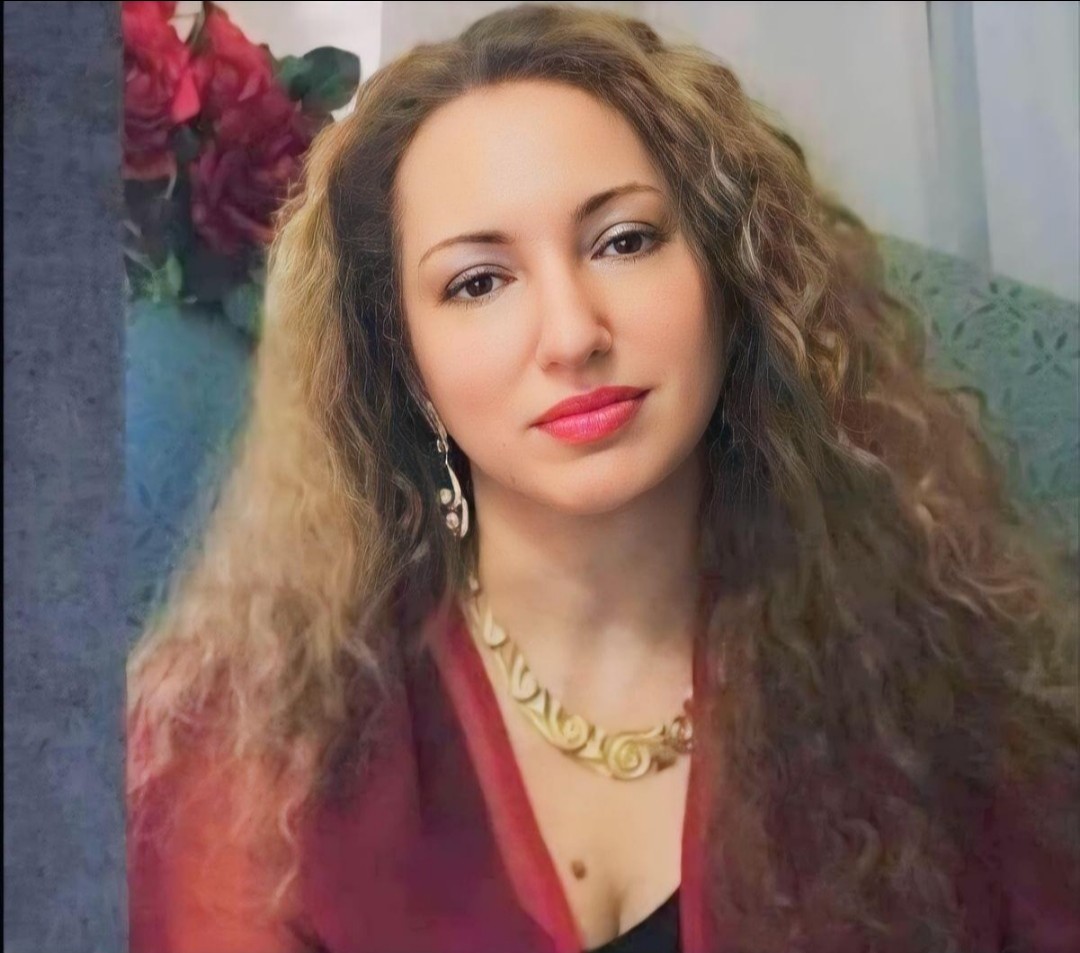
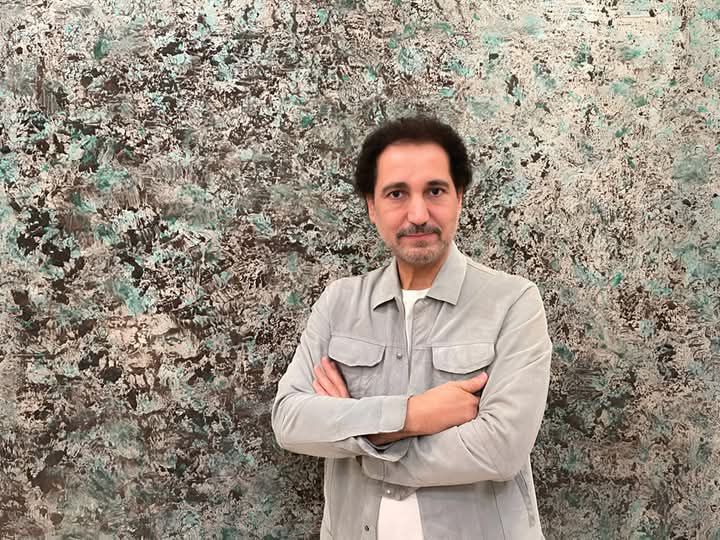
Foto cortesia di Varis Yolchuyev – illustre scrittore e giornalista azero, direttore del Fondo letterario dell’Azerbaigian, redattore capo del portale “Letteratura e arte” e segretario dell’Organizzazione mondiale degli scrittori (WOW).
OGGI LA MAGIA DELLA PAROLA È PIÙ RILEVANTE
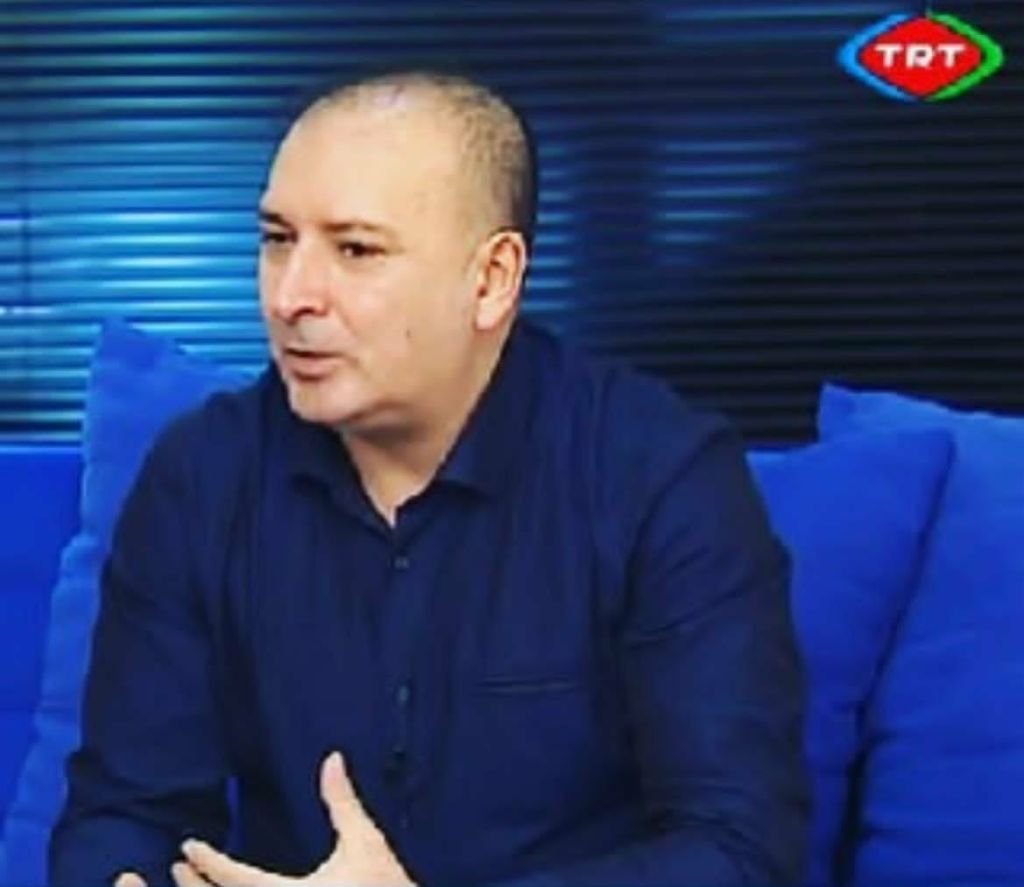
L’ospite di oggi è Varis Yolchuyev – illustre scrittore e giornalista azero, direttore del Fondo letterario dell’Azerbaigian, redattore capo del portale “Letteratura e arte” e segretario dell’Organizzazione mondiale degli scrittori (WOW). Detiene il titolo di Giornalista Onorato dell’Azerbaigian e ha ricevuto numerose distinzioni internazionali. Tra i suoi riconoscimenti più importanti ci sono il Diploma Atanas Venshev dell’Ucraina (2024), la Medaglia Adam Mickiewicz dell’UNESCO (2019) e il titolo di Vincitore d’Oro del 3° Festival dei Festival LiFFT tenutosi sotto gli auspici delle Nazioni Unite (2018). È stato anche nominato “Persona letteraria dell’anno” da istituzioni culturali in Azerbaigian, Gran Bretagna e Russia. Con una carriera che unisce tradizioni nazionali e correnti letterarie globali, Yolchuyev si è affermato come una delle voci più importanti e influenti della letteratura azera contemporanea e mondiale.
— In quale momento della tua memoria è nata la penna tra le tue mani?
Durante l’infanzia, furono la preghiera di tua madre, i racconti popolari che ascoltavi o il sussurro di un’ombra silenziosa a chiamarti per la prima volta a diventare uno scrittore?
—Mio padre, Musa Yolchu, era un noto studioso di letteratura del suo tempo. Nella casa in cui sono nato c’era una vasta biblioteca e gli scrittori e poeti più importanti dell’epoca erano ospiti frequenti. Infinite conversazioni sulla letteratura riempivano la nostra casa. Essendo cresciuto tra tremila libri, è stato naturale che l’amore per la letteratura prendesse gradualmente piede in me.
E lasciatemi aggiungere questo: in Azerbaigian c’è un detto che dice: “Alla radice cresce l’erba” La mia patria ancestrale si trova nella regione occidentale dell’Azerbaigian, nel distretto di Qazakh —in particolare, nel villaggio di Yukhari Salahlı. È un piccolo villaggio, ma da questo piccolo luogo sono emerse tre grandi luci della poesia azera:
il poeta classico Molla Panah Vagif, il poeta dell’era sovietica Samad Vurghun e la voce moderna Vagif Samadoglu. Forse è stato questo terreno ancestrale —Yukhari Salahlı— a chiamarmi davvero a diventare uno scrittore.
—Non sei solo uno scrittore ma anche un organizzatore, un leader e una guida nel processo letterario. Come conciliare la guida del Fondo letterario preservando allo stesso tempo lo spirito di uno scrittore?
—Ad essere onesti, la scrittura e la burocrazia sono mondi a parte. Ogni documento, ogni direttiva, ogni evento preparato è, in un certo senso, un racconto, un romanzo o una poesia che non ha mai avuto la possibilità di essere scritta. Ciò che però mi consola è che anche questo è un servizio alla letteratura. Se aiutiamo un giovane scrittore a pubblicare il suo primo libro, se presentiamo un autore di talento sulla scena mondiale, allora questo è il nostro modo di servire la grande causa della letteratura.
—Il tuo lavoro creativo è andato oltre la cerchia letteraria dell’Azerbaigian e ha trovato riconoscimento a livello internazionale. Per te, come si incontrano in equilibrio poetico i concetti di “spirito nazionale” e “missione globale”?
—Il mondo sta cambiando; le nuove tecnologie dell’informazione e della comunicazione stanno rimodellando l’umanità e il fenomeno dell’intelligenza artificiale sta ribaltando tutte le regole stabilite. Nel terzo millennio si sta formando un “essere umano digitale” i cui tratti nazionali e culturali potrebbero passare in secondo piano. Nei miei romanzi, quindi, ho fissato obiettivi e missioni non nazionali ma globali, riflettendo le tendenze della nostra epoca. Eppure coloro che svolgono queste missioni sono sempre persone radicate nello spirito nazionale.
Credo che l’idea di sopprimere le culture nazionali per creare un’unica cultura mondiale sia fondamentalmente errata. Se la cultura è un albero, allora ogni cultura nazionale è un ramo o un ramo di quel grande albero.
— Ogni grande scrittore è spiritualmente figlio di certi predecessori. Chi sono gli autori che hanno dato vita alla tua anima creativa?
—Il mio vero mentore in letteratura è stato l’illustre scrittore azero Ismayil Shikhli, il cui romanzo Dəli Kür gli è valso un posto nelle pagine d’oro della letteratura sovietica. I miei due autori preferiti, tuttavia, sono Haruki Murakami e Orhan Pamuk.
Ma vorrei sottolineare un’altra cosa: mi sono avvicinato alla letteratura in modo diverso,costruendo una sintesi tra prosa artistica, giornalismo e scrittura pubblicistica. Credevo che per catturare il lettore del XXI secolo —qualcuno incollato a Internet— dovessimo offrire narrativa ricca di informazioni e fatti, ma allo stesso tempo stimolante ed emotivamente toccante. Più tardi, nel 2016, quando ho frequentato il corso “Le regole d’oro per scrivere un bestseller” a New York, mi sono reso conto che ciò che avevo immaginato era, in effetti, l’essenza stessa di come creare un vero bestseller per il nuovo millennio.
— Guidare le organizzazioni letterarie non è solo una posizione, ma anche un peso morale. Come si trasporta questo peso?
— Trasportare un peso del genere non è mai facile. Qualunque sia l’iniziativa che prendi, inevitabilmente non tutti possono essere inclusi. Non importa quanto oggettive siano le tue scelte, coloro che non vengono selezionati, coloro che non vincono, ti rivolgeranno le loro critiche. E quando la mentalità soggettiva di uno scrittore diventa: “Sono superiore a tutti,” “Merito tutto,”—è allora che inizia la tragedia per la letteratura stessa.
Eppure è in un ambiente così difficile che continuiamo a costruire e creare.
— Negli ultimi tempi, alcuni scrittori, soprattutto sui social media, tendono a confondere le critiche con gli atteggiamenti personali. Secondo lei, quando la letteratura smetterà di essere una questione di gusti e si trasformerà in un’arma di conflitto?
— I social media hanno molte qualità positive, ma il loro più grande svantaggio è che hanno consegnato a tutti un’arma d’attacco. Con quest’arma, gli ignoranti possono tenere conferenze sulla conoscenza, gli immorali possono parlare di moralità e il codardo può mostrare falso coraggio. Di conseguenza, si perdono equilibrio ed equità.
Emerge una classe di pseudocritici: dichiarano “grande scrittore” anche lo scribacchino più debole della loro cerchia, abbattendo allo stesso tempo l’autore più popolare e letto.
La letteratura è davvero una questione di gusti, ma non dovrebbe servire solo ai raffinati. Di tanto in tanto, deve raggiungere anche coloro che hanno un gusto non raffinato, plasmando ed elevando la loro sensibilità.
— Hai ricevuto premi da molti Paesi e organizzazioni. Tuttavia, per mantenere la stessa reputazione in aree geografiche così diverse è necessario non solo talento, ma anche un grande “linguaggio dell’umanità” Come hai imparato a parlare questa lingua universale?
— Ho letto molto. Ma credo che leggere solo opere di narrativa provenienti da paesi diversi non sia sufficiente. Bisogna anche essere esperti nel guidare la critica letteraria straniera e tenere traccia dei processi della letteratura mondiale. Questo, secondo me, è il vero linguaggio della letteratura.
Quando padroneggi questo, puoi riconoscere non solo quali generi sono richiesti ma anche quali temi risuonano. E, altrettanto importante, è il messaggio che trasmetti. Attualmente, una tendenza pericolosa domina la letteratura e l’arte mondiale: la glorificazione del trionfo del Male sul Bene. Si tratta di un duro colpo per l’umanità, anche se perseguito da artisti che cercano semplicemente di far sembrare entusiasmante il loro lavoro. In tutte le mie opere prevale il Bene. I miei scritti invitano le persone non alla disperazione, ma alla speranza; non all’incredulità, ma alla fede.
— Molti scrittori portano con sé una dualità nascosta: scrivere o cambiare. Cosa desidera cambiare la tua penna – l’individuo, la società o te stesso?
— Mi sforzo davvero di scrivere opere al servizio dell’umanità. Ed è incoraggiante che non solo gli azeri ma anche gli stranieri ne siano toccati e trasformati.
Ad esempio, dopo aver letto il mio romanzo A Handful of Soil sulla guerra del Karabakh, un giovane di nome Mubariz Ibrahimov dichiarò il suo desiderio di assomigliare al suo eroe, e in seguito mostrò un tale coraggio al fronte che divenne un eroe nazionale dell’Azerbaigian.
Decine di giovani turchi, dopo aver letto Il settantasettesimo giorno, si sono ispirati al suo eroe e sono andati a salutare l’alba nella baia per 77 giorni consecutivi.
Una ragazza uzbeka di Samarcanda, spinta alla disperazione dalla crudeltà del patrigno, una volta salì sul tetto con l’intenzione di impiccarsi. A terra notò frammenti del giornale Darakchi, dove veniva serializzato il mio romanzo Hope Is the Last to Die. Lo lesse, rimandò il suicidio, cercò le prime parti in biblioteca e attese con ansia i numeri successivi. Mentre leggeva, si identificava con l’eroina Naile, che non si piegò mai all’ingiustizia ma lottò contro di essa. Abbandonando i suoi pensieri suicidi, si costruì una carriera di successo – la sua vera vendetta contro il patrigno.
Ci sono molti esempi di questo tipo.
— Sia nella tua vita che nel tuo percorso letterario, c’è un libro o una persona che ti ha influenzato più profondamente, di cui senti ancora oggi la presenza?
— La persona che mi ha maggiormente influenzato è mio padre. Da lui ho potuto constatare lealtà e devozione verso l’arte da lui scelta. Mio padre respirava letteratura e non la tradiva mai.
Ci sono stati momenti nella mia vita in cui sono stato tentato di abbandonare la letteratura – di entrare nel mondo delle grandi imprese, di lasciare la patria e di costruirmi una vita agiata all’estero. Ma in quei momenti mio padre mi stava davanti agli occhi e il suo esempio mi riportava sempre indietro.
— È risaputo che scrivere richiede sia ispirazione che impegno. Cosa fai quando l’ispirazione ti abbandona?
— Onestamente, se editori di diversi paesi pubblicano i tuoi libri, se decine di migliaia di lettori attendono il tuo prossimo romanzo e, per di più, il tuo stesso stato ti incarica di scrivere su un tema storico che ritiene prioritario – allora l’ispirazione semplicemente non può abbandonarti. Scrivere è una missione e, su migliaia, solo una persona è incaricata di portarla avanti.
E se quella missione è tua, allora devi sopportarla.
— C’è mai stato qualcosa di cui non volevi scrivere, eppure sei stato costretto a farlo?
—Ci sono infatti alcuni argomenti su cui si desidera tacere—argomenti considerati vergognosi, banali o indegni della letteratura. Insomma, questioni che non si considerano come tema proprio. Eppure, col tempo, le conseguenze di questi problemi diventano così evidenti che ti senti obbligato a scriverne. A volte la domanda sociale è molto più forte della volontà personale.
— Secondo te, cosa è più potente—la magia delle parole o la filosofia del silenzio?
— Credo che la filosofia del silenzio fosse un’arma più adatta ai tempi passati, quando le persone parlavano meno e aderivano all’etichetta di ascoltare gli altri. Oggi, però, il silenzio ha perso gran parte della sua rilevanza. Nella nostra epoca, la magia delle parole ha un peso molto maggiore. Al giorno d’oggi tutti parlano—, capaci o incapaci che siano. Nel mercato delle parole, la cacofonia di grida, slogan e rumore amplificato ha raggiunto il suo apice. In mezzo a questo caos, le tue parole devono essere profonde, significative, mistiche, incantevoli —in una parola, irresistibili— per catturare l’attenzione.
Che ci piaccia o no, l’umanità è entrata in un’era di comunicazione completamente nuova.
In quest’epoca bisogna imparare a parlare a ogni individuo nella propria lingua.
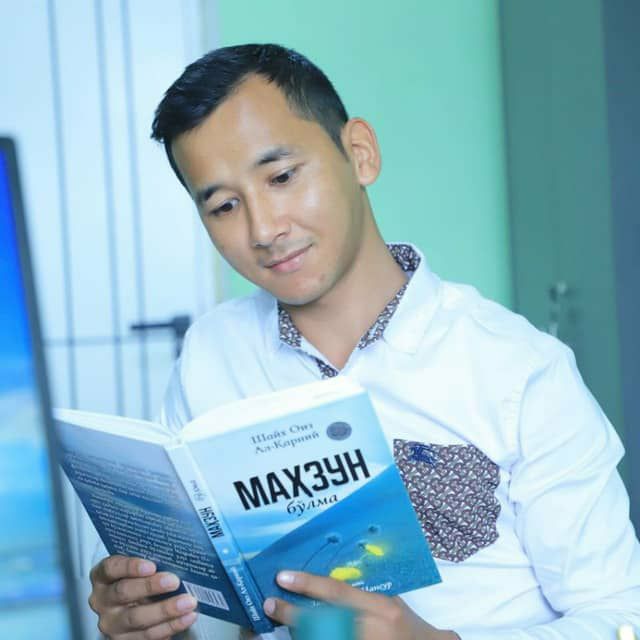
Jakhongir NOMOZOV è un giovane poeta e giornalista uzbeko.
È anche membro dell’Unione dei giornalisti dell’Azerbaigian e dell’Unione mondiale dei giovani scrittori turchi.
TODAY, THE MAGIC OF THE WORD IS MORE RELEVANT
Today’s guest is Varis Yolchuyev – a distinguished Azerbaijani writer and journalist, Director of the Azerbaijan Literature Fund, Editor-in-Chief of the “Literature and Art” portal, and Secretary of the World Organization of Writers (WOW). He holds the title of Honored Journalist of Azerbaijan and is the recipient of numerous international distinctions. Among his most notable honors are the Atanas Venshev Diploma of Ukraine (2024), the UNESCO Adam Mickiewicz Medal (2019), and the Golden Laureate title of the 3rd LiFFT Festival of Festivals held under the auspices of the United Nations (2018). He has also been named “Literary Person of the Year” by cultural institutions in Azerbaijan, Great Britain, and Russia. With a career that bridges national traditions and global literary currents, Yolchuyev has established himself as one of the most prominent and influential voices in contemporary Azerbaijani and world literature.
— At what point in your memories was the pen born in your hands?
In childhood, was it your mother’s prayer, the folk tales you heard, or the whisper of a silent shadow that first called you to become a writer?
—My father, Musa Yolchu, was a well-known literary scholar of his time. In the house where I was born, there was a vast library, and the most prominent writers and poets of the era were frequent guests. Endless conversations about literature filled our home. Growing up among three thousand books, it was only natural that a love of literature gradually took root in me.
And let me add this: there is a saying in Azerbaijan, “Grass grows at the root.” My ancestral homeland is in the western region of Azerbaijan, in the Qazakh district—specifically, the village of Yukhari Salahlı. It is a small village, but from this small place emerged three great lights of Azerbaijani poetry: the classic poet Molla Panah Vagif, the Soviet-era poet Samad Vurghun, and the modern voice Vagif Samadoglu. Perhaps it was this ancestral soil—Yukhari Salahlı—that truly called me to become a writer.
—You are not only a writer but also an organizer, a leader, and a guide in the literary process. How do you reconcile leading the Literary Fund while also preserving the spirit of a writer?
—To be honest, writing and bureaucracy are worlds apart. Every document, every directive, every event prepared is, in a sense, a story, a novel, or a poem that never had the chance to be written. Still, what consoles me is that this too is a service to literature. If we help a young writer publish their first book, if we present a talented author to the global stage, then that is our way of serving the great cause of literature.
—Your creative work has gone beyond Azerbaijan’s literary circle and found recognition internationally. For you, how do the concepts of “national spirit” and “global mission” meet in poetic balance?
—The world is changing; new information and communication technologies are reshaping humanity, and the phenomenon of artificial intelligence is overturning all established rules. In the third millennium, a “digital human” is being formed whose national and cultural traits may fade into the background. In my novels, therefore, I set not national but global goals and missions, reflecting the trends of our era.Yet those who carry out these missions are always people rooted in national spirit.
I believe that the idea of suppressing national cultures to create a single world culture is fundamentally flawed. If culture is a tree, then every national culture is a branch or bough of that great tree.
— Every great writer is spiritually the child of certain predecessors. Who are the authors that gave birth to your creative soul?
—My true mentor in literature was the distinguished Azerbaijani writer Ismayil Shikhli, whose novel Dəli Kür earned him a place in the golden pages of Soviet literature. My two favorite authors, however, are Haruki Murakami and Orhan Pamuk.
But let me note something else: I came to literature in a different mode, building a synthesis between artistic prose, journalism,and publicistic writing. I believed that to capture the reader of the 21st century—someone glued to the internet—we must offer fiction rich in information and fact, but at the same time thought-provoking and emotionally stirring. Later, in 2016, when I attended the course “The Golden Rules of Writing a Bestseller” in New York, I realized that what I had been imagining was, in fact, the very essence of how to create a true bestseller for the new millennium.
— Leading literary organizations is not just a position, but also a moral burden. How do you carry this weight?
— To carry such a weight is never easy. Whatever initiative you take, inevitably not everyone can be included. No matter how objective your choices are, those who are not selected, those who do not win, will aim their criticism at you. And when a writer’s subjective mindset becomes: “I am superior to everyone,” “I deserve everything,”—that is when tragedy begins for literature itself.
And yet, it is within such a challenging environment that we continue to build and create.
— In recent times, some writers, especially on social media, tend to confuse criticism with personal attitudes. In your view, when does literature stop being a matter of taste and turn into a weapon of conflict?
— Social media has many positive qualities, but its greatest drawback is that it has handed everyone a weapon of attack. With this weapon, the ignorant can lecture about knowledge, the immoral can speak of morality, and the coward can display false courage. As a result, balance and fairness are lost.
A class of pseudo-critics emerges: they declare even the weakest scribbler in their own circle a “great writer,” while at the same time tearing down the most popular and widely read author.
Literature is indeed a matter of taste, but it should not serve only the refined. From time to time, it must also reach out to those with unrefined taste, shaping and elevating their sensibilities.
— You have been honored with awards from many countries and organizations. Yet to hold the same reputation across such diverse geographies requires not only talent but also a great “language of humanity.” How did you learn to speak this universal language?
— I read extensively. But I believe that reading only works of fiction from different countries is not enough. One must also be well-versed in leading foreign literary criticism and keep track of the processes in world literature. That, I think, is the true language of literature.
When you master this, you can recognize not only what genres are required but also what themes resonate. And, equally important, is the message you convey. At present, a dangerous trend dominates global literature and art: the glorification of Evil’s triumph over Good. This is a profound blow to humanity, even when pursued by artists simply trying to make their work seem exciting. In all my works, Good prevails. My writings call people not to despair, but to hope; not to disbelief, but to faith.
— Many writers carry a hidden duality: to write or to change. What does your pen wish to change – the individual, society, or yourself?
— I truly strive to write works that serve humanity. And it is heartening that not only Azerbaijanis but also foreigners are touched and transformed by them.
For example, after reading my novel A Handful of Soil about the Karabakh war, a young man named Mubariz Ibrahimov declared his wish to resemble its hero, and later he displayed such courage at the front that he became a National Hero of Azerbaijan.
Dozens of Turkish youth, after reading The Seventy-Seventh Day, took inspiration from its hero and went to greet the sunrise at the bay for 77 days in a row.
An Uzbek girl in Samarkand, driven to despair by her stepfather’s cruelty, once climbed onto the roof intending to hang herself. On the ground, she noticed fragments of the newspaper Darakchi, where my novel Hope Is the Last to Die was being serialized. She read it, postponed her suicide, sought out the earlier parts in the library, and waited eagerly for the next issues. As she read, she identified with the heroine Naile, who never bowed to injustice but fought against it. Abandoning her suicidal thoughts, she built a successful career – her true revenge against her stepfather.
There are many such examples.
— In both your life and your literary path, is there a book or a person that has most profoundly influenced you, whose presence you still feel today?
— The person who has most influenced me is my father. From him, I witnessed loyalty and devotion to his chosen art. My father breathed literature and never betrayed it.
There were times in my life when I was tempted to abandon literature – to join the world of big business, to leave the homeland and build a comfortable life abroad. But in such moments, my father would stand before my eyes, and his example always brought me back.
— It is well known that writing requires both inspiration and effort. What do you do when inspiration leaves you?
— Honestly, if publishers in several countries are bringing out your books, if tens of thousands of readers are awaiting your next novel, and on top of that, your own state commissions you to write on a historical theme it deems a priority – then inspiration simply cannot abandon you. Writing is a mission, and out of thousands, only one person is entrusted with carrying it.
And if that mission is yours, then you must bear it.
— Has there ever been something you did not want to write about, yet were compelled to do so?
—There are indeed certain topics one wishes to remain silent about—subjects considered shameful, trivial, or unworthy of literature. In short, matters one does not regard as one’s own theme. Yet, over time, the consequences of these issues become so glaringly apparent that you feel obliged to write about them. Sometimes, social demand is far stronger than personal will.
— In your view, which is more powerful—the magic of words or the philosophy of silence?
— I believe the philosophy of silence was a weapon more fitting for earlier times, when people spoke less and adhered to the etiquette of listening to others. Today, however, silence has lost much of its relevance. In our era, the magic of words carries far greater weight. Nowadays, everyone speaks—whether capable or incapable. In the marketplace of words, the cacophony of shouts, slogans, and amplified noise has reached its peak. Amidst such chaos, your words must be profound, meaningful, mystical, enchanting—in a word, irresistible—in order to command attention.
Whether we like it or not, humanity has stepped into an entirely new era of communication.
In this era, one must learn to speak to every individual in their own language.
Jakhongir NOMOZOV, is a young poet and journalist from Uzbekistan.
He is also a Member of the Union of Journalists of Azerbaijan and the World Young Turkic Writers Union.
Leggi anche 👇https://alessandria.today/2025/09/02/il-giornalista-jahongir-mirzo-intervista-varis-yolchuyev-illustre-scrittore-e-giornalista-azero-direttore-del-fondo-letterario-dellazerbaigian-redattore-capo-del-portale-lettera/














 Magiche Emozioni dell'Anima