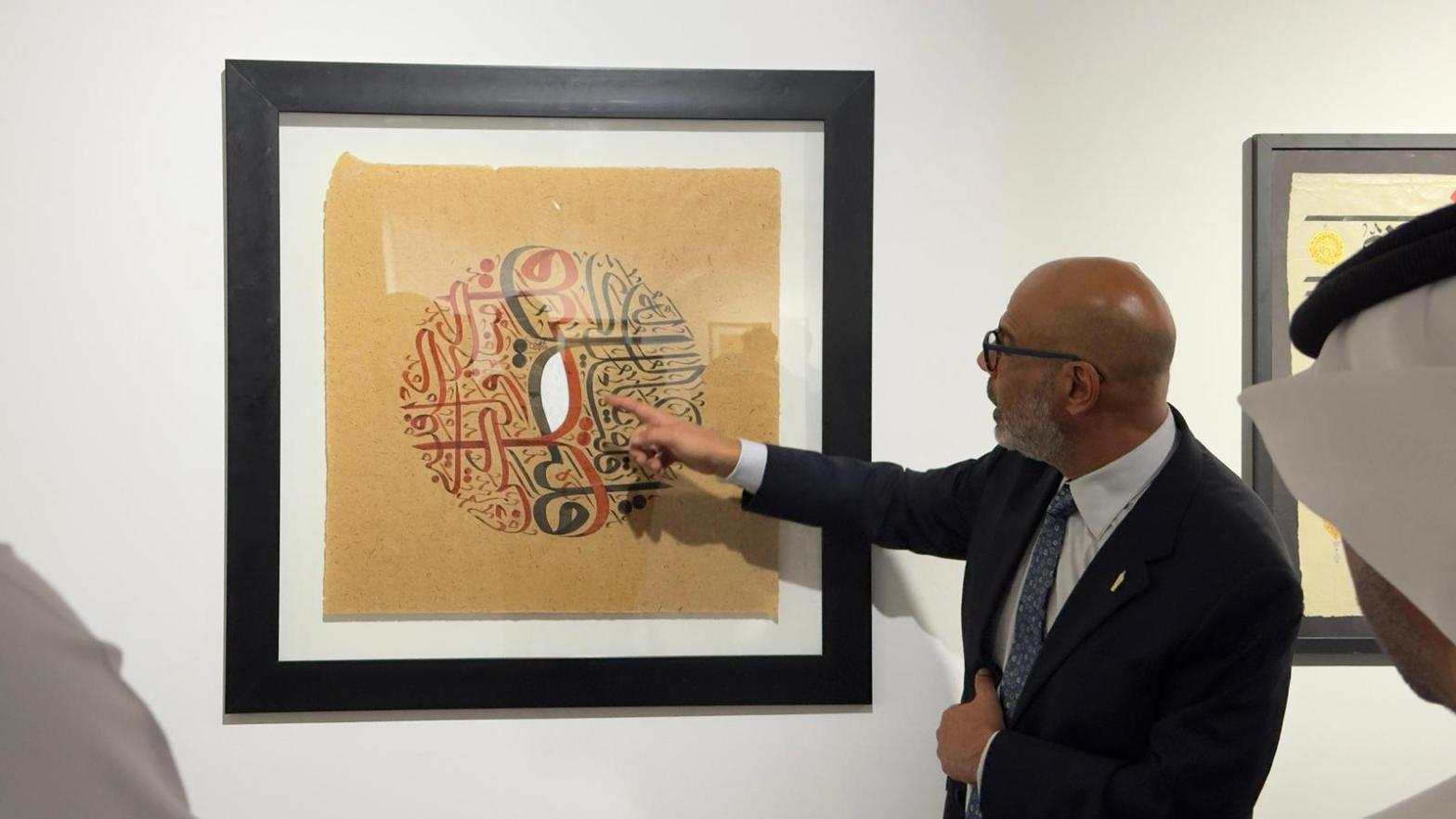
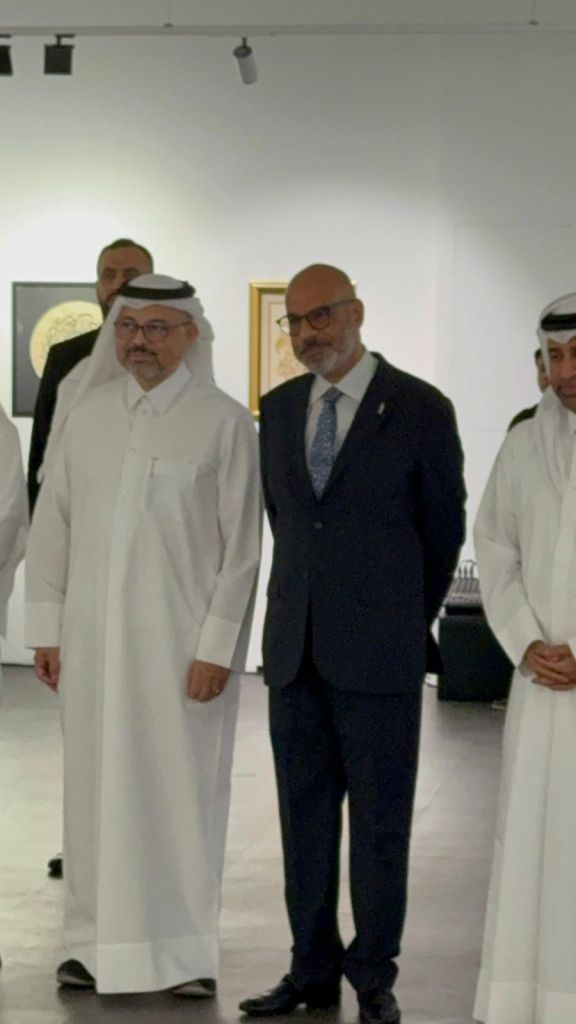
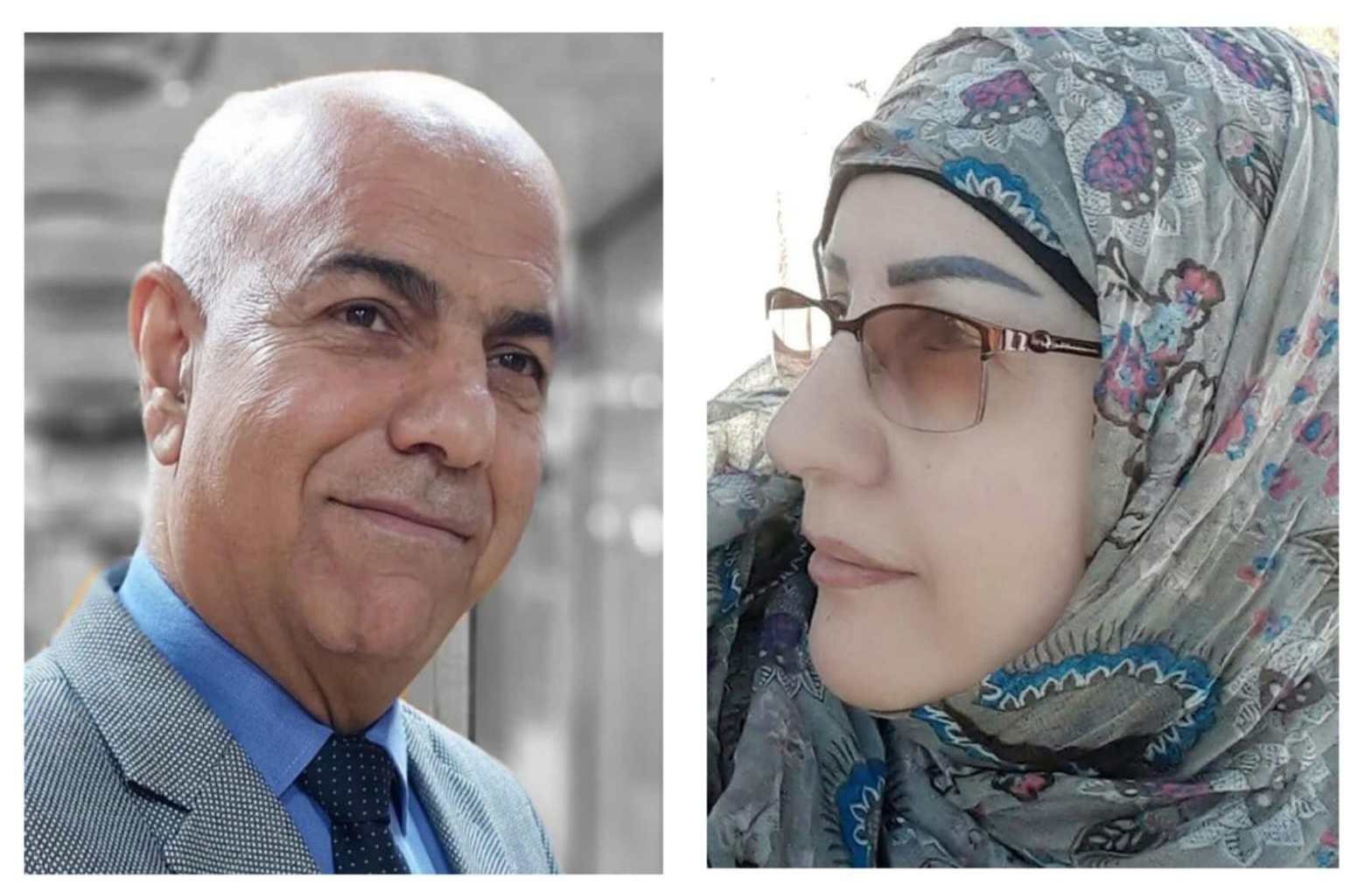
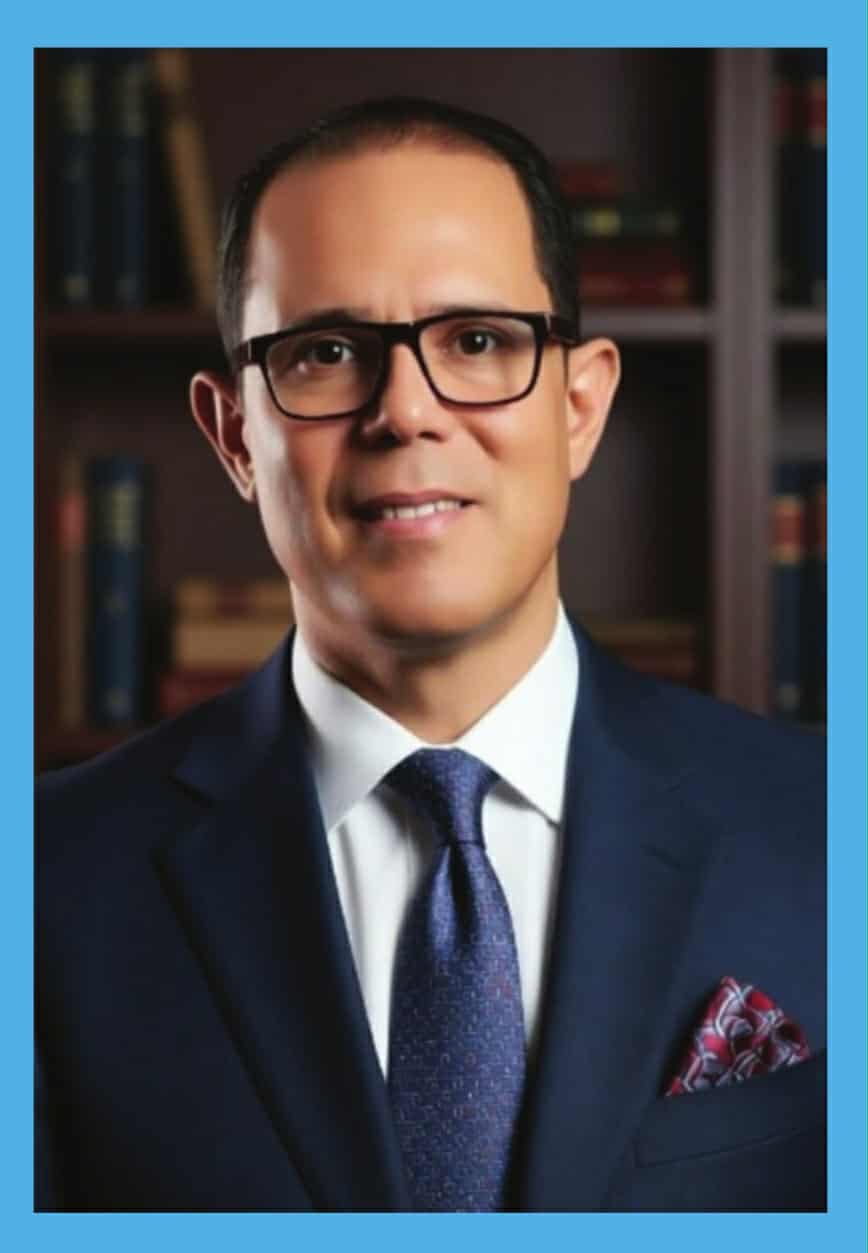
Foto cortesia dell’ architetto artista plastico Taha Al-Hayti:
Dialogo con l’architetto Taha Al-Hayti:
“Uscire dal testo”…
Riflessioni sull’ingegneria della lettera araba islamica
e sulla filosofia del design dell’architettura contemporanea
—
Intervistato da:
Donia Ali Sahib – Iraq
L’architetto e artista plastico Taha Al-Hayti è considerato una figura influente nel campo dell’architettura islamica e dell’arte contemporanea, distinguendosi come uno dei rinnovatore che hanno reintrodotto la calligrafia araba negli spazi architettonici moderni, traendo ispirazione dalle radici della civiltà irachena. Dalla memoria dell’arte mesopotamica e dei suoi reperti archeologici è partita la sua visione artistica, caratterizzata da bellezza e precisione, che unisce la scrittura del testo arabo islamico allo spirito del design architettonico, creando una forma artistica integrata che trasforma la lettera in una figura viva interagente con lo spazio e il luogo, conferendo all’edificio un’identità architettonica che combina autenticità e innovazione contemporanea.
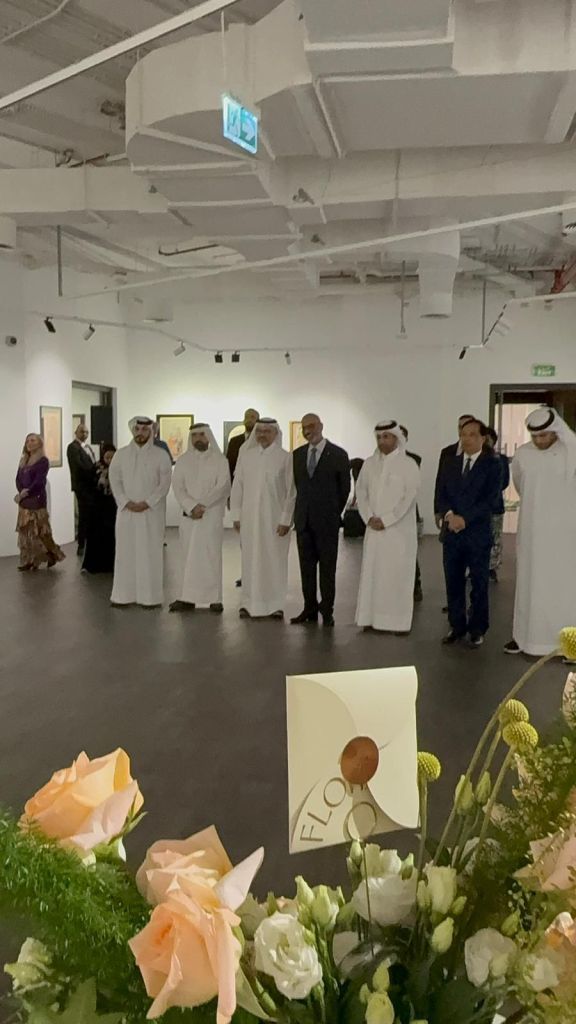
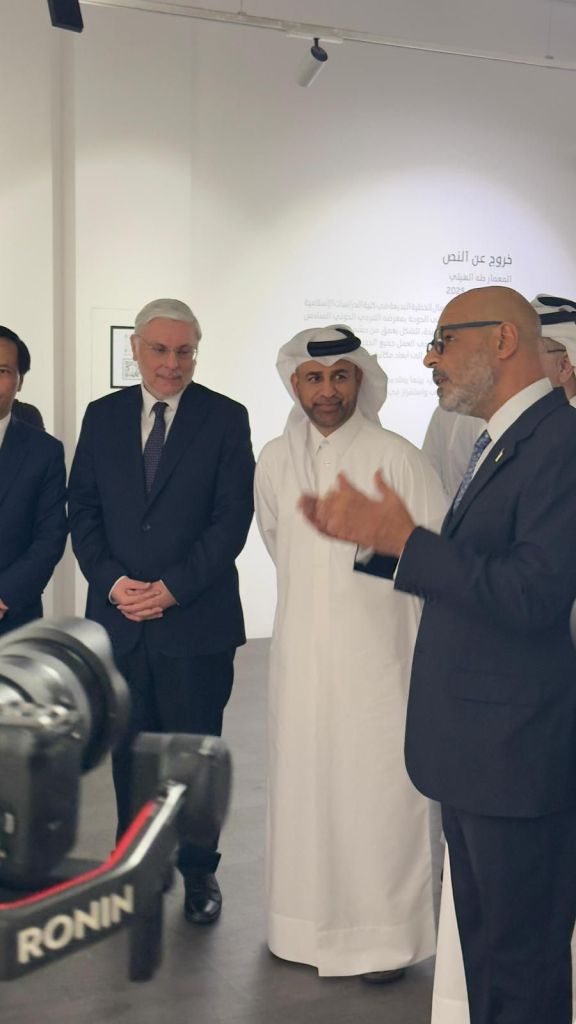
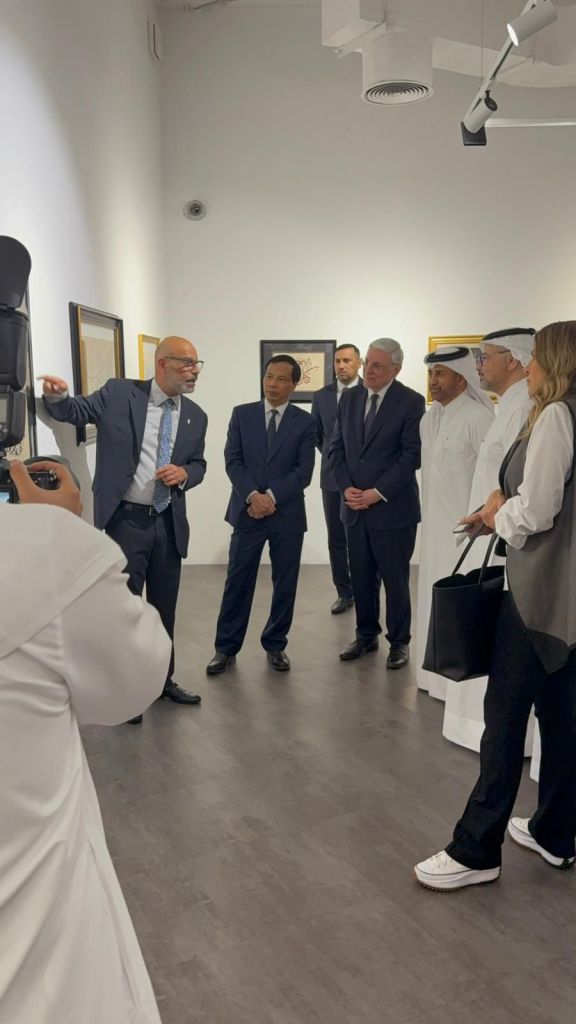
Mettiamo inoltre in luce la sua nuova mostra, “Uscire dal testo”, che rappresenta un’esperienza artistica e un invito intellettuale a decostruire la linearità e ad aprirsi all’innovazione di design contemporanei dal respiro umano, presentati con un linguaggio visivo rinnovato che collega forma e contenuto, tradizione e modernità, per affermare che arte plastica e architettura costituiscono un’esperienza intellettuale e creativa che riflette la percezione umana del mondo circostante.
In questo dialogo, ci avviciniamo alla sua filosofia artistica e architettonica, alle tecniche che utilizza, e alla sua visione del futuro dell’architettura araba islamica nell’epoca della sostenibilità e della tecnologia, per scoprire come Al-Hayti sia riuscito a trasformare la lettera araba in un ritmo visivo leggibile e a rendere l’architettura un sistema interpretativo ispiratore.
—
Diamo il benvenuto a lei, professore Taha Al-Hayti, in questo incontro. Siamo felici di conoscere più da vicino la sua personalità e il suo eccezionale linguaggio artistico, architettonico e calligrafico, che esprime le dimensioni spirituali e creative della calligrafia araba islamica.
• Può presentarci la sua identità personale e culturale che ha contribuito a formare il suo metodo distintivo nella scena artistica e architettonica mondiale?
• Come si dice, il poeta è figlio del suo ambiente. Sono nato nella terra della Mesopotamia, il cui patrimonio scorre come vene nel mio animo. Ho iniziato il mio percorso nella calligrafia sotto la guida del compianto Abbas Al-Baghdadi, poi i miei studi si sono estesi agli spazi dell’architettura presso le Università di Baghdad e Vienna, dove ho imparato a leggere lo spazio come valore per costruire il movimento nel vuoto. Da questo incontro è nata l’idea di ponti che collegano una linea bidimensionale a un’ingegneria tridimensionale, per elaborare lettere che si trasformano in minareti, come nei minareti della Moschea della Qatar Foundation.
• Il titolo della sua mostra “Uscire dal testo” porta con sé significati profondi. Che cosa rappresenta per lei?
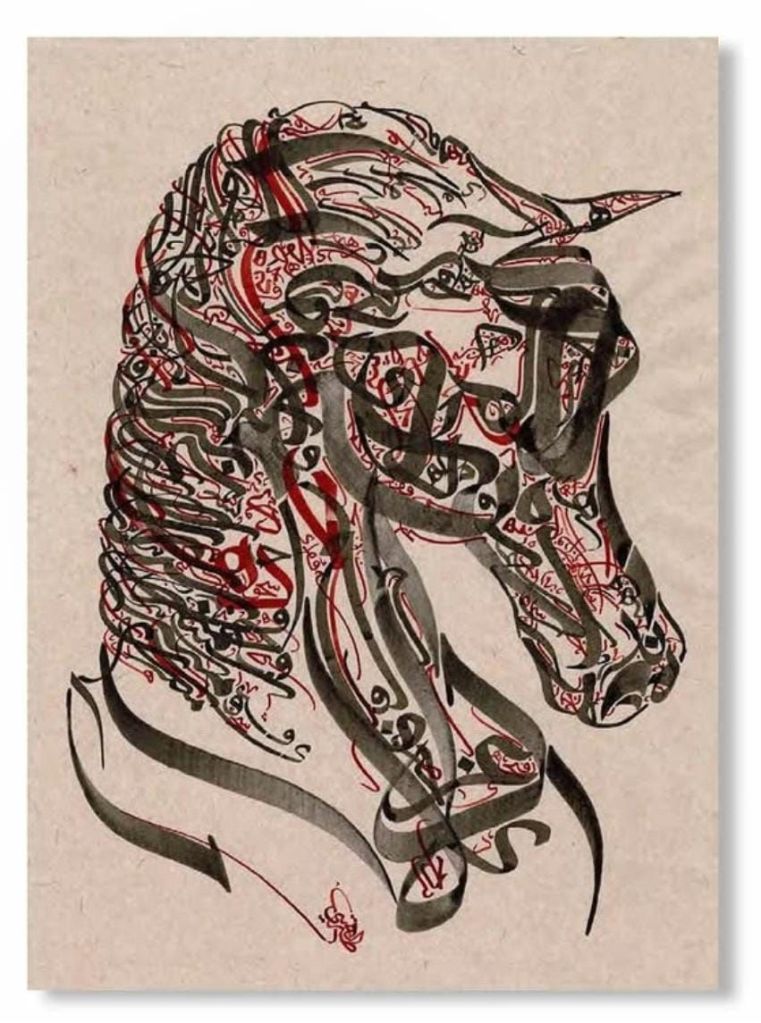
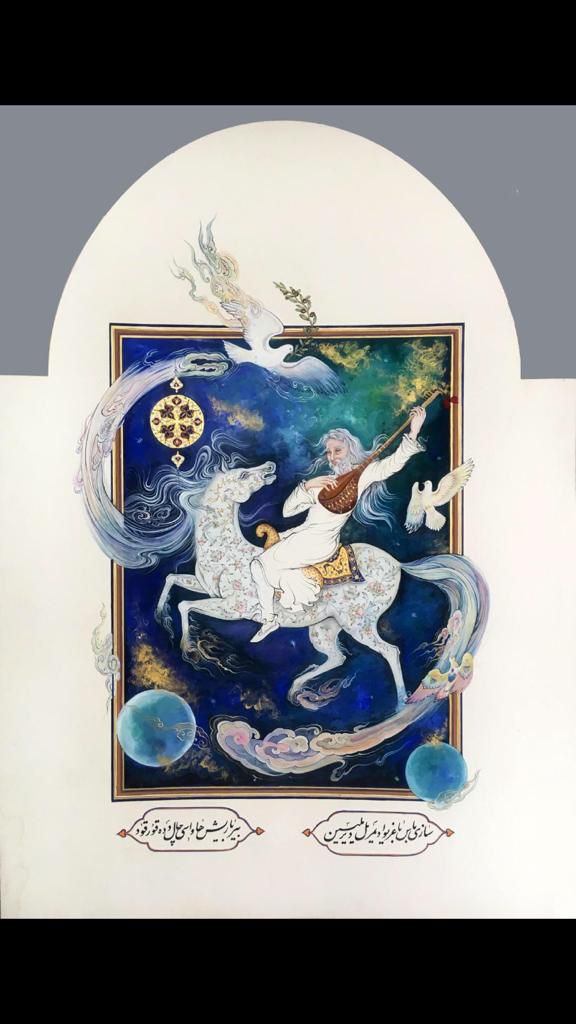
• La calligrafia araba, nonostante la sua autenticità, è diventata prigioniera di tradizioni che hanno prodotto una certa linearità nei testi e nelle composizioni. Il titolo “Uscire dal testo” non è uno slogan, ma un progetto conoscitivo che libera la calligrafia dai suoi schemi, permettendo la nascita di testi contemporanei, umani e filosofici, ridefinendo il rapporto tra contenuto e forma. Alcuni manoscritti rinunciano completamente alle parole, trasformando simboli e spazi in “dipinti silenziosi” che superano la barriera delle lingue, come nel manoscritto Ras Al-Faras. Qui, le conoscenze si fecondano reciprocamente, alimentando la consapevolezza dello spettatore e arricchendo il dialogo tra civiltà.
• Può chiarirci la sua visione riguardo alla scelta dei testi e quali scuole calligrafiche utilizza nelle sue opere e nel loro dialogo fluido con il design architettonico?
• Lontano dalla mera riproduzione tradizionale, scelgo testi coranici e massime poetiche e letterarie che esplorano situazioni della nostra realtà quotidiana. Mi baso principalmente su tre scuole: thuluth, diwani e ijaza, poiché offrono una flessibilità strutturale ed estetica che consente di ottenere un’armonia visiva unica tra testo e calligrafia, arricchendo gli spazi architettonici con un’esperienza che va oltre la forma fino alla profondità del significato e della simbologia.
• La mostra celebra il patrimonio della calligrafia araba islamica, presentando opere che si aprono a prospettive filosofiche nella decorazione e nella scrittura. Come ha raggiunto questo equilibrio tra tradizione araba islamica e spirito della modernità?
• Questa domanda incarna l’essenza della mostra “Uscire dal testo”. Sono stati presentati versetti coranici e testi umani e filosofici attraverso metodologie compositive basate sulla sovrapposizione, la riflessione, il ribaltamento e l’estensione, per costruire un ponte creativo tra contenuto concettuale e forma estetica in una composizione visiva contemporanea.
• Attraverso la lente dell’arte contemporanea, vediamo che ha superato i confini tradizionali dell’architettura e della calligrafia. Quali tecniche moderne e concetti ingegneristici ha adottato per realizzare queste opere?
• L’arte cerca sempre di superare la routine e la consuetudine. Da questo principio, gli spazi volumetrici tridimensionali sono stati convertiti in superfici lineari bidimensionali per disegnare i manoscritti, per poi essere nuovamente restituiti al tridimensionale attraverso software specializzati e computer avanzati che controllano tecniche digitali come il taglio laser, rendendo la tecnologia uno strumento nelle mani dell’artista per realizzare visioni creative in modi contemporanei prima impensabili.
• Considera l’architettura come un testo aperto all’interpretazione, proprio come la letteratura, la filosofia e le arti plastiche?
• Sì, l’architettura è caratterizzata da molteplici significati e capacità interpretative, portando simboli e valori diversi a seconda del contesto e della funzione. Ad esempio, il minareto spirale di Samarra incarna una profonda simbologia, mentre l’Università Mustansiriya si concentra sull’utilità pratica. È simile alla calligrafia araba, che può rappresentare un simbolo estetico o un testo dal significato preciso.
• Qual è la sua visione del futuro dell’architettura araba islamica nell’era tecnologica e delle esigenze della sostenibilità?
• Immagino il futuro dell’architettura araba islamica in un modello rinnovato, con edifici ispirati al patrimonio antico in una forma contemporanea. Le lettere arabe danzano sulle facciate, coronano i tetti e si insinuano nelle mashrabiyyat, accompagnate da manoscritti di versetti coranici, incisioni e decorazioni, conferendo agli edifici un’identità visiva contemporanea inconfondibile, integrata con l’uso intelligente delle tecnologie per soluzioni sostenibili.
• Crede che l’urbanistica possa influenzare la formazione della personalità umana e l’identità sociale?
• Certamente, l’urbanistica gioca un ruolo cruciale nella formazione della personalità individuale e dell’identità collettiva. Attraverso design che rafforzano l’identità culturale, incoraggiano l’interazione sociale e forniscono un’infrastruttura adeguata, si migliora il contesto urbano, influenzando positivamente la dimensione psicologica e comportamentale dell’individuo e rafforzando il senso di appartenenza.
• In quale direzione si muovono i suoi progetti futuri, sfidando i confini del tempo e dello spazio con le sue innovazioni artistiche e architettoniche?
• La progettazione si adatta e si sviluppa in base alle variabili contestuali e funzionali. L’evoluzione dei progetti deriva naturalmente dalla costante aspirazione umana all’innovazione e all’integrazione.
• Se dovesse progettare un edificio, quali principi adotterebbe per garantirne sostenibilità, bellezza e funzionalità?
• I principi possono essere riassunti in tre punti:
1. Utilizzo di materiali locali ed ecologici, design a risparmio energetico, sfruttamento delle risorse naturali come la raccolta dell’acqua piovana e la ventilazione naturale, e miglioramento dell’efficienza idrica.
2. Design architettonico che beneficia della luce naturale, esprime l’identità culturale attraverso elementi decorativi e calligrafici ispirati al patrimonio, e raggiunge un’armonia visiva.
3. Arricchimento del design con componenti come il cortile interno, che offre ambienti interni sani e confortevoli, garantendo flessibilità d’uso e risposta alle esigenze sociali in evoluzione.
• Qual è il messaggio che desidera trasmettere al pubblico attraverso le sue opere nella mostra “Uscire dal testo”?
• L’obiettivo della mostra “Uscire dal testo” è un invito contemplativo rivolto al pubblico a superare le referenze convenzionali ed esplorare nuovi orizzonti creativi, stimolando un dialogo intellettuale costruttivo che ridefinisce il rapporto tra valori architettonici e calligrafici verso visioni future innovative.
حوار مع المعمار طه الهيتي:
“الخروج عن النص”…
تأملات في هندسة الحرف العربي الإسلامي وفلسفة تصميم العمارة المعاصرة
________________
حاورته :
دنيا علي صاحب – العراق
يُعدّ المعمار والفنان التشكيلي طه الهيتي قامة مؤثرة في مجال العمارة الإسلامية والفن التشكيلي المعاصر، حيث يبرز كأحد المجدّدين الذين أعادوا استحداث الخط العربي ضمن الفراغات المعمارية الحديثة، مستلهمًا جذوره من حضارة العراق . فمن ذاكرة الفن الرافديني وآثاره، انطلقت رؤيته التشكيلية متميزة بالجمال والدقة، في تأليف خط النص العربي الإسلامي وروح تصميم البناء المعماري، لتخلق تصميمًا فنيًا متكاملًا يحوّل الحرف إلى شكل حي يتفاعل مع الفراغ والمكان، ويمنح المبنى شخصية معمارية تجمع بين الأصالة والابتكار المعاصر.
ونسلّط الضوء على معرضه الجديد “الخروج عن النص”، الذي يمثل تجربة فنية ودعوة فكرية لتفكيك النمطية والانفتاح على ابتكار تصاميم معاصرة تحمل روحًا إنسانية، وتُقدّم بلغة بصرية متجددة تربط بين الشكل والمحتوى والموروث بالمعاصرة، لتؤكد أن الفن التشكيلي والعمارة هما تجربة فكرية وإبداعية تعكس مفهوم الإنسان للعالم من حوله.
وفي هذا الحوار، نقترب من فلسفته الفنية والمعمارية، ومن التقنيات التي يوظّفها، ومن رؤيته لاستشراف مستقبل العمارة العربية الإسلامية في زمن الاستدامة والتكنولوجيا، لنكتشف كيف استطاع الهيتي أن يحوّل الخط العربي إلى إيقاع بصري مقروء، ويجعل من العمارة نسقًا تأويليًا قابلاً للإلهام.
_________________
نرحّب بك أستاذ طه الهيتي في هذا اللقاء، ويسعدنا أن نتعرّف أكثر على شخصيتك وفنك الهندسي التشكيلي والمعماري الاستثنائي، الذي يعبر عن الأبعاد الروحية والإبداعية في الخط العربي الإسلامي.
• هل يمكن أن تعرّفنا بهويتك الشخصية والثقافية التي شكلت منهجيتك المميزة في المشهد الفني والمعماري العالمي؟
• كما يقال ان الشاعر ابن بيئته ، ولدت في أرض الرافدين وتراثها يجري كعروقٍ في وجداني. بدأت رحلة الخط على يد المرحوم عباس البغدادي، ثم امتدت دراستي إلى فضاءات العمارة في جامعتي بغداد وفيينا، حيث تعلمت قراءة الحيز كقيمةٍ لبناء الحركة في الفراغ. من هذا التلاقي نشأت فكرة جسور تربط بين خطٍ ثنائي الأبعاد وهندسةٍ ثلاثية الأبعاد، لصياغة حروفٍ تتحول إلى مناراتٍ كما في منارات مسجد مؤسسة قطر.
• يحمل عنوان معرضك “الخروج عن النص” دلالات فكرية عميقة، فما الذي يمثله هذا العنوان بالنسبة لك؟
• الخط العربي رغم أصالته، أصبح أسير تقاليد أنتجت نمطية في النصوص والتراكيب. عنوان “الخروج عن النص” ليس لافتة بل هو مشروع معرفي يحرّر الخط من القوالب ليتيح مجالًا لنصوص معاصرة إنسانية وفلسفية، ويعيد تعريف علاقة المضمون بالشكل. بعض المخطوطات تتخلى كليًا عن الكلمات، فتتحول الرموز والفراغات إلى «لوحات صامتة» تكسر حاجز اللغات، كما في مخطوطة راس الفرس العربية. هنا، تتلاقح المعارف لتغذي وعي المتلقي وتثري الحوار بين مختلف الحضارات .
• هل يمكن أن توضح لنا رؤيتك حول اختيارك للنصوص، وما هي مدارس الخط العربي التي تستخدمها في أعمالك التشكيلية وتفاعلها الانسيابي مع التصميم المعماري؟
• بعيدًا عن الاستنساخ التقليدي، أختار نصوصًا قرآنية وحِكمًا شعرية وأدبية تستقصي مواقف من واقع تعاملاتنا اليومية. أعتمد بشكل أساسي على مدارس الخطوط الثلاثة: الثلث، الديواني، والإجازة، لما تتميز به من مرونة تشكيلية وجمالية تتيح تحقيق انسجام بصري فريد بين النص والخط، واثراء الفراغات المعمارية، لتقديم تجربة تتجاوز مجرد الشكل إلى عمق المعنى والرمزية.
• يحتفي المعرض بتراث الخط العربي الإسلامي، حيث قدّمت أعمالًا تشكيلية تنفتح على آفاق فلسفية في الزخرفة والخط. كيف حققت هذا التوازن الدقيق بين تأصيل الموروث العربي الإسلامي واستشراف روح الحداثة المعاصرة؟
• هذا السؤال يجسد جوهر معرض “الخروج عن النص”. تم تقديم آيات قرآنية ونصوص إنسانية وفلسفية بمنهجيات تركيبية تعتمد على التراكب، الانعكاس، القلب، والمد، لبناء جسر إبداعي يربط بين المضمون الفكري والشكل الجمالي في تأليف بصري معاصر.
• من خلال عدسة الفن المعاصر، نرى أنك أزحت الحدود التقليدية للعمارة والخط العربي. ما التقنيات الحديثة والمفاهيم الهندسية التي اعتمدتها لإنجاز هذه الأعمال الفنية المتنوعة في التصاميم؟
• الفن يسعى دائمًا لتجاوز النمط الاعتيادي المألوف. من هذا المنطلق، تم تحويل الفراغات الحجمية ثلاثية الأبعاد إلى مسطحات خطية ثنائية الأبعاد لتنفيذ ورسم المخطوطات، ثم إعادة تجسيدها فراغيًا إلى البعد الثلاثي باستخدام برمجيات متخصصة وحواسيب متطورة تتحكم بتقنيات التصنيع الرقمي كالقطع بالليزر. جاعلةً من التكنولوجيا أداة في يد الفنان لتحقيق رؤاه الإبداعية بطرق معاصرة لم تكن ممكنة من قبل.
• هل تتعامل مع العمارة باعتبارها نصًا مفتوحًا قابلاً للتأويل، كما هو الحال في الأدب والفلسفة والفن التشكيلي؟
• نعم ، العمارة تتسم بتعدد الدلالات وقابلية للتأويل، حيث تحمل معاني ورموزًا متنوعة وفقًا للسياق والغرض. مثلًا، تجسد ملوية سامراء الرمزية العميقة، بينما تركز الجامعة المستنصرية على الفائدة العملية. يُشبه هذا الحال الخط العربي، الذي يمكن أن يمثل رمزًا جماليًا أو نصًا ذا معنى محدد.
• ما رؤيتك لمستقبل العمارة العربية الإسلامية في ظل الثورة التكنولوجية ومتطلبات الاستدامة في تطور فن هندسة العمارة عالميًا؟
• أتخيل مستقبل العمارة العربية الإسلامية في نموذج معماري متجدد، بتصاميم مباني مستوحاة من التراث العريق بأسلوب معاصر. الخطوط العربية تتراقص على الواجهات، تعتلي الأسقف، وتتسلل إلى المشربيات، مصحوبة بمخطوطات لآيات قرآنية ونقوش وزخارف ونصوص، لتمنح المباني هوية بصرية معاصرة لا تخطئها عين، وتتكامل مع التوظيف الذكي للتقنيات لتحقيق حلول مستدامة.
• هل ترى أن هندسة عمارة المدن تؤثر في صقل شخصية الإنسان وهويته داخل المجتمع؟
• بالتأكيد، هندسة عمارة المدن تلعب دورًا حاسمًا في تشكيل الشخصية الفردية وهوية المجتمع. فمن خلال تنفيذ تصاميم تعزز الهوية الثقافية وتشجع التفاعل الاجتماعي وتوفر بنية تحتية ملائمة، يتم تحسين السياق الحضري الذي يؤثر إيجابًا على التشكيل النفسي والسلوكي للإنسان، وتعزيز شعوره بالانتماء.
• إلى أين تتجه مشاريعك المقبلة متحديًا بابتكاراتك الفنية التشكيلية والمعمارية حدود الزمان والمكان؟
• تصميم المشاريع يتكيف ويتطور وفقًا للمتغيرات السياقية والوظيفية. بناءً على الاحتياجات المتغيرة، وهذا نتيجة طبيعية لسعي الابتكار البشري الدائم نحو التكامل.
• إذا صممت مشروعًا معماريًا، ما الأسس التي ستضعها لضمان استدامته وجماله ووظيفته؟
• يمكن تلخيص مبادئ تصميم مشروع معماري مستدام وجميل وعملي في ثلاث نقاط:
1. الاعتماد على مواد صديقة للبيئة ومحلية، تصميم موفر للطاقة، استغلال الموارد الطبيعية كجمع مياه الأمطار وتحفيز التهوية الطبيعية، وتحسين كفاءة استهلاك المياه.
2. تصميم معماري يستفيد من الضوء الطبيعي، يعبر عن الهوية الثقافية من خلال عناصر زخرفية وخطية مستوحاة من التراث، ويحقق تناغمًا بصريًا.
3. تعزيز التصميم بمكونات إضافية مثل الفناء الداخلي لتوفير بيئات داخلية صحية ومريحة، وتحقيق مرونة الاستخدام والاستجابة للاحتياجات المتغيرة للمجتمع.
• ما الرسالة التي تسعى إلى إيصالها للجمهور من خلال تصاميمك وأعمالك الفنية في معرض “الخروج عن النص”؟
• الهدف من معرض “الخروج عن النص” هو دعوة تأملية للجمهور لتجاوز المرجعيات النمطية، واستكشاف آفاق إبداعية جديدة تحفز حوارًا فكريًا بناءً يعيد تعريف العلاقة بين القيم المعمارية والخطية لرؤى مستقبلية مبتكرة.

 Magiche Emozioni dell'Anima