Zebiniso Meiliyeva presenta Nodira Jo’rayeva

Foto cortesia di Nodira Jo’rayeva

Nodira Jo’rayeva è la figlia di Maksud.
È nato il 15 marzo 2002 nel distretto di Jondar, nella regione di Bukhara, da una famiglia di imprenditori.
Si è diplomato alla 29a Scuola Secondaria Generale del Distretto di Jondor, Provincia di Bukhara.  Durante gli anni scolastici, si è distinto tra i suoi coetanei come uno studente intraprendente, esigente e creativo.  Si è diplomato a scuola con ottimi voti.  È uno studente creativo che lavora in prosa, poesia, giornalismo.  È stato ammesso all’Istituto di ingegneria e tecnologia di Bukhara nel campo dei sistemi e delle tecnologie informatiche nel 2021 sulla base di un contratto!
Il vincitore del distretto di Jondor, della regione di Bukhara e delle competizioni repubblicane.  Affiliazione al partito, Partito Democratico di Rinascita Nazionale.
La poesia di Nodira Jorayeva “Il mio paese” sul quotidiano Jondor Ovozi del 2 agosto 2018, il suo articolo intitolato “L’indipendenza è la benedizione suprema” del 6 settembre 2018, il racconto “La prova del destino” sul quotidiano Bukhara Evening del 20 settembre 2018,  2019 “Il 15 agosto 2020, sotto il titolo “La chiave della fede e della felicità”, i suoi commenti, il 29 febbraio 2020, sul quotidiano Ma’naviyat Sarchashmasi, la poesia “Gamgusorim, Otajon”, il 14 marzo 2020  , nel quotidiano Ma’naviyat Sarchashmasi, “Un altro risultato di un circolo giovane”, articolo, 2 aprile 2020, nel quotidiano Jondor ovozi, “Contributo allo sviluppo del Paese”, articolo, 16 maggio 2020, nel  quotidiano Jondor Ovozi, dedicato agli operatori sanitari che rischiano la vita contro il coronavirus, poesia “Medici”, 28 maggio 2020 sul quotidiano Jondor Ovozi, commenti dal titolo “Linee della vita”, 2 luglio 2020, sul quotidiano Jondor Ovozi, poesia “Fiducia  “, 25 giugno 2020, sul quotidiano Jondor Ovozi, “Grande attenzione ai giovani , è stato pubblicato l’articolo.
“Dream stop” (2018, casa editrice “Durdona” di Bukhara in versi) “Test del destino” (2018, casa editrice “Navroz” di Tashkent in prosa) “La primavera del mio cuore” (2019, casa editrice “Durdona” di Bukhara in versi)  , libri dell’autore.
PROVA DEL DESTINO

Si sentiva il vento invernale che scuoteva la carne, il suo ululato.  Fa molto freddo, nel cuore della notte Robiya ha messo a dormire i suoi due figli.  Lei stessa cominciò ad aspettare il ritorno del marito davanti alla finestra.  Sfortunatamente, Anwar aveva l’abitudine di non tornare a casa per tre o quattro giorni.  E questo cominciò a preoccupare Robiya giorno dopo giorno.  Anche questa notte Rabiya non ha battuto ciglio.  Al mattino, suo marito è stato ritrovato dalla suocera Diyar e riportato a casa con difficoltà.  Ma Anwar era così ubriaco che non riusciva a reggersi in piedi, al contrario, era impossibile capire le sue parole.  Comunque lo portarono in casa e lo misero a letto, senza prestare attenzione a quello che diceva.

Anwar tornò in sé solo all’ora di pranzo.  Si lavò il viso e le mani e si avvicinò a sua madre;  ma questo posto è affollato di parenti.  Hanno incolpato Anwar per la sua dipendenza dall’alcol.  Gli hanno insegnato a vivere.  Anwar lasciò di nuovo la casa e scomparve da qualche parte.  Rabia era molto turbata dal fatto che suo marito fosse diventato irresponsabile e non fosse interessato al futuro dei suoi figli.  Entrò in una delle stanze laterali della sua casa e pianse amaramente.  La stagione invernale è stata molto fredda quest’anno.  Nevica quasi ogni giorno.  Anvar bevve di nuovo con i suoi amici con un tempo così freddo e tornò a casa a mezzanotte, calpestando la neve bianca con gli stivali.  Come sempre, stasera alla finestra c’è Rabia e i suoi due figli
era in un dolce sonno.  La donna vide suo marito tornare a casa al chiaro di luna.  In quel momento, chi stava inciampando lungo la strada verso questa casa, chi altro sarebbe stato Anwar.  Rabia si alzò velocemente e chiuse a chiave tutte le finestre e le porte della casa.  Dopo un po’, le lacrime iniziarono a scorrere lungo le guance della donna.
Quando Anwar tornò a casa, non poteva entrare perché il cancello era chiuso.  Aprì la cerniera del lunotto posteriore.  Anwar, che arrivò direttamente dalla piattaforma alla porta che conduceva alla casa, sembrò cadere di nuovo in un labirinto.  La porta era chiusa a chiave.  Non importa quanto Anwar chiamasse sua moglie, lei continuava a tenere il cuscino sul petto e diceva: “Ti apprezzo adesso”.  Anwar sentiva nel suo cuore che Rabiya non stava dormendo in quel momento, stava ascoltando le sue parole.
Dopo un po’, Rabiya aprì silenziosamente la porta, cosa di cui Anwar non se ne accorse nemmeno.  L’uomo ha afferrato la maniglia della porta per la seconda volta ed è caduto con la faccia a terra nell’ingresso.  Si scosse, si sdraiò sulla schiena e presto si addormentò sul posto.  Rabia osservava tutto questo dallo spiraglio della porta.  Mezz’ora dopo, la donna aprì lentamente la porta e uscì nell’ingresso, togliendosi le scarpe del marito.  Lo riempì di neve che si scioglieva come cristallo al chiaro di luna.  Dopo averlo terminato con successo, si disse: “Non puoi andare da nessuna parte domattina”.  Andò nella stanza dove dormivano i suoi figli e cercò di dormire.
Mattina.  Faceva ancora molto freddo oggi.  Quando Rabia si lavò le mani e il viso tra mille e una preoccupazione e andò sulla piattaforma attraverso il corridoio, vide con i suoi occhi che Anwar uscì di nuovo in strada.
da quando se n’è andato.  Mi chiedo dove potrà andare così presto la mattina.  La povera donna pianse ancora disperata.  Piange in cucina perché i miei figli non sentano;  le sue facce erano “incazzate” dagli occhiali del dolore.
Questa situazione si ripeteva spesso.  Il cuore della donna era spezzato.  Due mondi si restrinsero ai suoi occhi.  Era come se quattro mura premessero su Robiya.  Ha sopportato queste difficoltà per il bene dei suoi due figli e del loro futuro.  La donna sperava che suo marito smettesse di bere e aspettava pazientemente che fosse di nuovo gentile con la sua famiglia.
È vero che quindici giorni del mese sono bui e quindici giorni sono luminosi.  A poco a poco, Anwar iniziò a cambiare in meglio.  Ma Rabiya sapeva qual era il motivo.  La cosa principale è che mio marito è cambiato.  Si rassicurò che fosse di nuovo un brav’uomo.
Anwar tornò al lavoro in orario, aiutò la moglie nelle faccende domestiche e si interessò seriamente agli studi dei suoi figli.  Tuttavia…
– Sembra che tu abbia difficoltà a dirmi che hai una specie di dolore nel cuore, – disse Rabia a suo marito.
– Stai dicendo la verità, mamma.
-Prima, se ci fosse stato un problema, mi avresti consultato, cos’è che sei così difficile da dire?
– Te lo dirò, ascolta: ti ricordi quando tornavo a casa tardi, sì.  Rabia annuì di sì.
-Che diavolo mi ha colpito in quel momento con uno dei miei amici

Ho giocato e ho perso.  Al contrario, c’erano in gioco molti soldi e all’inizio ho provato a scherzarci sopra;  non è successo.  Più tardi ho scoperto che avevano pianificato di “abbattermi”.  Tutti chiedevano soldi come uno.  Insomma, per procurargli quei soldi, di nascosto da tutti, ho cominciato a lavorare come corriere in un negozio della città, indipendentemente dal mio lavoro.
Ogni giorno mi facevano male le mani e i piedi per il duro lavoro.  Alla fine, berrei un po’ di vodka e dimenticherei il dolore e la sofferenza.  Ma quando ero di nuovo di cattivo umore, quel debito continuava a tornarmi in mente.  Anwar rimase in silenzio per un po’.

– Dopotutto, perché non mi hai detto queste cose in quel momento?

– Ti avevo detto di non arrabbiarti dopo aver sentito questo.

– Papà, se me lo avessi detto allora, io e tua madre non avremmo sofferto così tanto.
-A proposito, ho appena chiesto scusa a mia madre per questo.  Disse: “Ora chiedi perdono a tua moglie”.  Perdonami, Rabia.  È tutto.
  Rabia chinò lentamente la testa sul letto.

Nodira Jo’rayeva is Maksud’s daughter.
He was born on March 15, 2002 in Jondar district of Bukhara region in a family of entrepreneurs.
He graduated from the 29th General Secondary School of Jondor District, Bukhara Province. During his school years, he stood out among his peers as an initiative, demanding and creative student. He graduated from school with excellent grades. He is a creative student who works in prose, poetry, journalism. He was admitted to the Bukhara Institute of Engineering and Technology in the field of information systems and technologies in 2021 on the basis of a contract!
The winner of Jondor District, Bukhara Region and Republican competitions. Party affiliation, National Revival Democratic Party.
Nodira Jorayeva’s poem “My Country” in Jondor Ovozi newspaper on August 2, 2018, her article entitled “Independence is the Supreme Blessing” on September 6, 2018, the story “Test of Fate” in Bukhara Evening newspaper on September 20, 2018, 2019 “On August 15, 2020, under the title “The Key of Faith and Happiness”, his comments, on February 29, 2020, in the Ma’naviyat Sarchashmasi newspaper, the poem “Gamgusorim, Otajon”, on March 14, 2020, in the Ma’naviyat Sarchashmasi newspaper, “Another achievement of a young circle “, article, April 2, 2020, in the newspaper Jondor ovozi, “Contribution to the development of the country”, article, May 16, 2020, in the newspaper Jondor ovozi, dedicated to medical workers risking their lives against the coronavirus, poem “Doctors”, 2020 May 28, 2020 in Jondor Ovozi newspaper, comments entitled “Life Lines”, July 2, 2020, in Jondor Ovozi newspaper, poem “Trust”, June 25, 2020, in Jondor Ovozi newspaper, “High attention to youth , the article was published.
“Dream stop” (2018, Bukhara “Durdona” publishing house in verse) “Destiny test” (2018, Tashkent “Navroz” publishing house in prose) “Spring of my heart” (2019, Bukhara “Durdona” publishing house in verse), books the author.
TEST OF FATE

The flesh-shaking wind of winter could be heard, his howling. The weather is very cold, in the middle of the night Robiya put her two children to sleep. She herself began to wait for her husband to come home in front of the window. Unfortunately, Anwar had a habit of not coming home for three to four days. And this started to worry Robiya day by day. This night too, Rabiya did not blink. In the morning, her husband was found by her mother-in-law Diyar and brought home with difficulty. But Anwar was so drunk that he could not stand on his feet, on the contrary, it was impossible to understand his words. Anyway, they brought him into the house and put him to bed, not paying attention to what he said.

Anwar came to his senses only at lunch time. He washed his face and hands and approached his mother; but this place is crowded with relatives. They blamed Anwar for his addiction to alcohol. They taught him how to live. Anwar left the house again and disappeared somewhere. Rabia was very upset that her husband had become irresponsible and that he was not interested in the future of his children. He went into one of the side rooms of his house and wept bitterly. The winter season was very cold this year. It snows almost every day. Anvar drank with his friends again in such cold weather and came home at midnight, trampling the white snow with his boots. As always, Rabia is at the window tonight, and her two children
was in sweet sleep. The woman saw her husband coming home in the moonlight. At that moment, who was stumbling along the road towards this house, who else would be Anwar. Rabia quickly got up and locked all the windows and doors of the house. After a while, tears began to flow down the woman’s cheeks.
When Anwar came home, he could not enter because the gate was locked. He opened the hinge of the rear window. Anwar, who came straight from the platform to the door leading to the house, seemed to fall into a labyrinth again. The door was locked. No matter how much Anwar called his wife, she kept holding the pillow on her chest and said, “I appreciate you now.” Anwar felt in his heart that Rabiya was not sleeping at the moment, he was listening to her words.
After a while, Rabiya unlocked the door quietly, which Anwar did not even notice. The man reached for the door handle for the second time and fell on his face in the hall. He shook himself and lay on his back, and soon fell asleep on the spot. Rabia was watching all this from the crack of the door. Half an hour later, the woman slowly opened the door and went out into the hall, taking off her husband’s shoes. He filled it with snow that melted like crystal in the moonlight. After successfully finishing it, he said to himself, “You can’t go anywhere in the morning.” He went to the room where his children were sleeping and tried to sleep.
Morning. It was still very cold today. When Rabia washed her hands and face in a thousand and one worries and went to the platform through the hall, she saw with her eyes that Anwar went out into the street again.
since he’s gone. I wonder where he can go so early in the morning. The poor woman cried again in desperation. She cries in the kitchen so that my children don’t hear; his faces were “pissed” by the glasses of pain.
This situation was repeated often. The woman’s heart was broken. Two worlds narrowed in his eyes. It was as if four walls were pressing Robiya. He endured these difficulties for the sake of his two children and their future. The woman hoped that her husband would give up drinking, and she was patiently waiting for him to be kind to his family again.
It is true that fifteen days of the month are dark and fifteen days are bright. Gradually, Anwar began to change for the better. But Rabiya knew what was the reason. The main thing is that my husband has changed. She reassured herself that he was a good man again.
Anwar returned to work on time, helped his wife with household chores, and took a serious interest in his children’s studies. However…
– You seem to be struggling to tell me that you have some kind of pain in your heart, – said Rabia to her husband.
– You are telling the truth, mother.
-Before, if there was a problem, you would consult me, what is it that you are so hard to tell?
– I’ll tell you, listen: you remember when I came home late, yes. Rabia nodded yes.
-What the hell hit me at that time with one of my friends

I gambled and lost. On the contrary, a lot of money was at stake, and I tried to make a joke of it at first; it didn’t happen. Later I found out that they had planned to “take me down”. They all demanded money as one. In short, in order to find that money for them, secretly from everyone, I started working as a carrier in a store in the city, apart from my job. Every day my hands and feet ached from the hard work. In the end, I would drink some vodka and forget the pain and suffering. But when I was in a bad mood again, that debt kept coming to my mind. Anwar was silent for a while.

– After all, why didn’t you tell me these things at that time?

– I told you not to be upset after hearing this.

– Dad, if you had told me then, your mother and I would not have suffered so much.
-By the way, I just apologized to my mother for this. He said, “Now ask for forgiveness from your wife.” Forgive me, Rabia. That’s all.
Rabia slowly bowed her head to the bed.

Zebiniso Meiliyeva presenta Begmuradov Shaxzod

Foto cortesia di Begmuradov Shaxzod

MODALITÀ DI UTILIZZO DI TECNOLOGIE INNOVATIVE E PROGETTI STARTUP NELLA DIDATTICA DELLA FISICA
Begmuradov Shaxzod
Università pedagogica statale di Jizzakh, studente del 3° corso

Abstract: L’integrazione di tecnologie innovative e progetti di startup nell’insegnamento della fisica ha rivoluzionato il modo in cui gli studenti apprendono e interagiscono con la materia.  Questo approccio non solo migliora l’esperienza di apprendimento, ma prepara anche gli studenti alle sfide del 21° secolo.  In questo articolo esploreremo i metodi di utilizzo di tecnologie innovative e progetti di avvio nell’insegnamento della fisica, evidenziandone vantaggi, sfide e potenziali applicazioni.
Parole chiave: tecnologie di fascia alta, metodi didattici innovativi, nuovi materiali, esperienze straniere
Introduzione: Per migliorare l’efficienza e l’efficacia del processo educativo nella scuola superiore e la transizione verso la digitalizzazione dei servizi educativi, i bisogni degli studenti moderni dovrebbero essere costantemente analizzati, compresa la loro diversità in termini di obiettivi educativi, abilità mentali e fisiche, ritmo di padronanza educativa  materiale e funzionamento nella società.  La creatività, il pensiero critico, le competenze comunicative, sociali e altre competenze della personalità, nonché l’adattabilità dei metodi e delle pratiche in conformità con le caratteristiche specifiche degli studenti moderni, svolgono un ruolo importante in questo processo.
L’emergere di nuove tecnologie educative richiede il coinvolgimento degli insegnanti di fisica nella loro introduzione nell’insegnamento.  È impossibile immaginare lezioni di fisica moderna senza l’utilizzo degli strumenti ICT e di Internet Web 2.0.  Progetti ampiamente conosciuti come Web 2.0 Resource, Laboratorio Web con esperimenti controllati a distanza, progetto Go-Lab, che unisce laboratori online (laboratori remoti e virtuali), materiali didattici e servizi di collaborazione, e molti altri sono utilizzati nelle tecnologie di apprendimento misto.  L’uso dei dispositivi mobili nell’insegnamento è diventato più accessibile.  Vengono sviluppate diverse applicazioni Web, applicazioni mobili, simulatori online e mobili, laboratori (remoti e virtuali) adatti a smartphone e tablet, nonché servizi per l’organizzazione dell’apprendimento in modo informale.
Importanza della tecnologia nell’istruzione
Nel preparare il presente manoscritto, ci siamo resi conto che non siamo i soli ad essere interessati all’uso di tecnologie informatiche innovative nell’insegnamento della fisica.  Incredibilmente, molti fisici in tutto il mondo stanno utilizzando attivamente il loro tempo e le loro energie per creare e implementare vari mezzi di educazione fisica.
Vorremmo ricordare che non c’è nulla di nuovo nell’uso di tecnologie informatiche innovative nel processo educativo.  Nonostante il fatto che, sfortunatamente, le migliori lezioni e dispense siano spesso fuori stampa, su Internet abbiamo ancora abbastanza dispense scansionate e lezioni eccellenti.  Questo aiuta molto gli insegnanti inesperti.  Su Internet sono disponibili numerosi corsi multimediali (con lezioni frontali, simulazioni, video, ecc.).  Di grande importanza sono le biblioteche gratuite di libri di testo elettronici.  Indubbiamente, probabilmente già utilizzi vari sistemi di test online per verificare la conoscenza del pubblico, come quelli disponibili presso un gran numero di istituti scolastici.  Dobbiamo anche menzionare la tecnologia di vari strumenti software specializzati utilizzati per studiare non solo la fisica.
Vantaggi dei progetti di avvio nell’insegnamento della fisica
Il recente dibattito sulla necessità di prodotti “intelligenti”, di città “intelligenti” e, in generale, di una società “intelligente”, per sostenere una nuova fase dell’economia, la “società 5.0”, caratterizzata da una profonda implementazione di tecnologie cyber-fisiche  sistemi e industria 4.0, e un progresso significativo della qualità della vita futura delle persone e della società sotto diversi aspetti, invita anche ad un aggiornamento dell’innovazione dei corsi universitari.  In particolare, i progetti di startup possono essere visti come uno strumento efficace per trasferire porzioni significative del miglioramento continuo dei risultati tecnologici innovativi alle giovani generazioni, preparando le future persone e gruppi di lavoro che dovrebbero sostenere il progresso dell’economia e della società.  Dovranno inoltre contribuire a trasmettere agli studenti la cosiddetta “metodologia scientifica”, come sottolineato da diverse fonti.

I progetti di startup possono avere un significativo contenuto scientifico, come contributo al sostegno di una “smart society” e della corrispondente economia.  L’articolo descrive il corso “Progetti di avvio”, fornendo un mix originale di contenuti: una fase ripida, breve e di team-matching, dedicata a introdurre un trasferimento efficace di risultati tecnologici innovativi agli studenti, costruendo un portfolio personale di rapporti di studio indipendenti e  Rapporti di ricerca e numerosi input informativi da parte dei contributori della Terza Missione sull’impatto in classe dei nuovi risultati tecnologici, di un’attività di progetto intensiva e di più insegnanti.  L’esame finale consiste nel progetto “capstone”, sfruttamento e difesa.  Le parti difficili dell’esperienza e i suoi esiti positivi sono descritti con un’attenzione particolare al ruolo di un esame finale non convenzionale, come una presentazione orale, davanti a investitori, giornalisti e manager.
Uno dei metodi principali per incorporare tecnologie innovative nell’insegnamento della fisica è attraverso l’uso di simulazioni e laboratori virtuali.  Questi strumenti digitali consentono agli studenti di condurre esperimenti e indagini in un ambiente controllato e sicuro, riducendo i costi e le sfide logistiche associate alle tradizionali impostazioni di laboratorio.  Ad esempio, Phet Interactive Simulations, sviluppato dall’Università del Colorado Boulder, fornisce simulazioni interattive che consentono agli studenti di esplorare concetti fisici complessi, come la meccanica quantistica e l’elettromagnetismo, in modo coinvolgente e interattivo.
Un altro metodo è l’uso della gamification e dell’apprendimento basato sul gioco.  Giochi basati sulla fisica, come “Physics Puzzle” e “World of Goo”, incoraggiano gli studenti ad applicare i principi fisici per risolvere problemi e superare le sfide.  Questo approccio non solo rende l’apprendimento della fisica più piacevole, ma sviluppa anche il pensiero critico, la risoluzione dei problemi e le capacità analitiche.  Inoltre, i giochi possono essere progettati per adattarsi a diversi stili e abilità di apprendimento, rendendoli uno strumento didattico inclusivo ed efficace.
I progetti di avvio svolgono anche un ruolo significativo nell’insegnamento della fisica fornendo esempi reali e applicazioni dei principi fisici.  Ad esempio, i progetti incentrati sull’energia rinnovabile, sullo sviluppo sostenibile e sulla conservazione ambientale dimostrano la rilevanza pratica della fisica nell’affrontare le sfide globali.  Lavorando su questi progetti, gli studenti sviluppano competenze essenziali, come il pensiero progettuale, la prototipazione e la collaborazione, che sono molto apprezzate nell’industria e nel mondo accademico.
Inoltre, tecnologie innovative come la realtà aumentata (AR) e la realtà virtuale (VR) vengono sempre più utilizzate per creare esperienze di apprendimento coinvolgenti nell’educazione fisica.  Le piattaforme AR/VR consentono agli studenti di visualizzare concetti complessi, come il movimento tridimensionale e le onde elettromagnetiche, in modo più intuitivo e interattivo.  È stato dimostrato che questo approccio migliora la comprensione e la memorizzazione dei concetti astratti da parte degli studenti.
Inoltre, piattaforme e risorse online, come Khan Academy ed edX, offrono numerosi contenuti formativi, tra cui lezioni video, tutorial e valutazioni.  Queste risorse forniscono agli studenti percorsi di apprendimento flessibili e personalizzati, consentendo loro di apprendere al proprio ritmo e di rivedere il materiale secondo necessità.  Forum e forum di discussione online facilitano inoltre la collaborazione e la condivisione delle conoscenze tra gli studenti, promuovendo un senso di comunità e di apprendimento sociale.
Nonostante i numerosi vantaggi derivanti dall’utilizzo di tecnologie innovative e progetti di avvio nell’insegnamento della fisica, ci sono anche sfide che devono essere affrontate.  Una delle preoccupazioni principali è il divario digitale, per cui alcuni studenti potrebbero non avere accesso ai dispositivi o alla connettività Internet, ostacolando la loro capacità di partecipare pienamente ad attività di apprendimento potenziate dalla tecnologia.  Inoltre, gli insegnanti potrebbero aver bisogno di formazione e sostegno per integrare efficacemente le nuove tecnologie nelle loro pratiche didattiche.
Un’altra sfida è garantire che la tecnologia non sostituisca la sperimentazione pratica e lo sviluppo di competenze pratiche.  Sebbene le simulazioni e i laboratori virtuali offrano molti vantaggi, non dovrebbero soppiantare del tutto le tradizionali esperienze di laboratorio.  Un approccio equilibrato che combini l’apprendimento potenziato dalla tecnologia con la sperimentazione pratica è essenziale per lo sviluppo di fisici a tutto tondo.
Conclusione
In conclusione, l’integrazione di tecnologie innovative e progetti di startup nell’insegnamento della fisica offre un potente mezzo per migliorare il coinvolgimento, la comprensione e lo sviluppo delle competenze degli studenti.  Sfruttando simulazioni, gamification, progetti di startup, piattaforme AR/VR e risorse online, gli insegnanti possono creare ambienti di apprendimento dinamici e interattivi che preparano gli studenti al successo in un mondo sempre più complesso e in rapido cambiamento.  Tuttavia, è essenziale affrontare le sfide legate all’adozione della tecnologia, garantendo che tutti gli studenti abbiano pari accesso alle opportunità e che lo sviluppo delle competenze pratiche rimanga una componente fondamentale dell’insegnamento della fisica.
Mentre avanziamo in questa era di rapido progresso tecnologico, è fondamentale continuare a innovare e adattare i nostri metodi di insegnamento per soddisfare le esigenze in evoluzione dei nostri studenti.  In questo modo, possiamo ispirare una nuova generazione di fisici dotati delle conoscenze, delle competenze e della creatività necessarie per affrontare le grandi sfide che l’umanità si trova ad affrontare.
Riferimenti:
Saidov S.O, Atoeva M.F, Fayzieva Kh.A, Yuldosheva N.B.  Gli elementi di organizzazione del processo educativo sulla base delle nuove tecnologie pedagogiche.  // The American Journal of Applied Sciences, 2(09).  2020., 164-169.
FayziyevaX.A.     Moderne tecnologie pedagogiche per l’insegnamento della fisica nella scuola secondaria.   // Giornale europeo di ricerca e riflessione nelle scienze dell’educazione vol.  8 N. 12, 2020 Parte III ISSN 2056-5852.  C85-90.
Fayziyeva X.A.  Fizika fanini o’qitishda yangi pedagogik texnologiyaelementlaridan foydalanish.  // “O’zbekistonda milliy tadqiqotlar: Davriy anjumanlar:” [Toshkent;  2022].  C30-31.
Farhodovna A.M., Olimboevich A.J., Badriddinovich K.B.Tecnologie pedagogiche innovative per la formazione del corso di fisica// The American Journal of Interdisciplinary Innovations and Research (2020) No2 (12), С 82-91.
Atoeva M.F., Arabov J.O., Kobilov B.B. Tecnologie pedagogiche innovative per la formazione del corso di fisica.  // Giornale di innovazioni e ricerche interdisciplinari, (2020).   2(12), PP 82-91.
Kakhkhorov S.K, Juraev H.O Modellazione dei processi fisico-termici negli essiccatori solari// rivista di revisioni critiche.  vol 7, numero 17, (2020) pp 9-15

METHOD OF USING INNOVATIVE TECHNOLOGIES AND STARTUP PROJECTS IN TEACHING PHYSICS
Begmuradov Shaxzod
Jizzakh State Pedagogical University, 3rd course student

Abstract: The integration of innovative technologies and startup projects into the teaching of physics has revolutionized the way students learn and engage with the subject. This approach not only enhances the learning experience but also prepares students for the challenges of the 21st century. In this article, we will explore the methods of using innovative technologies and startup projects in teaching physics, highlighting their benefits, challenges, and potential applications.
Keywords: high-end technologies, innovative teaching methods, new materials, foreign experiences
Introduction: To improve the efficiency and effectiveness of the educational process in high school and transition to educational services digitalization, the needs of modern learners should be constantly analyzed, including their diversity in terms of educational objectives, mental and physical abilities, tempo of mastering educational material, and functioning in society. Creativity, critical thinking, communicative, social, and other competencies of personality, as well as adaptability of methods and practices in accordance with the specific features of modern learners, play an important role in this process.
The emergence of new educational technologies requires the involvement of physics teachers in their introduction in teaching. It is impossible to imagine modern physics lessons without using tools of ICT and Web 2.0 Internet. Widely known projects such as Web 2.0 Resource, Web lab with remotely controlled experiments, Go-Lab project, which unites online laboratories (remote and virtual labs), educational materials, and collaboration services, and many others are used in blended learning technologies. The use of mobile devices in teaching has become more accessible. Various Web applications, mobile applications, online and mobile simulators, and laboratories (remote and virtual) suitable for smartphones and tablets, as well as services for organizing learning informally, are developed.
Importance of Technology in Education
In preparing the present manuscript, we realized that we are not alone in our interest in the use of innovative computer technologies in teaching physics. Incredibly, many physicists around the world are actively using their time and energy to create and deploy various means of physics education.
We would like to remind that there is nothing new about the use of innovative computer technologies in the educational process. Despite the fact that, unfortunately, the best lectures and lecture notes are often out of print, we still have enough scanned lecture notes and excellent lectures on the internet. This helps inexperienced teachers a lot. An abundance of multimedia courses (with lectures, simulations, videos, etc.) is available on the internet. Of great importance are the free libraries of electronic textbooks. Undoubtedly, you probably already use various online testing systems to check audience knowledge, such as those that are available at a large number of educational institutions. We must also mention the technology of various specialized software tools used to study not only physics.
Benefits of Startup Projects in Teaching Physics
The recent debate about the necessity of “smart” products, “smart” cities, and, in general, a “smart” society, to sustain a new phase of economy, the “society 5.0” characterized by a deep implementation of cyber-physical systems and industry 4.0, and a significant progression of future life quality of people and society in different aspects, also invites an update of the innovation of university courses. In particular, startup projects can be envisaged as an effective tool to transfer significant portions of the continuous improvement of innovative technology achievements to young generations, preparing future people and teams of work who should sustain the progress of economy and society. They should also contribute to convey the so-called “scientific methodology” to the students, as emphasized from different sources.
The startup projects can have a significant scientific content, as a contribution to sustain a “smart society” and correspondent economy. The paper describes the course “Startup Projects”, providing an original mix of contents: a steep, short and team-matching phase, devoted to introducing an effective transfer of innovative technological achievements to the students, building a personal portfolio of Independent Study Reports and Research Reports, and having several information inputs from Third Mission contributors on the impact of the new tech achievements, an intensive project activity and multiple teachers, in the classroom. The final exam consists in the project “capstone”, exploitation and defense. The difficult parts of the experience and its positive outcomes are described with a particular attention to the role of an unconventional final exam, as an oral presentation, in front of investors, journalists and managers.
One of the primary methods of incorporating innovative technologies into physics education is through the use of simulations and virtual labs. These digital tools allow students to conduct experiments and investigations in a controlled and safe environment, reducing the costs and logistical challenges associated with traditional laboratory settings. For instance, Phet Interactive Simulations, developed by the University of Colorado Boulder, provides interactive simulations that enable students to explore complex physics concepts, such as quantum mechanics and electromagnetism, in an engaging and interactive manner.
Another method is the use of gamification and game-based learning. Physics-based games, such as “Physics Puzzle” and “World of Goo,” encourage students to apply physical principles to solve problems and overcome challenges. This approach not only makes learning physics more enjoyable but also develops critical thinking, problem-solving, and analytical skills. Furthermore, games can be designed to accommodate different learning styles and abilities, making them an inclusive and effective teaching tool.
Startup projects also play a significant role in teaching physics by providing real-world examples and applications of physical principles. For example, projects focused on renewable energy, sustainable development, and environmental conservation demonstrate the practical relevance of physics in addressing global challenges. By working on these projects, students develop essential skills, such as design thinking, prototyping, and collaboration, which are highly valued in industry and academia.
In addition, innovative technologies like augmented reality (AR) and virtual reality (VR) are being increasingly used to create immersive learning experiences in physics education. AR/VR platforms enable students to visualize complex concepts, such as three-dimensional motion and electromagnetic waves, in a more intuitive and interactive way. This approach has been shown to improve student understanding and retention of abstract concepts.
Moreover, online platforms and resources, such as Khan Academy and edX, offer a wealth of educational content, including video lectures, tutorials, and assessments. These resources provide students with flexible and personalized learning pathways, enabling them to learn at their own pace and review material as needed. Online forums and discussion boards also facilitate collaboration and knowledge sharing among students, promoting a sense of community and social learning.
Despite the numerous benefits of using innovative technologies and startup projects in teaching physics, there are also challenges that need to be addressed. One of the primary concerns is the digital divide, where some students may not have access to devices or internet connectivity, hindering their ability to participate fully in technology-enhanced learning activities. Furthermore, teachers may require training and support to effectively integrate new technologies into their teaching practices.
Another challenge is ensuring that technology does not replace hands-on experimentation and practical skills development. While simulations and virtual labs offer many advantages, they should not supplant traditional laboratory experiences entirely. A balanced approach that combines technology-enhanced learning with hands-on experimentation is essential for developing well-rounded physicists.
Conclusion
In conclusion, the integration of innovative technologies and startup projects into physics education offers a powerful means of enhancing student engagement, understanding, and skills development. By leveraging simulations, gamification, startup projects, AR/VR platforms, and online resources, teachers can create dynamic and interactive learning environments that prepare students for success in an increasingly complex and rapidly changing world. However, it is essential to address the challenges associated with technology adoption, ensuring that all students have equal access to opportunities and that practical skills development remains a core component of physics education.
As we move forward in this era of rapid technological advancement, it is crucial that we continue to innovate and adapt our teaching methods to meet the evolving needs of our students. By doing so, we can inspire a new generation of physicists who are equipped with the knowledge, skills, and creativity necessary to tackle the grand challenges facing humanity.
References:
Saidov S.O, Atoeva M.F, Fayzieva Kh.A, Yuldosheva N.B. The Elements of Organization of The Educational Process on The Basis of New Pedagogical Technologies. // The American Journal of Applied Sciences, 2(09). 2020., 164-169.
FayziyevaX.A.    Modern pedagogical technologies of teaching physics in secondary school.  // European Journal of Research and Reflection in Educational Sciences Vol. 8 No. 12, 2020 Part III ISSN 2056-5852. C 85-90.
Fayziyeva X.A. Fizika fanini o’qitishda yangi pedagogik texnologiyaelementlaridan foydalanish. // “O’zbekistonda milliy tadqiqotlar: Davriy anjumanlar:” [Toshkent; 2022]. C 30-31.
Farhodovna A.M., Olimboevich A.J., Badriddinovich K.B.Innovative Pedogogical Technologies For  Training  The  Course  Of  Physics// The  American  Journal  of  Interdisciplinary  Innovations  and Research (2020) No2 (12), С 82-91.
Atoeva M.F., Arabov J.O., Kobilov B.B. Innovative Pedogogical Technologies For Training The Course Of Physics. // Journal of Interdisciplinary Innovations and Research, (2020).  2(12), PP 82-91.
Kakhkhorov S.K,  Juraev  H.O Modeling  of  heat-physical  processes  in  solar  dryers// journal  of critical reviews. vol 7, issue 17, (2020) pp 9-15

Appuntamento con i giovani scrittori dell’Uzbekistan, oggi presentata da Zebiniso Meiliyeva è Sokhiba Shomurodova

Foto cortesia di Sokhiba Shomurodova

Sokhiba Shomurodova
È nata il 14 ottobre 1989 nel distretto di Kogon nella regione di Bukhara.  Laureato con successo presso il Collegio Pedagogico della città di Kogon, nella regione di Bukhara.   Attualmente è uno studente di 3 ° livello dell’Istituto di psicologia e lingue straniere di Bukhara e insegnante del 1 ° DMTT del distretto di Kogon nella regione di Bukhara, allo stesso tempo insegnante di aritmetica mentale dal 2021, proprietario di  numerosi diplomi, certificati, lettere di ringraziamento e certificati nazionali.  , Gli articoli “Nauchniy Impuls” e “Ezgulik” di Maskavani sono stati pubblicati sui giornali elettronici della repubblica.  Il suo obiettivo finale è presentare al mondo il passato, il presente e il futuro dell’Uzbekistan.

FISSARE CHIARAMENTE L’OBIETTIVO E QUANDO FISSARE CHIARAMENTE L’OBIETTIVO
                                     STATO DEL CORPO
                  SHOMURODOVA SOKHIBA SATTOROVNA
                 Educatrice del 1° DMTT del distretto di Kogon, regione di Bukhara
                   Studentessa dell’Istituto di Psicologia e Lingue Straniere di Bukhara
Assalam alaykum e rahmatullahu barakatukh, questo articolo riguarda la definizione chiara dell’obiettivo, il progresso dello stato del corpo quando l’obiettivo è chiaramente fissato.

Le parole chiave sono stabilire chiaramente l’obiettivo, chiaramente definito, posizione del corpo.

INTRODUZIONE
Quando a una persona piace qualcuno, si accetta, inizia a sentirsi se stesso, solo allora inizia a sentirsi.  Se andiamo avanti fissando obiettivi chiari, sviluppiamo.  I nostri obiettivi danno forza al nostro corpo, quando ogni Se pianifichiamo il nostro lavoro in modo rischioso, vivremo secondo questo piano.  Non siamo nel nostro piano preoccuparci, preoccuparci, pensare al dolore di qualcuno, spettegolare, ammalarci, ecc. Queste cose sono nel nostro piano.  il corpo raggiunge i suoi obiettivi e la persona che raggiunge l’obiettivo è sempre un passo avanti.  Ciò è promosso dalla moderna psicologia della mativatsa, il che è una buona cosa, ma spero che quando la mativatsa verrà somministrata dopo aver guarito la ferita, il risultato sarà vicino, perché la persona che soffre non sarà soddisfatta di nulla.
È interessante come puoi fare ciò che pensi più velocemente di quanto pensi.
Cos’è per te il successo?  Che si tratti del tuo sogno o del successo di qualcun altro, o che tu possa raggiungere il successo, quale sarà lo stato del corpo se raggiungo il successo, possiamo dire felicità, come la senti.  Tutto quello che hai fatto finora è stato un passo verso il successo.  Anche Amir Tumur deve lottare per raggiungere il successo, abbiamo una serie di punti di vista a cui abbiamo rinunciato e raggiunto.  Il motivo principale per cui non riusciamo a raggiungere i nostri obiettivi è che vediamo il loro lato negativo, e da oggi inizieremo a vedere il loro lato positivo.   Le persone di successo fanno tutto ciò che fanno sulla base di un piano, lo realizzano da soli, non qualcun altro lo fa per loro.   Dipende dal team che riescono a creare, assumersi la responsabilità, modificare i propri piani e comunicare rispettosamente il piano modificato.  Dopo che ci assumiamo la responsabilità, la nostra vita inizia a cambiare.
Uno degli esercizi più basilari è fare un piano di 10 cose, scriverlo in dettaglio e quando lo scrivi in dettaglio, il corpo rilascia energia in ogni punto.  Ad esempio, quando vai da una sarta, descrivi la lunghezza, la decorazione, dove, di che colore e in che giorno lo riceverai, e la sarta preparerà l’abito in base alla lunghezza e alla data che hai detto.  incoraggi, spieghi in dettaglio il motivo del tuo piano non realizzato, quando scrivi, l’armonia andrà a posto, allora avrai tempo per te stesso, allora non avrai ostacoli, distruggerai gli ostacoli in base ai tuoi piani  , e quando stimolato nel corpo, non diventa gozzo.
Quando tutto il tuo tempo sarà dedicato al tuo sviluppo, ci sarà uno squilibrio, ci sarà insoddisfazione, dove c’è insoddisfazione, il successo non può essere raggiunto.  Se qualcuno cucina un bel piatto, puoi cucinarlo anche tu.  Se c’è un forno, puoi acquistarlo risparmiando sugli articoli per la casa.  Quando chiedi soldi a tuo marito, se gli mostri un piano chiaro, ti darà dei soldi, anche quando dà soldi, mio marito è frugale.  Se il reddito del tuo coniuge aumenta, dovrebbe variare di 80-20.
Tra i 20 e gli 80 spendiamo per pianificare tutto ciò che facciamo, l’80% è il desiderio di raggiungere il successo.

Aumentare le entrate.
Devi scrivere chiaramente il tuo reddito, ad esempio;
Quanto reddito vuoi ottenere quest’anno, dove vuoi ottenere questo reddito, scrivi quanto reddito vuoi ottenere, se è marzo adesso, avrò un reddito di 1000 dollari fino al prossimo marzo, e il prossimo  Quest’anno ci sarà l’opportunità di avere questo reddito, o ti dà quello che vuoi, a seconda di quello che vuoi, i tuoi occhi inizieranno a vedere le possibilità, perché sappiamo che i neuroni nel cervello sono plastici.  Quanto reddito hai calcolato in un anno?  Ora divideremo quest’anno in dodici mesi e quanto reddito otterrai in un mese.  hai la capacità, e se non dobbiamo imparare a sottrarre il reddito dal reddito che scriviamo, non possiamo stanziare denaro per noi stessi, e il reddito che guadagniamo non sarà nostro, e soffriremo e il corpo  farà male.  Quanti soldi guadagniamo in un anno dovrebbero essere usati per noi stessi.  Se compri una giacca per 1 anno, potrai ottenere shubha l’anno successivo e quanti rashod dovrai fare in questi mesi per ottenere shubha, il resto dipenderà da shubha.  Quali cambiamenti accadranno per te e la tua famiglia, come vorresti che fossero i tuoi figli, il tuo coniuge e tutti i membri della tua famiglia?  Scrivi il tuo lavoro in dettaglio.
Ricchezza comune.
Ad esempio, se dormi 8 ore al giorno in 1 mese, quante ore puoi dormire e quante ore puoi dedicare al lavoro e quante ore puoi dedicare alla famiglia?  Questa distribuzione nel corpo si soddisfa automaticamente con 8 ore di sonno, oppure la riduco a 1 ora per 7 mesi.  Dedico 1 ora alla mia famiglia o al mio sviluppo.  Mostra il risultato.

Lo scopo della vita è il fondamento della dignità umana e della felicità.
K. D. USHINSKY
Soddisfa tutti i desideri umani, ma togli lo scopo della vita. 
Vedrai quanto diventerà infelice e indifeso
K.D.   USHINSKY.
Non sei tu, mio caro, un gallo nei deserti,
Cosa ti dicono quando piangi?
Dice di essere diventata donna nello specchio del Sahara
La notte è passata, tu non lo sai…
Omar Khayyam.

RIFERIMENTI.
n.ziyo.com
Paesaggi della realtà.  Tashkent, “Generazione di nuove opere” 2010.
Shodiya Husenova, Psicologa, Psicoterapeuta, Psicoanalista.


Sokhiba Shomurodova
He was born on October 14, 1989 in Kogon district of Bukhara region. Successfully graduated from the Pedagogical College in the city of Kogon, Bukhara region.  Currently, he is a 3rd-level student of the Bukhara Institute of Psychology and Foreign Languages and a teacher of the 1st DMTT of the Kogon district of the Bukhara region, at the same time, a teacher of mental arithmetic since 2021, the owner of many diplomas, certificates, letters of thanks and national certificates. , “Nauchniy Impuls” and “Ezgulik” article of Maskavani was published in electronic newspapers of the republic. Its ultimate goal is to present Uzbekistan’s past, present and future to the world.

SETTING THE GOAL CLEARLY AND WHEN SETTING THE GOAL CLEARLY
                                    STATE OF THE BODY
                 SHOMURODOVA SOKHIBA SATTOROVNA
                Educator of the 1st DMTT of Kogon District, Bukhara Region
                  Student of Bukhara Institute of Psychology and Foreign Languages
Assalam alaykum and rahmatullahu barakatukh, this article is about clearly setting the goal, the progress of the state of the body when the goal is clearly set.

The key words are clearly setting the goal, clearly defined, body position.

INTRODUCTION
When a person likes someone, he accepts himself, begins to feel himself, only then begins to feel himself. If we move forward by setting clear goals, we develop. Our goals give strength to our body, when every If we plan our work riskily, we will live according to this plan. We are not in our plan to worry, worry, think about someone’s pain, gossip, get sick, etc. These things are in our plan. the body achieves its goals, and the person who achieves the goal is always one step ahead. This is promoted by the modern psychology of mativatsa, which is a good thing, but I hope that when mativatsa is given after healing the wound, the result will be close, because the person who is in pain will not be satisfied with anything.
It’s interesting how you can do what you think faster than you think.
What is success for you? Whether it is your dream or someone else’s success, or whether you can achieve success, what will be the state of the body if I achieve success, we can say happiness, how do you feel it. Everything you’ve done up until now has been a step towards success. Amir Tumur also needs to fight to achieve success, we have a number of views that we have given up and achieved. The main reason why we cannot achieve our goals is that we see their negative side, and from today we will start to see their positive side.  Successful people do everything they do based on a plan, they make it themselves, not someone else makes it for them.  It depends on the team that they can create, take responsibility, change their plans, and respectfully communicate the changed plan. After we take responsibility, our life begins to change.
One of the most basic exercises is to make a plan of 10 things, write it down in detail, and when you write it down in detail, the body releases energy to every point. For example, when you go to a dressmaker, you describe the length, decoration, where, what color, and what day you will get it, and the dressmaker will prepare the dress according to the length and date you said. you give encouragement, you explain in detail the reason for your unfulfilled plan, when you write, the harmony will fall into place, then you will have time for yourself, then you will not have any obstacles, you will destroy obstacles based on your plans , and when stimulated in the body, it does not become goiter.
When all your time is spent on your development, there will be an imbalance, there will be dissatisfaction, where there is dissatisfaction, success cannot be achieved. If someone cooks a beautiful dish, you can also cook it. If there is an oven, you can buy an oven by saving on household items. When you ask your husband for money, if you show him a clear plan, he will give you money, even when he gives money, my husband is frugal. If your spouse’s income increases, it should change 80-20.
20-80 we spend on planning everything we do, 80 percent is the desire to achieve success.
Increase revenue.
You must clearly write your income, for example;
How much income do you want to get this year, where do you want to get this income, write down how much income you want to get, if it is March now, I will have an income of 1000 dollars until next March, and next year there will be an opportunity to have this income, either It gives you what you want, depending on what you want, your eyes begin to see possibilities, because we know that the neurons in the brain are plastic. How much income have you calculated in a year? Now we will divide this year into twelve months and how much income you will get in a month. you have the ability, and if we don’t have to learn to subtract the income from the income we write, we can’t allocate money to ourselves, and the income we earn will not be ours, and we will suffer and the body will ache. How much money we earn in a year should be used for ourselves. If you buy a jacket for 1 year, you will be able to get shubha in the next year and how many rashods you need to do in these months to get shubha, the rest will be up to shubha. What changes will happen for you and your family, how would you like your children, your spouse, and all your family members to be? Write your work in detail.
Common wealth.
For example, if you sleep 8 hours a day in 1 month, how many hours can you sleep and how many hours can you devote to work and how many hours can you devote to family? This distribution in the body is automatically satisfied with 8 hours of sleep, or I reduce it to 1 hour for 7 months. I give 1 hour to my family or my development. It shows the result.

Purpose in life is the foundation of human dignity and happiness.
K. D. USHINSKY
Satisfy all human desires, but take away the purpose of living. 
You will see how miserable and helpless he will become
K.D.  USHINSKY.
Are you not, my dear, a rooster in the deserts,
What do they say to you when you cry?
He says that he became a woman in the mirror of the Sahara
The night has passed, you are unaware…
Omar Khayyam.

REFERENCES.
n.ziyo.com
Landscapes of reality. Tashkent,, “Generation of new work” 2010.
Shodiya Husenova, Psychologist, Psychotherapist, Psychoanalyst.

La primavera di Saidova Mahzuna presentata da Zebiniso Meiliyeva, pubblicazione di Elisa Mascia -Italia

Foto cortesia di Saidova Mahzuna.

La figlia di Saidova Mahzuna Farhod è nata il 24 luglio 2004 nel distretto di Kitab, nella regione di Kashkadarya.  Attualmente è una studentessa del secondo anno del dipartimento di lingua e letteratura uzbeka dell’Istituto pedagogico statale di Shahrisabz.
L’articolo “Devonu lug’at at – lo studio di alcuni termini turchi moderni nell’opera turca” è stato pubblicato sulla rivista scientifica internazionale “Modern Science and Research”.  Inoltre, l’articolo “L’influenza della lingua araba sullo sviluppo della lingua uzbeka” ha avuto luogo in occasione della conferenza scientifica sul tema “Lingua materna uzbeka e questioni pratiche sull’insegnamento della lingua” organizzata presso l’Istituto pedagogico Shahrisabz.  Partecipante alle raccolte internazionali dell’almanacco scientifico e creativo “NEW RENAISSANCE YOUTH” e “Creative Flight”.  Alcuni di essi sono articoli pubblicati in inglese sulle riviste internazionali “Kenya Times” e “Raven Cage”.


Primavera.

Il freddo dell’inverno prima che esca,
Il respiro della primavera soffiava nel mondo.
L’erba germogliò sulle colline,
I venti delicati svegliano l’albero.


Hai dato ai fiori una meravigliosa freschezza,
Una loro raccolta è un piacere speciale.
L’esempio della primavera chiesto dallo scienziato,
Hai dato a Zulfiya pazienza e soddisfazione.

Respira nelle vie del borgo,
Quelli che lo hanno consegnato sono i primi.
Il numero di vacanze che hai,
Il cuore di tutti è felice.


Nowruz inizia con te,
Coincidenza per quest’anno Eid,
Omar Khayyamlar è nato in te.
Benvenuti nella stagione della primavera!

✍Saidova Mahzuna.


The daughter of Saidova Mahzuna Farhod was born on July 24, 2004 in Kitab District, Kashkadarya Region. Currently, he is a second-year student of the Uzbek language and literature department of the Shahrisabz State Pedagogical Institute.
The article “Devonu lug’at at – the study of some modern Turkish terms in the Turkish work” was published in the international scientific journal “Modern Science and Research”. In addition, the article “The influence of Arabic language on the development of the Uzbek language” took place at the scientific conference on the topic “Uzbek mother tongue and practical language teaching issues” organized at the Shahrisabz Pedagogical Institute. Participant of the international scientific and creative almanac “NEW RENAISSANCE YOUTH” and “Creative Flight” collections. Some of them are articles published in English in the international magazines “Kenya Times” and “Raven Cage”.
Spring.

The cold of winter before it comes out,
The breath of spring blew into the world.
Grass sprouted on the hills,
Gentle winds wake the tree.


You gave the flowers wonderful freshness,
A collection of them is a special pleasure.
The example of the spring asked by the scientist,
You gave Zulfiya patience and satisfaction.


Breathe in the streets of the village,
Those who delivered it are the first ones.
The number of holidays you have,
Everyone’s heart is happy.


Nowruz begins with you,
Coincidence for this year Eid,
Omar Khayyamlar was born in you.
Welcome to the spring of the seasons!

✍ Saidova Mahzuna.

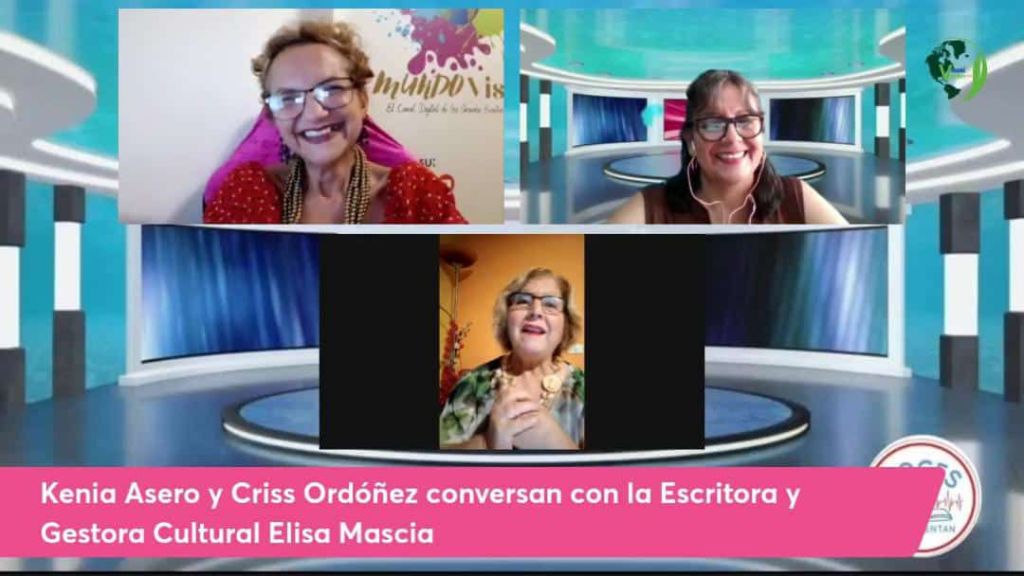
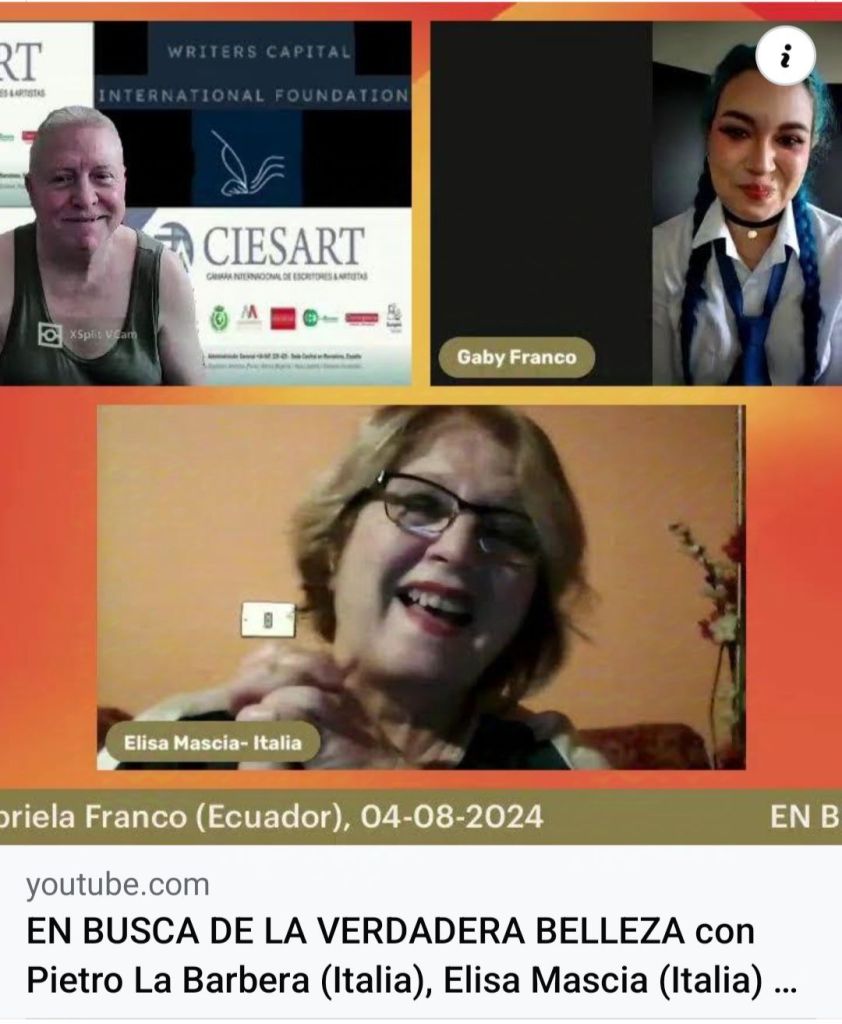
Elisa Mascia -Italia, coordinatrice dell’Italia del Festival dell’arte 2024, annunciato dal presidente della Writers Capital Foundation International : Preeth Nambiar -India

Foto cortesia di Elisa Mascia -Italia

BENVENUTA ELISA MASCIA, COORDINATRICE PIAF ITALIA!

Siamo entusiasti di dare il benvenuto a Elisa Mascia come coordinatrice per l’Italia del Panorama International Arts Festival 2024!

Elisa Mascia, nata a Santa Croce di Magliano (CB), Italia, è un’autrice e poetessa prolifica.  Le sue opere includono “La Grattugia della Luna”, “Savage Wind”, “Magiche Emozioni dell’Anima” e “Sogni Dipinti”, insieme a numerose poesie presenti in antologie italiane e globali.  Autrice di Scrivere – OggiScrivo e Alidicarta, Elisa è anche conduttrice radiofonica, poetessa e recitatrice in italiano e spagnolo.  È attivamente coinvolta nella revisione, lettura e donazione della sua voce per audiolibri e “Teatro al Buio”.

In quanto fondatrice e membro di WikiPoesia, Elisa è onorata nell’Albo d’Onore della Solidarietà Poetica.  Ricopre incarichi di prestigio in diverse realtà culturali e letterarie, tra cui il Movimento Poeti del Mondo e l’Accademia Albap.  Gli estesi contributi di Elisa alle arti le hanno valso il riconoscimento da parte di organismi internazionali, tra cui il Movimento “Pacis Nuntii” in Argentina.

Unisciti a noi nel dare il benvenuto a Elisa Mascia mentre porta la sua esperienza e passione al PIAF 2024 con il tema “Agni: L’elemento del fuoco”.

🔗 Registrati qui:
Globale: https://rzp.io/l/PIAF2024Global
India: https://rzp.io/l/PIAF2024India

Fondazione Team Writers Capital
http://www.writerscapital.org
wcifcentral@gmail.com

#PIAF2024 #CoordinatorItalia #ElisaMascia #ArtsFestival #GlobalArts #HumanitarianValues #FireTheme #Agni #CelebrateArt

WELCOME ELISA MASCIA, COORDINATOR FOR PIAF ITALY!

We are thrilled to welcome Elisa Mascia as the Coordinator for Italy for the Panorama International Arts Festival 2024!

Elisa Mascia, born in Santa Croce di Magliano (CB), Italy, is a prolific author and poet. Her works include “La Grattugia della Luna,” “Savage Wind,” “Magiche Emozioni dell’Anima,” and “Sogni Dipinti,” along with numerous poems featured in Italian and global anthologies. A writer for Scrivere – OggiScrivo and Alidicarta, Elisa is also a radio host, poet, and reciter in both Italian and Spanish. She is actively involved in reviewing, reading, and donating her voice for audiobooks and “Teatro al Buio.”

As the founder and member of WikiPoesia, Elisa is honored in the Albo d’Onore della Solidarietà Poetica. She holds esteemed positions in various cultural and literary organizations, including the Movimento Poeti del Mondo and Albap Academy. Elisa’s extensive contributions to the arts have earned her recognition from international bodies, including the “Pacis Nuntii” Movement in Argentina.

Join us in welcoming Elisa Mascia as she brings her expertise and passion to PIAF 2024 under the theme “Agni: The Element of Fire.”

🔗 Register Here:
Global: https://rzp.io/l/PIAF2024Global
India: https://rzp.io/l/PIAF2024India

Team Writers Capital Foundation
http://www.writerscapital.org
wcifcentral@gmail.com

PIAF2024 #CoordinatorItaly #ElisaMascia #ArtsFestival #GlobalArts #HumanitarianValues #FireTheme #Agni #CelebrateArt

Zebiniso Meiliyeva presenta la giovane scrittrice Tolliboyeva Hilola Samad

Foto cortesia di Tolliboyeva Hilola Samad


Tolliboyeva Hilola Samad è nata il 27 gennaio 2003 nel distretto di Payariq nella regione di Samarcanda.  Nazionalità uzbeka.  Attualmente è uno studente di quarta elementare dell’Università pedagogica statale di Jizzakh
Utilizzo delle tavole logiche nelle lezioni di matematica elementare

La figlia di Tolliboyeva Hilola Samad JDPU è una studentessa della terza elementare della Facoltà di Scienze della Formazione

Annotazione: questo articolo prevede lo studio dell’importanza delle questioni logiche nella formazione del pensiero logico degli studenti nelle lezioni di matematica della scuola primaria
Parole chiave: pensiero logico, istruzione primaria, libro di testo, metodo, pensiero, riflessione, lezione, questione logica.
Vorrei iniziare questo articolo con le parole del nostro relatore sullo sviluppo della matematica:
           “Il metodo di insegnamento di ieri non può sviluppare rapidamente la matematica. Pertanto, è necessario creare programmi educativi basati su metodologie straniere, che abbiano dato buoni risultati nella pratica.. La metodologia dovrebbe essere tale da instillare nei bambini l’amore per la matematica. Per fare questo  , gli studenti devono capire che hanno bisogno di una scienza nella vita, in ogni campo. I giovani hanno bisogno di studiare per diventare professionisti competenti, non per superare un esame”.
          Dalle parole del nostro presidente È chiaro che la scienza non è solo per l’esame, ma poiché è interessato alla scienza, è importante leggerla, quindi non è solo per superarlo, ma perché non è solo per superarlo.  Nel contesto del curricolo di didattica della matematica, le questioni testuali sono state le prime a includere questioni logiche.  Risolvere problemi logici è molto importante per prendere le giuste decisioni e trarre conclusioni logiche.  Le questioni logiche sono più complesse di altre questioni.  Ecco perché le questioni logiche sono riportate nei libri di testo di matematica elementare.  Nel libro di testo di matematica di prima elementare, c’è una forma un po’ minore e più semplice di problemi logici.  In seconda elementare veniva data una questione logica dopo cinque o sei lezioni.  Ci sono anche “questioni logiche interessanti” separate alla fine del libro di testo.  Nel libro di testo delle classi 3-4 c’è solo una questione logica per ciascuno degli argomenti. Le questioni logiche hanno un effetto positivo sul pensiero e sullo sviluppo mentale degli studenti.  La risoluzione di problemi logici sviluppa negli studenti una visione più profonda del contenuto del problema, la capacità di pensare in modo completo tra i numeri dati e i numeri cercati.
Passaggio 1. Conoscenza del contenuto del problema;
Passaggio 2. Cerca una soluzione al problema;
  Passaggio 3. Risolvi il problema;
  Passaggio 4. Controllare la soluzione della soluzione.
  Tutte queste fasi sono indissolubilmente legate.  Diamo uno sguardo più da vicino a questi passaggi mentre risolviamo i problemi logici.  In questo caso, è importante conoscere il contenuto del problema e collegarlo alla vita.  In questa fase, è molto importante insegnare agli studenti a leggere correttamente la questione.
Questione 1: Diversi pazienti dovrebbero essere ricoverati in ospedale, se in ogni reparto vengono collocate 3 persone, tutti i reparti saranno riempiti e rimarranno 5 persone nell’arco.  Se in ciascuna camera vengono posizionate 4 persone, 2 camere rimarranno vuote.  Quanti reparti e quanti pazienti ci sono nell’ospedale?
      Passaggio 2. Cercheremo ora una soluzione al problema dopo aver preso conoscenza del contenuto del problema.  Per fare ciò, pianificheremo in breve i numeri precedentemente noti e sconosciuti.  Successivamente verrà creato un piano per risolvere il problema.  Dato: se ci sono 3 persone in ogni camera, nella carcassa rimarranno 5 persone, se in ogni reparto vengono sistemate 4 persone, 2 camere avranno un numero di pazienti a testa -?  Numero di reparti -?  -X
Fase 3. In questa fase, la soluzione al piano di cui sopra sarà risolta.  Abbiamo scelto di risolvere questo problema attraverso l’equazione.
Soluzione: prendiamo il numero di camere come x Quindi 3x + 5 = 4 (x -2) 3x + 5 = 4 x –8 5 + 8 = 4x – 3x x = 13 Quindi il numero di camere è 13 e il numero  di pazienti è 13: 1) 3 × 13 + 5 = 44 Numero di pazienti.
    Risposta: 13 tavole, numero di 44 pazienti.
Passaggio 4. Verificare la soluzione del problema significa determinare se la soluzione è corretta o errata.  Nella scuola vengono utilizzati i seguenti 4 metodi di verifica.
1. Creare un problema inverso e risolverlo;
2. stabilire la compatibilità tra i numeri dati dalla soluzione del problema;
3. Risolvere il problema in altri modi;
4. Verifica grafica
5. Definire i limiti della risposta (Chamash la risposta).
Possiamo verificare utilizzando il secondo dei 4 controlli.  Se ci sono 44 pazienti, 5 persone rimarranno nel corridoio se nella valigetta vengono sistemate 3 persone.  Quindi possiamo controllare.  Cioè 13 × 3 = 39. Ora è stato determinato che il numero di 44 pazienti è stato esposto, quindi 44 – 39 = 5. La soluzione è appropriata.
  Conclusione: risolvere problemi logici è molto importante per prendere le giuste decisioni e trarre conclusioni logiche.  Ecco perché dobbiamo lavorare in modo più logico con gli studenti delle scuole elementari.
  Riferimenti:
1.M.h.hakimova “Metodi di insegnamento della matematica” Tashkent-2020
2. Complesso metodico didattico “Metodi di insegnamento della matematica”.  Bukhara-2022.
  3. ME Jumaev, Z.G.  Tadjiyeva “Metodi di insegnamento della matematica nelle classi primarie” Tashkent-2005.
4. Libro di testo di matematica di quarta elementare.  Tashkent-2024.
  5.gazeta.uz

Tolliboyeva Hilola Samad was born on January 27, 2003 in Payariq district of Samarkand region. Nationality Uzbek. He is currently a 4th grade student of Jizzakh State Pedagogical University
Use of logical tables in elementary mathematics lessons

Tolliboyeva Hilola Samad daughter JDPU is a student of the 3rd grade of the Faculty of Education

Annotation: This article provides for the study of the importance of logical issues in the formation of logical thinking of students in primary school mathematics lessons
Keywords: logical thinking, primary education, textbook, method, thinking, thinking, lesson, logical issue.
I would like to begin this article with the words of our presenter on the development of mathematics:
          “Yesterday’s teaching method can not develop mathematics rapidly. Therefore, it is necessary to create educational programs based on foreign methodology, which gave good results in practice.. The methodology should be such that it instills in children a love of mathematics. To do this, students need to understand that they need a science in life, in every field. Young people need to study to become a knowledgeable professional, not to pass an exam.”
         From our president’s words It is clear that science is not just for the exam, but because it is interested in science, it is important to read it, so it is not only to pass it, but because it is not only to pass it In the context of the curriculum of educational mathematics, the textual issues were the first to include logical issues. Solving logical problems is very important for making the right decisions and making logical conclusions. Logical issues are more complex than other issues. That’s why the logical issues are given in the elementary mathematics textbook. In the 1st grade math textbook, there is a little lesser and simpler form of logical issues. In 2nd grade, one logical issue was given after five or six lessons. There are also separate “interesting logical issues” at the end of the textbook. In the 3-4th grade textbook, there is only one logical issue among each of the topics.The logical issues have a positive effect on the thinking and mental development of the students. Solving logical problems develops a deeper view of the content of the issue in students, the ability to think comprehensively between the numbers given and the numbers sought.
Step 1. Acquaintance with the content of the issue;
Step 2. Search for a solution to the problem;
Step 3. Solve the problem;
Step 4. Check the solution solution.
All of these stages are inextricably linked. Let’s take a closer look at these steps as we solve logical problems. In this case, it is important to get acquainted with the content of the issue and connect it with life. At this stage, it is very important to teach students to read the issue correctly.
Matter 1: Several patients should be admitted to the hospital, if 3 people are placed in each ward, all the wards will be filled and 5 people will be left in the arch. If 4 people are placed in each chamber, 2 chambers will remain blank. How many wards and how many patients are there in the hospital?
     Step 2. We will now look for a solution to the issue after getting acquainted with the content of the issue. To do this, we will short plan the numbers that were previously known and unknown. After that, a plan will be created to solve the problem. Given: If there are 3 people in each chamber, 5 people remain in the carcass, if 4 people are placed in each ward, 2 chambers will have a head of the number of patients -? Number of wards -? -x
Stage 3. At this stage, the solution to the above plan will be solved. We chose to solve this problem through the equation.
Solution: We take the number of chambers as x So 3x + 5 = 4 (x -2) 3x + 5 = 4 x –8 5 + 8 = 4x – 3x x = 13 So the number of chambers is 13 and the number of patients is 13: 1) 3 × 13 + 5 = 44 Number of patients.
   Answer: 13 boards, number of 44 patients.
Step 4. To verify the solution of the issue is to determine whether the solution is correct or incorrect. The following 4 verification methods are used in the school.
1. Create a reverse issue and solve it;
2. to establish compatibility between the numbers given by the solution to the problem;
3. Solve the problem in other ways;
4. Graphic check
5. Define the limits of the answer (Chamash the answer).
We can check using the second of the 4 checks. If there are 44 patients, 5 people will stay in the aisle if 3 people are placed in the case. So we can check. That is, 13 × 3 = 39. Now it has been determined that the number of 44 patients has been exposed so 44 – 39 = 5. The solution is appropriate.
Conclusion: Solving logical problems is very important for making the right decisions and making logical conclusions. That’s why we need to work more logically with elementary school students.
References:
1.M.h.hakimova “Methods of teaching mathematics” Tashkent-2020.
2. “Methods of teaching mathematics” teaching methodical complex. Bukhara-2022.
3. ME Jumayev, Z.G. Tadjiyeva “Methods of teaching mathematics in primary grades” Tashkent-2005.
4. 4th grade math textbook. Tashkent-2024.
5.gazeta .uz

Oggi Zebiniso Meiliyeva presenta Aziza Saparbaeva

Foto cortesia di Aziza Saparbaeva


La figlia di Saparbaeva Aziza Asror è una studentessa del 4° anno dell’Università statale di Urgench, Facoltà di scienze socioeconomiche, Dipartimento di Storia.  Vincitore della borsa di studio statale di Navoi.
È autrice di oltre 40 articoli e 6 libri, membro di 10 organizzazioni internazionali (India, Argentina, Egitto, Kazakistan), laureata in oltre 20 corsi internazionali, titolare del badge “For International Services” del Kazakistan ”  Associazione creativa Qo’shqanot”, partecipante al progetto internazionale Oxford&UrSU Amudarya Project, fondatrice del progetto Student Academy, vincitrice del 3° posto al concorso “Zukko kitobxon” di giugno 2022, 2° classificata della fase distrettuale del concorso “Yosh  kitobxon”, vincitore di oltre 30 concorsi internazionali e repubblicani e partecipante, partecipante a più di 20 conferenze scientifico-pratiche internazionali e repubblicane, laureato alla Shine Girls ‘Academy,
Titolare di certificato multilivello di inglese B2.
Cos’è la civiltà?

Autore: Aziza Saparbaeva

Per civiltà la maggior parte delle persone pensa al significato vitale della città, dello stato e dello sviluppo della scrittura. In effetti, il termine ha un’essenza ampia.
La parola civiltà deriva dal latino “civilis” – un significato radicale che si riferisce alla cittadinanza, allo stato, alla città.  Era usato in senso antivolgare, selvaggio, quando tradotto dal latino “silvaticus”.
Il filosofo italiano J.Vico (1668-1744), nel suo trattato “Fondamenti della nuova scienza della natura generale delle nazioni”, propone un concetto secolare della storia del mondo come un movimento circolare storico, unico per tutte le nazioni. Secondo Vico  , tutti i popoli attraversano le stesse fasi del loro sviluppo: passando dal varvarianismo primitivo (“età degli dei”) attraverso il feudalesimo (“età degli eroi”) verso una repubblica democratica o una monarchia costituzionale (“età della civiltà”)  con la crisi generale e la disgregazione di questa società. Una volta completato il ciclo, il processo di sviluppo si rinnova e attraversa le stesse fasi, ma ad un livello più alto, le idee di Vico gettarono le basi per le teorie cicliche (Danilyevskij, Shpengler, Toynbee).  lo sviluppo delle culture e delle civiltà.
Il filosofo tedesco I.Kant(1724-1804.) aveva dimostrato l’esistenza di vicinanza e discrepanza tra questi concetti.  La maggior parte dei filosofi intendeva le conquiste materiali e tecniche della società con “civiltà”, e solo i suoi valori spirituali con “cultura”.
All’inizio del XX secolo, il filosofo tedesco O.Nella sua opera “Lo sbiadimento del sole europeo”, Schpengler giustappone i concetti di cultura e civiltà.  A suo avviso, la civiltà è lo stadio più alto della cultura, seguito da un graduale spostamento della cultura verso la crisi.  Il filosofo tedesco per civiltà intendeva un insieme di processi tecnici e meccanici.
Lo storico e sociologo inglese A.Toynbee (1889-1975) rappresentò la civiltà come un sistema sociale olistico.  Ha avanzato la teoria della chiamata e risposta come principale forza trainante del progresso della civiltà nel concetto di civiltà locali reciproche, che ha citato nella sua opera in dodici volumi “Capire la storia”.   Toynbee crede che la religione sia il nucleo e la spina dorsale di ogni civiltà.  Nel distinguere e classificare le civiltà le une dalle altre, non per niente si prendono come base l’una o l’altra religione del mondo: la civiltà musulmana, la civiltà cristiana, ecc. Egli elencò prima 21 e poi 37 civiltà, sfidando le visioni dello sviluppo.  del processo storico in linea retta e sottolineando lo sviluppo ciclico della civiltà.
Il filosofo tedesco K.Yaspers(1883-1969.) nella sua opera “Fonti della storia e il suo scopo”, ha avanzato il concetto dello sviluppo graduale del progresso della civiltà: il periodo preistorico, la cultura dei tempi antichi, l’asse del tempo (  l’inizio della storia del mondo), il periodo tecnico (la transizione verso una storia del mondo unificata). A suo avviso, il contenuto e la base della storia sono determinati dalla convinzione che è comune a tutta l’umanità. Questa convinzione non separa i rappresentanti di  l’umanità l’una dall’altra, ma piuttosto all’umanità non può essere offerta una tale convinzione da nessuna religione mondiale o nazionale.
Il sociologo P. Sorokin (1889-1968) ha creato la teoria del progresso storico-mondiale della cultura umana.  Considerava questo progresso nel quadro di enormi supersistemi culturali con un contenuto o una mentalità centrale.  Questi supersistemi culturali o civiltà definiscono la vita e la massa degli esseri umani, molti processi e tradizioni storici.  In ogni momento della storia, Sorokin ritiene che esistano cinque principali sistemi culturali: lingua, moralità, religione, scienza, arte.
Nello spiegare i fenomeni del passato, F. Brodel (1886-1944) e un certo numero di altri storici francesi hanno posto al primo posto il fattore “ambiente” (tempo storico), piuttosto che concentrarsi principalmente sulla legalità storica o sulla casualità.  Erano principalmente interessati alla vita, al matrimonio e alla mentalità dei popoli.

Saparbaeva Aziza Asror’s daughter is a 4th-year student of Urgench State University, Faculty of Socio-Economic Sciences, Department of History. Navoi state scholarship winner.
She is the author of more than 40 articles and 6 books, a member of 10 international organizations (India, Argentina, Egypt, Kazakhstan), a graduate of more than 20 international courses, owner of the “For International Services” badge of Kazakhstan “Qo’shqanot” creative association, participant of the international project of Oxford&UrSU Amudarya Project, founder of the Student Academy project, winner of the 3rd place in the June 2022 “Zukko kitobxon” contest, 2nd place winner of the district stage of the “Yosh kitobxon” republican contest, laureate of more than 30 international and republican contests and participant, participant of more than 20 international and republican scientific-practical conferences, graduate of Shine Girls’ Academy,
Multilevel English B2 certificate holder.
What is civilization?

Author: Aziza Saparbaeva

By civilization, most people think of the vital meaning of the city, the state and the development of writing.In fact, the term has a broad essence.
The word civilization comes from the Latin “civilis” – a stem meaning that refers to citizenship, the state, the city. It was used in an anti-vulgar, savage sense when translated from” silvaticus”, Latin.
Italian philosopher J.Vico (1668-1744), in his treatise” foundations of the new science of the general nature of Nations”, put forward a secular concept of world history as a historical circular movement, unique to all nations. According to Vico, all peoples go through the same stages in their development: moving from primitive varvarianism (“age of gods”)through feudalism (“age of heroes”) towards a Democratic Republic or constitutional monarchy (“age of civilization”). Each cycle ends with the general crisis and disintegration of this society. Once the cycle is complete, the development process is renewed and goes through the same stages, but at a higher level. Vico’s ideas laid the groundwork for cyclical theories (Danilyevsky, Shpengler, Toynbee)in the development of cultures and civilizations.
German philosopher I.Kant(1724-1804.) had shown the existence of closeness and discrepancy between these concepts. Most philosophers understood the material and technical achievements of society by” civilization“, and only its spiritual values by” culture”.
By the beginning of the 20th century, the German philosopher O.In his work “the fading of the European sun”, schpengler juxtaposed the concepts of culture and civilization. In his view, civilization is the highest stage of Culture, followed by a gradual shift of culture towards crisis. The German philosopher by civilization meant a set of technical and mechanical processes.
English historian and sociologist A.Toynbee (1889-1975) represented civilization as a holistic social system. He advanced the theory of call and response as the main driving force of civilizational progress in the concept of reciprocal local civilizations, which he cited in his twelve-volume work “understanding history”.  Toynbee believes that religion is the core and backbone of any civilization. In distinguishing and classifying civilizations from each other, it is not for nothing that one or another world religions are taken as a basis: Muslim civilization, Christian civilization, etc. He first enumerated 21, and later 37, civilisations, challenging views of the development of the historical process in a straight line, and emphasizing the step-cyclical development of civilization.
German philosopher K.Yaspers(1883-1969.) in his work” sources of history and its purpose”, advanced the concept of the gradual development of civilizational progress: the pre-historic period, the culture of ancient times, the time axis (the beginning of world history), the technical period (the transition to a unified world history). In his opinion, the content and basis of history is determined by the belief that is common to all mankind. This belief does not separate the representatives of humanity from each other, but rather jeeps. Humanity cannot be offered such a belief by any world religion or national religion.
Sociologist P. Sorokin (1889-1968.) created the theory of the world-historical progress of human culture. He considered this progress within the framework of huge cultural Super-systems with a central content or mentality. These cultural Super-systems or civilizations define the life and hulk of humans, many historical processes and traditions. At any time in history, Sorokin believes that there are five main cultural systems: language, morality, religion, science, art.
In explaining past phenomena, F. Brodel (1886-1944.) and a number of other French historians have placed the “environment” (historical time) factor in the first place, rather than a primary focus on historical legalities or randomness. They were primarily interested in the life, marriage and mentality of peoples.

Zebiniso Meiliyeva presenta la giovane poetessa Sevinch Izzatullayeva

Foto cortesia di Sevinch Izzatullayeva


Mi chiamo Sevinch e il cognome è Izzatullayeva.  Ho 19 anni.  Sono uzbeko e sono nato qui nella città di Bukhara il 9 agosto del 2005. Sono una persona molto positiva;  Cerco di sorridere sempre anche se non ne ho voglia.  Amo viaggiare.  La mia attività preferita è assolutamente imparare una nuova lingua.

La gentilezza genera gentilezza
La gentilezza è una qualità che spesso viene sottovalutata e sottovalutata nel mondo frenetico di oggi.  Con il costante trambusto, le persone tendono a dare priorità ai propri bisogni e interessi, spesso lasciandosi alle spalle atti di gentilezza verso gli altri.  Tuttavia, ciò che non riusciamo a capire è che la gentilezza ha un effetto a catena: genera gentilezza.  In termini più semplici, quando una persona è gentile con un’altra, ciò porta ad una reazione a catena, che alla fine diffonde la gentilezza a coloro che la circondano.  Questo piccolo atto di gentilezza ha il potenziale per avere un impatto significativo e portare cambiamenti positivi nella nostra società.
Innanzitutto la gentilezza è contagiosa.  Quando assistiamo a qualcuno che è gentile con noi o con gli altri, ci mette automaticamente in uno stato d’animo positivo e ci incoraggia a fare lo stesso per gli altri.  La ricerca ha dimostrato che quando gli individui sono esposti alla gentilezza, è più probabile che mostrino essi stessi un comportamento gentile.  È come un effetto domino, dove un atto di gentilezza tira l’altro e il ciclo continua.  Ecco come la gentilezza genera gentilezza.
Inoltre, la gentilezza ha il potere di alleviare la negatività e promuovere un senso di unità e solidarietà.  Nel mondo di oggi, dove la divisione e l’odio dilagano, piccoli atti di gentilezza possono fare molto per colmare le lacune e unire le persone.  Anche i più piccoli atti di gentilezza, come un sorriso, una mano amica o una parola gentile, possono avere un impatto significativo sulla giornata di qualcuno.  Quando mostriamo gentilezza verso gli altri, promuoviamo un senso di comunità e ci ricordiamo che siamo tutti nella stessa situazione.
Inoltre, la gentilezza non si limita solo alle azioni ma anche alle parole.  Le parole che scegliamo di usare possono ferire o guarire e, scegliendo di essere gentili con le nostre parole, possiamo diffondere positività ed edificare chi ci circonda.  Un semplice complimento o qualche parola di incoraggiamento possono fare miracoli per l’autostima e la fiducia di qualcuno.  Quando parliamo in modo gentile, creiamo un ambiente sicuro e confortevole per gli altri, rendendoli più propensi a trasmettere la stessa gentilezza agli altri.
Inoltre, la gentilezza ha un profondo impatto sul nostro benessere mentale ed emotivo.  Numerosi studi hanno dimostrato che gli atti di gentilezza innescano il rilascio di dopamina, una sostanza chimica nel cervello che ci fa sentire bene.  Migliora il nostro umore, aumenta la nostra autostima e riduce lo stress e l’ansia.  Essendo gentili con gli altri, non solo diffondiamo gioia e positività, ma miglioriamo anche il nostro stato mentale ed emotivo, creando un ciclo positivo di benessere.
Infine, la gentilezza ha il potere di creare un’impressione duratura sugli altri.  Un piccolo atto di gentilezza può lasciare un impatto duraturo sulla vita di qualcuno e, a sua volta, ispirarlo a diffondere gentilezza verso gli altri.  Ha il potenziale per creare un effetto a catena positivo che può estendersi oltre le nostre stesse comunità e raggiungere persone che forse non incontreremo mai.
In conclusione, la gentilezza genera davvero gentilezza.  Ha il potere di creare un ciclo positivo di compassione, empatia e unità, rendendo il nostro mondo un posto migliore e più felice in cui vivere. Come individui, dobbiamo sforzarci di essere gentili gli uni con gli altri e renderlo parte della nostra quotidianità.  vite.  Nessun atto di gentilezza è troppo piccolo e può fare una differenza significativa.  Quindi, cerchiamo di essere tutti gentili gli uni con gli altri, perché la gentilezza ha davvero il potere di cambiare il mondo.

My name is Sevinch and surname is Izzatullayeva. I’m 19 years old. I’m Uzbek and I was born here in Bukhara city on August 9 in 2005. I’m a very positive person; I try to smile all the time even if I don’t feel like it. I love to travel. My favorite activity is absolutely learning a new language.

Kindness begets kindness
Kindness is a quality that is often underestimated and undervalued in today’s fast-paced world. With the constant hustle and bustle, people tend to prioritize their own needs and interests, often leaving behind acts of kindness towards others. However, what we fail to realize is that kindness has a ripple effect – it begets kindness. In simpler terms, when one person is kind to another, it leads to a chain reaction, ultimately spreading kindness to those around them. This small act of kindness has the potential to make a significant impact and bring about positive change in our society.
First and foremost, kindness is contagious. When we witness someone being kind to us or others, it automatically puts us in a positive mood and encourages us to do the same for others. Research has shown that when individuals are exposed to kindness, they are more likely to exhibit kind behavior themselves. It’s like a domino effect, where one act of kindness leads to another, and the cycle continues. This is how kindness begets kindness.
Moreover, kindness has the power to alleviate negativity and promote a sense of unity and togetherness. In today’s world, where division and hatred are rampant, small acts of kindness can go a long way in bridging the gaps and bringing people together. Even the smallest acts of kindness, such as a smile, a helping hand, or a kind word, can make a significant impact on someone’s day. When we show kindness towards others, it fosters a sense of community and reminds us that we are all in this together.
Additionally, kindness is not just limited to actions but also words. The words we choose to use can either hurt or heal, and by choosing to be kind with our words, we can spread positivity and uplift those around us. A simple compliment or a few words of encouragement can do wonders for someone’s self-esteem and confidence. When we speak kindly, we create a safe and comfortable environment for others, making them more likely to pass on the same kindness to others.
Furthermore, kindness has a profound impact on our mental and emotional well-being. Numerous studies have shown that acts of kindness trigger the release of dopamine, a chemical in the brain that makes us feel good. It boosts our mood, increases our self-esteem, and reduces stress and anxiety. By being kind to others, we not only spread joy and positivity, but we also improve our own mental and emotional state, creating a positive cycle of well-being.
Lastly, kindness has the power to create a lasting impression on others. A small act of kindness can leave a long-lasting impact on someone’s life, and in turn, inspire them to spread kindness to others. It has the potential to create a positive ripple effect that can extend beyond our own communities and reach people we may never even meet.
In conclusion, kindness truly begets kindness. It has the power to create a positive cycle of compassion, empathy, and unity, ultimately making our world a better and happier place to live in. As individuals, we must strive to be kind to one another and make it a part of our daily lives. No act of kindness is too small, and it can make a significant difference. So, let us all be kind to each other, for kindness truly has the power to change the world.

Come ogni anno è in uscita l’antologia poetica mondiale dal tema ” Addio alla guerra” curata nei particolari dal poeta editore indiano NilavroNill Shovro, pubblicazione di Elisa Mascia -Italia

Foto cortesia della copertina dell’Antologia Poetica

Pubblicazione dell’Annuario 2024, OPA Antologia Annuale della Poesia 2024 “Addio alla guerra”.  Ora è online.  Trovate l’edizione qui:
<https://farewelltowar.wordpress.com&gt;
Scorri verso il basso per trovare le immagini del profilo di tutti i poeti selezionati.  Basta cliccare sul nome del poeta.  Apparirà una pagina con il nome del poeta e le poesie pubblicate.  Ora puoi condividere il link web della pagina del poeta ovunque tu voglia.
POETI SELEZIONATI:
Leggi elenco 

Publication of the Yearbook 2024, OPA Annual Anthology of Poetry 2024 “Farewell To War”. It is now online. Find the edition here:
<https://farewelltowar.wordpress.com&gt;
Scroll down to find the profile pictures of all the selected poets. Just click on the name of the poet. A page will appear with the name of the poet and the poems published. Now you can share the weblink of the poet’s page anywhere you wish.
SELECTED POETS:
ALICJA MARIA KUBERSKA
APRILIA ZANK
MARIA A. MIRAGLIA
STACIA LYNN
VALENTINA NOVKOVIĆ
NATALIE BISSO
MILOVAN STANKOVIĆ
KAPARDELI EFTICHIA
SUZETTE PORTES SAN JOSE
ANTONIS FILIPPEOS
GIUSEPPINA GIUDICE
LESSYA STEPOVYCHKA
ALEKSANDRA SOŁTYSIAK
STOIANKA BOIANOVA
MARIA TOSTI
EWITH BAHAR
MINKO TANEV
ARYA V SATHYAN
PERWAIZ SHAHARYAR
RAJASHREE MOHAPATRA
DANIJELA ĆUK
SHERIFE ALLKO
NAILA HINA
LUISA CÁMERE QUIROZ
NGOZI OLIVIA OSUOHA
PARAMITA MUKHERJEE MULLICK
LEYLA IŞIK
GARGI SARKHEL BAGCHI
ELIZA SEGIET
ANGELA KOSTA
ANDROULLA SHATI
MARIAN EIKELHOF
MICHAEL PAUL BRIGDEN
MILKA MINKOVA
TERRI MATOLYAK
MAID CORBIC
GOPAL SINHA
SIAMIR MARULAFAU
ROHINI BEHERA
NASSER ALSHAIKHAHMED
PARVINDER NAGI
ERALIEVA UMUTKAN POLOTOVNA
DONATELLA NARDIN
BHAGAT B. SUBBA
ELMAYA JABBAROVA
CVIJA PERANOVIĆ KOJĆ
CAROL MITRA
ELISA MASCIA
RICHARD DOIRON
LASZLO ARANYI
MARCO ANTONIO RODRÍGUEZ SEQUEIROS
SLAVKA BOŽOVIĆ
TOOLIKA RANI
SABAHETA ETA MERSIMI
TIL KUMARI SHARMA
FROSINA TASEVSKA
LINDA M. CRATE
RAJMONDA QOSE SHKOPI
ZDENKA MLINAR
XANTHI HONDROU-HILL
DESPOTIDIS DIMOSTHENIS – DIMITRIOS
SOFIA SKLEIDA
GERASIMOS TZIVRAS
AZEMINA DOKAZA KLOBODANOVIĆ
IBRAHIM HONJO
EVITA CONSTANTINOU
JÓZEF TOMOŃ
MARY ANN VITALE
BARBAROS İRDELMEN
EMILIJA TODOROVA
CHRISTOS DIKBASANIS
UMASREE RAGHUNATH
OLADELE BABAJAMU
MUHAMMAD ISHAQ ABBASI
SUNIL KAUSHAL
NEHA BHANDARKAR
LJUBICA KATIĆ
ANIL KUMAR PANDA
GONCA DOLU
PERUGU RAMAKRISHNA
FRANCISC EDMUND BALOGH
VALSA GEORGE
MILTIADIS NTOVAS
MÓNIKA TÓTH
MARINA MIJAKOVSKA
STRIDER MARCUS JONES
SNIGDHA AGRAWAL
SONJA DANILOVSKA
SNEŽANA ŠOLKOTOVIĆ
FRANCIS OTOLE
ABDELMONIEM RAHMA
CONCETTA LA PLACA
MOAEN SHALABIA
TAGHRID BOU MERHI
PETROUCHKA ALEXIEVA
DONNA MCCABE
BARBARA DI SACCO
GIULIO MAGRINI
NITA B GEORGE
ADNAN AL-RIKANI
BARBARA ANNA GAIARDONI
JOHN ADNAN KARAJOLI
MARK ANDREW HEATHCOTE
KATARZYNA DOMINIK
GEORGIANA-LAURA GHEORGHE

Foto cortesia del poeta editore NilavroNill Shovro – India

” Scrivere per donare ” è il senso vero di fare qualcosa che piace, scrivere, e che è un dono ricevuto che si torna a dare. Pubblicazione di Elisa Mascia -Italia

Foto cortesia della copertina dell’Antologia Poetica Semi di parole XX

“Gesti semplici esemplari fatti con il cuore è meraviglioso condividere e di seguito la concretezza di essere dono.” Elisa Mascia

Perché lo facciamo? Perché scriviamo e Doniamo?…
Gentili Autori di Anime Di Vento Semi di Parole XX, ecco il nostro contributo a ABEO derivato dall’edizione di cui siete partecipi, vi ringrazio per l’opportunità e, se il vostro desiderio di offrire l’arte della scrittura a favore dei Bimbi affetti da patologie oncologiche resta inalterata, io sono qui pronta ad offrire il mio tempo e lavoro per la prossima edizione, al fine di contribuire alla non facile opera di ABEO.
L’antologia dedicata all’Infanzia è in attesa di opere valide, sarà approntata quando ci saranno sufficienti lavori anche di Bambini.
Fare del bene, sempre, è qualità da non dimenticare mai, anche (e direi soprattutto) quando d’attorno c’è indifferenza e vanità. Uniti è più bello, sa di buono…

Annamaria Vezio
Vs Elfa Tata 隆‍♀️

Simona Cascio
Tania David
Marinella Giampieri
Giampaolo Landoni
Silvana La Perna
Concetta La Perna
Gianfranco Malucello
Arturo Pucci
Rosanna Bruschi
Sandra Carresi
Mariagrazia Cali
Marianeve Casciello
Franco de Angelis
Enzo Di Giovanni
Alessandra Flores d’Arcais
Anna Gatto omaggio per concessione cover
Saturnia Settantasette Malarazza
Elisa Mascia
Cesare Paoletti
Maria Recupero
Silvana Senis Cardinale
Cristina Pia Sessa Sgueglia
Annamaria Vezio

Progetta un sito come questo con WordPress.com
Comincia ora