
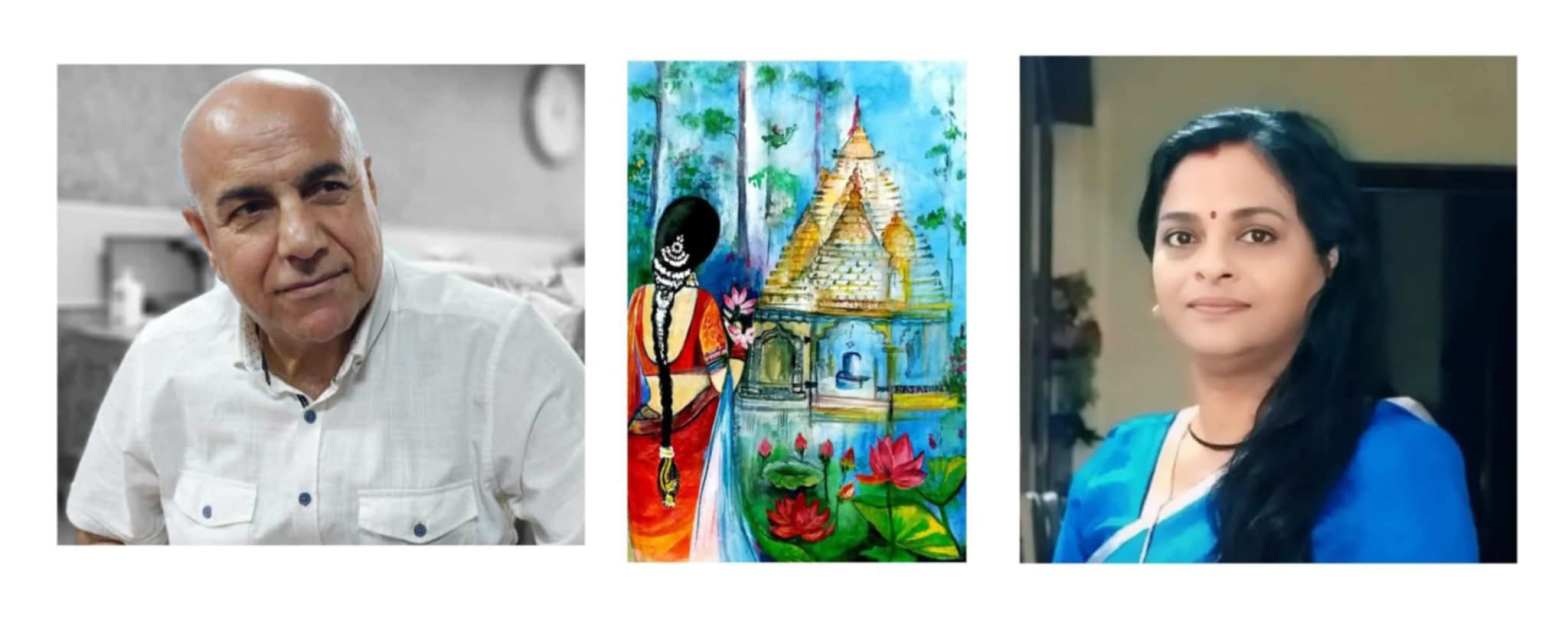
Foto cortesia di Rajashree Mohapatra – India
Poesia: “Nei tuoi fiumi ondeggiano le nuvole”
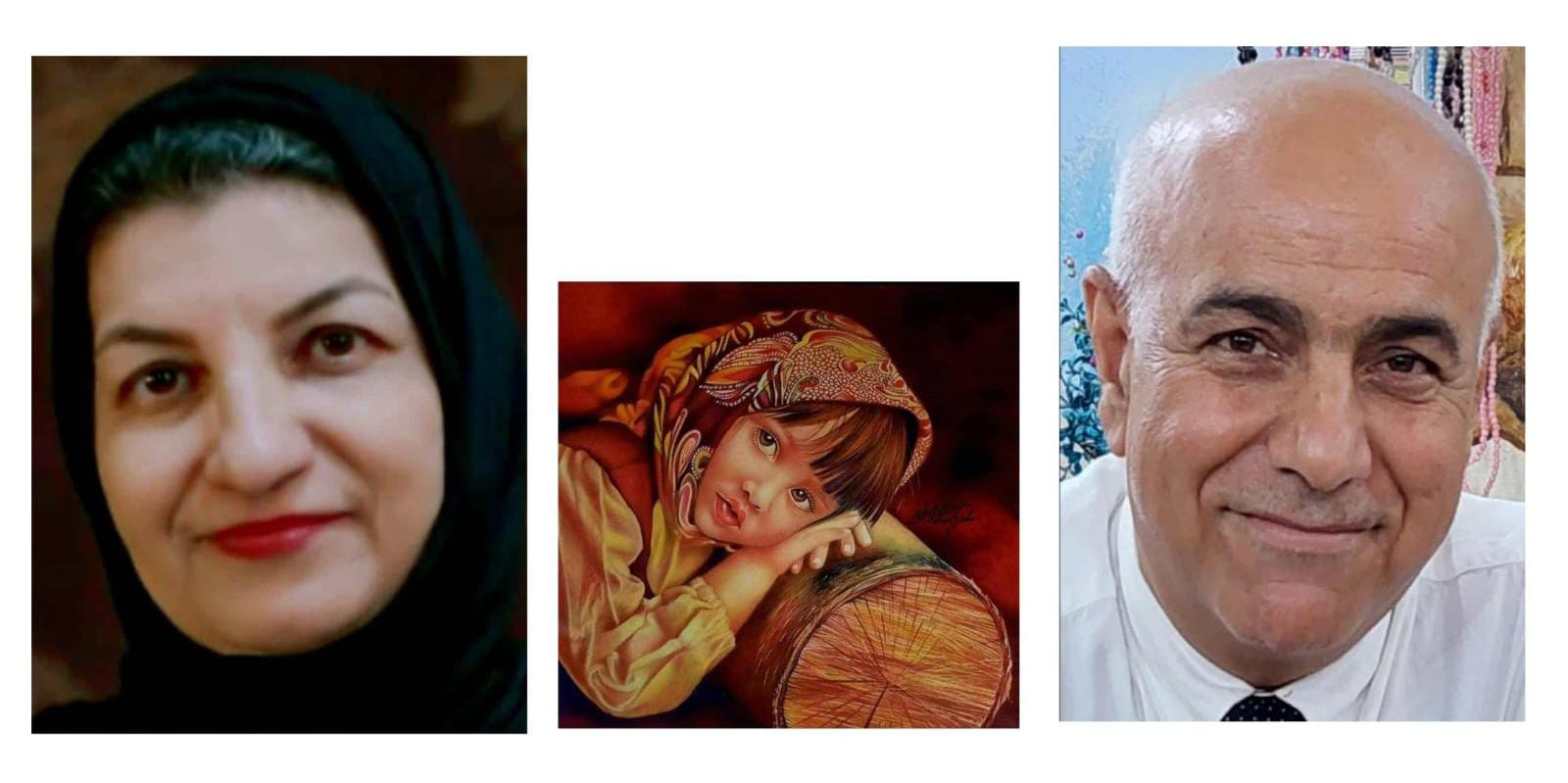
Dott.Karim Abdullah – Iraq
Rajashree Mohapatra- India: Lettura critica della poesia : “Nei tuoi fiumi ondeggiano le nuvole”
Questa poesia è un’esplorazione ricca e sensuale del desiderio, della seduzione e dell’insaziabile nostalgia, infusa con immagini naturali vivide e riferimenti biblici.
Di seguito un’analisi dei suoi temi, struttura, immagini e tono, con particolare attenzione all’interpretazione dei suoi molteplici significati.
Desiderio e seduzione:
La poesia parla di un anelito travolgente, quasi istintivo, incarnato nella figura di Eva, simbolo biblico della seduzione. L’oratore è consumato con passione e fascino, e sono raffigurati come vino che è sia incantevole e torturante.
Le immagini di maturità, fame e seduzione fondente esaltano l’attrazione fisica ed emotiva del desiderio insoddisfatto.
Natura e corpo:
La natura si fonde con il corpo umano, con paesaggi (fiumi, boschi, foreste) utilizzati per riflettere i contorni del desiderio e del corpo. Ciò crea una sorta di familiarità tra il mondo interiore del poeta e il mondo esteriore, poiché la natura funge da simbolo di passione e fertilità.
Ribellione e amore proibito:
I riferimenti a Eva, alla costola di Adamo e ai fichi “non ancora maturi sui rami della ribellione” indicano una lotta contro le restrizioni o norme sociali. La poesia raffigura il desiderio come una forza che è sia creativa che distruttiva, in piedi sul bordo del proibito.
Nostalgia e mancanza di soddisfazione:
Il poema è permeato da sentimenti di attesa e decadenza (“radici marcite dall’attesa per i vermi”). Il desiderio del poeta rimane inestinguibile, e questo si riflette nelle immagini di frutteti abbandonati.
Struttura e stile
La poesia è scritta in uno stile di versi liberi, senza un modello ritmico o rimando regolare, che riflette la natura organica e fluida dei suoi temi. La lunghezza delle linee varia e le frasi spezzate (enjambment) sono usate per generare un senso di fretta e frammentazione, che riflette il tumulto emotivo del poeta.
La poesia è diviso in stanze sciolte, ognuna delle quali cambia leggermente la messa a fuoco – dal cosmico (fiumi, nuvole) all’intimo (petto, costole, labbra), e poi ritorna alle ampie immagini naturali (foreste, ruscelli secchi). Questa oscillazione tra il personale e l’universale amplifica la dimensione emotiva del testo.
L’uso frequente della “O” (O) conferisce un carattere classico, come se il poeta stia invocando o soliloquiando un’ispirazione mistica.
Simbolismo e similitudine
Le immagini della poesia sono ricche, sensuali e piene di simboli:
Elementi naturali:
Fiumi, frutteti, foreste e corsi d’acqua secchi evocano significati di fertilità, crescita e ferocia. Ma è spesso associato con la decomposizione o l’abbandono (“radici in putrefazione”)
Riferimenti biblici:
Eva e la costola di Adamo inquadrano il poema in una narrazione del peccato originale, nella quale Eva appare sia come seduttrice che come essere degno di venerazione. “Frutti di fico” simboleggiano il frutto proibito, che non è ancora maturo, indicando un desiderio allettante e irraggiungibile.
Il corpo come geografia:
Il corpo è rappresentato come terra (“la scintilla dei seni”), mescolando il sensuale e il metaforico. Questo crea una connessione sensoriale tra il desiderio del poeta e l’oggetto del desiderio.
Fuoco, scintille:
Il fuoco (“illuminando la tavola del desiderio”) raffigura l’intensità e la serietà della passione, mentre le “scintille” simboleggiano momenti fugaci di connessione o ispirazione.
Detenzione ed emancipazione:
“Uccelli imprigionati nei miei sogni cercano il tuo ruggito” e “Luce pulsante nelle preghiere labiali” evocano un desiderio di liberazione, sia fisicamente che emotivamente. Le immagini di chiusura di alberi aperti e radici concimate suggeriscono la possibilità di una rigenerazione, anche se non realizzata.
Tono e stato d’animo
Il tono è appassionato, riverente e talvolta pieno di sofferenza. Il poeta oscilla tra santificazione e disperazione. L’umore è di un’inebriante nostalgia, sempre sfumato dalla tensione tra euforia e frustrazione. La sensualità del poema è bilanciata da un sentimento nascosto di tristezza, poiché i desideri del poeta rimangono sempre insoddisfatti.
Esegesi
Al suo centro, il poema esplora il paradosso del desiderio: è una forza creativa che alimenta l’immaginazione, ma è anche una fonte di tormento quando non è soddisfatta. Il personaggio di Eva incarna questa contraddizione -, simbolo di seduzione e ideale irraggiungibile.
La preoccupazione del poeta per esso suggerisce un conflitto interno – forse tra i vincoli della società e l’emozione personale, o tra immaginazione e realtà.
Le immagini naturali ancorano il poema in un ambiente mitologico primitivo, dove le emozioni umane sembrano vaste e selvagge come valli e foreste. Tuttavia, i simboli ricorrenti della decomposizione e dell’abbandono suggeriscono il prezzo del lungo desiderio – l’inerzia emotiva o la perdita.
Rajashree Mohatra – India
Nei tuoi fiumi ondeggiano le nuvole
Oh, notte, coperta dalla sete dei giardini, accovacciata nelle pieghe delle lenzuola notturne,
Oh, tu che sporgi nel terreno della gabbia toracica,
i tuoi fichi maturano ancora sui rami della ribellione,
e la scintilla dei seni accende la tavola del desiderio,
e tu trasudi tentazioni dalla costola di Adamo,
Oh, tu che danzi per la passione delle melodie dell’infatuazione, e nei quaderni, battezzati con piogge di incantesimi di lussuria,
versi i tuoi profumi, potenti, nella coppa dell’immaginazione,
le colombe imprigionate nei miei sogni cercano il tuo tubare,
la scintilla pulsante nelle preghiere delle labbra,
e il sospiro versato risveglia le offerte nell’oscurità,
non ha forse gemuto per le tue foreste per aprire i tronchi dei loro alberi, per impollinare le radici in cui i tonchi dell’attesa hanno corroso,
e bevendo da tradimento che dimentica l’amore ..??!!!
I tuoi giorni sono così lunghi, tremanti come il tremore della solitudine invernale, stordita.
Le tue ciglia di farfalla sono leggere, le avvolgono in sogno,
ma la mia finestra è ferita dall’angoscia del canto della privazione.
I rottami delle mie barche giacciono ancora sulla pupilla dell’alluvione.
Uno strano inganno cresce tra le sue macerie, cullando il mio allontanamento. I tuoi torrenti stanno travolgendo il punto di liberazione dall’oscurità dell’abisso. Ogni volta che apro il tesoro dei segreti, gli incantesimi della seduzione sono liberati, alti e svolazzanti, danzando sotto il mio salice.
La tua lampada attira la bontà dell’alcova e un mormorio scandaloso.
Chi, quando si china miete l’ ardore nelle tende del tumulto e accende fin dall’inizio il sanguinamento delle strade minate e raccoglie il vino dietro le porte del delirio?!
Poesia di Kareem Abdullah -Iraq
Lettura e traduzione poetica in italiano a cura di Elisa Mascia -Italia
د. كريم عبد الله – العراق
……………
هذه القصيدة استكشافٌ غنيّ وحسيّ للرغبة، والإغواء، والحنين غير المُشبَع، وقد غُمرت بصور طبيعية حيّة وإشارات توراتية. أدناه تحليلٌ لموضوعاتها وبنيتها وصورها ونبرتها، مع التركيز على تفسير معانيها المتعدّدة.
الرغبة والإغواء:
تدور القصيدة حول توقٍ عارم، يكاد يكون غريزيًا، يتجسد من خلال شخصية حواء، الرمز التوراتي للإغواء. يستهلك المتحدث الشغف والانبهار، وقد صُوِّرا كأنهما خمران ساحران ومعذّبان في آنٍ معًا.
تُعزز صور النضج، والجوع، والإغواء الذائب الجاذبية الجسدية والعاطفية للرغبة غير المُحققة.
الطبيعة والجسد:
تمتزج الطبيعة مع الجسد الإنساني، حيث تُستخدم المناظر الطبيعية (الأنهار، والبساتين، والغابات) لعكس ملامح الرغبة والجسد. وهذا يخلق نوعًا من الألفة بين العالم الداخلي للشاعر والعالم الخارجي، إذ تعمل الطبيعة كرمز للشغف والخصوبة.
التمرّد والحبّ المحرَّم:
تشير الإشارات إلى حواء، وضلع آدم، والتين “الذي لم / ينضج بعد على أغصان التمرّد” إلى صراع ضد القيود أو الأعراف الاجتماعية. تصوّر القصيدة الرغبة كقوة مبدعة ومدمّرة في آنٍ واحد، تقف على حافة المحرَّم.
الحنين وعدم الإشباع:
تخترق القصيدة مشاعر من الانتظار والتحلّل (“جذور تعفنت من انتظار السوس”). يظل شوق الشاعر دون ارتواء، وينعكس ذلك في صور البساتين المهجورة.
البنية والأسلوب
القصيدة مكتوبة بأسلوب الشعر الحر، دون نمط إيقاعي أو قافية منتظمة، وهو ما يعكس طبيعة موضوعاتها العضوية المتدفقة. تتفاوت أطوال الأسطر وتُستخدم الجمل المتقطعة (enjambment) لتوليد إحساس بالعجلة والتشظي، وهو ما يعكس الاضطراب العاطفي للشاعر.
تنقسم القصيدة إلى مقاطع فضفاضة، كل منها يغيّر التركيز قليلًا — من الكوني (الأنهار والغيوم) إلى الحميمي (الصدور، الأضلاع، الشفاه)، ثم تعود إلى الصور الطبيعية الواسعة (الغابات، المجاري الجافة). هذا التذبذب بين الشخصي والكوني يُضخّم البُعد العاطفي للنص.
الاستخدام المتكرر لـ “يا” (O) يُضفي طابعًا كلاسيكيًا، كما لو أن الشاعر يتوسّل أو يُناجي إلهامًا غامضًا.
الرمزية والتشبيهية
صور القصيدة غنية، حسيّة، ومليئة بالرموز:
العناصر الطبيعية:
الأنهار، والبساتين، والغابات، والمجاري الجافة، تُثير معاني الخصوبة والنمو والتوحّش. لكنها غالبًا ما تُقرَن بالتحلّل أو الهجر (“جذور تعفنت”)، ما يشير إلى توتر بين الحيوية والفقد.
الإشارات التوراتية:
حواء وضلع آدم يُؤطران القصيدة في سردية الخطيئة الأصلية، حيث تظهر حواء كمُغوية وككائن جدير بالتبجيل في آنٍ معًا. ترمز “ثمار التين” إلى الفاكهة المحرّمة، التي لم تنضج بعد، ما يدلّ على رغبة مُغرية بعيدة المنال.
الجسد كجغرافيا:
يُصوّر الجسد كأرضٍ (“شرارة الصدور”)، فيمزج بين الحسيّ والمجازي. هذا يخلق ارتباطًا حسيًا بين رغبة الشاعر ومحلّ الشوق.
النار والشرر:
تصوّر النار (“إشعال مائدة الرغبة”) شدة الشغف وخطورته، بينما ترمز “الشرارات” إلى لحظات خاطفة من الاتصال أو الإلهام.
السجن والانعتاق:
“الطيور المسجونة في أحلامي تبحث عن هديلكِ”، و”الضوء النابض في صلوات الشفاه” تُثير شوقًا للتحرر، جسديًا وعاطفيًا. تُوحي الصور الختامية للأشجار المنفتحة والجذور المُخصبة بإمكانية التجدد، وإن كانت غير مُحققة.
النبرة والمزاج
النبرة عاطفية، تبجيلية، وأحيانًا مليئة بالمعاناة. يتأرجح الشاعر بين التقديس واليأس. أما المزاج فهو حنين مسكر، مشوب دومًا بالتوتر بين النشوة والإحباط. تتوازن حسّية القصيدة بشعور خفي بالحزن، إذ تبقى رغبات الشاعر على الدوام عصية على التحقق.
التفسير
في جوهرها، تستكشف القصيدة مفارقة الرغبة: فهي قوة إبداعية تُغذي الخيال، لكنها أيضًا مصدر للعذاب حين لا تُشبع. وتُجسّد شخصية حواء هذا التناقض — رمزٌ للإغواء ومثلٌ أعلى بعيد المنال.
إن انشغال الشاعر بها يوحي بصراع داخلي — ربما بين قيود المجتمع والعاطفة الشخصية، أو بين الخيال والواقع.
تُرسّخ الصور الطبيعية القصيدة في إطار أسطوري بدائي، حيث تبدو المشاعر البشرية شاسعة وغير مروّضة كالأودية والغابات. ومع ذلك، توحي الرموز المتكررة للتحلّل والهجر بثمن التوق الطويل — الجمود العاطفي أو الفقد.
***
بقلم الشاعرة الهندية: راجاشري موهاترا .
تعليقات (0)
راجاشري موهاترا: قراءة نقدية في قصيدة: الشاعر كريم عبد الله
راجاشري موهاترا نشر بتاريخ: 25 نيسان/أبريل 2025
“في انهاركِ يتلاطمُ الغيم”
أيّتها الليليت المكسوة بعطشِ البَساتين، القابعة في حنايا شراشفِ الليل، أيّتها النافرة في تضاريسِ قفصِ الصدر، تينكِ لمّا يزل ينضجُ على أغصانِ التمرّدِ، وشرارةُ الثديينِ تقدحُ في مائدةِ الرغبةِ، وأنتِ تنضحينَ بالأغراءِ مِنْ ضلعِ آدم، أيّتها الراقصةُ على شَبَقِ أنغامِ التولّهِ، وفي الدفاترِ معمّدة بأمطار تعاويذ الشهوةِ، اسكبي عطوركِ جبارةً في كأسِ الخيال، العصافيرُ المحبوسة بأحلامي تبحثُ عنْ هديلكِ، عنْ البريق النابضَ في صلواتِ الشفتينِ ’ والشهقةِ المنسكبة توقظُ القرابينَ في الحلكةِ، ألَمْ يَئِنُ لغاباتكِ تفتحُ سيقانَ اشجارها، تلقّحُ جذوراً نخرَ فيها سوسَ الانتظار، وتشربَ الجوعَ مِنْ غدران يعشقها النسيان ..؟؟!!!، طوووووويلةٌ أيامكِ مرتعشةٌ كـ ارتعاشةِ وحدةِ الشتاء، خفيفةٌ أهدابُ فراشاتكِ تلتحفُ الحلم، لكنَّ نافذتي مجروحة بلوعةِ أغنيةِ الحرمان، حطامُ زوارقي للآنَ تجثو على بؤبؤِ الطوفان، ينمو في ركامها دَغَلٌ غريبٌ يهدهدُ غربتي، وسيولكِ جارفةٌ حدَّ الانعتاق مِنْ ظلمةِ الهاوية، كلّما فتحتُ خزانةِ الأسرارِ تنعتقُ مفاتنُ الغوايةِ، عاليةً ترفرفينَ راقصةً تحتَ صفصافتي، وسراجكِ يرسمُ طبتَ المخدعِ وهمهمةً مفضوحةً، مَنْ إذا ينحني يحصدُ اللهفةَ في خيامِ الصخب، ويُشعلُ بالابتداء نزفَ الطرقاتِ الملغومةِ، ويحصدُ الخمرةَ خلفَ ابوابِ الهذيان؟!.
My critical analysis of the poem of Prof. Kareem Abdullah is here .He had edited my critical review ( originally in English) , translated into Arabic language and in Italian by Elisa Mascia
Poem: “In your rivers the clouds flutter”
Dr.Karim Abdullah – Iraq
Rajashree Mohatra- India: Critical reading of the poem : “In your rivers, clouds flutter”
This poem is a rich and sensual exploration of desire, seduction and insatiable nostalgia, infused with vivid natural images and biblical references.
Following is an analysis of its themes, structure, images and tone, with particular attention to the interpretation of its multiple meanings.
Desire and seduction:
The poem speaks of an overwhelming, almost instinctive longing embodied in the figure of Eve, biblical symbol of seduction. The speaker is consumed with passion and fascination, and are depicted as wine that is both enchanting and torturing.
Images of maturity, hunger and dark seduction exalt the physical and emotional attraction of unsatisfied desire.
Nature and body:
Nature merges with the human body, with landscapes (rivers, woods, forests) used to reflect the contours of desire and body. This creates a kind of familiarity between the inner world of the poet and the outer world, since nature acts as a symbol of passion and fertility.
Rebellion and forbidden love:
The references to Eve, Adam’s rib and “not yet ripe figs on the branches of rebellion” indicate a struggle against social restrictions or norms. The poem depicts desire as a force that is both creative and destructive, standing on the edge of the forbidden.
Nostalgia and lack of satisfaction:
The poem is permeated by feelings of expectation and decadence (“roots rotted from waiting for worms”). The poet’s desire remains unquenchable, and this is reflected in the images of abandoned orchards.
Structure and style
The poem is written in a free verse style, without a regular rhythmic pattern or rhyming, reflecting the organic and fluid nature of its themes. The length of the lines varies and broken phrases (enjambments) are used to generate a sense of haste and fragmentation, reflecting the poet’s emotional turmoil.
Poetry is divided into loose rooms, each of which slightly changes focus – from the cosmic (rivers, clouds) to the intimate (chest, ribs, lips), and then returns to the wide natural images (forests, dry streams). This oscillation between the personal and the universal amplifies the emotional dimension of the text.
The frequent use of the “O” (O) gives a classical character, as if the poet is invoking or soliloquiating a mystical inspiration.
Symbolism and similarity
The images of poetry are rich, sensual and full of symbols:
Natural elements:
Rivers, orchards, forests and dry streams evoke meanings of fertility, growth and ferocity. But it is often associated with decomposition or abandonment (“rotting roots”)
Biblical references:
Eve and the rib of Adam frame the poem in a narrative of original sin, in which Eve appears both as a seductress and as being worthy of veneration. ” Fig fruits” symbolize the forbidden fruit, which is not yet ripe, indicating an attractive and unattainable desire.
The body as geography:
The body is represented as earth (“the spark of the breasts”), mixing the sensual and the metaphorical. This creates a sensory connection between the poet’s desire and the object of desire.
Fire, sparks:
The fire (“illuminating the table of desire”) represents the intensity and seriousness of passion, while the “sparks” symbolize fleeting moments of connection or inspiration.
Detention and emancipation:
“Birds trapped in my dreams seek your roar” and “Pulsating light in lip prayers” evoke a desire for liberation, both physically and emotionally. Closed images of open trees and fertilised roots suggest the possibility of regeneration, even if not realised.
Tone and mood
The tone is passionate, reverent and sometimes full of suffering. The poet oscillates between sanctification and despair. The mood is one of intoxicating nostalgia, always faded by the tension between euphoria and frustration. The sensuality of the poem is balanced by a hidden feeling of sadness, as the poet’s desires always remain unfulfilled.
Exegesis
At its core, the poem explores the paradox of desire: it is a creative force that feeds the imagination, but it is also a source of torment when it is not satisfied. The character of Eve embodies this contradiction -, symbol of seduction and unattainable ideal.
The poet’s concern for it suggests an internal conflict – perhaps between the constraints of society and personal emotion, or between imagination and reality.
The natural images anchor the poem in a primitive mythological environment, where human emotions seem vast and wild as valleys and forests. However, the recurring symbols of decomposition and abandonment suggest the price of long-term desire – emotional inertia or loss.
Rajashree Mohatra – India
In your rivers the clouds wave
Oh, night, covered by the thirst of the gardens, crouched in the folds of the night sheets,
Oh, you who protrude in the soil of the rib cage,
your figs still ripen on the branches of rebellion,
and the spark of the breasts lights the table of desire,
and you exude temptations from the rib of Adam,
Oh, you who dance for the passion of the melodies of infatuation, and in the notebooks, baptized with showers of lust’s spells,
you pour your perfumes, powerful, in the cup of imagination,
the doves imprisoned in my dreams seek your cooing,
the spark pulsating in the prayers of the lips,
and the sigh poured awakens the offerings in the darkness,
has it not groaned for your forests to open the trunks of their trees, to pollinate the roots in which the weevils of waiting have corroded,
and drinking from treachery who forgets love ..??!!!
Your days are so long, trembling like the tremor of winter solitude, stunned.
Your butterfly eyelashes are light, they envelop them in dreams,
but my window is wounded by the anguish of the song of deprivation.
The wreckage of my boats still lies on the pupil of the flood.
A strange deception grows among its rubble, cradling my estrangement. Your torrents are overwhelming the point of liberation from the darkness of the abyss. Every time I open the treasure of secrets, the spells of seduction are released, high and fluttering, dancing under my willow.
Your lamp attracts the goodness of the alcove and a scandalous murmur.
Who, when he bends down, reaps the ardor in the tents of the tumult and lights from the beginning the bleeding of the mined streets and collects the wine behind the doors of delirium?!
Poetry by Kareem Abdullah -Iraq





 Magiche Emozioni dell'Anima