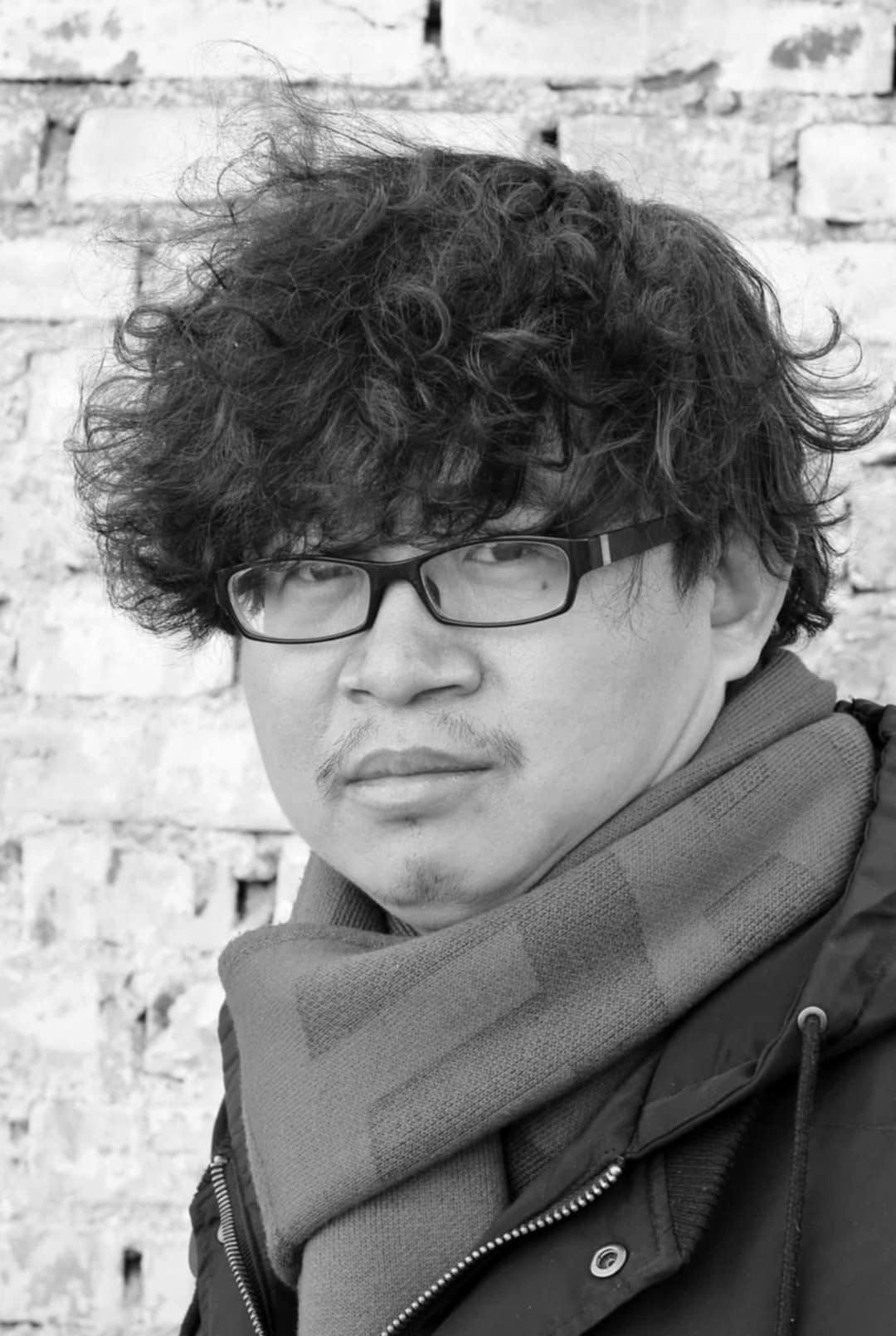
Inomova Muazzam Akramjon qizi Studente magistrale, 2° anno, Dipartimento di Lingua e Letteratura Uzbeka, Istituto pedagogico statale di Namangan
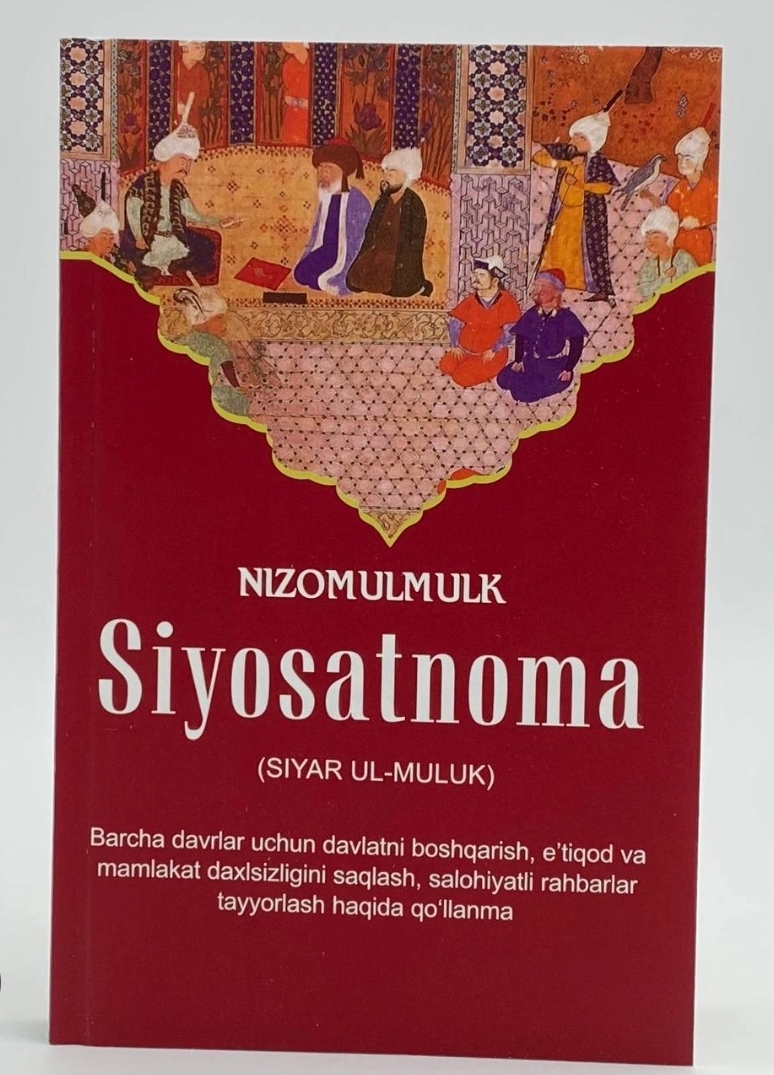
Annotazione: Questo articolo discute le forme di governo statale e i principi di giustizia, con particolare attenzione ai sistemi di amministrazione statale. Vengono svelate le caratteristiche uniche dell’opera e analizzati i commenti ai racconti in essa contenuti. Vengono identificate le differenze tra quest’opera e altre, in particolare le caratteristiche distintive dei racconti, le loro radici storiche e lo sviluppo degli eventi. Viene sottolineata l’attualità dei temi trattati nell’opera e vengono forniti confronti con altre opere letterarie. L’articolo evidenzia inoltre che “Siyasatnama” (Il Libro del Governo) ) costituisce un’opera esemplare di letteratura didattica.
Parole chiave: amministrazione statale, scienze politiche, principi politico-morali, giusta governance, funzionari statali, governanti e altri.
Il “Siyasatnama” di Nizam al-Mulk è riconosciuto non solo in Asia centrale, ma anche in tutta Europa, come uno dei migliori esempi di letteratura didattica. Il libro, scritto da Nizam al-Mulk – il cui pseudonimo significa “Ordine della Religione” – era originariamente composto da 35 capitoli, successivamente ampliati a circa 50. Si differenzia da molte altre opere didattiche in quanto, mentre altre enfatizzano principalmente la teoria, il “Siyasatnama” abbina ogni sezione teorica a storie illustrative corrispondenti, il che ne migliora la comprensione e ne consente l’applicazione pratica.
L’opera è stata ampiamente analizzata da numerosi linguisti e studiosi di letteratura stranieri. È stata fonte di vari riferimenti di scienze politiche, programmi e materiali didattici. Ancora oggi, rimane una guida preziosa per le generazioni future. A differenza di altre opere come “Qutadg’u Bilik”, che presenta quattro personaggi principali, “Siyasatnama” non ha protagonisti specifici. Nizam al-Mulk presenta prima spunti teorici sulla governance e sulle qualità di un sovrano ideale, per poi supportarli con due o più aneddoti illustrativi.
Queste storie non si concentrano su un singolo eroe; ognuna presenta personaggi diversi, molti dei quali ispirati a figure storiche: sovrani noti per la loro giustizia e saggezza nello stato selgiuchide e in altre regioni. Alla fine dell’opera, i lettori acquisiscono non solo conoscenze politiche, ma anche insegnamenti morali su onestà e correttezza, rilevanti non solo per i sovrani ma per tutti.
Originariamente scritto in persiano, “Siyasatnama” è stato tradotto in arabo, russo e inglese, a ulteriore prova del suo significato politico e storico. Attraverso questo libro, è possibile studiare la struttura amministrativa, i principi etici e la filosofia politica dell’Impero selgiuchide. L’opera rimane una fonte preziosa sia per gli studiosi di letteratura che per gli storici: per gli storici, offre una visione autentica del governo selgiuchide; per gli studiosi di letteratura, offre un ricco valore artistico, semplicità e significativa brevità, qualità che continuano ad attrarre l’attenzione degli studiosi.
Informazioni sull’autore: Inomova Muazzam Akramjon qizi è nata il 16 agosto 1999 nel distretto di Mingbuloq, nella regione di Namangan. Si è diplomata presso la 13a scuola DIM del suo distretto e in seguito ha completato gli studi universitari in Filologia Uzbeka presso l’Università Statale di Fergana. Attualmente è studentessa al secondo anno di master presso l’Istituto Pedagogico Statale di Namangan.
Riflessioni preziose inerenti “La filosofia dell’ amore” e un “Inno dell’ Essere” scritte dal professore iracheno Kareem Abdullah.
Genesi dell’universo consisteva nel silenzio del prolungamento sull’ espansione della vita umana, sopra una pagina bianca sulla quale iniziava la melodia. Il sentimento dell’amore, sempre nel cordone ombelicale, in custodia al grembo perenne dove la luce celestiale pulsa nel riconoscere d’essere lui stesso la voce del risveglio a nuova vita, catarsi di ciascuno nell’ incontro durante l’ esistenza. Nel religioso silenzio non c’era comunicazione tranne lo squarcio del guscio solare che si schiudeva al nuovo giorno sollecitando di risorgere alla vita. L’amore generatore assoluto per opera dello spirito trascendente della vita pulsante ha partorito la Terra e non viceversa. Tutto è nato dalla prima notte di Luce quando dall’unione con l’amore iniziò a scrivere poesia che resterà immortale Elisa Mascia
Filosofia dell’Amore — Inno dell’Essere Di: Kareem Abdullah – Iraq
L’universo non era altro che respiri sospesi tra il nulla e la luce, e il silenzio estendeva le sue dita sulla superficie dell’esistenza come se suonasse la prima nota. Nel grembo dell’eternità, l’amore tremava come una stella che si risveglia al suono della propria voce. Non c’era linguaggio, solo un fremito che sussurrava all’orizzonte: Sorgi, o Vita. L’amore non è nato dal cuore della terra, ma la terra è nata dal battito dell’amore celeste. E quando la luce ha attraversato la sua prima notte, le anime brillarono come lettere ancora da scrivere, e l’inizio è stato… nell’ amore. * Ogni amore è bello, finché l’amato non lo divora, perché l’amore non divora, ma scioglie i confini come una stella che riversa la sua notte in un’altra notte, dando vita a un unico sole… senza nome. Sulle vette celestiali che gli uccelli non possono raggiungere, il segreto viene svelato: tutto si unirà a tutto, non sciogliendosi… ma riempiendosi. E lì, dove non esiste altro linguaggio se non la comprensione, l’anima diventa una dimora per innumerevoli persone care. * Nel cuore giace una mappa incompiuta. La creatività non è altro che un desiderio per la bellezza sconosciuta, quello che desideriamo abbracciare ma in cui non siamo in grado di fonderci. L’universo stesso è innamorato, insegue la sua ombra attraverso l’eternità e ride quando intravede il suo volto nel volto di colui che ama. * Ogni intimità è magnifica. Ogni piccolo sussurro apre una finestra sull’orizzonte. Chi teme il fuoco della parentela (vicinanza) non creerà mai una sola stella in questo vuoto. La paura è una morte prematura e l’amore è una nascita che non conosce tomba. * Nelle profondità intime, le parole inespresse di Dio vengono rivelate. La cultura non è altro che un’eco incompleta di ciò che accade nel silenzio assoluto dentro l’anima. Lì… dove si scrivono poesie che non possono essere lette, e si ode un inno che non può essere portato dall’orecchio. * O anime erranti, la privazione della beatitudine celeste spinge l’uomo a una sete inestinguibile, una sete che lo trascina verso gli animali o a Satana, a meno che il vecchio io non muoia dentro di noi, a meno che non scegliamo di vivere sulla terra… con il pulsare del cielo. Perché chi non accende la lampada del suo cuore sarà consumato da solo dalla notte della lussuria. * Il desiderio non è un peccato. È un desiderio di Dio. È il ponte tra due corpi che si uniscono, salendo la scala dell’invisibile mentre Dio ascende al Suo Sé. E quando la lussuria si fonde nella sua luce, si apre una porta tra i cieli. * La femminilità non è un’ombra e la mascolinità non è una spada; insieme, sono due fiumi che si incontrano per diventare un unico mare. Il corpo non è una catena, ma il sigillo della verità e la testimonianza dell’anima che ha vissuto e ha osato amare. * Solo l’amore decide quale parte di noi attraverserà l’altra vita. I figli non sono la meta, ma il cammino, il cammino verso Dio attraverso il puro sacrificio. Perché ogni nascita è un pezzetto di Paradiso aggiunto al suolo di questo Pianeta, e ogni sacrificio all’interno della famiglia è una pace verso la scala dell’eternità. * Quando un uomo e una donna si uniscono, non nasce solo un bambino, ma un nuovo essere singolare: *il noi* che trascende *l’io* e *il tu*. Questo è il vero matrimonio: una piccola morte e una vita più grande. Un’unione tra impermanenza ed immortalità, dove Dio sussurra da dietro il velo. * L’amore spirituale, se separato dal corpo, diventa una trappola per il sangue, un cappio mortale per l’anima. Quanto all’amore completo… è una vittoria sulla morte, una trasformazione del transitorio nella luce eterna che risplende ed è un’apertura del cammino tra i sensi e il cielo. * O voi che abitate tutte le epoche, o voi che camminate a piedi nudi sulle fiamme del desiderio, sappiate che l’amore non è una poesia fugace, ma l’alba che non tramonta mai, il vento che porta l’esistenza a sé, il segreto attraverso il quale il corpo si unisce a Dio, e Dio all’uomo… e l’uomo a tutto ciò che è stato e sarà. * Così parlò la galassia… Così cantava il primo amante quando vide il suo volto nel volto dell’altro: Io non sono io… Io sono *noi*. E da quel momento, non c’è stato altro amore nell’universo se non uno, che respira attraverso mille nomi e nasce in ogni cuore a modo suo.
Karim Abdullah -Iraq Lettura poetica in italiano a cura di Elisa Mascia -Italia —
Philosophy of Love — Anthem of Being By: Kareem Abdullah – Iraq The universe was but suspended breaths between nothingness and light, and silence extended its fingers over the surface of existence as if playing the first note. In the womb of timelessness, love trembled like a star awakening to the sound of its own voice. There was no language, only a quiver whispering to the horizon: rise, O Life. Love was not born from the heart of the earth, but the earth was born from the beat of celestial love. And when light passed through its first night, souls sparkled like letters yet to be written, and the beginning… was a lover. * Every love is beautiful, as long as the beloved does not devour it, for love does not devour, but melts boundaries like a star pouring its night into another night, giving birth to a single sun… with no name. In celestial peaks untouched by birds, the secret is revealed: everything will unite with everything, not by melting… but by filling. And there, where no language exists but insight, the soul becomes a home for countless lovers. * In the heart lies a map unfinished, creation is nothing but a longing for the beautiful unknown, that which we wish to embrace but cannot merge with. The universe itself is a lover, chasing its shadow across eternity, laughing when it sees its face in the face of the one it loves. * Every intimacy is magnificent. Every small whisper opens a window to the horizon. Those who fear the fire of closeness will never create a single star in this void. Fear is an early death, and love is a birth that knows no grave. * In the intimate depths, the unspoken words of God are revealed. Culture is but an incomplete echo of what transpires in the absolute silence within the soul. There… where poems are written but not read, and an anthem is heard but not carried by the ear. * O wandering souls, the deprivation of heavenly bliss drives man to an unquenchable thirst, a thirst that pulls him toward either the animal or the devil, unless the old self dies within us, unless we choose to live on earth… with the pulse of the sky. For he who does not light the lamp of his heart will be consumed by the night of desire alone. * Desire is not a sin. It is a longing for God. It is the bridge between two bodies that unite, ascending the ladder of the unseen as God ascends to His Self. And when desire melts into its light, a door opens between the heavens. * Femininity is not a shadow, and masculinity is not a sword; together, they are two rivers that meet to become one sea. The body is not a chain, but the seal of truth, and the testimony of the soul that it lived, and dared to love. * Only love decides which part of us will cross into the other life. Children are not the goal, but the path, the path to God through pure sacrifice. For every birth is a piece of paradise added to the soil of this planet, and every sacrifice within the family is a ladder to eternity. * When man and woman unite, it is not only a child that is born, but a new singular being: *the we* that transcends *the I* and *the you*. This is the true wedding: a small death, and a greater life. A union between impermanence and eternity, where God whispers from behind the veil. * Spiritual love, if separated from the body, becomes a trap for blood, a noose of death for the soul, but complete love… is a victory over death, a transformation of the transient into the eternal light, and an opening of the path between the senses and the sky. * O you who dwell in all ages, O you who walk barefoot on the flames of longing, know that love is not a fleeting poem, but the dawn that never sets, the wind that carries existence to itself, the secret by which the body unites with God, and God with man… and man with all that was and will be. * Thus spoke the galaxy… thus sang the first lover when he saw his face in the face of the other: I am not I… I am *we*. And since that moment, there has been no love in the universe but one, breathing through a thousand names, born in every heart in its own way.
— فلسفة الحب — نشيد الكينونة بقلم : كريم عبدالله – العراق
كان الكونُ أنفاسًا معلّقةً بين العدم والضياء، والصمتُ يمدّ أصابعه على صفحة الوجود كمن يعزف نغمةً أولى، وفي رحم اللازمنِ ارتجف الحبّ كنجمةٍ تستيقظ على صوت نفسها. لم تكن هناك لغة، بل رعشةٌ تهمس للأفق: انهضي يا حياة . الحبّ لم يولد من قلب الأرض، بل الأرض وُلدت من خفقةِ حبٍّ سماوي، وحين عبر النورُ ليله الأول، كانت الأرواحُ تلمع كحروفٍ لم تُكتب بعد، وكانت البداية… عاشقة . * كلُّ عشقٍ جميلٌ ما لم يلتهم المحبوب، فالحبّ لا يفترس، بل يذوّب الحدود كنجمةٍ تسكب ليلها في ليلٍ آخر، فتولد شمسٌ واحدة… لا تملك اسماً. في قممٍ سماويةٍ لا تصلها الطيور، يتجلّى السرّ: كلّ شيء سيتّحد بكلّ شيء ، لا بالذوبان… بل بالامتلاء. وهناك، حيث لا لغة سوى البصيرة، تصبح الروح بيتاً لعددٍ لا يُحصى من الأحبّة. * في القلب خريطةٌ لم تكتمل، الإبداع ليس سوى لهفةٍ نحو المجهول الجميل، ذاك الذي نرغب في معانقته ولا نقدر على الانصهار فيه. الكون نفسه عاشقٌ، يُلاحق ظلَّه عبر الأبد، ويضحك حين يلمح وجهه في وجه مَن يحب. * كلّ حميمٍ، عظيم. كلّ همسةٍ صغيرة، تفتح شرفةً على المدى. من يخاف من حريق القربى لن يخلق نجمةً واحدة في هذا العدم. الخوفُ موتٌ مبكر، والعشق ولادةٌ لا تعرف مقبرة. * في الأعماق الحميمية تتجلّى كلمات الله التي لا تُقال. الثقافةُ ليست إلا صدى ناقصاً لِما يحدث في صمتٍ مطلقٍ داخل الروح. هناك… حيث تُكتب قصائد لا تُقرأ، ويُسمع نشيدٌ لا تُحمله الأذن. * أيتها الأرواح التائهة، إن الحرمان من النعيم السماوي يدفع الإنسان إلى عطشٍ لا يُروى، عطشٍ يجرّ إلى الحيوان أو إلى الشيطان، إلا إن مات القديم فينا، إلا إن اخترنا العيش في الأرض… بنبض السماء. فمن لا يشعل مصباح قلبه، يأكله ليلُ الشهوة وحده. * الرغبةُ ليست خطيئة. إنها توقٌ إلى الله. هي الجسر بين جسدين يتحدان، فيصعدان سلّم الغيب كما يصعد الله إلى ذاته. وحين تذوب الشهوة في نورها، يُفتح بابٌ بين السماوات. * الأنوثة ليست ظلّاً، والذكورة ليست سيفاً، بل هما معاً: نهران يلتقيان ليصيرا بحراً. الجسد ليس قيداً، بل ختمُ الحقيقة، وشهادةُ الروح على أنها عاشت، وتجرّأت أن تحب. * وحده الحبّ يقرّر أيُّ جزءٍ منا سيعبر إلى الحياة الأخرى. الأبناء ليسوا الغاية، بل الطريق، الطريق إلى الإله عبر التضحية الطاهرة، فكل ميلادٍ هو قطعةٌ من الفردوس تُضاف إلى تراب هذا الكوكب، وكلّ تضحيةٍ في حضن العائلة هي سلّمٌ نحو الأبد. * حين يتّحد الرجل والمرأة لا يولد طفلٌ فقط، بل يولد كائنٌ واحدٌ جديد: الـ نحن التي تتجاوز الـ أنا والـ أنت . هذا هو العرس الحقيقي: موتٌ صغير، وحياةٌ أكبر. زفافٌ بين الفناء والخلود، حيث يهمس الله من خلف الستار. * الحبّ الروحي إن انفصل عن الجسد يصير فخّاً للدم، حبلَ موتٍ يُحكم على الروح، أما الحبّ الكامل… فهو انتصارٌ على الموت، تحويل الزائل إلى سرمدٍ يضيء، وفتحُ الطريق بين الحواس والسماء. * يا من تسكنون العصورَ كلّها، يا من تمشون حفاةً على لُهب الشوق، اعلموا أن الحب ليس قصيدةً عابرة، بل هو الفجر الذي لا يغرب، الريح التي تحمل الوجود إلى ذاته، السرّ الذي به يتحد الجسد بالله، والله بالإنسان… والإنسان بكلّ ما كان وسيكون. * هكذا قالت المجرة… هكذا غنّى العاشق الأول حين رأى وجهه في وجه الآخر: أنا لست أنا… أنا نحن . ومنذ ذلك الحين لم يعد في الكون سوى حبٍّ واحد يتنفس بألف اسم، ويولد في كل قلبٍ على طريقته.
La poetessa e attrice Gordana Saric Promotrice culturale e Ambasciatrice della Pace nel mondo, lettrice assidua del quotidiano online Alessandria today direttore Pier Carlo Lava, parla della sua esperienza poetica per le sue poesie spesso pubblicate tra le pagine del citato quotidiano. Esprimere la gratitudine è doveroso poiché la sua testimonianza da condividere, oltretutto è una gradita recensione presso gli studi televisivi di TELEVIZIJA PODGORICA intervistata dalla giornalista Sandra Milicevic nell’ ambito del programma “DIALOGUE CAFFE”. Elisa Mascia autrice
” TELEVIZIJA PODGORICA Inserimento tratto dal programma di 50 minuti DIALOGUE CAFFE, della meravigliosa autrice Sandra Milicevic in cui parlo di Elisa Mascia dall’ITALIA, grande poetessa e promotrice culturale, autrice della rivista ALESSANDRIA TODAY che pubblica le mie poesie, ovviamente in italiano, e di Kareem Abdullah, famoso poeta, critico letterario e regista teatrale che commenta splendidamente le mie poesie e mi ha incluso nell’Antologia mondiale “POESIE DALLE DITA MORBIDE” Gordana Saric
Pjesnikinja i glumica Gordana Šarić, kulturna promotorica i ambasadorica svjetskog mira, te redovita čitateljica online novina Alessandria Today, koje uređuje Pier Carlo Lava, govori o svom poetskom iskustvu u svojim pjesmama, često objavljenim u spomenutim novinama. Primjereno je izraziti zahvalnost, jer je njezino svjedočanstvo vrijedno dijeljenja, a ujedno je i dobrodošla recenzija u televizijskom studiju TELEVIZIJE PODGORICA, gdje ju je intervjuirala novinarka Sandra Miličević u sklopu programa “DIALOGUE CAFFE”. Elisa Mascia autrice “TELEVIZIJA PODGORICA Insert iz 50 minutne emisije DIJALOG CAFFE,divne autorke Sandra Milicevic gdje govorim o Elisa Mascia iz ITALIJE ,sjajnoj pjesnikinji i kulturnom posleniku, urednici časopisa ALESSANDRIA TODAY koja objavljuje moje pjesme,naravno na talijanskom ,i o Kareem Abdullah ,poznatom pjesniku ,književnom kritičaru i pozorišnom reditelju koji daje divne komentare za moje pjesme i uvrstio me u svjetsku Antologiju” NJEŽNE RUKE” Gordana Saric
Alzati, svegliati… Sorgi dalle ceneri del dolore in cui sei imprigionato… Non lasciare che le ondate di ansia sommergano la tua voglia di vivere…
Perché sei tu che controlli i tuoi pensieri, sei tu che puoi anche quando non può, quando l’oscurità si forma davanti a te e cerca di inghiottire il tuo sorriso, tu non glielo permetti…
Perché non vivi nell’oscurità, vivi nella luce che nuota nella tua anima, che abbraccia il tuo cuore, che illumina la tua mente e crea ogni tuo giorno.
Hai vinto in modo invincibile finora, lasciando tracce della tua lotta, in un luogo che pochi conoscono. Sei riuscita ad attraversare tutti i ponti delle sfide, ti sei inginocchiata, hai calpestato, hai morso…
Hai spezzato i rami del dolore con la forza della tua anima, li hai fatti a pezzi, finché non sono diventati polvere… Sei caduta, ti sei rialzata, hai innaffiato i petali del tuo cuore con le lacrime… Sei stata ferita, ma non ti sei ferita, sei rimasta tua e non di tutti… Sei quella che crede, che si è scrollata di dosso la polvere e si è mossa…
E non lasciarti mai, mai, lasciare sui vecchi sentieri battuti dove tutti hanno camminato… Percorri i tuoi sentieri, voli con le tue ali, perché hai volato anche con un’ala… Ci hai messo molto tempo perché anche l’altra guarisse…
Ma è guarita… Perciò, vola, donna, viaggia… E non sconfiggere mai te stessa!
Solo tu puoi risvegliare il canto e gli uccelli silenziosi tra i rami stellati puoi agitare il mare calmo e ravvivare il cuore con parole incantevoli.
Il pensiero di te mi abbraccia da lontano il ricordo di uno sguardo crea magia così la mia anima stessa corre verso di te attraverso i sentieri del calore ardente.
Pensavo che fossi il passato già dimenticato che fossi un ricordo addormentato sotto il sole senza splendore e tu di nuovo dal turbine delle ombre mi riporti tra le braccia dei sospiri.
Gordana Saric
U NARUČJU UZDISAJA Samo ti možeš pjesmu probuditi i ćutljive ptice medj granjem zvjezdanim možeš mirno more uzburkati oživjeti srce riječima zanosnim.
Misao na tebe daljinom me grli sjećanje na pogled magiju stvara pa mi duša sama tebi hrli putevima plamenoga žara.
Mislila sam da si prošlost već zaboravljena da si sjećanje zaspalo pod suncem bez sjaja a ti ponovo iz vrtloga sjena vraćaš me u naručje uzdisaja.
Gordana Saric
Leggi anche 👇https://alessandria.today/2025/11/03/gordana-saric-e-la-sua-poesia-tra-le-braccia-dei-sospiri-pubblicazione-di-elisa-mascia-italia/
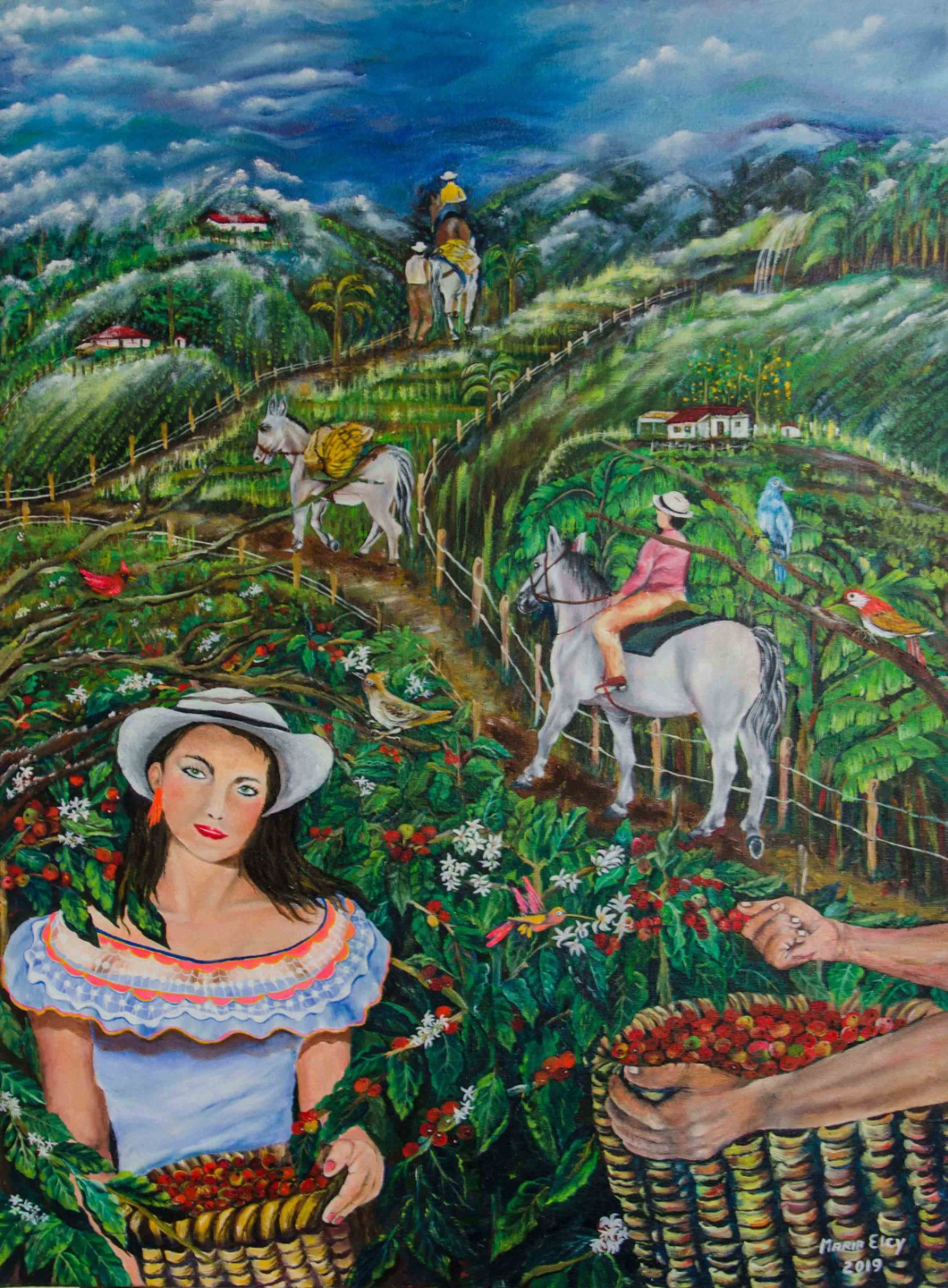
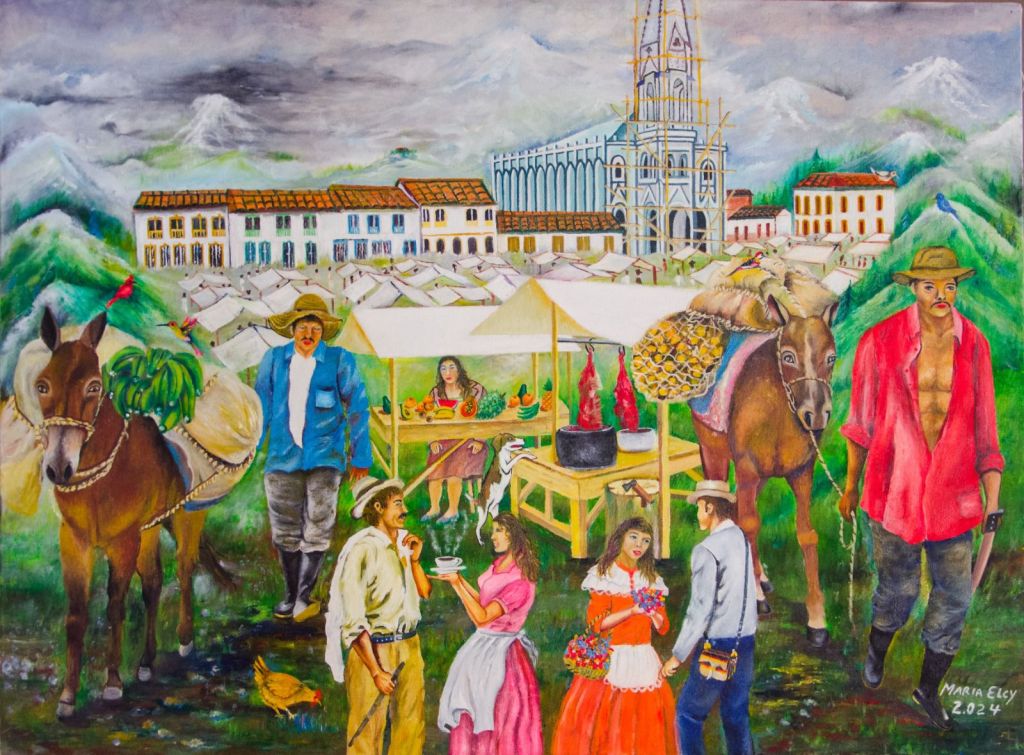
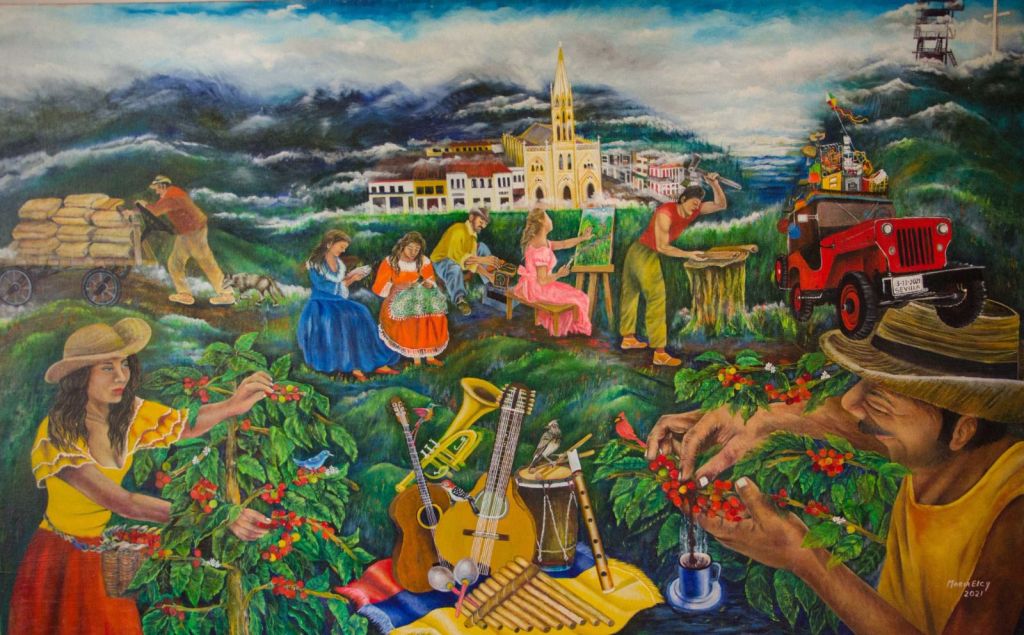
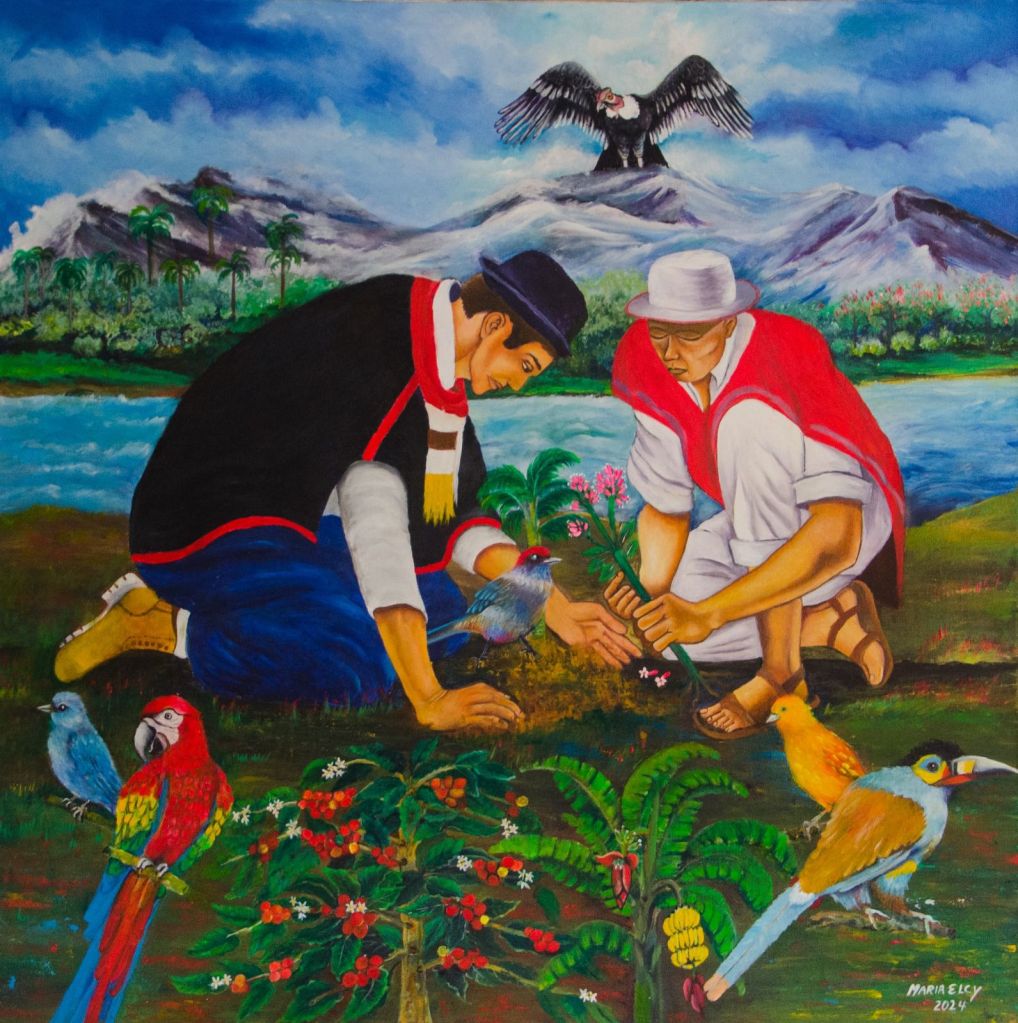
Foto cortesia dell’ opera d’arte di Maria Elcy Ramirez Quartas – Colombia
Biografia MARIA ELCY RAMIREZ QUARTES
Sono nata in Samaria, quartiere di Siviglia e ho vissuto la mia adolescenza tra Siviglia e San Antonio.. Figlia di Miguel Antonio Ramirez Guarín contadino di sogni montanari e coltivatore di professione , mia madre Estefanía Cuartas Gallego modista di professione mentre cantava e scriveva versi Fu lì che nacque la mia ispirazione in un ambiente caldo e amorevole dove MANI DEGNE e GIUDIZIOSE mi insegnarono il valore del lavoro onesto . Crescere tra paesaggi di caffè, tramonti e albe che solo Siviglia possiede, godere dei costumi e la quotidianità della mia gente contadina . ha forgiato la mia anima e il mio progetto artistico. Per questo mi approprio dei paesaggi come sfondo per contestualizzare la scena principale delle mie Opere la maggior parte focalizzate sul mio progetto di rendere un Omaggio ai Mestieri del passato che rifiutano di scomparire… Mestieri che hanno fatto storia, civiltà, idiosincrasie, modi di essere e di pensare con un carico d’Arte e tradizione che costituivano le radici più profonde dei popoli e la loro identità.
La mia opera è . Mio stile : Costumbrismo Figurativo Tematica : I mestieri
Domande 1- Le radici come linguaggio dell’anima Maria Elcy, nei tuoi racconti emerge un’infanzia immersa tra i caffè, i tramonti e le mani laboriose della tua gente. In che modo queste immagini si trasformano in pennellate e diventano parte viva della tua opera?
1) Collegarmi con le mie radici culturali mi ha dato un senso di appartenenza , sentendomi sempre più orgogliosa della mia origine contadina, della mia famiglia e delle tradizioni del mio laborioso popolo. Quella memoria sostiene il mio presente, portandomi in quei luoghi dove ho amato la vita, i miei caffè fioriti avvolti in paesaggi di nebbia e bei tramonti . E lì raccoglitori, raccoglitrici di caffè e altri contadini che concedono la territa con le loro mani DEGNE , e seminano semi d’amore il futuro cibo della loro famiglia.
2- L’eredità delle mani degne e giudiziose Hai parlato spesso delle “mani degne e giudiziose” che ti hanno insegnato il valore del lavoro onesto. Cosa rappresentano per te oggi, come donna e come artista, quelle mani che costruivano con pazienza il mondo intorno a te?
2) L’eredità di quelle mani degne e giudiziose che lavorano con amore i loro Uffici sono esempi di sacrificio, pazienza, tempo e Arte che meritano riconoscimento. Come una donna le mie mani accarezzano , accettano , guidano, consolano ,abbracciano ‘fanno sentire amati i miei figli e nipoti. Anche con le mie mani vestire la mia casa di tenerezza , so coccolare la mia famiglia a tavola preparandogli i loro piatti preferiti… e con il mio mestiere di pittrice trasmetto anche valori. Come artista vedo l’inestimabile valore delle mani femminili in tutta la storia dell’umanità…
3- Omaggio ai mestieri dimenticati Nel tuo progetto artistico rendi omaggio ai mestieri del passato. C’è un mestiere, tra tutti, che senti più vicino al tuo cuore o che racconta meglio la tua stessa identità?
3 )Mestieri dove prevaleva la creatività, spirito di lotta, sforzo, originalità. E fa male vedere i saperi ancestrali scomparire nell’oblio e non è stato giusto.
Il mestiere della sarta. È stato lo strumento di lavoro per il sostentamento di migliaia di donne nel mondo che lottano da sole per far crescere le loro famiglie.
4- La donna e la tradizione Tua madre era modista, ma anche poetessa e cantante. Quanto di quella fusione tra artigianato e arte poetica si ritrova oggi nel tuo modo di creare?
4) Quella fusione la vedo come un dialogo genuino molto dell’anima fra il sensoriale con le mani e la mente creativa.Era !UN POEMA! così la descrive mio fratello lo scrittore e Poeta Aldemar Ramírez Cuartas Dipingo ciò che mi commuove, esseri umani nobili e semplici che cantano la vita attraverso il loro lavoro. Esalto e onoro anche la donna, chiarendo la sua importanza attraverso la civiltà, il suo ruolo nella creazione e formazione di valori.
5- Paesaggio come memoria I paesaggi di Siviglia non sono solo sfondo, ma partecipano emotivamente alla scena delle tue opere. Possiamo dire che per te la natura è una memoria viva più che un elemento estetico?
5) Certo che sì. Il paesaggio in me Opera è luce sognante, lo considero come Opera Divina e mi appropriò della sua bellezza nelle albe e nei tramonti con l’armonia di tutti i suoi colori nell’universo. In questo modo ringrazio Dio nostro Padre per la bellezza della creazione. E i paesaggi di Siviglia, la mia città natale sono vivaci, lussureggianti, abbiamo un polmone naturale di lagune proprie che regolano l’arrivo dell’acqua ai miei caffè . E tutta questa bellezza abbracciando i miei contadini nei loro Uffici.
6- Il costumbrismo come atto di resistenza In un mondo dominato dalla velocità e dall’oblio, scegliere il costumbrismo figurativo sembra quasi un gesto di ribellione. Ti senti una custode della memoria collettiva?
6) Vorrei che potessimo esserlo tutti.
7- Tra sogno e mestiere Tuo padre era un “contadino di sogni”. Ti riconosci in questa definizione? In che modo il sogno continua a essere parte del tuo mestiere di artista?
7) I sogni come fonte di ispirazione e creatività nell’artista, sono questa forza che ci invita a realizzare un’Opera d’Arte. Personalmente mi ha coinvolto così tanto nei sogni dei miei personaggi che finisco per pensare più ai loro sogni che ai miei. E immagino un contadino che semina nel suo aratro i semi. che saranno i frutti che nutriranno la sua famiglia . O portando il suo raccolto, frutto del suo lavoro al mercato della città.. È così che sto intrecciando storie in colori e paesaggi sulle mie tele.
8- Identità e futuro I tuoi quadri raccontano ciò che rischia di scomparire. Cosa speri rimanga, attraverso la tua arte, alle nuove generazioni che forse non conoscono più quei mestieri, né quella lentezza del vivere?
8 ) Vedo con tristezza come la tecnologia e la scienza si siano quasi portate fino a cancellare antichi Mestieri dove le famiglie si riunivano, gli Operai si guardavano negli occhi e diventavano quasi fratelli. È vero e necessario che le società progrediscano e progrediscano, ma non era giusto che si portino via realtà con un carico di ARTE, tradizione sforzo, modi di pensare e di vivere, costumi più umani e così teneri… che facevano parte delle nostre radici. Voglio che nelle nuove generazioni rimanga quel desiderio di creare, che si lascino trasportare da ciò che il cuore dice loro, che la più pura fonte d’ispirazione è dentro di noi…Lasciamo che questa luce abbracci la bellezza dell’universo e la nostra biodiversità.
Aforismi del fratello
1-AGONIA VERDE
L’albero della foresta, trasformato in braci, grida il suo dolore… in lingue di fuoco.
La Pagoda Centro Culturale Locitanis-Tablones Poesia Zen: di Aldemar Ramirez Chartas Colombia
2- EROTISMO
Più che dire “ti amo”, è accarezzarti senza parole, come l’acqua del fiume accarezza le pietre dei suoi torrenti.
La Pagoda Centro Culturale Lacitania-Tahlanes Poesia Zen: di Aldemar Ramirez Cuartas Colombia
3- TRISTEZZA
La luna pianse quando il boscaiolo, con la sua ascia, ne abbatté l’ombra sugli alberi.
La Pagoda Centro Culturale Laritania Tahismes Poesia Zen: di Aldemar Ramirez Cuartas, Colombia
Poesia del fratello LASCIATECI INEBRIARE… DI VITA (C SENIllANA)
Inebriamoci appassionatamente. Beviamo un sorso d’uva matura e di canna da zucchero in fiore. Trabocchiamo di felicità come il bicchiere di cristallo sul vino, come il brandy bianco sul vino, con il dolce profumo dell’anice, con il sapore puro della canna da zucchero.
Inebriamo le nostre anime dal tramonto all’alba, circondati da amici e familiari, con occhi pieni di speranza azzurra nella gratitudine, nell’indifferenza e nella nobiltà… lasciamoci rapire da parole gentili, da una bella poesia d’amore, dalla pittura, dall’arte e dalla vita.
Beviamo senza malinconia; bere per qualcosa di più del piacere è sacro… lasciamo andare i nostri dolori con il vento che passa, e con esso la stanchezza che in questo sacro rito disturba, infastidisce e ferisce la gioia delle anime viventi.
Beviamo… ancora e ancora. Finché non restiamo senza parole… Senza parole, e allora rivolgiamoci alla nostra immaginazione per evocare immagini fantastiche e colorate degli occhi più belli… delle labbra più carnose. Di quegli amori che un giorno ci hanno rubato. La parte più alta del nostro lato sinistro, “il cuore, e improvvisamente con esso… i nostri segreti”.
Ubriachiamoci di pasillos e cumbias, balliamo tutte le volte che è necessario quel vecchio tango che negli anni passati ci ha riempito di piacevole gioia. Spolveriamo l’acetato delle ballate e ricordiamo quei momenti che la vita ci ha regalato un giorno.
Beviamo tutta la notte, spremiamo il flusso del tempo goccia a goccia… con infinito piacere e un bicchiere di Bacco in più, stringiamo le mani al ritmo di un vecchio e gioioso aneddoto.
Non beviamo da soli, è impossibile… con tutta la luce brillante che ci circonda. Condividiamo questo momento divino con il mare, il fiume e le montagne. Divertiamoci, urliamo, rotoliamoci nella terra, nell’erba e persino nel deserto, scrollandoci di dosso quel bambino giocoso che tutti abbiamo dentro.
E quando l’ultima… goccia… di liquore sarà finita… urliamo ai quattro venti… che siamo ubriachi, alticci, inebriati, gioiosi e pieni di vita, di amore, di speranze, di sogni… di amicizia e di tanti ricordi sivigliani.
Autore: Aldemar Ramírez Cuartas
Biografia MARÍA ELCY RAMÍREZ CUARTAS Nací en Samaria corregimiento de Sevilla y viví mi adolescencia entre Sevilla y San Antonio.. Hija de Miguel Antonio Ramirez Guarín labriego de sueños montañeros y caficultor de profesión , mi madre Estefanía Cuartas Gallego modista de profesión mientras cantaba y escribía versos Fué allí donde nació mi inspiración en un ambiente cálido, amoroso donde MANOS Dignas y JUICIOSAS me enseñaron el valor del trabajo honesto . Crecer entre paisajes cafeteros, atardeceres y amaneceres que sólo Sevilla posee, disfrutar de costumbres y la Cotidianidad de mis Gentes campesinas .. forjó mi alma y mi proyecto artístico. Por ésto me apropió de paisajes como fondo para contextualizar la escena principal de mis Obras la mayoría enfocadas en mi proyecto de rendirle un Homenaje a los Oficios del pasado que se niegan a desaparecer… Oficios que hicieron historia, civilización, idiosincrasia, maneras de Ser y de pensar con una carga de Arte y tradicion que constituían las raíces más profundas de los pueblos y su identidad.
Mi Obra es . Mí estilo : Costumbrismo Figurativo Temática : Los Oficios
Preguntas
1- Las raíces como lenguaje del alma María Elcy, tus historias evocan una infancia inmersa en el café, los atardeceres y las manos laboriosas de tu gente. ¿Cómo se transforman estas imágenes en pinceladas y se convierten en parte viva de tu obra?
1) Conectarme con mis raíces culturales me ha proporcionado un sentido de pertenencia , sintiéndome cada vez más orgullosa de mi origen campesino,mi familia y tradiciones de mi pueblo laborioso. Ésa memoria sustenta mi presente, llevándome a ésos lugares donde amé la vida, mis cafetales floridos envueltos en paisajes de niebla y bellos atardeceres . Y allí recolectores,recolectoras de café y otros campesinos consintiendo la tierrita con sus manos DIGNAS , y sembrando semillas de amor el futuro alimento de su familia.
2- El legado de manos dignas y juiciosas Has hablado a menudo de las “manos dignas y juiciosas” que te enseñaron el valor del trabajo honesto. ¿Qué representan para ti hoy, como mujer y como artista, esas manos que pacientemente construyeron el mundo que te rodea?
2) El legado de esas manos dignas y juiciosas trabajando con amor sus Oficios son ejemplo de sacrificio, paciencia, tiempo y Arte que merece reconocimiento. Como mujer mis manos acarician , consienten , guían, consuelan ,abrazan ,hacen sentir amados a mis hijos, y nietos. También con mis manos se vestir mi casa de ternura , sé consentir a mi familia en la mesa preparándoles sus platos preferidos…. y con mi Oficio de pintora también transmito valores. Cómo artísta veo el invaluable valor de manos femeninas a través de toda la historia de la humanidad…ellas fueron las primeras en domésticar plantas contribuyendo al desarrollo de la agricultura,con sus manos de seda tejieron y bordaron nuestra historia.
3- Homenaje a las artesanías olvidadas En tu proyecto artístico, rindes homenaje a las artesanías del pasado. ¿Hay alguna artesanía, entre todas, que sientas más cercana a tu corazón o que exprese mejor tu propia identidad?
3 )Oficios donde prevalecía la creatividad, espíritu de lucha, esfuerzo,originalidad. Y duele ver como saberes ancestrales se pierdan en el olvido y no fue justo.
El Oficio de la modista. Ha sido la herramienta de trabajo para el sustento de miles de mujeres en el mundo que luchan solas para sacar sus familias adelante.
4- Mujeres y tradición Tu madre fue modista, pero también poeta y cantante. ¿Cuánto de esa fusión entre artesanía y arte poético se puede encontrar en tu enfoque creativo actual?
4) Ésa fusión la veo como un diálogo Genuino muy del alma entre lo sensorial con manos y mente creativa.Ella era !UN POEMA! así la describe mi hermano el escritor y Poeta Aldemar Ramírez Cuartas Pinto lo que me conmueve,seres humanos nobles y sencillos que le cantan a la vida atravez de su trabajo. También exalto y dignifico a la mujer, dejando clara su importancia atravez de la civilización, su papel en la creación y formación de valores.
5- El paisaje como memoria Los paisajes de Sevilla no son solo un telón de fondo, sino que también participan emocionalmente en el entorno de tus obras. ¿Podemos decir que para ti la naturaleza es un recuerdo vivo más que un elemento estético?
5) Por supuesto que si. El paisaje en mí Obra es luz soñadora, lo consivo como Obra Divina y me apropió de su belleza en amaneceres y atardeceres con la armonía de todos sus colores en el universo. De esta manera agradezco a Dios nuestro padre por la belleza de la creación. Y los paisajes de Sevilla mi pueblo natal son vivos, exuberantes, tenemos un pulmón natural de lagunas propias que regulan la llegada de agua a mis cafetales . Y toda ésta hermosura abrazando mis campesinos en sus Oficios.
6- El costumbrismo como acto de resistencia En un mundo dominado por la velocidad y el olvido, optar por el costumbrismo figurativo casi parece un acto de rebelión. ¿Te sientes un guardián de la memoria colectiva? 6) Ojalá todos pudiéramos serlo.
7- Entre el sueño y la artesanía Tu padre era un “granjero de sueños”. ¿Te identificas con esta definición? ¿De qué manera el soñar sigue formando parte de tu oficio como artista?
7) Los sueños como fuente de inspiración y creatividad en el artista,son esa fuerza nos invita a realizar una Obra de Arte. Personalmente me involucró tanto con los sueños de mis personajes que termino pensando más en los sueños de ellos que en los míos. Y me imagino un campesino sembrando en su arado las semillas.. que serán los frutos que alimentarán a su familia .. O llevando su cosecha,fruto de su trabajo al mercado de la ciudad.. Es así como voy tejiendo historias en colores y paisajes en mis lienzos.
8- Identidad y futuro Tus pinturas hablan de lo que está en peligro de desaparecer. ¿Qué esperas que permanezca, a través de tu arte, para las nuevas generaciones que quizás ya no conocen esos oficios ni ese ritmo de vida lento?
8) Veo con tristeza como la tecnología y la ciencia se han llevado casi hasta borrar antiguos Oficios donde las familias se reunían, los Obreros se miraban a los ojos y se convertían casi en hermanos. Es cierto y necesario que las sociedades avancen y progresan, pero no fué justo que se llevarán realidades con una carga de ARTE, tradición esfuerzo, maneras de pensar y de vivir, costumbres más humanas y tan tiernas… que formaban parte de nuestras raíces. Quiero que en las nuevas generaciones permanezca, ése deseo de crear, que se dejen llevar por lo que les diga el corazón, que la fuente más pura de inspiración está en nuestro interior…dejemos que ésa luz abrace la belleza del universo y nuestra biodiversidad.
1- AGONIA VERDE
El madero del bosque vuelto brasa grita su dolor… en lenguas de fuego.
La Pagoda Centro Cultural Locitanis-Tablones Poesía Zen: De Aldemar Ramirez Chartas Colombia
2- EROTISMO
Mas que decir te quiero, es acariciarte sin pronunciar palabras, asi como mima el agua del rio que a raudales las piedras besan.
La Pagoda
Centro Cultural Lacitania-Tahlanes Poesía Zen: De Aldemar Ramirez Cuartas Colombia
3- TRISTEZA
La luna lloró cuando el talador con su hacha, su sombra en los árboles derrumbó.
La Pagoda Centro Cultural Laritania Tahismes Poesía Zen: De Aldemar Ramirez Cuartas Colombia
Poemas de su hermano
EMBRIAGUÉMONOS… DE VIDA C SENIllANA)
Embriaguemos apasionadamente. Tomémonos un trago de uva madura e de caña en flor. Rebasenos de felicidad como la copa de cristal al vino, como el aguardiente bianco al tintere, con olor dulce de anis, con sabor purs de cafla.
Embriaguémonos nuestras almas desde el ocaso hasta el alba rodeadas de amigos y familia, con ojer Benos de azul esperanza en gratitud, Inabad y nobleza…. extaziémenos en la buena palabra, en un bello poema de amor, en la pintura, el arte y la vida
Tomemos sin melancolia; el beber más que por gusto es sagrado… mandemas las penas con el pasajero viento y con él el cansancio que en este rito sagrado perturba, fastidia y lastima la alegria de las almas vivas
Salcuremas… una y otra vez. Hasta quedar mudos…. Sin palabras y luego acudamos a nuestra imaginación para truer en fantásticas imágenes Coloridas Les ojos más lindos… los labios más carnosas. De esen amores que un dia cualquiera nas robaron. La parte más alta de nuestro castado izquierdo “el corazón y de pronto con el… Nuestros sшейоз”.
Embriaguémonos de pasillos y cumbias, reptamos cuantas veces sed necesaria Ese viejo tango que en aflos meras nos arrilló en goce placentera. Desempolvemos el acetato de baladas y recordemos esos instantes que un dia nou dio la vida
Libemos toda la noche, exprimamos el correr del tiempo gota a gota… con la infinita complacencia y una copa de más del Dios Baco, estrechemos nuestras manes al compás de una anécdota añeja y riueña.
No bebamos en soledad, imposible hacerlo… con toda la luz brillante que nos rodea. Compartamos ese divino momento con el mar, el rio y la montaña. Hagamas un jalgeria, gritemos, revolquemos en la tierra, la grama y hasta en el desierto sacundo ese niño juguetón que todos tenemos por dentro.
Y cuando la última… gota… de licor termine… gritemos a los cuatro vientos… que estamos ebrios, beoden, borrachos, alegres y achispades de vida, de amor, de esperanzas, de sueños… de amistad y de muchos recuerdos sevillanas
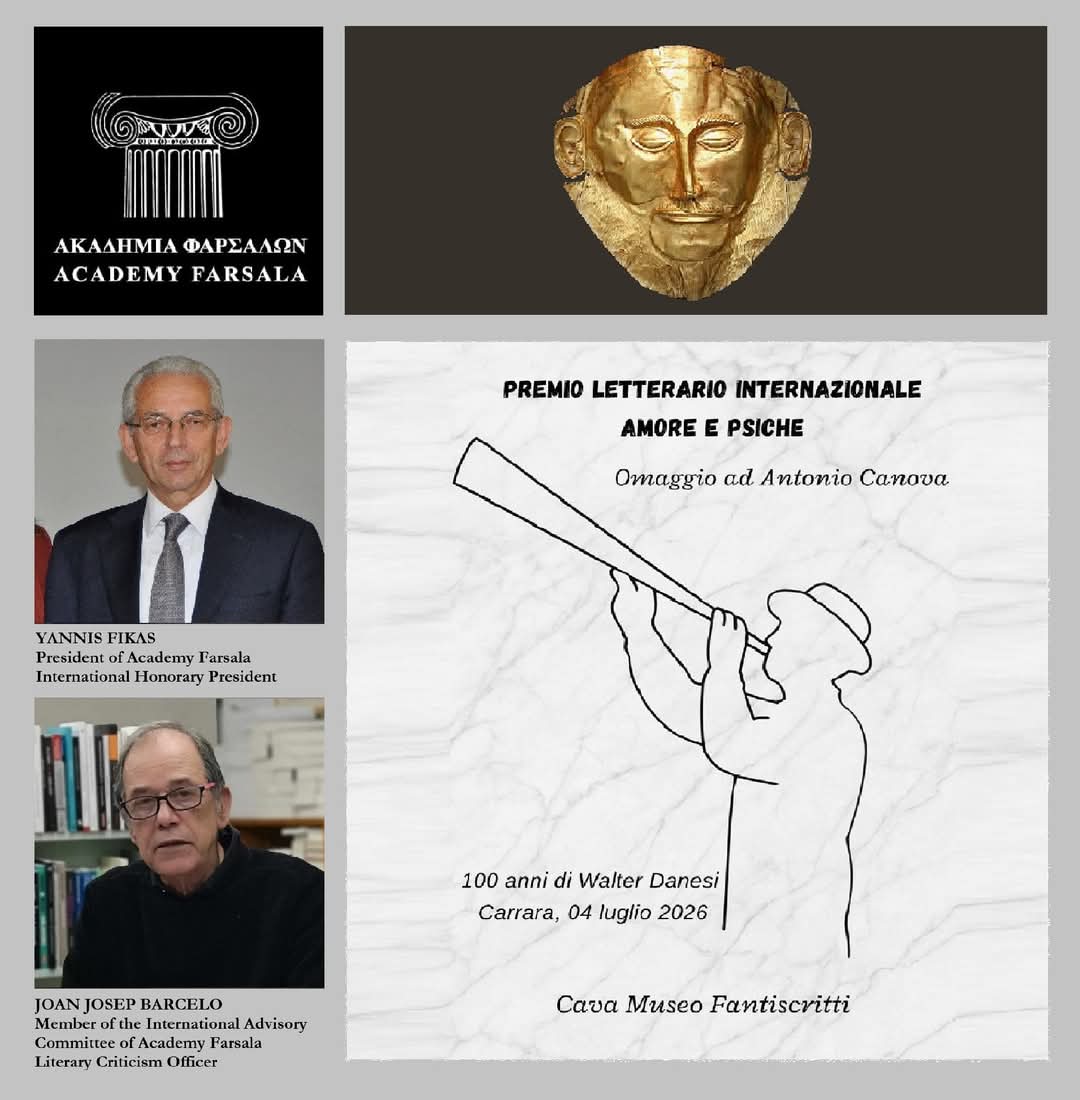
L’Accademia Farsala (Grecia) ringrazia l’Associazione Bookcrossing Massa per la collaborazione al PREMIO LETTERARIO INTERNAZIONALE “AMORE E PSICHE”.
The Academy Farsala (Greece) thanks the Bookcrossing Massa Association for its collaboration in the “AMORE E PSICHE” INTERNATIONAL LITERARY PRIZE.
PREMIO LETTERARIO INTERNAZIONALE “AMORE E PSICHE” / Omaggio ad Antonio Canova. In memoria di Gualtiero – Walter Danesi / Per la tutela dei diritti dell’infanzia e adolescenza.
“AMORE E PSICHE” INTERNATIONAL LITERARY PRIZE / Tribute to Antonio Canova. In memory of Gualtiero – Walter Danesi / For the protection of the rights of children and adolescents.
Scadenza invio opere: 31 maggio 2026. Deadline for submissions: May 31, 2026.
Cerimonia di premiazione Cava Museo Fantiscritti (Carrara), il 4 luglio 2026 con visita guidata e cena conviviale. Award ceremony at the Cava Museo Fantiscritti (Carrara), on July 4, 2026, with a guided tour and a convivial dinner.
Tutte le info, regolamento completo e invio opere → All information, complete rules, and submission instructions → premioletterarioamoreepsiche@gmail.com Instagram: Bookcrossing Massa
La poesia di Elisa Mascia “Non sono solo parole” è un’opera profondamente espressiva e luminosa che trasforma il linguaggio in un vaso di verità, lealtà e amore eterno. Fin dall’inizio, la poetessa dichiara la sua convinzione che la poesia non è una mera disposizione di parole, ma un flusso sincero di “pensieri ed emozioni che non conoscono bugie.” Questa frase iniziale dà il tono a una meditazione sulla purezza —sia emotiva che spirituale—, qualcosa che sembra svanire nel mondo odierno.
La poesia porta il ritmo della devozione e dell’affetto senza tempo. Elisa dipinge l’amore non come un’emozione fugace ma come un legame sacro e duraturo che sopravvive attraverso le generazioni. La sua immagine di “semi già radicati nel cuore” cattura la natura innata della lealtà —qualcosa che non può essere insegnato o forzato ma cresce naturalmente dall’interno. L’unione di lealtà e fedeltà è descritta come l’erezione di “pilastri di ponti” ricoperti da “petali di rose esotiche.” Questa potente metafora fonde architettura e tenerezza, dimostrando che le vere relazioni sono costruite su solide fondamenta ma adornate di bellezza e grazia.
Il riferimento a “rose fiorite nei Giardini Pensili” e “bottiglie di argilla fin dall’antica Babilonia” rivela la profonda immaginazione storica e culturale di Elisa. Ritorna abilmente in una delle sette meraviglie del mondo antico, collegando l’amore moderno con l’antica grandezza. Questo immaginario storico arricchisce la poesia con un senso di atemporalità. È come se stesse suggerendo che l’amore, nella sua forma più vera, è antico quanto la civiltà stessa — e altrettanto fragile.
Tuttavia, la poetessa non esita a lamentarsi del decadimento della verità nell’era moderna. La sua frase su come “nemmeno le rose e i fiori siano più autentici” serva da sottile critica al mondo superficiale di oggi, dove anche i simboli di bellezza non sono più puri. Questo contrasto tra il nobile passato e il presente corrotto aggiunge profondità alla poesia, trasformandola sia in una canzone d’amore che in una riflessione morale.
Elisa eleva poi il poema dal personale all’universale introducendo la figura di “il primo grande imperatore, visionario e lungimirante.” Che sia letterale o simbolico, questo imperatore rappresenta l’eterna ammirazione dell’umanità per la bellezza e l’amore. Attraverso di lui, Elisa dimostra che la vera bellezza merita riverenza nel tempo e nello spazio. La sua frase “la tua bellezza, che è venuta in ogni momento e in ogni luogo dell’Universo” amplia la portata dell’affetto — diventa cosmica, una forza che esiste oltre la mortalità.
Le battute finali trasmettono un senso di impegno sacro e un climax emotivo: “Fino alla fine della vita è il legame indissolubile che prometti e a cui impegni il tuo cuore…” Qui l’amore diventa un voto — qualcosa di indistruttibile, sigillato non dalla volontà umana ma dalla connessione divina. Il paragone con “il suono della voce che riecheggia dall’altra parte del mondo” è sbalorditivo. Ci ricorda come l’amore possa trascendere la distanza, echeggiando all’infinito come una risonanza spirituale tra due anime. La ripetizione “Ti amerò fino alla fine della mia vita” forma un ritornello poetico, avvolgendo il pezzo in un’eco senza tempo di devozione.
Ciò che rende questa poesia davvero straordinaria è la sincerità che pervade ogni immagine e ogni verso. La voce di Elisa non è né esagerata né ornamentale; scaturisce invece naturalmente da un cuore che crede nella purezza, nella costanza e nella verità spirituale. La sua dizione è classica ma accessibile, ricca di simbolismo ma mai forzata.
“Non sono solo parole” è più di una poesia d’amore — è un’affermazione di fede nel potere duraturo della verità e della fedeltà in un mondo spesso offuscato dall’inganno. Elisa Mascia riesce a trasformare l’amore in un principio divino, dimostrando che le emozioni autentiche, come la luce del sole o la fede, non mentono mai. La sua poesia brilla come un ponte tra passato e presente, cuore e anima, verità ed eternità.
In sostanza, questa poesia rappresenta un promemoria senza tempo del fatto che le parole, quando nascono dal cuore, possono davvero diventare immortali.
Prof. Raj Kishor Pattnaik
Non sono solo parole
è un fluire di pensieri ed emozioni che non conoscono menzogne. La lealtà nasce da semi già insiti nel cuore e dal connubio con la fedeltà erigono pilastri di ponti sui quali sono stesi tappeti coperti da petali di rose esotiche sbocciate nei Giardini Pensili e custodite in otri d’argilla fin dall’antichità babilonese per giungere fino ai tempi contemporanei che dal degrado e falsità neanche rose e fiori hanno più genuinità.
Il primo grande imperatore visionario e lungimirante pensò di onorare la tua bellezza sopraggiunta in ogni tempo e in qualsiasi luogo dell’Universo.
Fino alla fine della vita è il legame indissolubile che prometti e impegna il tuo cuore al suo e volare veloce come il vento, come il suono della voce che dall’altra parte del mondo fa eco con i ripetuti, reciproci , ti amerò fino alla fine della mia vita.
Elisa Mascia 22-7-2025
Elisa Mascia’s poem “They are not just words” is a deeply expressive and luminous work that turns language into a vessel of truth, loyalty, and eternal love. From the very beginning, the poetess declares her belief that poetry is not a mere arrangement of words, but a sincere flow of “thoughts and emotions that know no lies.” This opening line sets the tone for a meditation on purity—both emotional and spiritual—something that seems to be fading in today’s world.
The poem carries the rhythm of devotion and timeless affection. Elisa paints love not as a fleeting emotion but as a sacred, enduring bond that survives through generations. Her imagery of “seeds already ingrained in the heart” captures the innate nature of loyalty—something that cannot be taught or forced but grows naturally from within. The union of loyalty and fidelity is described as erecting “pillars of bridges” covered with “petals of exotic roses.” This powerful metaphor merges architecture and tenderness, showing that true relationships are built on firm foundations yet adorned with beauty and grace.
The reference to “roses that bloomed in the Hanging Gardens” and “clay bottles since ancient Babylon” reveals Elisa’s deep historical and cultural imagination. She skillfully travels back to one of the Seven Wonders of the Ancient World, connecting modern love with ancient grandeur. This historical imagery enriches the poem with a sense of timelessness. It is as if she’s suggesting that love, in its truest form, is as old as civilization itself — and just as fragile.
However, the poetess does not shy away from lamenting the decay of truth in the modern age. Her line about how “not even roses and flowers have any longer been genuine” serves as a subtle critique of today’s superficial world, where even symbols of beauty are no longer pure. This contrast between the noble past and the corrupted present adds depth to the poem, turning it into both a love song and a moral reflection.
Elisa then elevates the poem from the personal to the universal by introducing the figure of “the first great emperor, visionary and far-sighted.” Whether literal or symbolic, this emperor represents humanity’s eternal admiration for beauty and love. Through him, Elisa shows that true beauty deserves reverence across time and space. Her phrase “your beauty, which has come at all times and in every place in the Universe” broadens the scope of affection — it becomes cosmic, a force that exists beyond mortality.
The closing lines bring a sense of sacred commitment and emotional climax: “Until the end of life is the unbreakable bond you promise and commit your heart to his…” Here, love becomes a vow — something unbreakable, sealed not by human will but by divine connection. The comparison to “the sound of the voice that on the other side of the world echoes” is stunning. It reminds us how love can transcend distance, echoing endlessly like a spiritual resonance between two souls. The repeated “I will love you until the end of my life” forms a poetic refrain, wrapping the piece in a timeless echo of devotion.
What makes this poem truly remarkable is the sincerity that runs through every image and line. Elisa’s voice is neither exaggerated nor ornamental; instead, it flows naturally from a heart that believes in purity, constancy, and spiritual truth. Her diction is classical yet accessible, rich with symbolism but never forced.
“They are not just words” is more than a love poem — it is an affirmation of faith in the enduring power of truth and fidelity in a world often clouded by deception. Elisa Mascia succeeds in turning love into a divine principle, showing that genuine emotion, like sunlight or faith, never lies. Her poem shines as a bridge between past and present, heart and soul, truth and eternity.
In essence, this poem stands as a timeless reminder that words, when born from the heart, can indeed become immortal. Prof Raj Kishor Pattnaik
They are not just words
It is a flow of thoughts and emotions that know no lies. Loyalty is born from seeds already ingrained in the heart, and the union with fidelity erects pillars of bridges upon which are spread carpets covered with petals of exotic roses that bloomed in the Hanging Gardens and were kept in clay bottles since ancient Babylon, reaching up to contemporary times, when from degradation and falsehood not even roses and flowers have any longer been genuine.
The first great emperor, visionary and far-sighted, thought to honor your beauty, which has come at all times and in every place in the Universe.
Until the end of life is the unbreakable bond you promise and commit your heart to his and fly as fast as the wind, like the sound of the voice that on the other side of the world echoes with the repeated, mutual, I will love you until the end of my life.
C’è un bagliore che mi tenta E sono io quella che si ritira nell’angolo dell’abbandono I fili della luna mi tentano Ricamando i miei sogni silenziosi Come una rivelazione che scorre nelle mie vene Nuotando nel mio petto E il richiamo di un’alba lontana mi chiama alla preghiera Faccio l’abluzione nelle nuvole di cenere Estendo una preghiera d’amore I bordi del mio calamaio si espandono E le pareti E i miei dolori si approfondiscono La penna continua… Arando il desiderio delle mie poesie Il suo inchiostro umido scorre E la mia saliva La luce mi porta nella sua oscurità Quanto hanno fluito le mie labbra E le mie labbra hanno mormorato inni d’amore E tu tessi lo spettro dell’unione E copio la tua deliziosa presenza sulle mie carte Disegno le tue dita Mentre accendono le braci delle mie labbra
*** Le mie trecce erano Gazzelle che vagano nella prateria Era del colore del castagno E i miei capelli profumano di caffè È da secoli che non sorseggiamo tazze di caffè Dov’è il fragore delle risate? Dove ti ha portato fuori strada il mare? Dove sono le tue dita, mentre ne pettini l’oscurità? Le tue gazzelle hanno vagato in lontananza E le tue trecce sono diventate vedove nell’oscurità E le farfalle volteggiano ancora intorno alla mia fiamma Oh, quanto desidero la luce Oh, quanto desidero un sentiero che non ti porti da me…
*** Ogni notte preparo per te coppe di vino E mele Vieni, ti darò il mio vino da bere E mordicchierò la tua mela… I tempi sono cattivi Le distanze sono cattive E la distanza affonda i denti nel mio candore Si avventa sui miei sogni come una bestia Predando lo splendore dei miei desideri… Oh, notte La tua quiete è magica Tutte le direzioni sono chiuse E anche la porta della mia stanza Profumo profuso sul mio corpo Illumina l’oscurità dei miei capelli con un fiore di gardenia Abbraccio la tua ombra nella mia solitudine E fuori non c’è bussola C’è un vento freddo che soffia E un uomo fragile dai lineamenti freddi Voglio che tu venga A spruzzare acqua sul mio campo Così che uno smeraldo possa crescere Verde Io Prendi il tuo piccone, o Sufi Vieni, perché c’è ancora del vino Nel mio altare eterico Lo sorseggeremo insieme Prima che l’alba chiami… Amal Zakaria -Algeria
صوفية.. في محراب الهجران
آمـال زكـريـا/الجزائر
ثمة بريق يغريني وانا المعتكفة بركن الهجران تغويني خيوط القمر تزركش أحلامي الصامتة مثل وحي يسري في شراييني تسبح في صدري ونداء فجر بعيد يدعوني للصلاة اتوضأ بغمام الرماد امد صلاة عشق تتسع حدود محبرتي والجدران و تتعمق أوجاعي يمضي اليراع.. يحرث رغبة قصائدي يسيل حبره الرطب ورضابي يأخذني الضوء إلى عتمته كم سال ثغري وتمتمت شفاهي بتراتيل عشق وانت تنسج طيف الوصال وأنا أنسخ حضورك الشهي على أوراقي ارسم أصابعك وهي تشعل جمر شفاهي
*** كانت جدائلي غزلان تجوب البراري كان لها لون الكستناء ويفوح من شعري اريج القهوة منذ دهر لم نرتشف فناجين اللقاء اين صخب الضحكات.. اين تاه بك البحر أين اصابعك، وانت تمشط عتمته؟ وقد تاهت غزلانك في البعاد وترملت جدائلك في العتمة ومازالت الفراشات تحوم حول لهيبي يا لهفي على الضوء يا لهفي على درب لا يحملك إليِّ..
*** في كل ليلة أعد لك كؤوس الخمر والتفاح تعال أسقيك نبيذي واقضم تفاحك.. لئيمة هي الاوقات لئيمة المسافات والبعاد يغرز أسنانه في بياضي ينقض على احلامي مثل وحش يفترس بهاء أمنياتي.. أيها الليل لسكونك سحر الجهات مغلقة وباب غرفتي أيضاً اغدق العطر على جسدي اضيء عتمة شعري بزهرة غاردينيا اعانق ظلك في وحدتي و في الخارج لا بوصلة ثمة هواء يتدحرج بارداً ورجل هش بارد القسمات أريدك ان تأتي ان تنثر الماء في حقلي فينبت زمرد أخضر أحمل معولك أيها الصوفي تعال فمازال بقية من نبيذ في محرابي الاثير نرتشفه معاً قبل ان يؤذن الفجر..