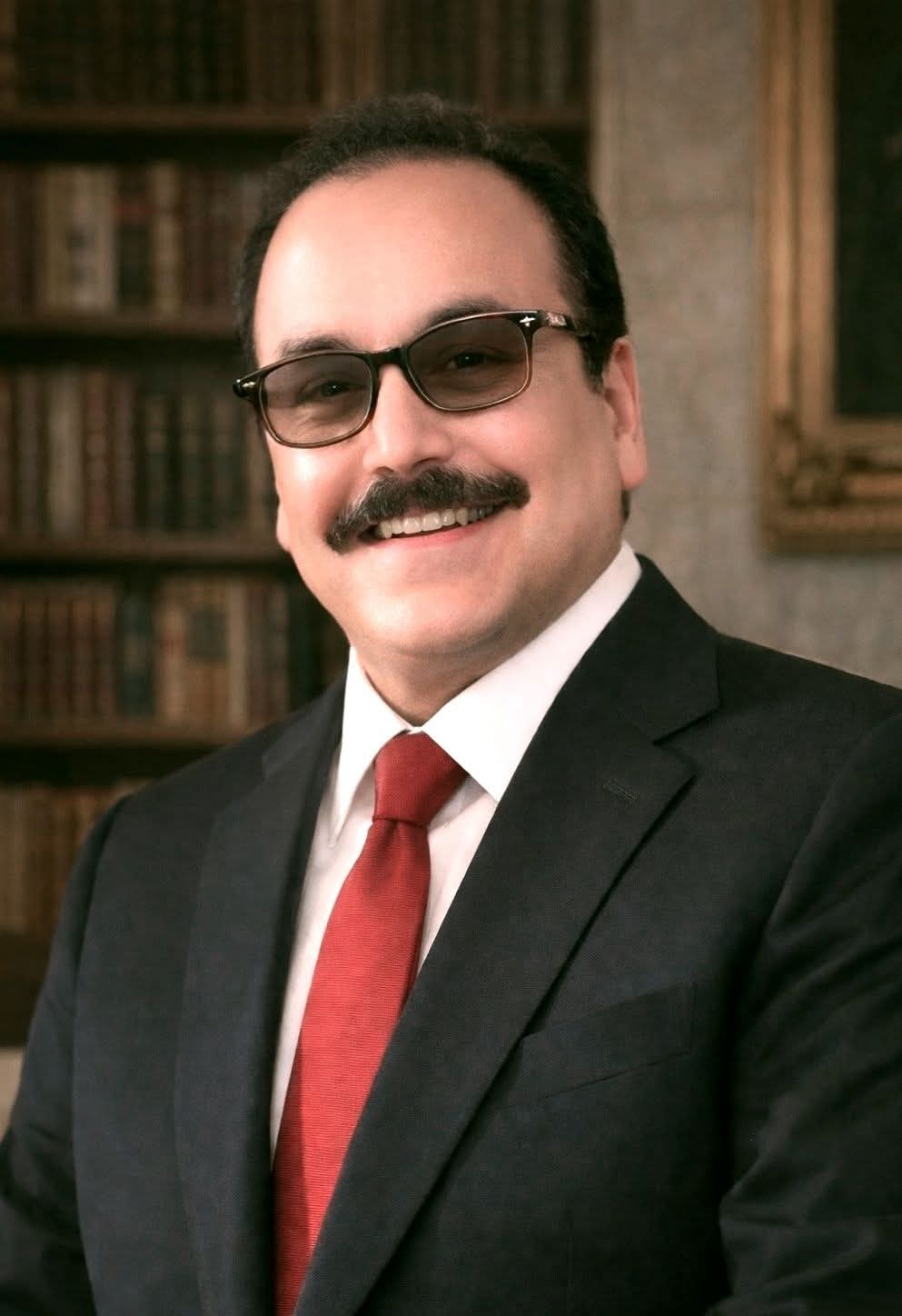
Foto cortesia di Hamed Al-Dhabiani
Io sono Colui che ha sanguinato affinché non mentisse”
Hamed Al-Dhibyani
Non ho scritto per essere amato; ho scritto perché non potevo essere altro che quella ferita che cammina su due piedi. Fin dal primo momento, ho capito che nascere in questo luogo non era un inizio, ma una prova rimandata, e che la Patria apre le braccia solo a coloro che padroneggiano l’arte dell’inchino. Quanto a me, ero troppo retto, quindi sono stato spinto fin da subito in un margine abbastanza ampio per chiunque dicesse di no in un tempo che richiedeva sì collettivi. Non ero né un eroe né una vittima, come preferiscono le storie facili; ero semplicemente un uomo che credeva che una parola che non ferisce prima chi la possiede non salverà nessuno. Ho pagato il prezzo per questo sotto forma di rifiuto sociale ammantato di pietà, di alienazione tribale che giustifica l’uccisione morale in nome della saggezza, e di istituzioni culturali esperte nell’arte di dare pacche sulle spalle per anestetizzare il talento e poi gettarlo fuori dalla luce. Ho imparato che una società pseudo-religiosa non ti si oppone perché sei corrotto, ma perché sei troppo pulito, e che non temono l’incredulità tanto quanto tremano di fronte all’onestà. Così sono stato marchiato, escluso, le mie intenzioni messe in discussione, e sono diventato uno straniero nella casa le cui pareti avevo memorizzato pietra per pietra. Il vicino è stato il primo a piantare il coltello, non perché gli avessi fatto un torto, ma perché non gli somigliavo, e poiché lo specchio ferisce chiunque vi veda la sua bruttezza, così hanno scelto di rompere lo specchio invece di riparare i volti. Quanto alla Patria, è stata più astuta; non mi ha espulso ufficialmente, mi ha lasciato sanguinante dentro, muovendomi tra porte chiuse con sorrisi educati, offrendo testi accolti con domande sulla lealtà piuttosto che sulla bellezza, sul nome piuttosto che sul significato, finché non ho capito che la cultura, quando è governata dagli applausi, si trasforma in una discoteca, e che il vero creatore è un nemico naturale di ogni sistema che teme le domande. Allora non ho più chiesto un posto; sono diventato il posto. Non ho più cercato il riconoscimento; ho scritto come se il riconoscimento non sarebbe mai arrivato. Il dolore mi ha insegnato la filosofia più dei libri. Lo fece, insegnandomi che la modernità non è una forma linguistica ma coraggio morale, e che una ferita, se pensata, si trasforma in conoscenza, e se messa a tacere, si trasforma in marciume. Così lasciai la paura agli altri e portai le mie perdite come un contadino trasporta covoni bruciati e li ripianta. Non trionfai nel senso comune del termine, ma non fui sconfitto, perché la vera sconfitta è essere una versione adatta alla circolazione, e scelsi di essere adatto solo alla verità. Così diventai una facciata per un dolore che odia le facciate, e un nome sussurrato perché gridarlo espone molti. Non scrissi la storia; la scrivevo senza pretendere di farlo. Non mi guadagnai la gloria; mi salvai da una morte lenta. E se qualcosa rimarrà dopo di me, sarà questa emorragia organizzata sotto forma di parole, una testimonianza che un uomo è passato di qui, non ha contrattato, non ha colluso, non ha indossato una maschera, e ha lasciato che il tempo decidesse se l’onestà sia un crimine o una salvezza.
«أنا الذي نزف كي لا يكذب»
حامد الضبياني
لم أكتب لأُحِبّ، كتبتُ لأنني لم أستطع أن أكون غير ذلك الجرح الذي يمشي على قدمين، منذ اللحظة الأولى فهمتُ أن الولادة في هذا المكان ليست بداية بل محاكمة مؤجلة، وأن الوطن لا يفتح ذراعيه إلا لمن يتقن الانحناء، أما أنا فكنتُ مستقيمًا أكثر مما ينبغي، فدُفعتُ باكرًا إلى هامشٍ يتسع لكل من قال لا في زمنٍ يطلب نعمًا جماعية، لم أكن بطلاً ولا ضحية كما تحب الحكايات السهلة، كنتُ فقط رجلًا آمن بأن الكلمة إن لم تُوجِع صاحبها أولًا فلن تُنقذ أحدًا، فدفعتُ ثمن ذلك رفضًا اجتماعيًا مغلّفًا بالتقوى، وقطيعة عشائرية تبرر القتل المعنوي باسم الحكمة، ومؤسسات ثقافية تُتقن فن التربيت على الأكتاف لتخدير الموهبة ثم رميها خارج الضوء، تعلمتُ أن المجتمع المتأسلم لا يعاديك لأنك فاسد بل لأنك نظيف أكثر من اللازم، وأنهم لا يخافون الكفر بقدر ما يرتعبون من الصدق، لذلك وُصمتُ، أُقصيتُ، شُكِّك في نواياي، وصرتُ غريبًا في الدار التي حفظتُ جدرانها حجرًا حجرًا، كان القريب أول من غرس سكينه، ليس لأنني أسأت إليه، بل لأنني لم أُشبهه، ولأن المرآة تجرح من يرى فيها قبحه، فاختاروا كسر المرآة بدل إصلاح الوجوه، أما الوطن فكان أكثر دهاءً، لم يطردني رسميًا، تركني أنزف في الداخل، أتنقل بين الأبواب المغلقة بابتساماتٍ مُهذبة، أقدّم نصوصًا تُقابل بأسئلة عن الولاء لا عن الجمال، وعن الاسم لا عن المعنى، حتى فهمتُ أن الثقافة حين تُدار بالتصفيق تتحول إلى ملهى، وأن المبدع الحقيقي عدو طبيعي لكل نظامٍ يخاف الأسئلة، عندها لم أعد أطلب مكانًا، صرتُ المكان، لم أعد أبحث عن اعتراف، صرتُ أكتب كأن الاعتراف لن يأتي أبدًا، كان الوجع يعلّمني الفلسفة أكثر من الكتب، يلقنني أن الحداثة ليست شكلًا لغويًا بل شجاعة أخلاقية، وأن الجرح حين يُفكَّر به يتحول إلى معرفة، وحين يُسكَت عنه يتحول إلى عفن، فتركتُ الخوف للآخرين، وحملتُ خساراتي كما يحمل الفلاح سنابل محترقة ويزرعها من جديد، لم أنتصر بالمعنى الشائع، لكنني لم أُهزم، لأن الهزيمة الحقيقية أن أكون نسخة صالحة للتداول، وأنا اخترتُ أن أكون غير صالح إلا للحقيقة، هكذا صرتُ واجهةً لوجعٍ لا يحب الواجهات، واسمًا يُتداول همسًا لأن الصراخ باسمي يفضح الكثيرين، لم أكتب تاريخًا، كنتُ أكتبه دون أن أدّعي، ولم أصنع مجدًا، كنتُ أنقذ نفسي من الموت البطيء، فإن بقي شيء بعدي فسيكون هذا النزف المرتّب على هيئة كلمات، شاهداً على أن رجلًا مرّ من هنا، لم يساوم، لم يتواطأ، ولم يلبس قناعًا، وترك للزمن أن يقرّر إن كان الصدق جريمة أم خلاصًا.
“I Am the One Who Bled So He Would Not Lie”
Hamed Al-Dhibyani
I did not write in order to be loved; I wrote because I could not be anything other than that wound walking on two feet. From the very first moment, I understood that being born in this place was not a beginning but a postponed trial, and that the homeland only opens its arms to those who master the art of bowing. As for me, I was too upright, so I was pushed early on to a margin wide enough for everyone who said no in a time that demanded collective yeses. I was neither a hero nor a victim as easy stories prefer; I was simply a man who believed that a word which does not hurt its owner first will not save anyone. I paid the price for that in the form of social rejection wrapped in piety, tribal estrangement that justifies moral killing in the name of wisdom, and cultural institutions skilled in the art of patting shoulders to anesthetize talent and then throw it outside the light. I learned that a pseudo-religious society does not oppose you because you are corrupt, but because you are too clean, and that they do not fear disbelief as much as they tremble before honesty. Thus I was branded, excluded, my intentions questioned, and I became a stranger in the house whose walls I had memorized stone by stone. The close one was the first to plunge the knife, not because I wronged him, but because I did not resemble him, and because the mirror wounds whoever sees his ugliness in it, so they chose to break the mirror instead of fixing the faces. As for the homeland, it was more cunning; it did not expel me officially, it left me bleeding inside, moving between closed doors with polite smiles, offering texts met with questions about loyalty rather than beauty, about the name rather than the meaning, until I understood that culture, when governed by applause, turns into a nightclub, and that the true creator is a natural enemy of every system that fears questions. Then I no longer asked for a place; I became the place. I no longer searched for recognition; I wrote as if recognition would never come. Pain taught me philosophy more than books ever did, instructing me that modernity is not a linguistic form but moral courage, and that a wound, when thought through, turns into knowledge, and when silenced, turns into rot. So I left fear to others and carried my losses the way a farmer carries burned sheaves and plants them again. I did not triumph in the common sense of the word, but I was not defeated, because true defeat is to be a version fit for circulation, and I chose to be fit only for the truth. Thus I became a façade for a pain that hates façades, and a name whispered because shouting it exposes many. I did not write history; I was writing it without claiming to. I did not make glory; I was saving myself from slow death. And if anything remains after me, it will be this organized bleeding in the form of words, a witness that a man passed through here, did not bargain, did not collude, did not wear a mask, and left it to time to decide whether honesty is a crime or a salvation.
Leggi anche 👇
https://alessandria.today/2026/02/04/io-sono-colui-che-ha-sanguinato-affinche-non-mentisse-di-hamed-al-dhibyani-pubblicazione-di-elisa-mascia-italia/
 Magiche Emozioni dell'Anima