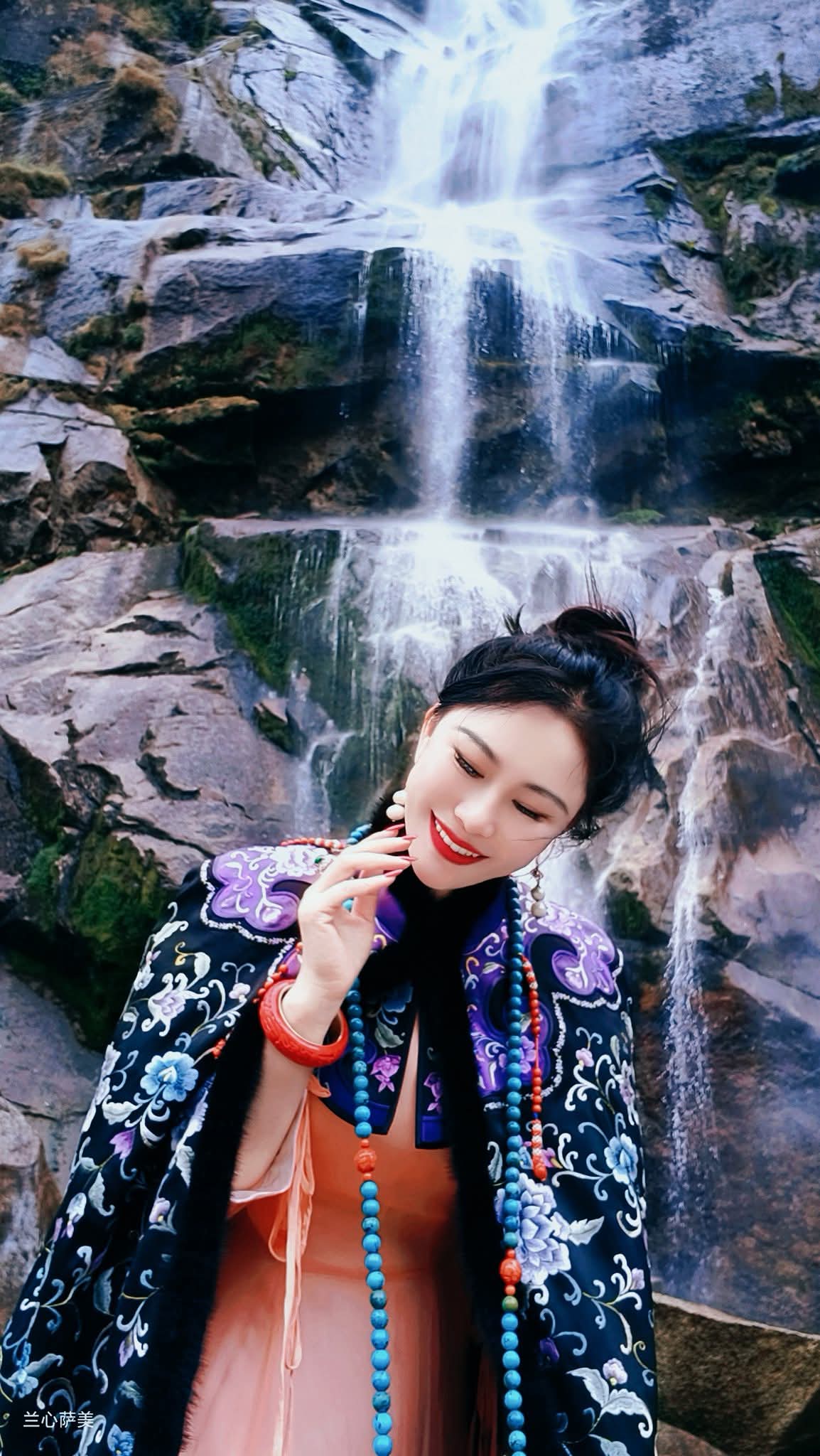
Foto cortesia di di Lan Xin (Lanxin Samei)
Questa poesia assume il tempio millenario dell’Accademia Culturale Dongba di Yulong Wenbi come suo nucleo spirituale, dispiegando un patto trascendente tra civiltà e vita attraverso il tempo e lo spazio. Ergendosi alti per mille anni, l’antico tempio e l’antico albero del Profumo delle Dieci Miglia sono guardiani del tempo e traghettatori di vite passate e presenti: attraverso cicli di reincarnazione, hanno a lungo atteso un erede che comprendesse la cultura Dongba, amasse tutti gli esseri viventi e risuonasse con il cielo e la terra. Lanxin è proprio il predestinato che ha risposto alla chiamata, un’anima gemella legata da un antico patto con il tempio, la civiltà Dongba e tutte le creature.
Questa attesa è il profondo richiamo della civiltà Dongba che echeggia attraverso i millenni, lo sguardo silenzioso di tutti gli esseri in cerca della loro vera testimonianza. Questo viaggio è la devozione devota dell’erede alle radici culturali, il ricongiungimento predestinato dell’anima con la patria e il patrimonio. La domanda conclusiva — “Chi ti ha aspettato? Chi stai aspettando?” — rivela un meraviglioso desiderio reciproco che attraversa il tempo: il tempio riceve la fiaccola dell’eredità culturale, tutti gli esseri incontrano il loro vero estimatore e Lanxin abbraccia finalmente la civiltà millenaria e risuona in armonia con tutte le creature. È una grandiosa riunione di natura, tempo, civiltà e cuore, che permette alla profonda eredità della cultura Dongba di sbocciare in una bellezza eterna che abbraccia tre vite nella vibrante primavera.
Primavera di Mille Anni
Poesia di Lan Xin (Lanxin Samei)
Poeta Spirituale Internazionale, Scrittrice e Poeta Cinese di fama internazionale, Vincitrice del Premio Letterario Internazionale Francesco Giampietri, Unica Erede Donna del Patrimonio Mondiale della Memoria Naxi Dongba Culture, Preside dell’Accademia Cinese Yulong Wenbi Dongba Culture e dell’Accademia Lanxin Samei
La primavera che dà il via ai dodici mesi dell’anno
Esce camminando dalle antiche scritture Dongba
In questo tempio millenario
Mette radici e si stabilisce
Le api saltano su
In cima ai rami di melo selvatico
Ronzando per diffondere la lieta novella della primavera
L’albero millenario del Profumo delle Dieci Miglia che si erge al centro del tempio
Anch’esso è arrivato qui da mille anni
Vestito di bianco candido, avvolto nella fragranza della piena fioritura
Ondeggiando elegantemente, esplodendo in una profusione di fiori
Iniziando dall’inverno tetro e desolato
Dispiega i suoi fiori al mondo, uno per uno
— Bellezza che abbraccia tre vite
Fagiani e galline della giungla cantano e volteggiano gioiosamente sulla collina dietro
I destrieri sulla lontana Antica Via del Tè e dei Cavalli saltellano e si lanciano allegramente
Il bestiame nei campi vicini canta a bassa voce
Tutti gli esseri viventi si affrettano ad apprendere la buona notizia dell’arrivo della primavera
Offrono la loro più alta etichetta
Per dare il benvenuto a questa Primavera Dongba che è finalmente arrivata dopo aver vagato per mille anni
O cara Primavera Dongba
In questi mille anni
Chi ti ha aspettato?
Chi stai aspettando?
This poem takes the millennium-old temple at Yulong Wenbi Dongba Culture Academy as its spiritual core, unfolding a transcendent covenant between civilization and life across time and space. Standing tall for a thousand years, the ancient temple and the age-old Ten-Mile Fragrance tree are guardians of time and ferrymen of past and present lives — through cycles of reincarnation, they have long awaited an inheritor who understands Dongba culture, cherishes all living beings, and resonates with heaven and earth. Lanxin is precisely the destined one who answered the call, a soulmate bound by an ancient pact with the temple, Dongba civilization and all creatures.
This waiting is the profound call of Dongba civilization echoing through millennia, the silent gaze of all beings for their true witness. This journey is the inheritor’s devout devotion to cultural roots, the fated reunion of soul with homeland and heritage. The closing question —“Who has waited for you? Who are you waiting for?”— reveals a beautiful mutual longing across time: the temple gains the torch of cultural inheritance, all beings meet their true appreciator, and Lanxin finally embraces the thousand-year-old civilization and resonates in harmony with all creatures. It is a grand reunion of nature, time, civilization and heart, allowing the profound heritage of Dongba culture to bloom into eternal beauty spanning three lifetimes amid the vibrant spring.
Spring of a Thousand Years
Poem by Lan Xin (Lanxin Samei)
International Spiritual Poet, Internationally Renowned Chinese Writer and Poet, Winner of the Premio Letterario Internazionale Francesco Giampietri, the Only Female Inheritor of the World Memory Heritage Naxi Dongba Culture, Dean of the Yulong Wenbi Dongba Culture Academy of China and Lanxin Samei Academy
The spring that kicks off the twelve months of the year
Comes walking out from the ancient Dongba scriptures
In this thousand-year-old temple
It takes root and settles down
Bees leap up
To the top of the crabapple branches
Buzzing to spread the glad tidings of spring
The thousand-year-old Ten-Mile Fragrance tree standing in the temple center
Has also traveled here from a thousand years ago
Draped in pure white, cloaked in full-bloom fragrance
Swaying elegantly, bursting into a profusion of blossoms
Starting from the bleak, desolate winter
It unfolds its blooms to the world, one by one
— Beauty spanning three lifetimes
Pheasants and jungle fowls sing and soar joyfully on the back hill
Steeds on the distant Ancient Tea-Horse Road prance and leap merrily
Farm cattle in the nearby fields low loudly
All living things rush to learn the good news of spring’s arrival
They offer their highest etiquette
To welcome this Dongba Spring that has finally come after wandering through a thousand years
O dear Dongba Spring
Over these thousand years
Who has been waiting for you?
Who are you waiting for?
Leggi anche 👇
https://alessandria.today/2026/01/30/eva-petropoulou-condivide-la-poesia-di-di-lan-xin-lanxin-samei-pubblicazione-di-elisa-mascia-italia/
 Magiche Emozioni dell'Anima