
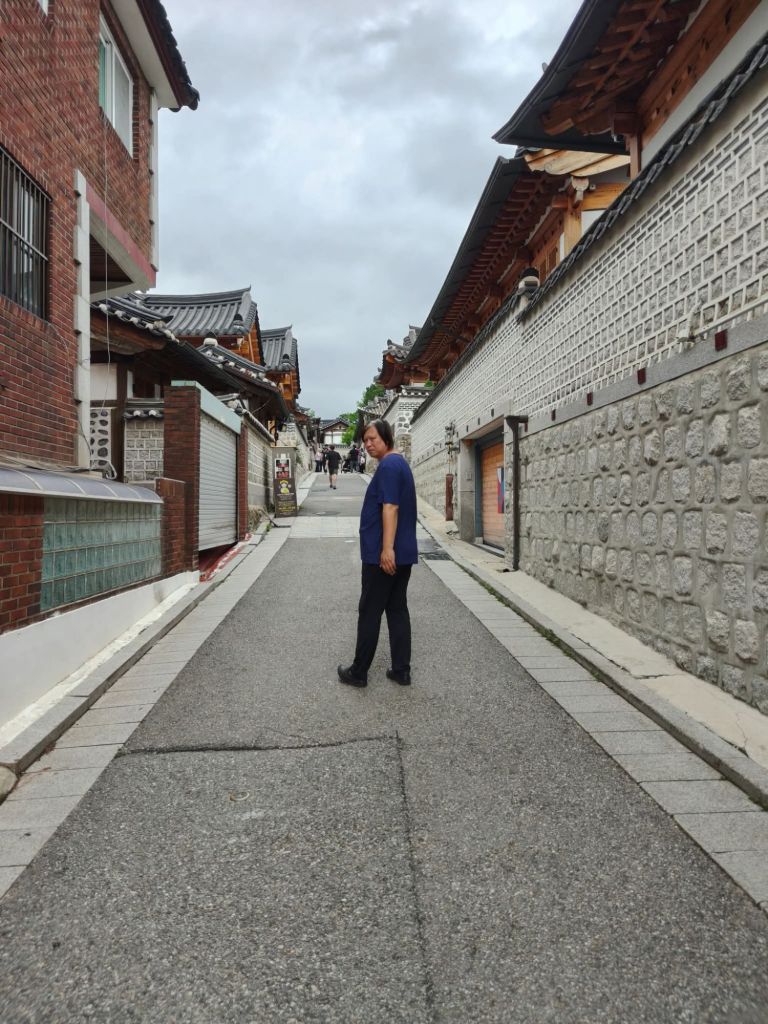
Foto cortesia di Ma Yongbo
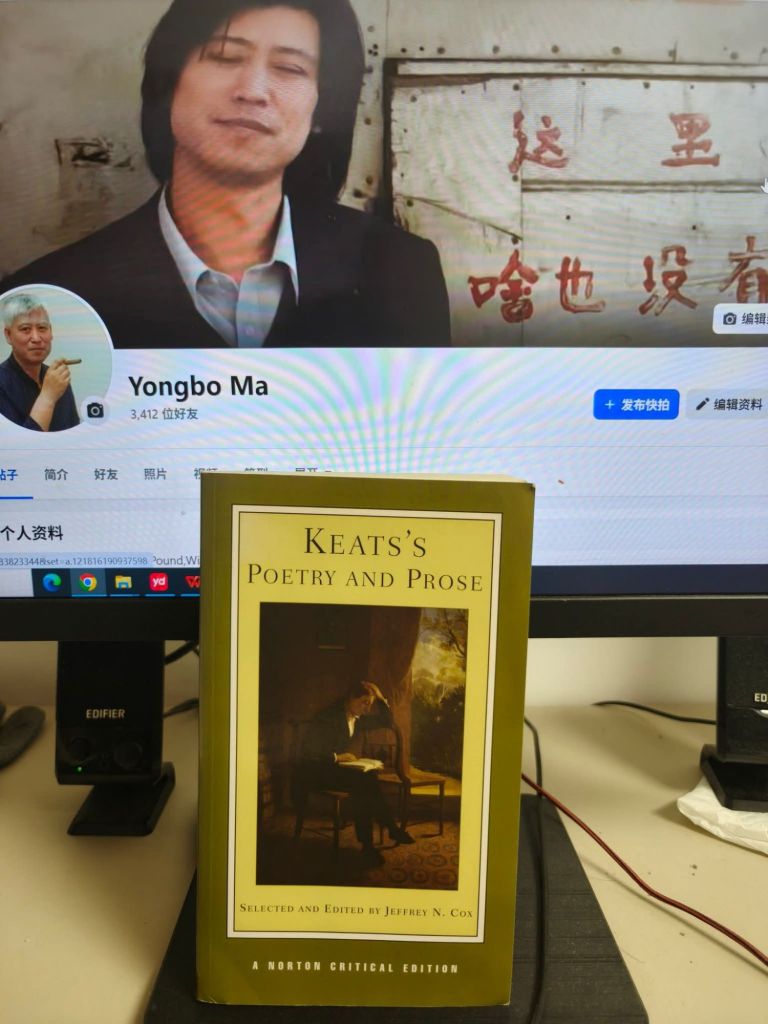
Ma Yongbo è nato nel 1964, dottore di ricerca, rappresentante della poesia d’avanguardia cinese e uno dei principali studiosi di poesia anglo-americana. È il fondatore della scrittura polifonica e della poetica oggettivata. È anche il primo traduttore a introdurre la poesia postmoderna britannica e americana in cinese.
Dal 1986 ha pubblicato oltre ottanta opere originali e traduzioni, tra cui 9 raccolte di poesie. Si è concentrato sulla traduzione e sull’insegnamento di poesia e prosa anglo-americana, tra cui opere di Dickinson, Whitman, Stevens, Pound, Amy Lowell, Williams, Ashbery e Rosanna Warren. Ha pubblicato una traduzione completa di Moby Dick, che ha venduto oltre 600.000 copie.
Archeologia del Mattino
Supponiamo che una poesia sia stata dimenticata in sogno
al mattino, passeggi nel bosco
e aggiungi il canto delle anatre
alla lista delle cose che ti rallegrano il cuore
Tutto potrebbe continuare così per sempre
dietro la porta che hai chiuso, la polvere non luccica più
non importa quanto ti sforzi
quelle parole sono come pesci che scivolano di nuovo nell’acqua profonda
tutto ciò che scrivi non è altro che l’ombra di quell’unica poesia
Così continui a camminare, continui a incontrare
volti semifamiliari, sorridenti, che annuiscono, che si scambiano saluti
come se potessi svegliarti, come se fossi stato seduto tutto il tempo al sole del mattino
un po’ stordito
Una città natale senza più nessuno
Non andrà mai meglio
non esiste da nessuna parte su questa terra
come posso mai inventare
un paradiso dipinto?
Dietro la porta aperta si estende una distesa di penombra
quando la luce del sole del ricordo emerge
quando persino la polvere porta con sé un debole calore giallastro
Ho dimenticato da tempo il suono della tua voce
si attarda oltre la vita, oltre la morte
sussurro di noi che non siamo più
quando il marmo mi sigilla le labbra
quando non ho tempo di salutarti
Cosa fare, come procedere
Sediamoci su questa roccia sporgente
il sole del pomeriggio la mantiene ancora calda
è solida e salda, si protende sull’abisso
sediamoci qui, possiamo parlare di questa roccia
oltre alla luce del sole, porta tracce del tempo, tracce di muschio
il tempo e il vento non l’hanno allentata
anzi, l’hanno fusa più saldamente con la scogliera
È arrivato l’autunno, guardando il cielo azzurro sempre più alto
Sento la vecchiaia, come una pietra dentro il mio corpo, che cresce di giorno in giorno
un giorno la solleveremo su
e tocca la luna che è sorta, in qualche modo, in un momento sconosciuto
guarda: non è altro che una pietra coerente dentro e fuori
Gli altri sono tutti scesi dalla montagna uno dopo l’altro
o sono scomparsi nelle fessure della roccia dietro la curva
le luci si sono accese dentro le pietre
aspettiamo ancora un’improvvisa folata di vento
che ci afferri, come due piccole pietre
e ci scagli contro una fronte, splendente di rabbia innocente
L’Abisso e la Pietra
L’ho scoperta a cinque anni, dentro di me
un luogo che non avrei mai potuto raggiungere
vasto, avvolto nel fumo, eppure a volte sembrava non esistere affatto
come se una singola foglia potesse coprirlo completamente
nel bel mezzo del gioco, emergeva improvvisamente dalle foglie dall’altra parte
inchiodandomi sul posto nel terrore, a quei tempi, diventavo pallido come la morte
afferravo un sassolino e scivolavo via dai miei amici senza dire una parola
Nemmeno le parole possono nasconderlo, sfida ogni rappresentazione
Così, portando questo abisso – ora che si gonfia, ora che si restringe,
ora che svanisce, ora che si infiamma – cammino nel mondo terreno
indossando gradualmente un’espressione di solennità inadatta ai miei anni
come la debole, minacciosa ombra di un anello di ferro
che si insinua nella luminosità dell’estate
Ho seppellito il viso nei libri per notti intere, ho vagato in lungo e in largo
a volte, improvvisamente non riconoscevo i miei simili
Ora, spesso lo tiro fuori
come tiro fuori una pietra dalla tasca, è più duro di un pugno
rovente, luccica per un attimo, poi la sua superficie diventa nera
Non lo scaglierò ai cani, né lo getterò a valle
né ci farò bollire la carne in una sorgente, come farebbero gli uomini primitivi
Lo poso sulla montagna, penso
forse si raffredderà lentamente
svanendo lentamente tra le rocce e le pietre variegate
Inizio estate sulla Montagna Viola
In le piccole pozzanghere lasciate dai solchi delle ruote lungo il sentiero selvaggio
galleggiano mucchi di uova di rana, come grappoli gonfi e appiccicosi di minuscoli acini d’uva bianca
i girini già schiusi si rifiutano di andarsene
girini, girini, sbrigatevi e fatevi crescere le gambe
il bosco si fa più fitto e le pozzanghere si stanno prosciugando
Alla fine di ogni sentiero desolato, ci sono coppie che parcheggiano per fare l’amore
il sentiero taglia semplicemente la boscaglia soffocante, curvando verso un altro
pendio elastico che potrebbe proteggere dal fuoco dei cannoni
dove segnali oscuri tremolano sulla cresta
Non ho altra scelta che vivere e morire dentro ogni uovo di rana
Nei pomeriggi tranquilli, l’artemisia estirpata emana un profumo più forte
Mi ritrovo ancora a pensare a quei ciuffi di uova di rana
Sarebbe meglio se piovesse ancora un paio di volte
Salire la montagna con le farfalle sotto la pioggia
Le montagne sono piene di rane che trasportano allegramente mine antiuomo
Gracidando forte, con i pantaloni arrotolati proprio come i miei.
Ma Yongbo was born in 1964, Ph.D, representative of Chinese avant-garde poetry, and a leading scholar in Anglo-American poetry. He is the founder of polyphonic writing and objectified poetics. He is also the first translator to introduce British and American postmodern poetry into Chinese.
He has published over eighty original works and translations since 1986 included 9 poetry collections.He focused on translating and teaching Anglo-American poetry and prose including the work of Dickinson, Whitman, Stevens, Pound, Amy Lowell,Williams, Ashbery and Rosanna Warren. He published a complete translation of Moby Dick, which has sold over 600,000 copies.
Archaeology of the Morning
Suppose a poem was left forgotten in a dream
in the morning, you stroll through the woods
and add the quacking of ducks
to the list of things that gladden your heart
Everything could just go on like this forever
behind the door you’ve closed, the dust no longer shimmers
no matter how hard you try
those words are like fish slipping back into the deep water
all that you write is but the shadow of that only poem
So you keep walking, keep encountering
faces half-familiar, smiling, nodding, exchanging greetings
as if you could wake up, as if you’ve been sitting all along in the morning sun
a little dazed
A Hometown with No One Left
It will never be better again
it exists nowhere on this earth
how can I possibly fabricate
a painted paradise?
behind the open door lies a stretch of dimness
when the sunlight of memory surges forth
when even the dust carries a faint yellowish warmth
I have long forgotten the sound of your voice
it lingers beyond life, beyond death
whispering of us who are no more
when marble seals my lips
when I have no time to bid you farewell
What to Do, How to Proceed
Let’s just sit on this jutting rock
the afternoon sun still keeps it warm
it is firm and solid, leaning out over the abyss
let’s sit right here, we can talk about this rock
besides the sunlight, it bears traces of weather, traces of moss
time and wind have not loosened it
instead, they have fused it more tightly with the cliff
Autumn has come, gazing at the increasingly high blue sky
I feel old age, like a stone inside my body, growing bigger day by day
one day we will lift it up
and tap the moon that rose, somehow, at an unknown time
look—It is nothing more than a stone that is consistent inside and out
The others have all gone down the mountain one after another
or vanished into the rock crevices around the bend
lights have lit up inside the stones
we still wait for a sudden gust of wind
to snatch us up, like two small stones
and hurl us at a forehead, glowing bright with the rage of innocence
The Abyss and the Stone
I discovered it at five years old, inside me
a place I could never reach
vast, wreathed in smoke, yet sometimes seeming not to exist at all
as if a single leaf could cover it whole
in the middle of play, it would suddenly emerge from the leaves across the way
rooting me to the spot in terror, back then, I’d turn deathly pale
grab a pebble, and slip away from my friends without a word
Words cannot hide it either, it defies all depiction
so, carrying this abyss—now swelling, now shrinking,
now fading, now flaring—I walk in the earthy world
gradually wearing an expression of solemnity ill-suited to my years
like the faint, ominous shadow of an iron ring
stealing over the brightness of summer
I buried my face in books through entire nights, wandered far and wide
at times, I would suddenly fail to recognize my own kin
Now, I often take it out
as pull a stone from my pocket, it is harder than a fist
blazing hot, it glimmers for a moment, then its surface turns black
I will not hurl it at dogs, nor cast it down into the valley
nor boil meat with it in a spring, as primitive men might do
I set it on the mountain, I think
perhaps it will slowly cool
slowly fade away into the variegated rocks and stones
Early Summer on Purple Mountain
In the small puddles left by wheel ruts beside the wild path
float clumps of frog spawn, like swollen, sticky clusters of tiny white grapes
the tadpoles that have already hatched refuse to leave
tadpoles, tadpoles, hurry and grow your legs
the woods are growing denser, and the puddles are drying up
At the end of every desolate trail, there are couples parking to make love
the path merely cuts through the sweltering thicket, curving toward another
springy slope that could shield against cannon fire
where obscure signals flicker at the crest
I have no choice but to live and die inside every frog spawn
On quiet afternoons, the mugwort pulled up exudes a stronger scent
I still find myself thinking about those clumps of frog spawn
it would be better if it rained a few more times
climbing the mountain with butterflies in the rain
the mountains are filled with frogs joyfully carting landmines
croaking loudly, their trousers rolled up just like mine
Leggi anche 👇
La poetessa greca Eva Petropoulou invia alcune poesie del poeta Ma Yongbo, pubblicazione di Elisa Mascia -Italia
 Magiche Emozioni dell'Anima