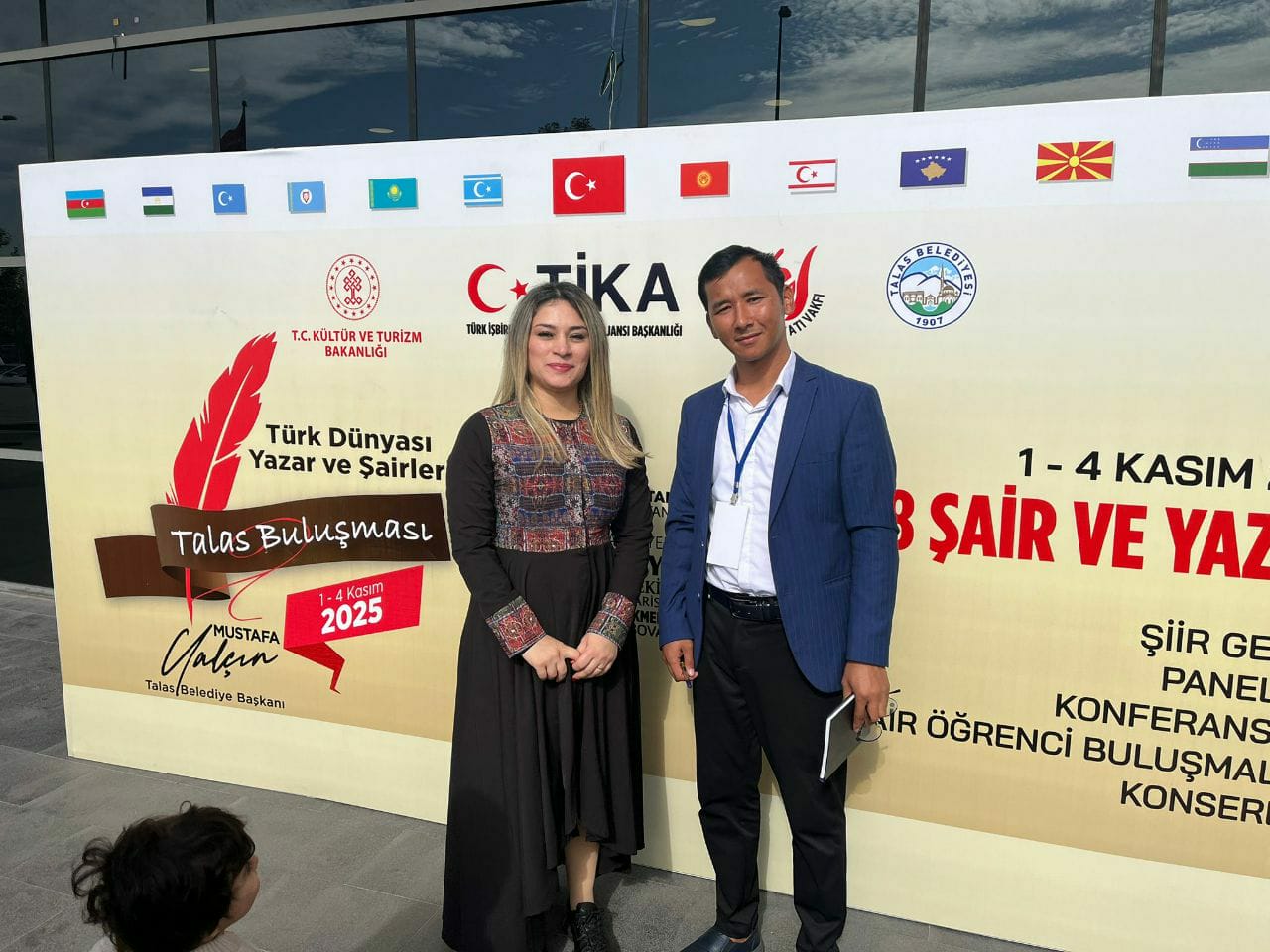
Foto cortesia di Jahongir Nomozov e Fatemeh Saba Jafari
“UN ARTISTA È UNA PERSONA CHE PUÒ SENTIRE IL SILENZIO, VEDERE IL VENTO E PARLARE ALLE OMBRE”
L’ospite di oggi è un artista di fama internazionale specializzata in miniature, (illuminazione) (tezhip) e illustrazioni, docente presso l’Università Yeni Yüzyıl e curatrice di numerose mostre prestigiose — Fatemeh Saba Jafari.
Vincitrice del Concorso Internazionale di Pittura (1° posto), del Concorso di Arti Tradizionali (2° posto) e del Concorso di Fotografia (3° posto), ha curato importanti mostre come “4 Minutes of Art,” “UNESCO 2023 — Anno di Aşık Veysel,” e l’acclamata serie “Dede Korkut”.
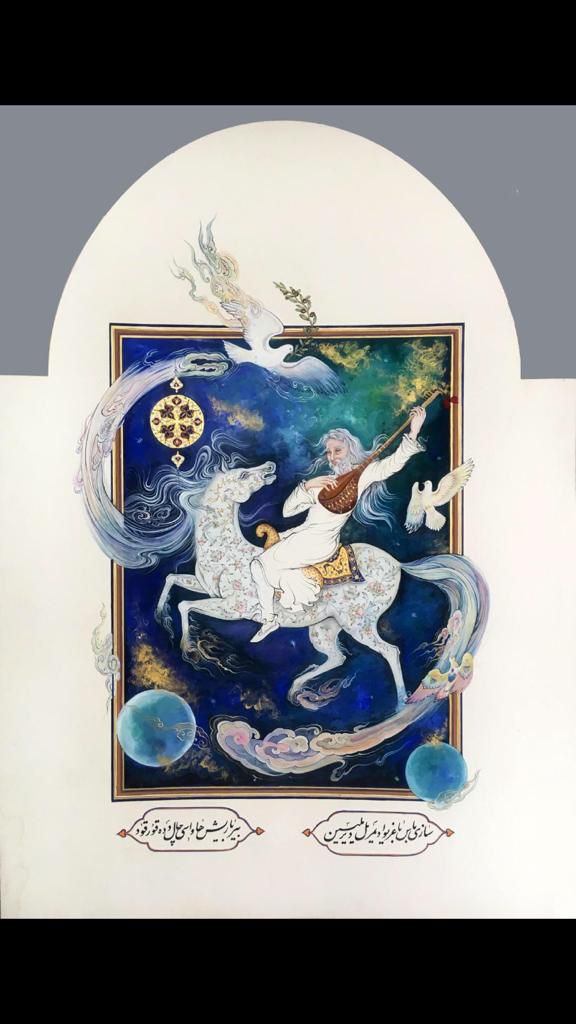
Unendo la miniatura e l’illuminazione tradizionali all’estetica moderna, Fatemeh Saba Jafari offre agli spettatori una festa per gli occhi e un’esperienza artistica raffinata.
— Zanjan — la città che ha plasmato la tua infanzia. In che modo la sua natura, le sue persone e i suoi ricordi hanno influenzato l’artista che sei oggi?
— Non importa quanto una persona cresca, desidera sempre la propria infanzia. Cercano la pace, la libertà, la sincerità e la purezza di quei giorni. Non si dovrebbe mai recidere il loro legame con l’infanzia; al contrario, si dovrebbe mantenerlo vivo dentro di sé.
Sono cresciuto in una famiglia di artisti. Amavo la pittura e la poesia; ho sempre scritto e disegnato. Ma ciò che mi ha plasmato di più sono state le favole della buonanotte che ci raccontavano i miei genitori. Queste storie occupano un posto sacro nella mitologia e nei poemi epici turchi — sono la luce della nostra memoria culturale condivisa.
Da allora ho sempre pensato: “Voglio presentarli visivamente al mondo. Voglio che tutti li conoscano, che li vivano.”
I primi passi del mio percorso artistico sono iniziati con quelle storie d’infanzia. Ogni racconto accendeva una scintilla negli angoli nascosti della mia anima; ogni narrazione era come una melodia che aspettava di prendere vita nelle mie miniature e illuminazioni.
— Con il motto “Il viaggio della miniatura nel XXI secolo”, inserisci l’arte classica in un contesto moderno. Come bilanciare tradizione e innovazione? Cosa ti ha entusiasmato di più durante la preparazione della tua mostra “Dall’Altai al Caspio”?
— Nella mia mostra personale intitolata “Il viaggio della miniatura nel XXI secolo”, ho cercato di reinterpretare la miniatura dal punto di vista dell’osservatore odierno. Le persone moderne non vogliono più vedere la miniatura solo all’interno dei libri; vogliono sperimentarla sui muri, stare di fronte ad essa, sentirne la presenza.
Per questo motivo ho lavorato in grandi formati — come se la miniatura guardasse direttamente negli occhi dell’osservatore. Sono rimasto fedele alle tecniche tradizionali, ma ho aggiunto nuove linee, nuove espressioni, inserendo la miniatura nello spirito della nostra epoca.
“Dall’Altai al Caspio” è stata un’altra esperienza magica. Riunire l’anima comune del mondo turco — la sua mitologia, i suoi valori e i suoi legami culturali— ha creato un’emozione indescrivibile. Ogni geografia ha il suo spirito e rifletterlo sulla tela trasforma la miniatura in un linguaggio visivo vivo.
— Per te la miniatura è solo un ornamento oppure è uno stato spirituale — un dhikr interiore?
— La miniatura non è solo decorazione; è un linguaggio che trasporta l’anima, i pensieri e le storie dell’artista. Ogni colore è un respiro. Mentre si lavora, il tempo si ferma, il mondo diventa silenzioso e inizia un viaggio interiore. Ogni pennellata diventa una meditazione tranquilla — uno zikr dell’anima.
— Le storie di “Dede Korkut” occupano un posto speciale nel tuo lavoro. Cosa significano per te queste leggende?
— “Dede Korkut” è più di un libro — è una voce sacra che mi ricorda le mie radici e la mia identità. Ogni lettura rivela nuovi significati. Queste storie non sono racconti ordinari; sono il riflesso millenario del coraggio, dell’etica e della spiritualità turca.
Credo sia giunto il momento di tornare agli antichi valori turchi. Le donne in queste narrazioni, in particolare, mi hanno sempre ispirato con la loro nobiltà e forza. Mantenere viva la loro eredità è dovere di un artista.
“Dede Korkut” è per me un anziano saggio — un tesoro culturale che ci ricorda chi siamo e quale spirito portiamo. Ecco perché gli ho dedicato la mia tesi; sia artisticamente che accademicamente, è una passione e una responsabilità.
— C’è un dipinto che vive ancora nel tuo cuore ma rimane incompiuto
hed?
— Per ogni artista, una tela bianca è l’inizio di infinite possibilità. Anche quando finisco un lavoro, continuo a pensare: “Vorrei aver lavorato un po’ di più.”
La miniatura è un mondo di dettagli infiniti; un dipinto non finisce mai veramente — continua a vivere tranquillamente al suo interno.
— Qual è la differenza tra insegnare arte e vivere l’arte?
— Insegnare arte significa illuminare il cammino di qualcun altro; vivere arte significa immergersi nel proprio mondo interiore. Uno è rivolto verso l’esterno, l’altro verso l’interno — eppure entrambi si nutrono a vicenda.
— Se potessi esprimere tutto il tuo percorso artistico con un unico simbolo, quale sarebbe?
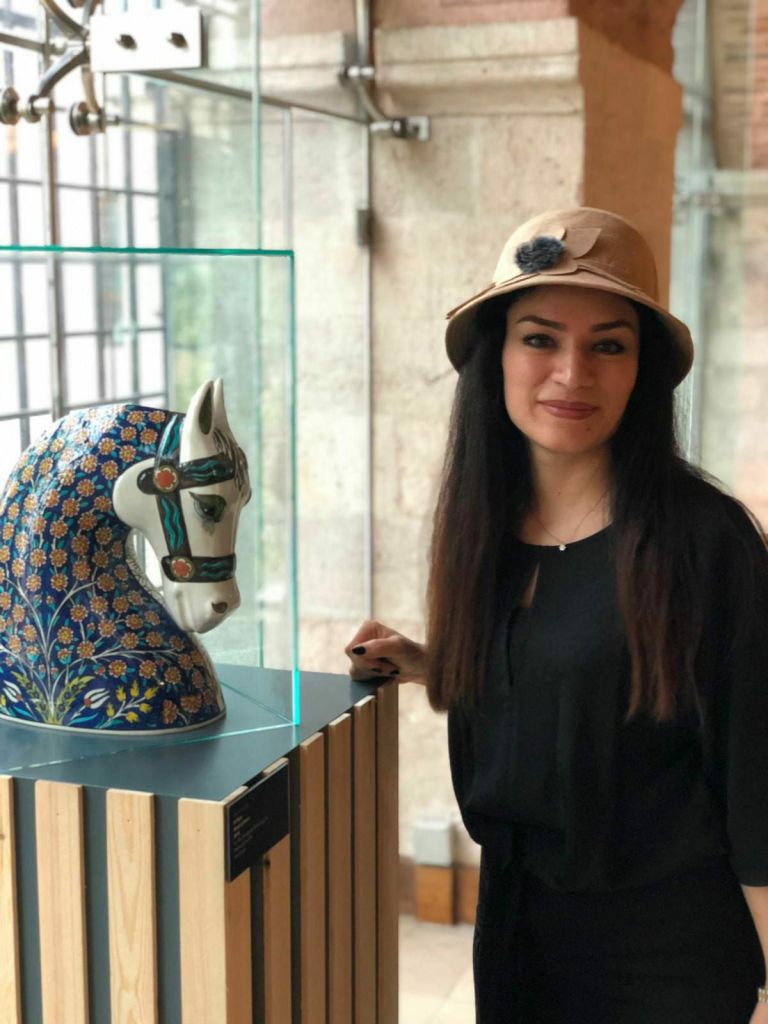
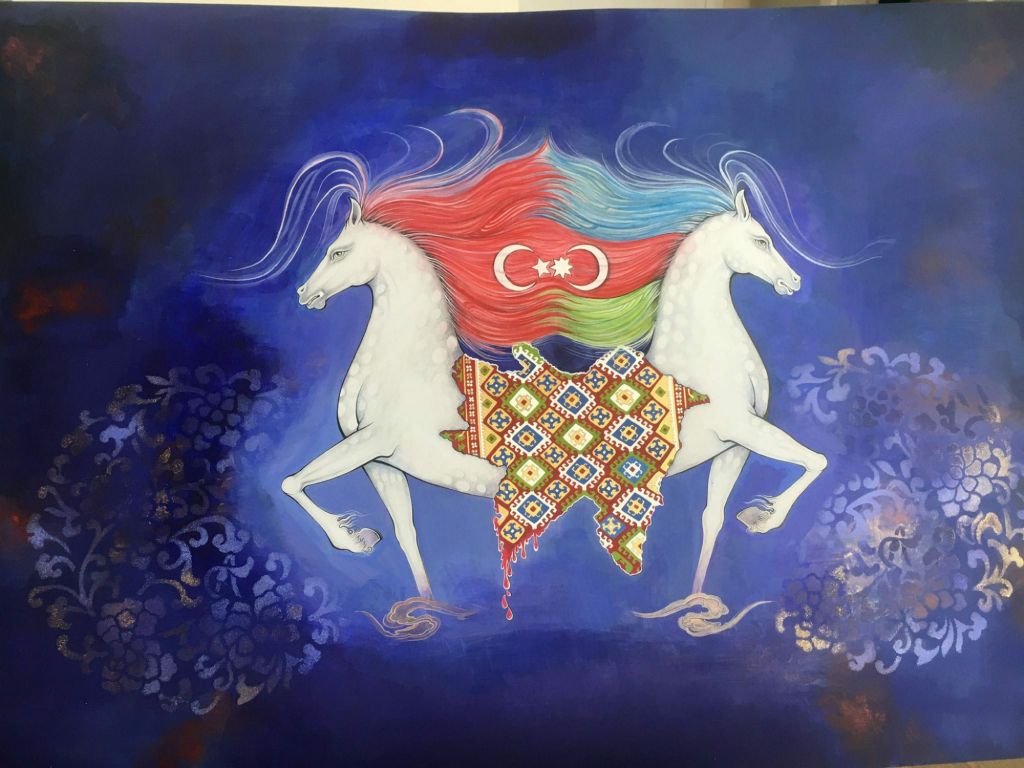
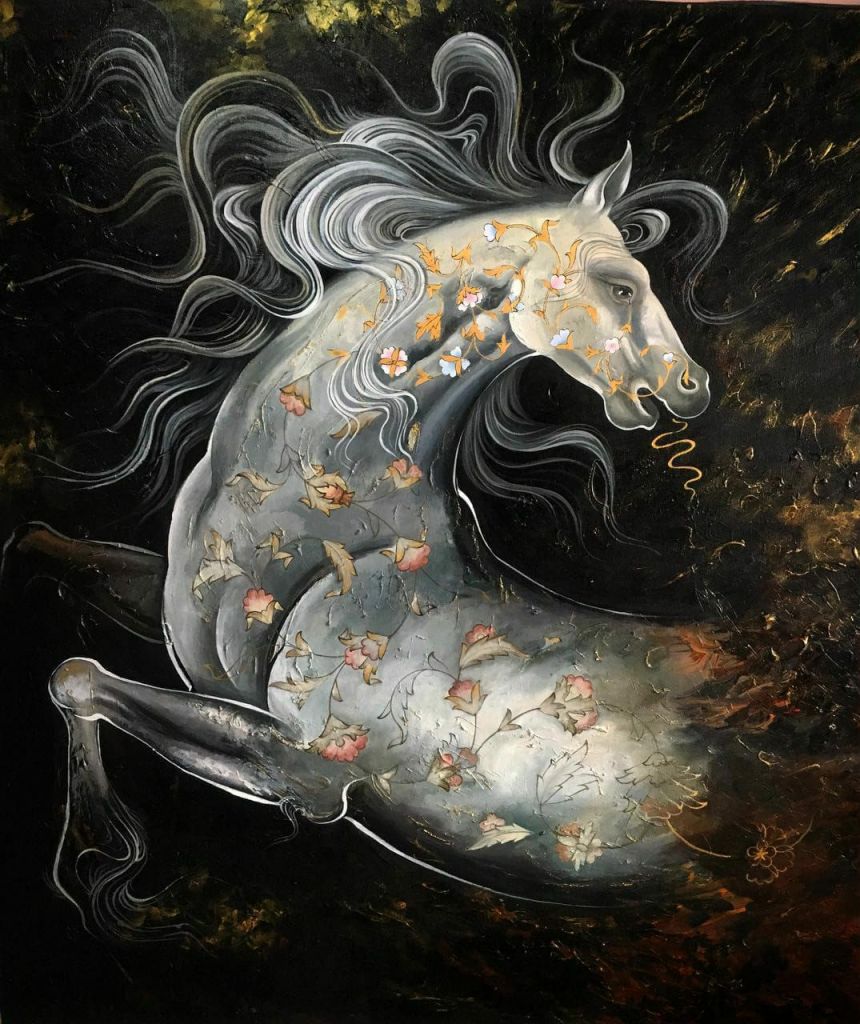
— Sicuramente il cavallo. Nel mondo turco, il cavallo simboleggia la libertà, il coraggio e il viaggio. È compagno della vita nomade e anima dei nostri poemi epici. Per me incarna il mio spirito e la mia energia creativa.
— Quale colore esprime più chiaramente il tuo cuore?
— Credo che ogni colore abbia la sua energia. Il più vicino al mio cuore è il turchese — il colore della serenità, della spiritualità e dell’equilibrio interiore. Adoro anche il contrasto tra bianco e nero: ogni opera d’arte richiede una tavolozza specifica.
— Hai partecipato a numerose mostre internazionali — Turchia, Iran, Italia, Dubai, Cipro. Cosa ti hanno portato queste esperienze?
— Ogni mostra internazionale offre una nuova prospettiva e la possibilità di incontrare una cultura diversa. Vedere il gusto estetico di ogni società arricchisce e amplia la mia visione artistica.
— Quali lezioni dovrebbero trarre le persone moderne dai miti antichi?
— I miti non sono echi del passato; sono mappe spirituali che collegano ieri ad oggi. Ogni leggenda è un insegnante, ogni eroe una guida.
Nel ritmo frenetico della vita moderna, le persone dovrebbero imparare pazienza, coraggio e saggezza da queste storie. I miti ci aiutano a comprendere le nostre paure, speranze e responsabilità. Costruiscono un ponte tra passato e presente — ricordandoci l’essenza dell’essere umano.
— Cosa significa “libertà” per un’artista donna?
— La libertà non è solo indipendenza esteriore; inizia con l’ascolto della voce interiore. La libertà è lasciare che colori e linee fluiscano senza limiti — esprimere emozioni, pensieri e sogni senza paura del giudizio.
È coraggio: il coraggio di creare la propria strada. Per me la libertà è il vento che mi sfiora le spalle, il suono di un cavallo selvaggio che galoppa attraverso la steppa e il coraggio degli eroi che vivono nelle mie miniature.
— Come misuri il successo nell’arte?
— Il vero successo si trova nella pace interiore e nella profondità delle mie creazioni. Premi e riconoscimenti sono importanti, ma la vera misura è il potere dell’ispirazione e l’universalità dell’arte.
— Che tipo di persona è un vero artista?
— Un vero artista è qualcuno che è fedele alla propria voce interiore. Sono coraggiosi, pazienti, sensibili, attenti e compassionevoli. Un artista crea non solo con la tecnica ma con l’anima — toccando i cuori, offrendo significato e bellezza.
L’arte inizia dove lo spirito è libero e diventa eterna quando risuona nello spettatore.
Jakhongir NOMOZOV,
è un giovane poeta e giornalista uzbeko.
È anche membro dell’Unione dei giornalisti dell’Azerbaigian e dell’Unione mondiale dei giovani scrittori turchi.
“AN ARTIST IS A PERSON WHO CAN HEAR SILENCE, SEE THE WIND, AND SPEAK TO SHADOWS”
Today’s guest is internationally renowned miniature, illumination (tezhip), and illustration artist, a lecturer at Yeni Yüzyıl University, and curator of numerous prestigious exhibitions — Fatemeh Saba Jafari.
Winner of the International Painting Competition (1st place), the Traditional Arts Competition (2nd place), and the Photography Competition (3rd place), she has curated major exhibitions such as “4 Minutes of Art,” “UNESCO 2023 — Year of Aşık Veysel,” and the acclaimed “Dede Korkut” series.
By merging traditional miniature and illumination with modern aesthetics, Fatemeh Saba Jafari offers viewers a visual feast and a refined artistic experience.
— Zanjan — the city that shaped your childhood. How did its nature, people, and memories influence the artist you are today?
— No matter how much a person grows, they always long for their childhood. They seek the peace, the freedom, the sincerity, and the purity of those days. One should never sever their bond with childhood; instead, they should keep it alive within.
I grew up in an artistic family. I loved painting and poetry; I always wrote and drew. But what shaped me the most were the bedtime stories my parents told us. Those stories hold a sacred place in Turkic mythology and epics — they are the light of our shared cultural memory.
Since then, I have always thought: “I want to introduce these visually to the world. I want everyone to know them, to live them.”
The first steps of my artistic journey began with those childhood stories. Each tale lit a spark in the hidden corners of my soul; every narrative was like a melody waiting to come alive in my miniatures and illuminations.
— With the motto “The Journey of Miniature into the 21st Century,” you bring classical art into a modern context. How do you balance tradition and innovation? What excited you most while preparing your exhibition “From Altai to the Caspian”?
— In my solo exhibition titled “The Journey of Miniature into the 21st Century,” I tried to reinterpret miniature from the perspective of today’s viewer. Modern people no longer want to see miniature only inside books; they want to experience it on walls, to stand in front of it, to feel its presence.
For that reason, I worked in large formats — as if the miniature were looking directly into the viewer’s eyes. I remained loyal to traditional techniques but added new lines, new expressions, carrying miniature into the spirit of our age.
“From Altai to the Caspian” was another magical experience. Bringing together the shared soul of the Turkic world — its mythology, values, and cultural bonds — created an indescribable excitement. Each geography has its own spirit, and reflecting these on the canvas transformed miniature into a living visual language.
— Is miniature for you merely ornamentation, or is it a spiritual state — an inner dhikr?
— Miniature is not just decoration; it is a language that carries the artist’s soul, thoughts, and stories. Each color is a breath. While working, time stops, the world grows silent, and an inner journey begins. Every brushstroke becomes a quiet meditation — a zikr of the soul.
— The stories of “Dede Korkut” hold a special place in your work. What do these legends mean to you?
— “Dede Korkut” is more than a book — it is a sacred voice reminding me of my roots and identity. Each reading reveals new meanings. These stories are not ordinary tales; they are the thousand-year reflection of Turkic courage, ethics, and spirituality.
I believe it is time to return to ancient Turkic values. The women in these narratives, in particular, have always inspired me with their nobility and strength. Keeping their legacy alive is an artist’s duty.
“Dede Korkut” is a wise elder to me — a cultural treasure that reminds us who we are and what spirit we carry. That is why I devoted my thesis to him; both artistically and academically, it is a passion and a responsibility.
— Is there a painting that still lives in your heart yet remains unfinis
hed?
— For every artist, a blank canvas is the beginning of infinite possibilities. Even when I finish a work, I still think, “I wish I had worked a little more.”
Miniature is a world of endless detail; a painting never truly ends — it continues to live quietly within.
— What is the difference between teaching art and living art?
— Teaching art means illuminating someone else’s path; living art means diving into one’s inner world. One faces outward, the other inward — yet both nourish each other.
— If you could express your entire artistic journey with a single symbol, what would it be?
— Definitely the horse. In the Turkic world, the horse symbolizes freedom, courage, and journey. It is the companion of nomadic life and the soul of our epics. For me, it embodies my spirit and creative energy.
— Which color expresses your heart most clearly?
— I believe every color carries its own energy. The closest to my heart is turquoise — the color of serenity, spirituality, and inner balance. I also love the contrast of black and white; each artwork demands its own palette.
— You have participated in many international exhibitions — Turkey, Iran, Italy, Dubai, Cyprus. What did these experiences bring to you?
— Each international exhibition offers a new perspective and the chance to meet a different culture. Seeing the aesthetic taste of each society enriches and broadens my artistic vision.
— What lessons should modern people take from ancient myths?
— Myths are not echoes of the past; they are spiritual maps connecting yesterday to today. Each legend is a teacher, each hero a guide.
In the fast pace of modern life, people should learn patience, courage, and wisdom from these stories. Myths help us understand our fears, hopes, and responsibilities. They build a bridge between past and present — reminding us of the essence of being human.
— What does “freedom” mean to a woman artist?
— Freedom is not only external independence; it begins with listening to the inner voice. Freedom is letting colors and lines flow without limits — expressing emotions, thoughts, and dreams without fear of judgment.
It is courage: the courage to create one’s own path. For me, freedom is the wind brushing my shoulders, the sound of a wild horse galloping across the steppe, and the bravery of the heroes living within my miniatures.
— How do you measure success in art?
— True success is found in inner peace and the depth of my creations. Awards and recognition matter, but the real measure is the power of inspiration and the universality of art.
— What kind of person is a true artist?
— A true artist is someone who is loyal to their inner voice. They are brave, patient, sensitive, observant, and compassionate. An artist creates not only with technique but with soul — touching hearts, offering meaning and beauty.
Art begins where the spirit is free and becomes eternal when it resonates within the viewer.
Jakhongir NOMOZOV,
is a young poet and journalist from Uzbekistan.
He is also a Member of the Union of Journalists of Azerbaijan and the World Young Turkic Writers Union.
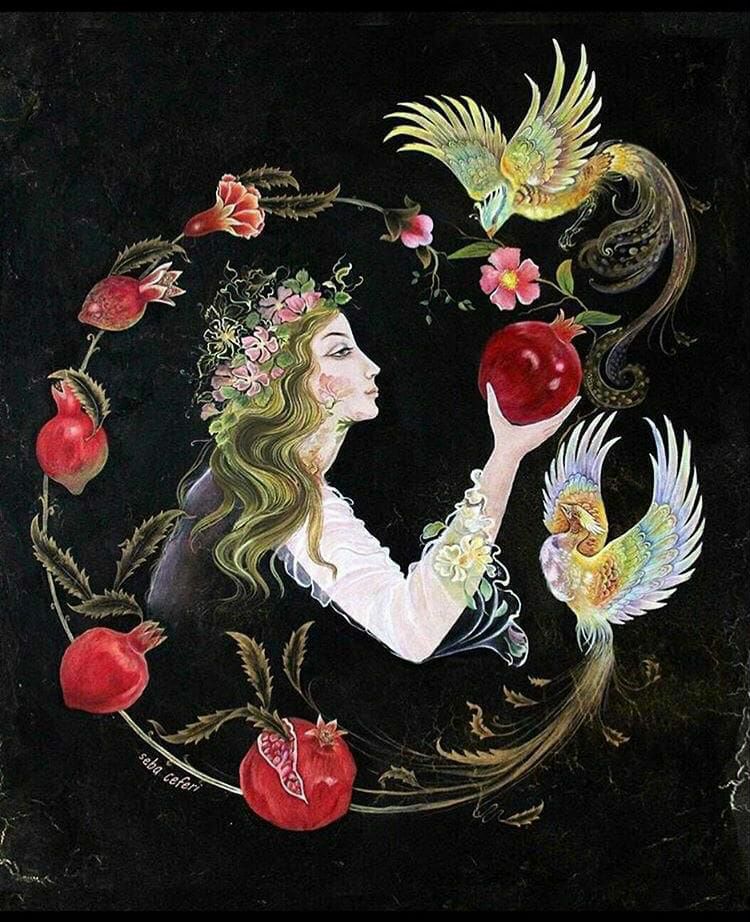
 Magiche Emozioni dell'Anima