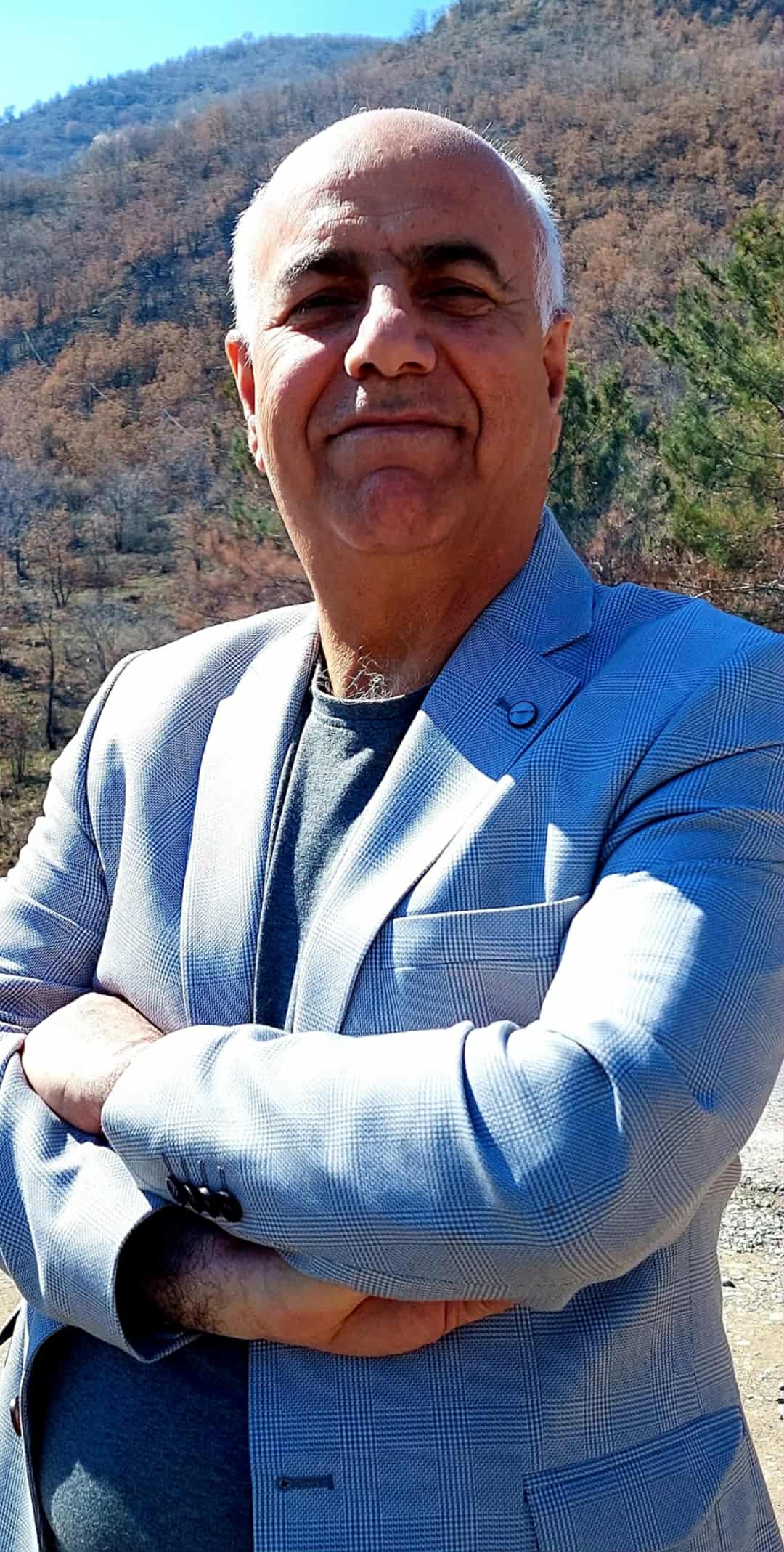
Foto cortesia del poeta iracheno Kareem Abdullah autore della poesia
La parola come ponte: la poesia di Kareem Abdullah pubblicata da Elisa Mascia su Alessandria today. Recensione di Pier Carlo Lava
Recensione dell’articolo di Elisa Mascia su Alessandria today con la poesia “Lultima fonte di luce” di Kareem Abdullah. Un canto spirituale sulla luce, il tempo e l’universalità dell’anima.
Elisa Mascia, poetessa molisana e autrice di Alessandria today, continua con dedizione il suo prezioso lavoro di promozione poetica internazionale, aprendo le pagine del quotidiano culturale ad autori di tutto il mondo.
Nel recente articolo pubblicato il 20 ottobre 2025, Mascia presenta una poesia di Kareem Abdullah, autore mediorientale che esplora nei suoi versi il tema dell’amore universale e della ricerca dell’anima attraverso la parola.
La pubblicazione rientra nel progetto di dialogo interculturale che Mascia cura con sensibilità, rendendo la poesia un ponte fra popoli, linguaggi e spiritualità.
L’ultima fonte di luce
Di Kareem Abdullah – Baghdad, Iraq.
O tu — quando raggiungi il limite, quando l’aria nei tuoi polmoni diventa pesante, quando la terra si trasforma in una pietra errante alla deriva in un vuoto spietato, quando tutto ciò che rimane dentro di te è un’unica fragile scintilla di luce— chiudi gli occhi, scendi nel punto più profondo dentro di te , lì, c’è una piccola sorgente non sa arrendersi, non conosce pace.
*
Quando la resistenza ti abbandona, non riesci più a sopportarlo, entra in te stesso come uno sconosciuto entra in una grotta di fuoco e acqua.
Chiediti: cosa mi ha spinto a scegliere la vita così all’improvviso? Allora ascolta attentamente— le risposte non vengono dall’esterno, ma dai tessuti segreti
attraverso i quali la vita tesse il suo significato. Dentro il tuo cuore —forse— ti aspetta un piccolo albero, un albero che non hai mai visto perché eri troppo impegnato a inseguire le ombre.
*
Ricorda… quando hai deciso di restare in vita, non avevi nessuna mappa, nessun piano, ma c’era in te solo un puro, selvaggio guizzo che sussurrava senza parole: C’è ancora una battaglia che vale la pena combattere, o un bacio che non è ancora stato dato, o una canzone che non è stata scritta, o una città che aspetta che tu apra le sue finestre.
*
Pensa a quella ragione… a quel primo impulso tremante che ti ha fatto scegliere di vivere, a quel nome, a quel volto, a quella luce, a quella parola o a quel sogno. Lì risiede la fonte del potere della forza— non nel pianto– ma nel polso nascosto che arde come un piccolo sole sotto la tua pelle.
*
La vita non è una montagna scalata e conquistata dai forti, ma una nuvola alla deriva sotto la quale gli esausti corrono e pregano — e arrivano comunque, nonostante il tremore. Rimanere non significa non essere stati sconfitti, ma significa piuttosto aver dichiarato una tregua con dolore per sollevare nel petto un piccolo uccello di nome Speranza.
*
E quando la notte si fa intensa, stringe la sua presa, quando le voci che ti chiamano a cadere si moltiplicano, inginocchiati— non per crollare, ma per ascoltare la terra. Ti sussurrerà un segreto che nessun altro conosce: tutto intorno a te vuole che tu rimanga. L’aria, il mare, la foglia più piccola su un ramo di albero dimenticato in un angolo buio del mondo— tutto scommette su un solo momento di te, il momento in cui ti rialzi dal nulla.
*
Non morire, oh tu che porti dentro di te un sole che non è ancora stato acceso, non morire, tu taci, o sorgente di fiumi silenziosi, non morire, perché quando hai scelto la vita, sei diventato parte di un ritmo cosmico inarrestabile.
*
Rimani — anche se il terreno trema sotto di te.
Rimani — anche se il linguaggio nella tua bocca è spezzato, Rimani— perché sei la ragione che stai cercando e quando apri gli occhi, doni all’universo un motivo in più per esistere.
️©️ Kareem Abdullah – Traduzione e pubblicazione a cura di Elisa Mascia, Alessandria today 2025
Analisi tematica e stilistica
La poesia di Kareem Abdullah, così come appare nell’edizione pubblicata da Elisa Mascia, si costruisce su una lingua della soglia: il respiro, la luce, l’alba, il confine indefinito tra giorno e notte.
In questo spazio di sospensione, il poeta colloca la propria anima come punto di incontro fra umano e divino, fra realtà e simbolo.
L’immagine centrale del respiro diventa metafora del legame invisibile che unisce l’uomo all’universo: un ritmo di appartenenza che non conosce barriere culturali o religiose.
Il tono è mistico e universale, ma mai distante: il lessico semplice e le immagini naturali — acqua, vento, ombra, sole — restituiscono una spiritualità accessibile, una forma di religione del quotidiano.
La musicalità dei versi, scandita da ripetizioni e simmetrie (“anche se il terreno trema sotto di te — anche se il linguaggio nella tua bocca è spezzato”), conferisce al testo un’armonia quasi liturgica.
In questa prospettiva, la poesia diventa atto di riconciliazione, un linguaggio di pace che travalica confini e identità.
Biografia dell’autore
Kareem Abdullah, poeta e traduttore, è autore di numerose raccolte in lingua araba e inglese.
Nei suoi testi si intrecciano spiritualità, filosofia sufi e riflessioni sull’identità contemporanea.
Le sue opere, spesso tradotte e pubblicate da autori europei, testimoniano un bisogno di unità attraverso la parola.
Con una voce che unisce oriente e occidente, Abdullah esplora i temi del tempo, della memoria e della presenza divina nel quotidiano.
Biografia dell’autrice e curatrice
Elisa Mascia, poetessa originaria di San Giuliano di Puglia (Campobasso), è una delle collaboratrici più attive di Alessandria today.
Attraverso la sua attività di pubblicazione e commento poetico, promuove una rete culturale internazionale che unisce autori di diverse lingue e sensibilità.
La sua scrittura, limpida e spirituale, si accompagna a un impegno autentico per la diffusione della poesia come strumento di conoscenza e armonia.
Con sensibilità e rigore, Mascia interpreta e valorizza la voce degli autori che ospita, rendendo la piattaforma un vero luogo d’incontro poetico.
Riflessione finale
In questa poesia, curata e pubblicata da Elisa Mascia, la parola di Kareem Abdullah diventa un canto di universalità e riconciliazione.
La figura del “volto senza confine” rappresenta la trascendenza dell’identità, l’essere umano come punto d’incontro fra luce e ombra, fra desiderio e fede.
La pubblicazione su Alessandria today conferma la missione della redazione: dare spazio a chi, con la poesia, costruisce ponti dove altri vedono divisioni.
Elisa Mascia, con il suo lavoro discreto e profondo, si conferma una delle voci e promotrici culturali più autentiche del panorama contemporaneo.
Link utili
Articolo originale su Alessandria today – Poesia di Kareem Abdullah pubblicata da Elisa Mascia
Profilo autrice Elisa Mascia su Alessandria today
Alessandria today – Sezione Poesia
Leggi tutti gli articoli di Elisa Mascia su Alessandria today: https://alessandria.today/?s=Elisa+Mascia
الكلمة كجسر: قصيدة كريم عبد الله التي نشرتها إليسا ماسيا في ألساندريا اليوم. مراجعة بقلم بيير كارلو لافا
مراجعة مقال إليسا ماسيا في ألساندريا اليوم مع قصيدة “المصدر الأخير للضوء” لكريم عبد الله. أغنية روحية عن النور والزمن وعالمية الروح.
تواصل إليسا ماسيا، الشاعرة من موليز ومؤلفة أليساندريا اليوم، عملها الثمين في الترويج الشعري الدولي بتفان، وتفتح صفحات الصحيفة الثقافية للمؤلفين من جميع أنحاء العالم.
في المقال الأخير المنشور بتاريخ 20 أكتوبر 2025، تقدم ماسيا قصيدة لكريم عبد الله، مؤلف شرق أوسطي يستكشف في أشعاره موضوع الحب العالمي والبحث عن الروح من خلال الكلمة.
يعد هذا المنشور جزءًا من مشروع الحوار بين الثقافات الذي تنظمه ماسيا بحساسية، مما يجعل الشعر جسرًا بين الشعوب واللغات والروحانية.
مَنْبَعُ الضَّوْءِ الأَخِير
يَا أَنْتَ، حِينَ تَبْلُغُ الحَافَّةَ، وَيَتَثَاقَلُ الهَوَاءُ فِي رِئَتَيْكَ، وَتَبْدُو الأَرْضُ حَجَرًا تَائِهًا فِي فَضَاءٍ لَا يَرْحَمُ، حِينَ لَا يَبْقَى فِيكَ إِلَّا نُقْطَةٌ هَشَّةٌ مِنَ الضَّوْءِ، اِغْمُضْ عَيْنَيْكَ، وَانْزِلْ إِلَى أَعْمَقِ نُقْطَةٍ فِيكَ، هُنَاكَ مَنْبَعٌ صَغِيرٌ لَا يَعْرِفُ الِاسْتِسْلَامَ.
*
إِنْ لَمْ تَعُدْ تَقْوَى عَلَى التَّحَمُّلِ، فَادْخُلْ إِلَى ذَاتِكَ كَمَا يَدْخُلُ الغَرِيبُ كَهْفًا مِنْ نَارٍ وَمَاءِ. قُلْ لِنَفْسِكَ: مَا الَّذِي جَعَلَنِي أَخْتَارُ الحَيَاةَ فَجْأَةً؟ ثُمَّ أَصْغِ جَيِّدًا… فَالأَجْوِبَةُ لَا تَأْتِي مِنَ الخَارِجِ، بَلْ مِنَ الأَنْسِجَةِ السِّرِّيَّةِ الَّتِي تَنْسُجُ الحَيَاةُ بِهَا مَعْنَاهَا حَوْلَكَ. فِي قَلْبِكَ — رُبَّمَا — شَجَرَةٌ صَغِيرَةٌ، لَمْ تَرَهَا قَطُّ، لِأَنَّكَ كُنْتَ مَشْغُولًا بِالظِّلَالِ.
*
تَذَكَّرْ… حِينَ قَرَّرْتَ أَنْ تَبْقَى حَيًّا، لَمْ تَكُنْ تَمْلِكُ خُطَّةً وَلَا خَارِطَةً، بَلْ كَانَ فِيكَ وَمِيضٌ وَحْشِيٌّ نَقِيٌّ قَالَ لَكَ دُونَ كَلَامٍ: لَا تَزَالُ هُنَاكَ مَعْرَكَةٌ تَسْتَحِقُّ أَنْ تُخَاضَ، أَوْ قُبْلَةٌ لَمْ تُعْطَ، أَوْ أُغْنِيَةٌ لَمْ تُكْتَبْ، أَوْ مَدِينَةٌ تَنْتَظِرُكَ لِتَفْتَحَ نَوَافِذَهَا.
*
فَكِّرْ فِي هَذَا السَّبَبِ… فِي تِلْكَ الِارْتِعَاشَةِ الأُولَى الَّتِي جَعَلَتْكَ تَخْتَارُ الحَيَاةَ، فِي ذَلِكَ الاِسْمِ، أَوِ الوَجْهِ، أَوِ الضَّوْءِ، أَوِ الكَلِمَةِ، أَوِ الحُلْمِ. هُنَاكَ يَكْمُنُ مَنْبَعُ القُوَّةِ — لَا فِي الصُّرَاخِ — بَلْ فِي النَّبْضَةِ الخَفِيَّةِ الَّتِي تَتَّقِدُ مِثْلَ شَمْسٍ صَغِيرَةٍ تَحْتَ جِلْدِكَ.
*
الحَيَاةُ لَيْسَتْ جَبَلًا يَصْعَدُهُ الأَقْوِيَاءُ، بَلْ غَيْمَةٌ يَرْكُضُ تَحْتَهَا المُنْهَكُونَ وَيَصِلُونَ رَغْمَ الارْتِجَافِ . أَنْ تَبْقَى، لَا يَعْنِي أَنَّكَ لَمْ تُهْزَمْ، بَلْ يَعْنِي أَنَّكَ أَعْلَنْتَ هُدْنَةً مَعَ الأَلَمِ لِتُرَبِّيَ فِي صَدْرِكَ طَيْرًا صَغِيرًا اسْمُهُ الرَّجَاءُ.
*
وَحِينَ يَشْتَدُّ اللَّيْلُ، وَتَتَكَاثَرُ الأَصْوَاتُ الَّتِي تَدْعُوكَ إِلَى السُّقُوطِ، اِرْكَعْ عَلَى رُكْبَتَيْكَ، لَا لِتَنْهَارَ… بَلْ لِتَسْمَعَ الأَرْضَ. سَتَهْمِسُ لَكَ سِرًّا لَا يَعْرِفُهُ أَحَدٌ: كُلُّ شَيْءٍ حَوْلَكَ يُرِيدُكَ أَنْ تَبْقَى. الهَوَاءُ، وَالبَحْرُ، وَأَصْغَرُ وَرَقَةٍ عَلَى شَجَرَةٍ فِي زَاوِيَةٍ مُعْتِمَةٍ، كُلُّهَا تُرَاهِنُ عَلَى لَحْظَةٍ وَاحِدَةٍ مِنْكَ… لَحْظَةِ نُهُوضِكَ مِنَ العَدَمِ.
*
فَلَا تَمُتْ، يَا مَنْ فِي دَاخِلِكَ شَمْسٌ لَمْ تُشْعَلْ بَعْدُ، فَلَا تَمُتْ، يَا مَنْبِعَ الأَنْهَارِ الصَّامِتَةِ، فَلَا تَمُتْ، لِأَنَّكَ حِينَ اخْتَرْتَ الحَيَاةَ، صِرْتَ جُزْءًا مِنْ إِيقَاعٍ كَوْنِيٍّ لَا يَتَوَقَّفُ.
*
اِبْقَ… وَلَوِ ارْتَجَفَتِ الأَرْضُ مِنْ تَحْتِكَ، اِبْقَ… وَلَوْ تَكَسَّرَتِ اللُّغَةُ فِي فَمِكَ، اِبْقَ… لِأَنَّكَ أَنْتَ السَّبَبُ الَّذِي تَبْحَثُ عَنْهُ، وَأَنْتَ حِينَ تَفْتَحُ عَيْنَيْكَ، تُعْطِي هَذَا الكَوْنَ سَبَبًا آخَرَ لِلْوُجُودِ.
***
بقلم: كريم عبدالله
بغداد – العراق
©️ كريم عبدالله – ترجمة ونشر إليسا ماسيا، ألساندريا اليوم 2025
التحليل الموضوعي والأسلوبي
إن شعر كريم عبد الله، كما يظهر في الطبعة التي نشرتها إليسا ماسيا، مبني على لغة العتبة: النفس، النور، الفجر، الحدود غير المحددة بين النهار والليل.
وفي فضاء التعليق هذا يضع الشاعر روحه كنقطة التقاء بين الإنسان والإلهي، بين الواقع والرمز.
تصبح الصورة المركزية للتنفس استعارة للرابطة غير المرئية التي توحد الإنسان بالكون: إيقاع الانتماء الذي لا يعرف أي حواجز ثقافية أو دينية.
النغمة صوفية وعالمية، ولكنها ليست بعيدة أبدًا: المعجم البسيط والصور الطبيعية — الماء والرياح والظل والشمس — تستعيد روحانية يسهل الوصول إليها، وهي شكل من أشكال الدين اليومي.
إن موسيقية الأبيات، التي تتخللها التكرارات والتماثلات (“حتى لو ارتجفت الأرض تحتك —حتى لو كانت اللغة في فمك مكسورة”)، تعطي النص تناغمًا طقسيًا تقريبًا.
ومن هذا المنظور، يصبح الشعر عملاً من أعمال المصالحة، ولغة سلام تتجاوز الحدود والهويات.
سيرة المؤلف
كريم عبد الله، شاعر ومترجم، مؤلف العديد من المجموعات باللغتين العربية والإنجليزية.
تتشابك الروحانية والفلسفة الصوفية والتأملات حول الهوية المعاصرة في نصوصه.
وتشهد أعماله، التي غالبًا ما يترجمها وينشرها مؤلفون أوروبيون، على الحاجة إلى الوحدة من خلال الكلمة.
بصوت يوحد الشرق والغرب، يستكشف عبد الله موضوعات الزمن والذاكرة والحضور الإلهي في الحياة اليومية.
السيرة الذاتية للمؤلف والمشرف
إليسا ماسيا، شاعرة أصلها من سان جوليانو دي بوليا (كامبوباسو)، هي واحدة من أكثر المتعاونين نشاطًا مع أليساندريا اليوم.
ومن خلال نشاطها في النشر والتعليق الشعري، تعمل على تعزيز شبكة ثقافية دولية توحد المؤلفين من مختلف اللغات والحساسيات.
كتاباته الواضحة والروحية مصحوبة بالتزام حقيقي بنشر الشعر كأداة للمعرفة والانسجام.
بحساسية ودقة، تقوم ماسيا بتفسير وتعزيز صوت المؤلفين الذين تستضيفهم، مما يجعل المنصة مكانًا حقيقيًا للقاء الشعري.
التأمل النهائي
في هذه القصيدة، التي حررتها ونشرتها إليسا ماسيا، تصبح كلمة كريم عبد الله أغنية عالمية ومصالحة.
يمثل شكل “الوجه بلا حدود” تجاوز الهوية، والإنسان كنقطة التقاء بين النور والظل، بين الرغبة والإيمان.
يؤكد المنشور في ألساندريا اليوم مهمة فريق التحرير: إعطاء مساحة لأولئك الذين، بالشعر، يبنون الجسور حيث يرى الآخرون الانقسامات.
تؤكد إليسا ماسيا، بعملها السري والعميق، نفسها كواحدة من أكثر الأصوات أصالة والمروجين الثقافيين على الساحة المعاصرة.
روابط مفيدة
🔗 المقال الأصلي في ألساندريا اليوم – قصيدة لكريم عبد الله نشرتها إليسا ماسيا
🔗 الملف الشخصي للمؤلفة إليسا ماسيا على ألساندريا اليوم
🔗 ألساندريا اليوم – قسم الشعر
اقرأ جميع مقالات إليسا ماسيا عن ألساندريا اليوم: https://alessandria.today/?s=Elisa+Mascia
Alessandria Today Italy News Media
The house of culture
The word as a bridge: Kareem Abdullah’s poem published by Elisa Mascia in Alessandria today. Review by Pier Carlo Lava
Review of Elisa Mascia’s article in Alessandria today with the poem “The last source of light” by Kareem Abdullah. A spiritual song about light, time and the universality of the soul.
Elisa Mascia, poet from Molise and author of Alessandria today, continues her precious work of international poetic promotion with dedication, opening the pages of the cultural newspaper to authors from all over the world.
In the recent article published on October 20, 2025, Mascia presents a poem by Kareem Abdullah, a Middle Eastern author who explores in his verses the theme of universal love and the search for the soul through the word.
The publication is part of the intercultural dialogue project that Mascia curates with sensitivity, making poetry a bridge between peoples, languages and spirituality.
The Last Source of Light
By Kareem Abdullah – Baghdad, Iraq.
O you —when you reach the limit, when the air in your lungs becomes heavy, when the earth turns into a drifting wandering stone into a merciless void, when all that remains within you is a single fragile spark of light— close your eyes, descend to the deepest point within you – there, there is a small spring cannot surrender, does not know peace.
*
When the resistance abandons you, you can no longer bear it, enter yourself as a stranger enters a cave of fire and water.
Ask yourself, What made me choose life so suddenly? Then listen carefully— the answers do not come from outside, but from the secret tissues
through which life weaves its meaning. Inside your heart —perhaps— a small tree awaits you, a tree you have never seen because you were too busy chasing the shadows.
*
Remember… when you decided to stay alive, you had no map, no plan, but there was only a pure, wild flicker in you that whispered without words: There is still a battle worth fighting, or a kiss that hasn’t yet been given, or a song that hasn’t been written, or a city waiting for you to open its windows.
*
Think about that reason… that first trembling impulse that made you choose to live, that name, that face, that light, that word or that dream. There lies the source of the power of strength— not in crying– but in the hidden wrist that burns like a small sun under your skin.
*
Life is not a mountain climbed and conquered by the strong, but a drifting cloud under which the exhausted run and pray — and arrive anyway, despite the tremor. Remaining does not mean not having been defeated, but rather means having declared a truce with pain to lift a small bird named Hope into your chest.
*
And when the night becomes intense, it tightens its grip, when the voices that call you to fall multiply, kneeling— not to collapse, but to listen to the earth. He will whisper to you a secret that no one else knows: everything around you wants you to stay. The air, the sea, the smallest leaf on a forgotten tree branch in a dark corner of the world— everything bets on just one moment of you, the moment you rise from nothing.
*
Don’t die, oh you who carry within you a sun that has not yet been lit, don’t die, you remain silent, O source of silent rivers, don’t die, because when you chose life, you became part of an unstoppable cosmic rhythm.
*
Stay — even if the ground trembles beneath you.
Stay —even if the language in your mouth is broken, Stay— because you are the reason you are looking for and when you open your eyes, you give the universe one more reason to exist.
️©️ Kareem Abdullah – Translation and publication by Elisa Mascia, Alexandria today 2025
Thematic and stylistic analysis
The poetry of Kareem Abdullah, as it appears in the edition published by Elisa Mascia, is built on a language of the threshold: the breath, the light, the dawn, the indefinite border between day and night.
In this space of suspension, the poet places his soul as a meeting point between human and divine, between reality and symbol.
The central image of breathing becomes a metaphor for the invisible bond that unites man to the universe: a rhythm of belonging that knows no cultural or religious barriers.
The tone is mystical and universal, but never distant: the simple lexicon and the natural images — water, wind, shadow, sun — restore an accessible spirituality, a form of everyday religion.
The musicality of the verses, punctuated by repetitions and symmetries (“even if the ground trembles beneath you — even if the language in your mouth is broken”), gives the text an almost liturgical harmony.
In this perspective, poetry becomes an act of reconciliation, a language of peace that goes beyond borders and identities.
Author biography
Kareem Abdullah, poet and translator, is the author of numerous collections in Arabic and English.
Spirituality, Sufi philosophy and reflections on contemporary identity are intertwined in his texts.
His works, often translated and published by European authors, testify to a need for unity through the word.
With a voice that unites East and West, Abdullah explores the themes of time, memory and divine presence in everyday life.
Biography of the author and curator
Elisa Mascia, a poet originally from San Giuliano di Puglia (Campobasso), is one of the most active collaborators of Alessandria today.
Through its publication and poetic commentary activity, it promotes an international cultural network that unites authors of different languages and sensibilities.
His writing, clear and spiritual, is accompanied by an authentic commitment to the diffusion of poetry as a tool of knowledge and harmony.
With sensitivity and rigor, Mascia interprets and enhances the voice of the authors it hosts, making the platform a true poetic meeting place.
Final reflection
In this poem, edited and published by Elisa Mascia, Kareem Abdullah’s word becomes a song of universality and reconciliation.
The figure of the “face without border” represents the transcendence of identity, the human being as a meeting point between light and shadow, between desire and faith.
The publication in Alessandria today confirms the editorial team’s mission: to give space to those who, with poetry, build bridges where others see divisions.
Elisa Mascia, with her discreet and profound work, confirms herself as one of the most authentic voices and cultural promoters on the contemporary scene.
Useful links
Original article in Alessandria today – Poem by Kareem Abdullah published by Elisa Mascia
Author profile Elisa Mascia on Alessandria today
Alessandria today – Poetry Section
Read all Elisa Mascia’s articles on Alessandria today: https://alessandria.today/?s=Elisa+Mascia
La palabra como puente: el poema de Kareem Abdullah publicado por Elisa Mascia en Alessandria today. Crítica de Pier Carlo Lava
Revisión del artículo de Elisa Mascia sobre Alessandria today con el poema “La última fuente de luz” de Kareem Abdullah. Un canto espiritual sobre la luz, el tiempo y la universalidad del alma.
Elisa Mascia, poetisa molisana y autora de Alessandria today, continúa con dedicación su valioso trabajo de promoción poética internacional, abriendo las páginas del diario cultural a autores de todo el mundo.
En el reciente artículo publicado el 20 de octubre de 2025, Mascia presenta un poema de Kareem Abdullah, autor medio oriental que explora en sus versos el tema del amor universal y la búsqueda del alma a través de la palabra.
La publicación forma parte del proyecto de diálogo intercultural que Mascia mantiene con sensibilidad, haciendo de la poesía un puente entre pueblos, lenguajes y espiritualidad.
La última fuente de luz
Por Kareem Abdullah – Bagdad, Irak.
Tú – cuando llegas al límite, cuando el aire en tus pulmones se vuelve pesado, cuando la tierra se convierte en una piedra errante a la deriva en un vacío despiadado, cuando todo lo que queda dentro de ti es una sola y frágil chispa de luz- cierra los ojos, baja al punto más profundo dentro de ti , allí, hay una pequeña fuente que no sabe rendirse, no conoce paz.
*
Cuando la resistencia te abandona, ya no puedes soportarlo más, entra en ti mismo como un desconocido entra en una cueva de fuego y agua.
Pregúntate: ¿qué me hizo elegir la vida tan repentinamente? Entonces escucha atentamente- las respuestas no vienen del exterior, sino de los tejidos secretos
a través de los cuales la vida teje su significado. Dentro de tu corazón -tal vez- te espera un pequeño árbol, un árbol que nunca has visto porque estabas demasiado ocupado persiguiendo las sombras.
*
Recuerda… cuando decidiste permanecer con vida, no tenías ningún mapa, ningún plan, pero había en ti solo un puro y salvaje rechinar que susurraba sin palabras: Todavía hay una batalla que vale la pena luchar, o un beso que aún no se ha dado, o una canción que aún no se ha escrito, o una ciudad que espera que abras sus ventanas.
*
Piensa en esa razón… a ese primer impulso tembloroso que te hizo elegir vivir, a ese nombre, a ese rostro, a esa luz, a esa palabra o a ese sueño. Allí reside la fuente del poder de la fuerza- no en el llanto- sino en el pulso oculto que arde como un pequeño sol bajo tu piel.
*
La vida no es una montaña escalada y conquistada por los fuertes, sino una nube a la deriva bajo la cual los exhaustos corren y rezan – y llegan de todos modos, a pesar del temblor. Quedarse no significa no haber sido derrotados, sino más bien declarar una tregua con dolor para levantar en el pecho un pequeño pájaro llamado Esperanza.
*
Y cuando la noche se hace intensa, aprieta su agarre, cuando las voces que te llaman a caer se multiplican, arrodíllate- no para derrumbarte, sino para escuchar la tierra. Te susurrará un secreto que nadie más sabe: todo a tu alrededor quiere que te quedes. El aire, el mar, la hoja más pequeña en una rama de árbol olvidada en un rincón oscuro del mundo- todo apuesta a un solo momento tuyo, el momento en que te levantas de la nada.
*
No mueras, oh tú que llevas dentro de ti un sol que aún no ha sido encendido, no mueras, te callas, o manantial de ríos silenciosos, no mueras, porque cuando has elegido la vida, te has convertido en parte de un ritmo cósmico imparable.
*
Te quedas – incluso si el suelo tiembla debajo de ti.
Te quedas – incluso si el lenguaje en tu boca se rompe, te quedas- porque eres la razón que estás buscando y cuando abres los ojos, le das al universo una razón más para existir.
️HelB️ Kareem Abdullah – Traducción y publicación a cargo de Elisa Mascia, Alessandria today 2025
Análisis temático y estilístico
El poema de Kareem Abdullah, tal como aparece en la edición publicada por Elisa Mascia, se construye sobre una lengua del umbral: el aliento, la luz, el amanecer, la frontera indefinida entre el día y la noche.
En este espacio de suspensión, el poeta sitúa su alma como punto de encuentro entre lo humano y lo divino, entre la realidad y el símbolo.
La imagen central de la respiración se convierte en metáfora del vínculo invisible que une al hombre con el universo: un ritmo de pertenencia que no conoce barreras culturales o religiosas.
El tono es místico y universal, pero nunca distante: el léxico simple y las imágenes naturales – agua, viento, sombra, sol – devuelven una espiritualidad accesible, una forma de religión del cotidiano.
La musicalidad de los versos, marcada por repeticiones y simetrías (“Aunque el suelo tiemble debajo de ti – incluso si el lenguaje en tu boca está roto”), confiere al texto una armonía casi litúrgica.
En esta perspectiva, la poesía se convierte en un acto de reconciliación, un lenguaje de paz que trasciende fronteras e identidad.
Biografía del autor
Kareem Abdullah, poeta y traductor, es autor de numerosas colecciones en árabe e inglés.
En sus textos se entrelazan espiritualidad, filosofía sufí y reflexiones sobre la identidad contemporánea.
Sus obras, a menudo traducidas y publicadas por autores europeos, atestiguan una necesidad de unidad a través de la palabra.
Con una voz que une Oriente y Occidente, Abdullah explora los temas del tiempo, la memoria y la presencia divina en el día a día.
Biografía de la autora y curadora
Elisa Mascia, poeta originaria de San Giuliano di Puglia (Campobasso), es una de las colaboradoras más activas de Alessandria today.
A través de su actividad de publicación y comentario poético, promueve una red cultural internacional que une autores de diferentes idiomas y sensibilidades.
Su escritura, clara y espiritual, se acompaña de un auténtico compromiso por la difusión de la poesía como instrumento de conocimiento y armonía.
Con sensibilidad y rigor, Mascia interpreta y valoriza la voz de los autores que acoge, haciendo de la plataforma un verdadero lugar de encuentro poético.
Reflexión final
En este poema, editado y publicado por Elisa Mascia, la palabra de Kareem Abdullah se convierte en un canto de universalidad y reconciliación.
La figura del “rostro sin fronteras” representa la trascendencia de la identidad, el ser humano como punto de encuentro entre luz y sombra, entre deseo y fe.
La publicación en Alessandria today confirma la misión de la redacción: dar espacio a quien, con la poesía, construye puentes donde otros ven divisiones.
Elisa Mascia, con su trabajo discreto y profundo, se confirma como una de las voces y promotoras culturales más auténticas del panorama contemporáneo.
Enlaces útiles
Artículo original en Alessandria today – Poesía de Kareem Abdullah publicada por Elisa Mascia
Perfil de la autora Elisa Mascia en Alessandria today
Alejandría today – Sección de poesía
Lee todos los artículos de Elisa Mascia sobre Alessandria today: https://alessandria.today/? s=Elisa+Mascia
 Magiche Emozioni dell'Anima