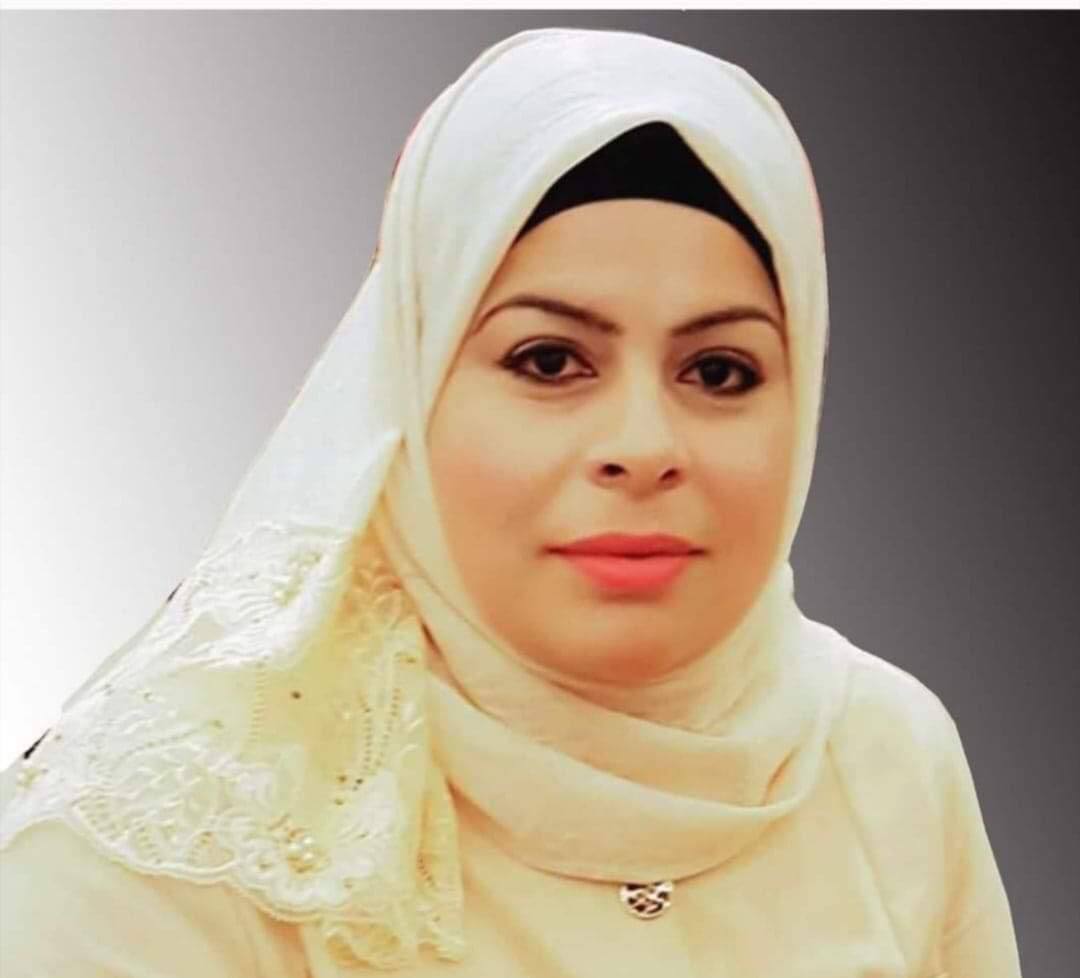
Foto cortesia della giornalista Donia Sahib-Iraq
La musica e il suo impatto sulla natura umana: rinnovare un discorso civile e umano che porti il messaggio dell’Islam
Scritto da: Dunya Sahib – Iraq
Ascoltando la musica è possibile ripristinare il buon senso di una persona, poiché ha un impatto diretto sulla chimica dell’anima. Ripristina la scatola dei suoi sentimenti, sviluppa le sue emozioni e le unisce verso l’idea da cui procedono il compositore e il musicista. Da qui l’importanza che una persona istruita e consapevole scelga bene lo stile musicale nella composizione e nell’esecuzione, sia su strumenti orientali che occidentali, a condizione che le melodie portino i valori della nostra civiltà islamica e i suoi alti principi morali.
Secondo il mio concetto di musica: “Ciò che è incompleto nel discorso non è completo senza melodie”. Si tratta di un’entità completa di frequenze energetiche emozionali per il compositore e il musicista, che incarna immagini melodiche che ispirano l’anima e influenzano il pensiero umano secondo le frequenze delle sue onde, diventando un linguaggio simbolico esistente, poiché la pittura della vita artistica non è completa se non con elementi che accrescono il valore dell’uomo in questo mondo simbolico.
I mezzi di espressione sono strettamente legati alla gioia dell’anima umana, soprattutto a ciò che si manifesta nell’innovazione delle arti, nel canto, nel suonare e persino nella rotazione sufi con l’universo. Sono usati nei mawwajid, nei muwashshahat, nei canti religiosi e nei mawwal dei sufi come mezzo per ricostruire una società sana e integra, lontana dalle malattie psicologiche che colpiscono il corpo e l’anima, che spesso derivano dalla contaminazione con ideologie e credenze corrotte che non hanno alcun fondamento nel Libro di Dio, il Sacro Corano Dio non ha inviato alcuna autorità su di esso, poiché è la conoscenza divina completa dell’ordine dell’universo.
Dal punto di vista della scienza della verità e della legge islamica, la musica può essere un mezzo per costruire società con le buone energie dell’umanità (e incarnare l’identità culturale dei popoli), poiché è un fattore di rinascita sia spirituale che intellettuale.»
A condizione che si presenti in forma pura e calma,
La musica classica è un tipo di musica che segue determinate tradizioni artistiche culturali dei popoli e si è evoluta nel corso dei secoli. È caratterizzato dalla precisa organizzazione delle melodie e dei ritmi, dal suo interesse per l’armonia (armonia dei suoni), da temi musicali complessi e da una struttura musicale integrata.
Ha un carattere spirituale ispiratore e contemplativo, privo di impurità che corrompono anime e spiriti e di toni stranieri distorti da culture primitive e fugaci che non hanno nulla a che fare con la nostra identità di civiltà e culturale. «Diventa quindi necessario fare attenzione a non esportare idee devianti attraverso vari mezzi di espressione: la scrittura, tutte le arti, la musica, il teatro, i film e le serie trasmesse sugli schermi televisivi, oltre ai media e ai siti di social network, perché rappresentano l’ambiente di base per creare la vita e plasmare le società e sono il tributario da cui le generazioni emergenti traggono i loro valori e principi.»
«Oggi abbiamo un disperato bisogno di un sistema di civiltà avanzato che ripristini il rispetto per la cultura spirituale, rinnovi le origini della nostra identità culturale araba e stabilisca le sue radici nei nostri paesi che sono stati esauriti da guerre e spargimenti di sangue, finché i valori e la morale stabiliti dal profeta Maometto, che Dio lo benedica e gli conceda la pace, più di quattordici secoli fa svanirono, in un’epoca che rappresentava un modello ideale per rinnovare il discorso umano e di civiltà del mondo di quel tempo.»
Nel nostro tempo presente, il rinnovamento del discorso umano e di civiltà deve essere in linea con i dati della modernità, ispirati dal giorno della missione del profeta Maometto, che Dio lo benedica e gli conceda la pace, il padre dei liberi, che Dio ha inviato come misericordia ai mondi. «Questo rinnovamento deriva dai significati del detto dell’Onnipotente: ﴿E quanto alla grazia del tuo Signore, parla﴾ (Al-Duha: 11), il che significa che l’uomo vive nel suo tempo preservando la sua origine radicata nell’identità dell’Islam; Il sistema che dovrebbe essere applicato come metodo e costituzione globale, poiché l’Islam non riguarda una nazione o una religione ma piuttosto è un sistema completo che include due tipi di creature: gli umani e i jinn. È coerente con i principi dei valori umani e morali scritti da Dio e inclusi nel Suo Libro Sacro, il Corano, e cerca di porre l’uomo in una consapevolezza completa e permanente, lontano dalla disattenzione e dalla sottomissione dietro la deviazione dei desideri, delle vili concupiscenze e dei pensieri artificiali dell’anima. Questa è la verità che la gente ha trascurato.»
«La musica, le parole gentili, il disegno, la calligrafia, l’ingegneria, la scultura e tutte le altre arti e opere artistiche e creative che una persona compie sono tutte considerate buone opere che contribuiscono al raggiungimento dell’equilibrio psicologico, morale e formativo nella vita, perché trasmettono energie positive che irradiano luce, assicurando la stabilità dell’equilibrio della giustizia divina nella formazione delle creature secondo la visione cosmica. Una persona deve imparare l’arte di esprimere i propri pensieri e sentimenti, attraverso la quale si incarna la realtà degli eventi e delle questioni della sua vita.»
«Gli insegnamenti tolleranti dell’Islam riguardo alle arti benefiche mirano a guarire le anime da malattie psicologiche incurabili, ad ammorbidire i cuori duri e purificare le anime affinché diventino creative e innovative, in modo che le energie negative si trasformino in positive. Questa è l’essenza dell’educazione islamica, poiché le arti e tutto ciò che un individuo fa, in particolare scrivere storie, romanzi, poesie, musica, disegno, scultura, artigianato e altre opere creative, sono strumenti per l’espressione di sé e costruire equilibrio psicologico e spirituale.
I pensieri e i sentimenti che una persona emette sono incarnati nelle sue parole e azioni e si riflettono nella forma di eventi e questioni della sua vita, attraverso i quali crea la sua realtà su questa Terra, che è opera di Dio Onnipotente, che ispira artisti e creatori nelle loro idee e creatività utilizzando energie spirituali.
Questa energia emana dal potere e dalla volontà di Dio e raggiunge il corpo per Suo comando fin dalla Sua creazione nel grembo di Sua madre, quindi l’anima rimane direttamente connessa al suo Creatore, proprio come un bambino viene nutrito da sua madre attraverso il cordone ombelicale.
“Considerando la vita e l’esistenza, le immagini della vita dell’uomo e le conseguenze che essa comporta si riflettono in lui sotto forma di idee che lo ispirano a innovare e creare nelle sue opere, per volere del Creatore, gloria a Lui, in un’immagine nascosta, oscurata da una barriera di luce gelatinosa trasparente che non può essere vista ad occhio nudo, e non viene risuscitato se non per comando di Dio, affinché possa percepire la realtà dell’esistenza del Creatore e Creatore degli universi attraverso l’energia sensoriale dei sensi interiori. L’uomo comincia a sentire il grande sostegno divino, che si manifesta nella sua vita secondo la qualità dei suoi pensieri e la natura dei suoi sentimenti, siano essi puri e sani o inquinati e malati.
Il versetto benedetto della Sura Al-Isra, n. 20, sottolinea questo dono divino generale:
﴿Tutti noi estendiamo questi e quelli dal dono del tuo Signore. E il dono del tuo Signore non è proibito.﴾
Questi segreti rientrano nelle scienze della formazione e nella scienza dell’invisibile nel Libro Santo di Dio, e l’anima, i suoi attributi e la sua natura sono menzionati nel versetto benedetto:
﴿E ti chiedono dello Spirito. Dì: «Lo Spirito viene dal comando del mio Signore e non vi è stata data alcuna conoscenza, se non poca».﴾ (Al-Isra’: 85)
Interpretazione mistica:
Il versetto dimostra che l’anima è un segreto divino di cui solo una piccola parte è specifica della mente umana. È “il comando del mio Signore” e deriva dalla saggezza e dalla volontà diretta del Creatore. Indica che l’anima è l’essenza suprema dell’uomo, direttamente connessa al Creatore, e che la sua vera conoscenza trascende i limiti della conoscenza umana, e la sua essenza può essere percepita solo attraverso la luce divina, la comprensione attraverso l’ampiezza delle percezioni della mente, la purificazione del cuore, zakat dell’anima e purezza dell’anima. Diventa così simbolo del più grande mistero sacro della vita e punto di incontro tra l’uomo e il suo Signore, connesso all’energia dell’ispirazione divina che lo aiuta e lo ispira a ricercare, sperimentare e innovare l’artigianato e il lavoro, poiché l’uomo non lavora da solo o separatamente dalla fonte principale e finanziatrice della più grande e creativa energia della vita, che è il Dio potente, e così via. L’anima umana rimane connessa al suo Creatore.
L’educazione islamica si basa su una dottrina tollerante basata sull’amore divino. Quando il cuore di un individuo è pieno dell’amore di Dio, la luce risplende in lui e lo fa uscire dalle tenebre per trasformarlo in luce, così la sua vita si trasforma da miseria a vera felicità eterna.»
Lettura in italiano di Elisa Mascia -Italia
الموسيقى وتأثيرها على فطرة الإنسان: تجديد خطاب
حضاري إنساني يحمل رسالة الإسلام
كتبت: دنيا صاحب – العراق
يمكن إعادة الفطرة الإنسانية السليمة للإنسان من خلال سماع الموسيقى، إذ إن لها أثرًا مباشرًا في كيمياء الروح؛ فهي ترمّم صندوق مشاعره، وتنمّي أحاسيسه، وتجمعها نحو الفكرة التي ينطلق منها الملحن والعازف. ومن هنا تبرز أهمية أن يُحسن الإنسان المثقف والواعي اختيار النمط الموسيقي في التأليف والعزف، سواء على الآلات الشرقية أو الغربية شريطة أن تحمل الألحان قيم حضارتنا الإسلامية ومبادئها الأخلاقية الرفيعة.
وحسب مفهومي عن الموسيقى: “المنقوص في الكلام لا يكتمل إلا بالألحان”. فهي كيان شامل من ترددات طاقة المشاعر للمؤلف والعازف، تتجسد صورًا لحنية ملهمة للروح، وتؤثر في تفكير الإنسان بحسب ترددات موجاتها، لتصبح لغة رمزية في الوجود، حيث لا تكتمل لوحة الحياة الفنية إلا بعناصر تعزز من قيمة الإنسان في هذا العالم الرمزي.
إن وسائل التعبير لها ارتباط وثيق بمهجة روح الإنسان خصوصًا ما يتجلى منها في ابتكار الفنون والغناء والعزف وحتى في الدوران الصوفي مع الكون، وتوظَّف في المواجيد والموشحات والإنشاد الديني والمواويل عند المتصوفة لتكون وسيلة لإعادة بناء مجتمع صحي وسليم، بعيدًا عن الأمراض النفسية التي تؤثر في الجسد والروح، والتي تنشأ غالبًا من التلوث بالأيديولوجيات والعقائد الفاسدة التي لا أصل لها في كتاب الله القرآن الكريم، ولم يُنزِل الله بها من سلطان فهو العلم الإلهي الشامل لنظام الكون .
ومن منظور علم الحقيقة والشريعة الإسلامية، يمكن للموسيقى أن تكون وسيلة لبناء المجتمعات بطاقات البشرية الصالحة (وتجسيد الهوية الثقافية للشعوب)، فهي عامل للإحياء الروحي والفكري على حد سواء.»
شرط أن تأتي في قالب نقي وهادئ،
الكلاسيكي هي نوع من الموسيقى التي تتبع تقاليد فنية ثقافية معينة للشعوب ومتطورة عبر العصور، وتتميز بالتنظيم الدقيق للألحان والإيقاعات، واهتمامها بالهارموني (تناغم الأصوات)، والمواضيع الموسيقية المعقدة، والبنية الموسيقية المتكاملة.
ذات طابع روحاني تأملي ملهم خالٍ من الشوائب المفسدة للنفوس والارواح والنغمات الدخيلة المشوَّهة بثقافات بدائية زائلة لا تمتّ إلى هويتنا الحضارية والثقافية بصلة. «ولهذا يصبح من الضروري الحذر من تصدير الأفكار المنحرفة عبر مختلف وسائل التعبير: الكتابة، وجميع الفنون، والموسيقى، والمسرح، والأفلام، والمسلسلات التي تُعرض على شاشات التلفزيون، إضافةً إلى الإعلام ومواقع التواصل الاجتماعي، لأنها تمثل البيئة الأساسية لصناعة الحياة وتشكيل المجتمعات، وهي الرافد الذي تستقي منه الأجيال الناشئة قيمها ومبادئها.»
«نحن اليوم في أمسّ الحاجة إلى نظام حضاري متقدّم يعيد الاعتبار للثقافة الروحية، ويجدد أصول هويتنا الثقافية العربية، ويُرسّخ جذورها في بلداننا التي أنهكتها الحروب وسفك الدماء، حتى تلاشت القيم والأخلاق التي أسسها النبي محمد ﷺ منذ أكثر من أربعة عشر قرنًا، في حقبة مثّلت نموذجًا مثاليًا لتجديد الخطاب الإنساني والحضاري للعالم آنذاك.»
أما في زمننا الحاضر، فإن تجديد الخطاب الإنساني والحضاري ينبغي أن يتماشى مع معطيات الحداثة، مستلهمًا من يوم بعثة النبي محمد ﷺ، أبا الأحرار الذي بعثه الله رحمةً للعالمين. «وهذا التجديد ينطلق من معاني قوله تعالى: ﴿وَأَمَّا بِنِعْمَةِ رَبِّكَ فَحَدِّثْ﴾ (الضحى: 11)، أي أن يعيش الإنسان في عصره محافظًا على أصله المتجذّر في هوية الإسلام؛ النظام الذي ينبغي أن يُطبَّق كمنهج ودستور عالمي، إذ إن الإسلام لا يخص أمة أو ديانة واحدة، بل هو نظام شامل يضمّ نوعين من المخلوقات: الإنس والجن، وينسجم مع مبادئ القيم الإنسانية والأخلاقية التي كتبها الله وضمنها في كتابه الكريم القرآن، ساعيًا إلى أن يجعل الإنسان في وعي كامل دائم، بعيدًا عن الغفلة والانقياد وراء زيغ أهواء النفس والشهوات الدنيئة والأفكار المصطنعة. وهذه هي الحقيقة التي غفل عنها الناس.»
«فالموسيقى، والكلمة الطيبة، والرسم، والخط، والهندسة، والنحت، وسائر الفنون والأعمال الفنية والإبداعية التي ينجزها الإنسان، تُعدّ جميعها أعمالًا صالحة تسهم في تحقيق التوازن النفسي والأخلاقي والتكويني في الحياة، لأنها تبث طاقات إيجابية تشع نورًا، بما يضمن استقرار ميزان العدالة الإلهية في تكوين المخلوقات وفق الرؤية الكونية، فلا بد أن يتعلم الإنسان فنون التعبير عن أفكاره ومشاعره، التي تتجسد من خلالها واقع الأحداث والأمور في حياته.»
«وتعاليم دين الإسلام السمحاء في شأن الفنون النافعة تهدف إلى شفاء النفوس من الأمراض النفسية المستعصية، وتليين القلوب القاسية، وتزكية الأرواح لتصبح خلاقة ومبدعة، بحيث تتحول الطاقات السلبية إلى إيجابية. وهذا هو جوهر التربية الإسلامية؛ إذ أن الفنون وكل ما يقوم به الفرد، وأهمها كتابة القصص والروايات والشعر والموسيقى، والرسم، والنحت والحِرَف اليدوية والصناعية، وغيرها من الإبداعات، تُعدّ أدوات للتعبير عن الذات وبناء التوازن النفسي والروحي.
ما يصدر عن الإنسان من أفكار ومشاعر يتجسّد في أقواله وأفعاله، وينعكس على هيئة أحداث وأمور في حياته، ويصنع من خلالها واقعه على هذه الأرض، التي هي من صنع الله سبحانه وتعالى، الملهم للفنانين والمبدعين في أفكارهم وإبداعاتهم باستخدام الطاقات الروحية.
وتنبعث هذه الطاقة من قدرة الله وإرادته، وتصل إلى الجسد بأمره منذ خلقه في رحم أمه فتظل الروح متصلة بخالقها اتصالًا مباشرًا، كما يتغذى الطفل من أمه بواسطة الحبل السري.
“وبتأمل الإنسان للحياة والوجود، تنعكس عليه صور الحياة وما تحمله من تبعات على هيئة أفكار تلهمه للابتكار والإبداع في أعماله، بإيعاز من الخالق سبحانه وتعالى، في صورة خفية، محجوبة بحاجز هلامي شفاف من نور لا يُرى بالعين المجردة، ولا يُرفع إلا بأمر الله، ليتمكن من إدراك حقيقة وجود الخالق وصانع الأكوان من خلال طاقة الاستشعار بالحواس الباطنية. ويبدأ الإنسان بالإحساس بالمدد الإلهي العظيم، الذي يتجلى في حياته بحسب نوعية أفكاره وطبيعة مشاعره، سواء كانت صافية وسليمة أو ملوثة ومريضة.
وتؤكد الآية المباركة من سورة الإسراء، رقم 20، على هذا العطاء الإلهي العام:
﴿كُلًّا نُّمِدُّ هَٰؤُلَاءِ وَهَٰؤُلَاءِ مِنْ عَطَاءِ رَبِّكَ ۚ وَمَا كَانَ عَطَاءُ رَبِّكَ مَحْظُورًا﴾
وهذه الأسرار تندرج ضمن علوم التكوين وعلم الغيب في كتاب الله الكريم، كما ورد ذكر الروح وصفاتها وطبيعتها في الآية المباركة:
﴿وَيَسْأَلُونَكَ عَنِ الرُّوحِ ۖ قُلِ الرُّوحُ مِنْ أَمْرِ رَبِّي وَمَا أُوتِيتُم مِّنَ الْعِلْمِ إِلَّا قَلِيلًا﴾ (الإسراء: 85)
التأويل العرفاني:
تُظهر الآية أن الروح سرٌّ إلهي لا يختص به العقل البشري إلا قدر يسير، فهي من “أمر ربي”، وتنبع من حكمة الخالق وإرادته المباشرة. وتشير إلى أن الروح جوهر الإنسان الأسمى، المرتبط بالخالق اتصالًا مباشرًا، وأن معرفتها الحقيقية تتجاوز حدود العلم البشري، فلا يُدرك كنهها إلا بالنور الإلهي، والفهم بسعة مدارك العقل، وتطهير القلب وزكاة النفس وطهارة الروح. بذلك تصبح رمزًا للسر المقدس الأعظم في الحياة، ونقطة اللقاء بين الإنسان وربّه، متصلة بطاقة الإلهام الإلهي الذي يعينه ويُلهمه على البحث والتجريب وابتكار الصنعة والعمل، إذ إن الإنسان لا يعمل منفردًا أو منفصلاً عن المصدر الرئيسي والمُمول للطاقة العظمى والخلاقة في الحياة، وهو الإله الجبار، ونحو ذلك تظل روح الإنسان متصلة بخالقه.
وتقوم التربية الإسلامية على عقيدة سمحاء أساسها العشق الإلهي، فمتى امتلأ قلب الفرد بحب الله أشرق فيه النور، وأخرجه من الظلمات إلى النور فتتحول حياته من الشقاء إلى السعادة الحقيقية الأبدية.»
Music and Its Impact on Human Nature: Renewing a Humanitarian and Civilizational Discourse Carrying the Message of Islam
Written by: Donia Sahib – Iraq
Human nature can be restored to its original purity through listening to music, for music has a direct effect on the chemistry of the soul. It repairs the treasury of emotions, nurtures feelings, and gathers them toward the central idea from which the composer and performer set forth. From this arises the importance of the educated and conscious person choosing carefully the musical style in both composition and performance, whether on Eastern or Western instruments—provided that the melodies embody the values of our Islamic civilization and its lofty moral principles.
According to my understanding of music: “What is incomplete in speech can only be fulfilled by melody.” Music is a comprehensive entity of emotional energy frequencies emanating from the composer and musician. These take form as melodic images that inspire the soul and influence human thought according to the waves of their frequencies, becoming a symbolic language of existence. Thus, the artistic tableau of life is not complete without elements that enhance the value of the human being in this symbolic world.
Modes of expression are deeply bound to the essence of the human spirit, particularly as they manifest in the invention of arts, singing, playing, and even in the Sufi turning with the cosmos. They are employed in mystical chants, muwashshahat, religious songs, and mawwal among the Sufis as a means of rebuilding a healthy and sound society—free from the psychological illnesses that afflict both body and soul. These illnesses often arise from the pollution of corrupt ideologies and unfounded creeds that have no root in the Book of God, the Holy Qur’an, and for which God has revealed no authority. The Qur’an remains the divine science encompassing the order of the universe.
From the perspective of both the science of truth (al-haqiqa) and Islamic law (al-shari‘a), music can serve as a means of building societies through the energies of virtuous humanity and embodying the cultural identity of peoples. It is a factor for both spiritual and intellectual revival—on condition that it comes in a pure and serene form.
Classical music, for example, is a type that adheres to specific artistic and cultural traditions, developed across centuries. It is characterized by precise organization of melodies and rhythms, an emphasis on harmony, complex thematic structures, and integrated musical forms. In its contemplative and spiritual essence, it inspires and uplifts, free from impurities that corrupt souls and from alien tones distorted by primitive, vanishing cultures unrelated to our civilizational and cultural identity.
For this reason, it becomes necessary to beware of exporting deviant ideas through various forms of expression—writing, the arts, music, theater, films, and television series, in addition to media and social networks—for these constitute the primary environment in which life is shaped and societies are formed. They are the sources from which rising generations derive their values and principles.
Today, we are in utmost need of an advanced civilizational system that restores dignity to spiritual culture, renews the foundations of our Arab cultural identity, and anchors its roots in our homelands exhausted by wars and bloodshed—where the values and morals established by Prophet Muhammad ﷺ more than fourteen centuries ago have eroded. That period once represented an exemplary model for renewing humanitarian and civilizational discourse for the entire world.
In our present time, the renewal of humanitarian and civilizational discourse must align with the realities of modernity, while drawing inspiration from the day of Prophet Muhammad’s ﷺ mission—the father of the free, whom God sent as a mercy to all the worlds. This renewal stems from the meaning of God’s words: “And proclaim the blessings of your Lord” (Al-Duha: 11), which signifies that human beings should live in their era while preserving their deeply rooted Islamic identity. Islam must be implemented as a universal constitution and way of life. It is not limited to one nation or religion, but rather is a comprehensive system that encompasses both humans and jinn, harmonizing with the human and moral values God inscribed in His Noble Book, the Qur’an. Its purpose is to keep humanity in perpetual awareness, safeguarded from heedlessness and from blindly following the deviations of the self, base desires, and fabricated ideologies. This is the reality people have overlooked.
Music, kind words, painting, calligraphy, architecture, sculpture, and all artistic and creative works accomplished by human beings are righteous acts that contribute to psychological, moral, and existential balance in life. They radiate positive energies filled with light, ensuring the stability of the divine balance of justice in the order of creation, according to the cosmic vision. Humanity must therefore learn the arts of expressing thoughts and emotions, through which the reality of events and circumstances in life takes form.
The teachings of Islam regarding beneficial arts aim to heal souls from intractable psychological illnesses, to soften hardened hearts, and to purify spirits so they become creative and inventive, transforming negative energies into positive ones. This is the essence of Islamic education: all arts and human endeavors—most importantly writing stories, novels, poetry, music, painting, sculpture, handicrafts, and industries—are tools for self-expression and building psychological and spiritual balance.
What emanates from a human being of thoughts and feelings materializes in words and actions, reflects in events and circumstances of life, and shapes the reality he lives upon this earth—an earth created by God Almighty, the ultimate source of inspiration for artists and creators through the energies of the spirit.
This energy flows from the power and will of God, reaching the body by His command since its creation in the mother’s womb, with the soul remaining in direct connection to its Creator—just as the child feeds from its mother through the umbilical cord.
Through contemplation of life and existence, images of life reflect upon the human being, bearing consequences that take form as thoughts inspiring creativity and innovation in his work. This comes by divine prompting, in a hidden manner veiled by a translucent barrier of light unseen by the naked eye—one that is lifted only by God’s command—so that man may perceive the reality of the Creator and Maker of the universes through the inner senses of perception. Thus, man begins to feel the great divine support manifesting in his life according to the quality of his thoughts and the nature of his emotions, whether pure and sound or polluted and diseased.
The noble verse from Surah Al-Isra (17:20) confirms this universal divine bestowal:
“To all—these as well as those—We extend from the bounty of your Lord. And the bounty of your Lord is never restricted.”
These mysteries belong to the sciences of creation and the unseen in the Book of God, wherein the soul, its attributes, and its nature are mentioned in the noble verse:
“They ask you concerning the spirit. Say: The spirit is from the command of my Lord, and you have been given of knowledge only a little.” (Al-Isra: 85)
Mystical Interpretation (Ta’wil ‘Irfani):
The verse reveals that the soul is a divine secret, inaccessible to human reason except to a limited extent. It is “from the command of my Lord,” springing directly from His wisdom and will. The soul represents the highest essence of humanity, linked directly to the Creator. Its true knowledge surpasses human science and cannot be comprehended except through divine light, expansion of intellect, purification of heart, and sanctity of the soul. Thus, it becomes the symbol of the greatest sacred mystery in life, the meeting point between man and his Lord—connected to divine inspiration that aids and guides him toward inquiry, experimentation, invention, and work. Humanity does not act in isolation or apart from the supreme Source of creative energy in life, who is the Almighty God. In this way, the soul remains forever tied to its Creator.
Islamic education is founded upon a tolerant creed whose essence is divine love. Once the heart of a person is filled with the love of God, light shines within, bringing him out from darkness into light. His life then transforms from misery into true and eternal happiness.
Leggi anche 👇
https://alessandria.today/2025/09/03/la-giornalista-donia-sahib-iraq-scrive-ascoltando-la-musica-e-possibile-ripristinare-il-buon-senso-di-una-persona-poiche-ha-un-impatto-diretto-sulla-chimica-dellanima-ripristina-la-scatola-dei/
 Magiche Emozioni dell'Anima