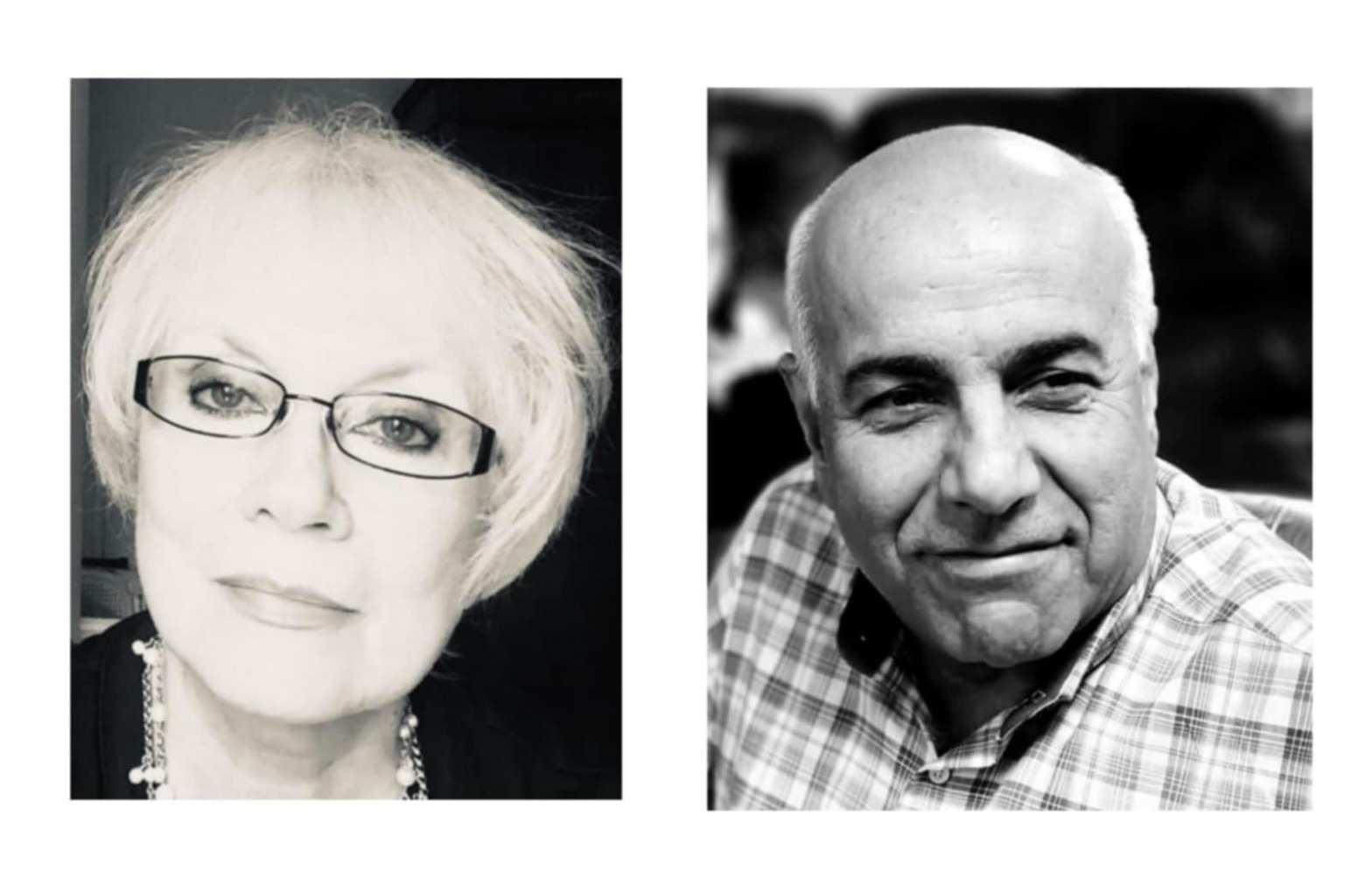
Foto cortesia di Cathie Cayros-Francia e Kareem Abdullah -Iraq
Lettura critica stilistica di Mi hai rubato il cuore! di Cathie Cayros – Francia.
Di : Kareem Abdullah – Iraq.
Le onde del lago stanno spruzzando intorno ai miei piedi, lambiscono la riva, scappano e tornano a me. La loro musica è come nient’altro. Ha le sue peculiarità: i suoi accordi profondi evidenziano la sua potenza, come se non fosse nemmeno un lago – suona come una baia oceanica senza fine – e poi arrivano dolci trilli, la parte lirica che ispira lo spirito romantico. Che fantastica sinfonia! Proprio in questo momento, le onde si avvicinano sempre più ai miei piedi, eseguendo la loro danza mondana, toccando delicatamente la mia pelle e calmandomi. Il colore del lago sta cambiando; l’acqua passa dalla luce al buio. La sua superficie sembra una tastiera di pianoforte, dove le mani di un musicista di talento stanno volando magistralmente sopra i tasti in bianco e nero. Chissà da quanti secoli la gente ha ammirato la tua bellezza, stando su questa riva e pensando alla stessa cosa? Tu, la grandezza celeste blu e grigia, hai sempre spronato la loro immaginazione, e ti hanno sempre onorato nelle loro opere – il nostro patrimonio, la memoria dei nostri antenati.
Una di queste opere d’arte è tutta in pietra ed è in realtà un villaggio tranquillo timido fondato nel 14 o secolo su questa pittoresca costa della Francia – Nernier. Non importa quante volte sono stato qui in piedi ad ammirarti, sono ancora stupito dalla bellezza incontaminata che ha conquistato per sempre il mio cuore e catturato la mia anima.
Ci sono solo poche strade qui, la riva frastagliata del lago Lemano, alcuni luoghi appartati e una vecchia cattedrale. Il molo è sede di un sacco di barche da pesca e yacht parcheggiati, e il luogo principale di interesse qui è un ristorante locale. Splendidamente situato tra secolari sicomori, è famoso lungo tutto il lungolago e attrae sempre i visitatori con deliziosi piatti di pesce e una vista mozzafiato sullo stesso paesaggio.
I visitatori non possono mai stancarsi dell’acqua liscia del lago e dei contorni delle montagne, a volte brillando al sole, a volte nascosti nel fumo blu.
Questa montagna si chiama Jura, è ai piedi delle Alpi. L’enorme stella arancione scende lentamente dietro le foreste del Giura, cambiando gradualmente il paesaggio lungo la strada: dapprima con colori pastello delicati, poi con una gamma di colori sempre più vivaci, lasciando tracce ovunque intorno.
Sto camminando lungo il lago, uscendo verso la piazza principale e girando l’angolo dove si trova la Place du Musée: ci sono bar e piccole sale da pranzo, c’è una galleria d’arte ceramica dove si possono trovare sculture e altre ceramiche. C’è anche una galleria d’arte Musée du Lac dove gli artisti locali presentano i loro dipinti e dove artisti e poeti provenienti da altri luoghi vengono per l’ispirazione. Per esempio, Enrico Vegetti, incisore nato nel 1863 a Torino. Dal 1900 ha dedicato tutta la sua vita e il suo talento a questo luogo. Era una persona modesta che sapeva vedere e sentire la bellezza semplice di questa terra, come apprezzarla nella sua pienezza. Le sue opere ci permettono di vedere questa bella terra attraverso i suoi occhi, attraverso la sua visione unica. La scuola parigina ha celebrato il fascino delle sue opere e la loro qualità poetica ed emotiva.
“Non bisogna confondere i colori. Il colore deve cantare”. Queste erano le parole che voleva ricordassero gli artisti del futuro.
La sua casa a Nernier è decorata con un memoriale fatto dai suoi amici e adoratori.
Sto camminando più lontano e raggiungo uno dei punti isolati della banchina dove lo spazio del lago sembra particolarmente sorprendente. Le onde si rompono sulle rocce enormi, scintillanti alla luce del sole.
Sto leggendo:
“Il lago di Ginevra e le sue rive mozzafiato hanno sempre attirato la mia attenzione in un modo speciale che non riesco nemmeno a spiegare. È in qualche modo legato non solo alla bellezza del paesaggio stesso, ma a qualcosa di più interessante. Qualcosa che tocca profondamente la mia anima e l’ammorbidisce”, così Jean-Jacques Rousseau, filosofo, compositore e scrittore franco-svizzero, ha descritto il suo amore per questo luogo.
Questa è una poesia di Alphonse de Lamartine, poeta francese nel romanticismo .
“In questo dipinto divino, un lento remo dimentica di colpire l’onda che sale sotto il ponte;
tutto quello che possiamo sentire è il suono di perle bianche d’acqua che ricadono nel lago su entrambi i lati della barca,
tutto quello che possiamo sentire è l’onda gonfiarsi dolcemente,
e indistinto i suoni dell’acqua nei sogni e nelle visioni!
Oh, poetico mare! Questa barca ha più di un cuore che può capire il tuo lamento mormorio;
Alcuni sono impressionati dalla scena,
Il loro petto si alza come un’onda,
Aprirsi a riflettere la natura e il suo Dio dell’amore e della libertà alla luce delle Alpi;
Incapace di parlare, gravato dall’incanto,
Lo spargono dappertutto, ad ogni anima… lacrime!”
“Il lago Lemano mi corteggia con la sua faccia di cristallo,
Lo specchio dove le stelle e le montagne vedono
La quiete del loro aspetto in ogni traccia
La sua chiara profondità rende loro lontano altezza e tonalità”
Questo è lo stesso Lord Byron, il poeta inglese del romanticismo – era anche affascinato dalla bellezza di questi paesaggi.
Si possono trovare tutte queste citazioni incise sulle piastrelle di pietra del molo – le parole dette da tante persone riconoscenti e profondamente impressionate, talentuose e famose, ordinarie e sconosciute, tutti coloro che hanno visitato questa terra in tempi diversi nel passato, centinaia di anni fa!
Procedo nel mio viaggio, sempre più lungo le strade tortuose dove un’altra vista mozzafiato mi aspetta dietro ogni angolo. Le case locali sono circondate da un giardino; è come un’altra opera d’arte anche per i suoi colori e piante sofisticate: wistaria, ortensia, frutto della passione, geranio, e un sacco di rose che si intrecciano intorno alle pareti di pietra, e l’unico suono è il gorgoglio dell’acqua in piccole fontane.
La strada è finita, e c’è solo uno spazio aperto tra la terra e il cielo, un vasto spazio blu fino alla linea dell’orizzonte – è infinito.
È anche possibile descrivere il fascino di questa piccola città misteriosa su un paio di pagine?
Si sta facendo tardi, e lo splendore dei colori notturni abbraccia il lago e il villaggio. Alle mie spalle, c’è un antico castello sulla collina. È circondato da una recinzione – l’edera sta arrampicandosi sulle sue pareti. Un tempo c’era un barone locale che possedeva tutta questa terra – ora sono i suoi discendenti a possederla, ma non so se è così tanto terreno come una volta. Qualcuno mi ha detto che il barone poteva parlare russo e amava la letteratura russa, ma non ho avuto la possibilità di incontrarlo.
Lascio il lungolago e torno a piedi verso il centro della città. Raggiungo la Cattedrale costruita nel XIV secolo – è sempre aperta. È un po’ scuro dentro, e le pareti di pietra mantengono la freschezza. Non ci sono visitatori al momento, ma in un’occasione speciale non ci sono mai abbastanza posti quindi la gente porta le proprie sedie. C’è un semplice altare, un piccolo organo antico, e più panche in legno – tutto qui è una decorazione.
Chi può portare via l’antico spirito di grandezza da questo luogo! Si può sentire toccare queste pareti e respirare quest’aria! Mi siedo, chiudo gli occhi e godo del silenzio e della potenza di Dio!
Vorrei che ci fosse un silenzio come questo e uno spazio aperto blu ovunque nel mondo.
Stylistic Critical Reading of You Stole My Heart! by Cathie Cayros – France.
By : Kareem Abdullah – Iraq.
The lake waves are splashing around my feet, lapping the shore, running away and coming back to me. Their Music is like nothing else. It has its own peculiarities: its deep-toned chords highlight its power, as if it’s not even a lake – it sounds like an endless ocean bay – and then come gentle trills, the lyrical part that inspires the romantic spirit. What a fantastic symphony! At this very moment, the waves are getting closer and closer to my feet, performing their mundane dance, touching my skin gently and calming me down. The colour of the lake is changing; the water goes from light to dark. Its surface looks like a piano keyboard, where a talented musician’s hands are flying masterly above the black and white keys. Who knows for how many centuries have people been admiring your beauty, standing on this shore and thinking about the same thing? You, the blue and grey sky-like greatness, have always been urging their imagination, and they have always honoured you in their artworks – our heritage, the memory of our ancestors.
One of such artworks is all made from stone and is actually a shy quiet village founded in the 14th century on this picturesque shore of France – Nernier. No matter how many times I have been standing here and admiring you, I am still amazed by the pristine beauty that has forever gained my heart and captured my soul.
There are only a few streets here, the indented shore of Lac Léman, some secluded spots and an ancient cathedral. The quay is home to a lot of fishing boats and parked yachts, and the main place of interest here is a local restaurant. Beautifully located among century-old sycamores, it is famous all along the lakeside and always attracts visitors by delicious fish dishes and a breathtaking view of the same landscape.
Visitors can never get tired of the smooth lake water and the outlines of the mountains, sometimes shining in the sun, sometimes hidden in the blue smoke.
This mountain is called Jura, it’s the foothill of the Alps. The huge orange star is slowly going down behind the forests of Jura, gradually changing the whole landscape along the way: at first, it uses some gentle pastel colours, and then the colour range is getting more and more vibrant, leaving its trace everywhere around in the area.
I’m walking along the lakeside, coming out to the main square, and turning around the corner where la Place du Musée is: there are bars and little dineries, there is a pottery art gallery where one can find sculptures and other ceramics. There is also a fine art gallery Musée du Lac where local artists present their paintings and where artists and poets from other places come for inspiration. For instance, Enrico Vegetti, an engraver who was born in 1863 in Turin. Since 1900, he dedicated his whole life and talent to this place. He was a modest person who knew how to see and feel the simple beauty of this land, how to appreciate it in its fullness. His artworks let us see this beautiful land through his eyes, through his unique vision. The Parisian school celebrated the charm of his works and their poetical and emotional quality.
“You should not mix up colours. The colour should sing”. Those were the words he wanted the future artists to remember.
His house in Nernier is decorated with a memorial made by his friends and adorers.
I’m walking further and reaching one of the isolated spots of the quay where the space of the lake looks especially amazing. The waves are breaking on the huge rocks, sparkling in the sunlight.
I’m reading:
“Geneva Lake and its breathtaking shores have always drawn my attention in some special way which I can’t even explain. It is somehow related not only to the beauty of the scenery itself but to something more interesting than that. Something that touches my soul deeply and softens it”, that’s how Jean-Jacques Rousseau, a Franco-Swiss philosopher, composer and writer, described his love to this place.
This is a poem by Alphonse de Lamartine, a French poet in romanticism .
“In this divine picture, a slow oar forgets to hit the wave rising under the deck;
all we can hear is the sound of white pearls of water which fall back into the lake on both sides of the boat,
all we can hear is the wave swelling gently,
and the indistinct sounds of water in dreams and visions!
Oh, poetic sea! This boat has more than a heart that can understand your mournful murmur;
Some are impressed by the scene,
Their chest is rising like a wave,
Opening up to reflect the Nature and its God of love and freedom in the light of the Alps;
Unable to speak, burdened with the enchantment,
They spread it everywhere around, to every soul… tears!”
“Lake Leman woos me with its crystal face,
The mirror where the stars and mountains view
The stillness of their aspect in each trace
Its clear depth yields of their far height and hue”
This is Lord Byron himself, the English poet of romanticism – he was also fascinated by the beauty of these landscapes.
One can find all of these quotes engraved on the stone tiles of the quay – the words said by so many grateful and deeply impressed people, talented and famous, ordinary and unknown, all those who visited this land at different times in the past, hundreds of years ago!
I proceed on my journey, further and further along the winding streets where another breathtaking view is waiting for me around every corner. Local houses are surrounded by a garden; it’s like another piece of art too because of its colours and sophisticated plants: wistaria, hortensia, passion fruit, geranium, and a lot of roses entwining themselves around the stone walls, and the only sound is the babbling water in little fountains.
The road has come to an end, and there is just an open space between the earth and the sky, a vast blue space until the horizon line – it’s endless.
Is it even possible to describe the charm of this tiny mysterious town on a couple of pages?
It is getting late, and the splendour of the night colours embraces the lake and the village. Behind my back, there is an ancient castle on the hill. It is surrounded by a fence – the ivy is climbing up its walls. There used to be a local baron who owned all this land – now it’s his offsprings who own it but I don’t know if it’s as much land as it used to be. Someone told me that the baron could speak Russian and loved Russian literature but I didn’t have a chance to meet him.
I’m leaving the lakeside and walking back to the centre of the town. I’m reaching the Cathedral built in the 14th century – it’s always open. It’s a bit dark inside, and the stone walls keep the coolness. There are no visitors there at the moment but on a special occasion there are never enough seats so people bring their own chairs. There’s a simple altar, a small ancient organ, and multiple wooden benches – everything here is a decoration.
Who can take away the ancient spirit of greatness from this place! One can feel it touching these walls and breathing in this air! I sit down, close my eyes and enjoy the silence and the power of God!
I wish there was a silence like this and a blue open space everywhere in the world.
Leggi anche
https://alessandria.today/2025/03/30/kareem-abdullah-iraq-scrive-lanalisi-critica-stilistica-di-mi-hai-rubato-il-cuore-di-cathie-cayros-francia-pubblicazione-di-elisa-mascia-italia/
 Magiche Emozioni dell'Anima