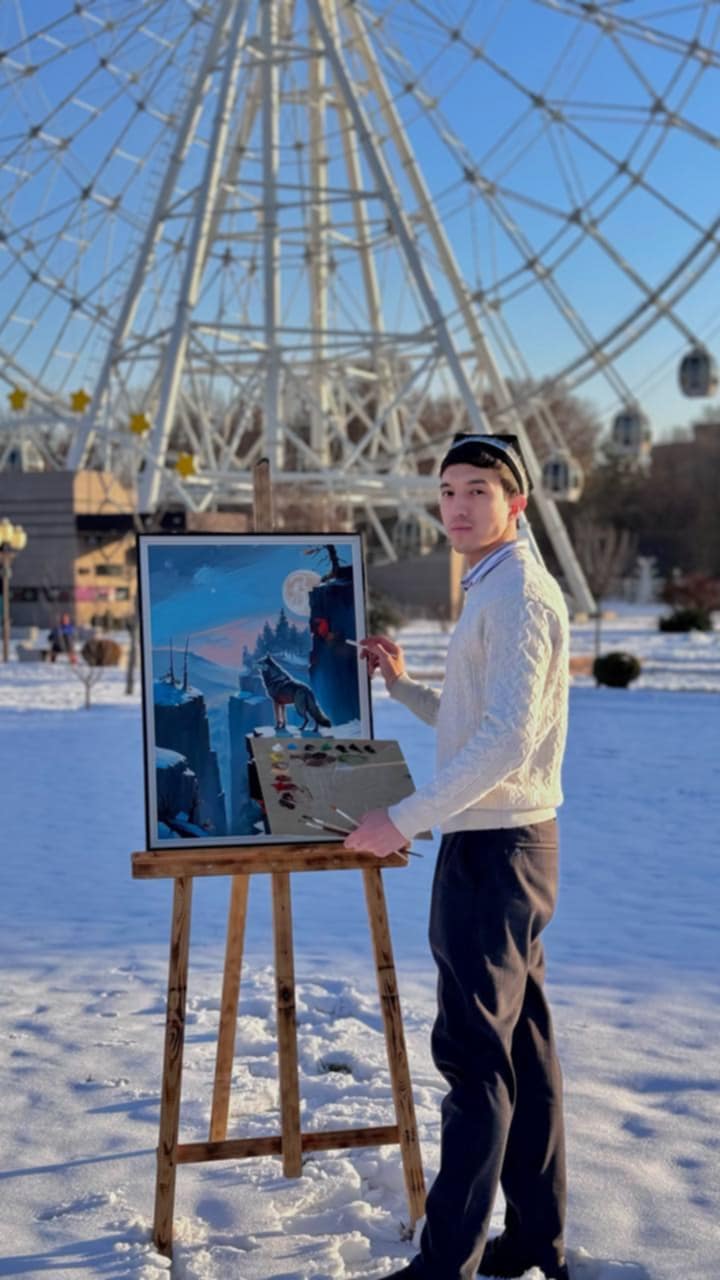
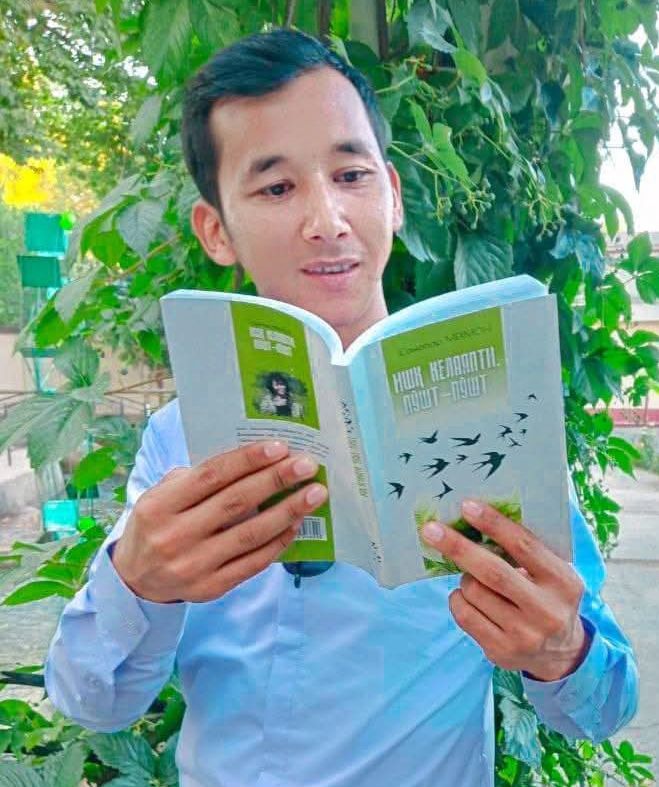
Foto cortesia di Shohruh SUYUNOV.
DIETRO AL SUCCESSO SI TROVANO LE LOTTE…
Il nostro intervistato è il giovane artista di talento, vincitore del premio statale “Mard O’g’lon” (2024), membro della World Cube Association (WCA) e capo dello studio artistico personale “Suyunov”, Shohruh SUYUNOV. Studente di master al primo anno presso l’Istituto nazionale di belle arti e design Kamoliddin Behzod.
La conversazione con Jahongir Nomozov ruotava intorno all’interesse di Shohruh Suyunov per le arti visive, i suoi talenti unici, i risultati ottenuti, le attività creative e i sogni futuri.
-Cominciamo la nostra conversazione con una domanda tradizionale… Quando è iniziato il tuo interesse per le arti visive?
—Io, Shohruh Suyunov Lazizjon o’g’li, sono nato il 20 luglio 1998 nel villaggio di Yangibino, distretto di Nurota, regione di Navoi, da una famiglia di educatori. Quando avevo cinque anni, mio padre mi vide disegnare un medico con una penna rossa su un foglio di carta. Ha notato il mio talento artistico e mi ha portato da un artista locale per l’apprendistato.
Per migliorare ulteriormente le mie competenze, ho studiato presso la scuola d’arte specializzata nel distretto di Nurota dal 2005 al 2014. Dal 2014 al 2017, ho studiato “Arti del Teatro” presso il Navoi College of Culture and Art e mi sono laureato con lode. Nel 2023, ho completato la mia laurea in “Majestic Color Painting” dalla Facoltà di Belle Arti presso l’Istituto Nazionale di Belle Arti e Design Kamoliddin Behzod. Attualmente sono studente di master del primo anno presso lo stesso istituto.
Oltre a questo, gestisco il mio “Suyunov Art Studio”, dove insegno a chiunque sia interessato ad apprendere i segreti della pittura.
-Ogni artista ha il suo modo di esprimersi e fonte d’ispirazione. Che cosa ti ispira nel tuo processo creativo?
—Fin dalla mia infanzia, ho visto le parole dei miei genitori e le preghiere che hanno fatto per me come mie fonti di ispirazione. Perciò, qualunque cosa io abbia raggiunto, la attribuisco in primo luogo alle loro preghiere. Se ho avuto successo in qualcosa, è grazie a loro, e lo dico senza esitazione: i miei genitori sono la fonte della mia ispirazione e della mia forza.
-Qual è il tuo obiettivo principale nell’arte? Ti concentri di più sul valore estetico o sull’importanza sociale nelle tue creazioni?
—Da quando sono entrato in questo campo, ho affrontato varie sfide. La gente intorno a me mi derideva e mi commiserava, dicendo che non si può vivere dell’arte e che è un settore che non ha futuro. Forse la ragione di ciò è la mancanza di modelli di ruolo che hanno raggiunto il successo in questo settore. Ecco perché ho adottato un motto per me: “Se qualcun altro l’ha fatto, allora anche tu puoi farlo. Ma se nessuno l’ha ancora fatto, devi essere tu a farlo!” Ho iniziato a lavorare instancabilmente per migliorare me stesso.
Per interessare e stupire, ho iniziato a disegnare ritratti non convenzionali. In questo modo mi sono reso conto che il successo è sempre accompagnato da difficoltà. Se miri al successo, sii pronto per le lotte! Pertanto, i miei sforzi attuali sono focalizzati sull’aumentare l’amore delle persone per l’arte visiva e ispirare giovani talenti.
—Non ti limiti solo ai colori; crei vere opere d’arte usando materiali come chicchi di caffè, zucchero, sale e dentifricio. Quanto tempo spendi a creare tali opere?
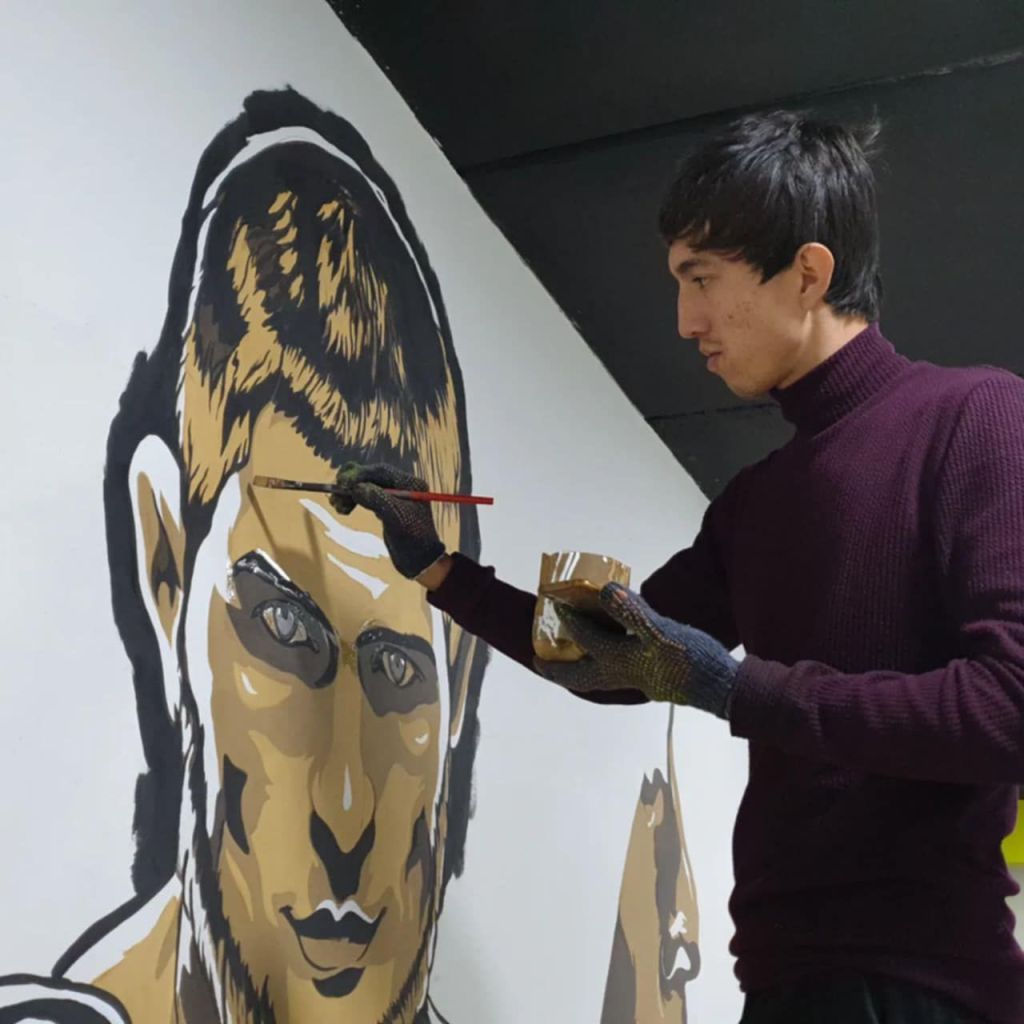
—Creo sempre la mia arte in modo tale da suscitare l’interesse delle persone e farle assaporare con entusiasmo il mio lavoro. Poiché le mie creazioni sono sempre nuove, ognuna richiede una quantità di tempo diverso. Uno dei pezzi più memorabili per me è stato un ritratto dell’artista popolare uzbeka Sherali Jo’rayev, ispirato al testo della sua canzone “Birinchi Muhabbatim.” Mi ci sono volute 12 ore per completarlo. Dopo di che, la creazione di un ritratto di un blogger con thread è stato il pezzo più difficile, e ho trascorso 16 ore su di esso. Non ho smesso di lavorare fino a quando l’opera d’arte e le riprese erano finite, e il giorno dopo la mia mano era immobile.
-Quali sono i tuoi interessi al di fuori della pittura?
—Sono sempre stato appassionato di giochi intellettuali, quindi ogni volta che ho tempo libero, partecipo a spettacoli di giochi intellettuali. Ho anche un hobby di risolvere i cubi di Rubik e praticare regolarmente per migliorare le mie abilità. Sono membro della World Cube Association (WCA) e partecipo regolarmente a concorsi. Il mio record personale è quello di risolvere un cubo di Rubik 3×3 in 15 secondi con entrambe le mani e 20 secondi con una mano.
Inoltre, mi piace leggere vari libri best-seller e giocare a calcio. Ogni settimana organizzo partite con i miei amici.
-Su cosa ti concentri per sviluppare ulteriormente la tua creatività? Quali idee o temi sono importanti per te?
—Desidero soprattutto esprimere i miei pensieri sugli eventi che mi circondano attraverso la mia arte. Per questo, creo anche opere che affrontano questioni globali ed ecologiche. Mi piace anche dipingere ritratti di figure riconosciute a livello internazionale, adattandole alla loro professione e interessi.
– Quali sono i tuoi pensieri sul rapporto tra pensiero creativo e processo decisionale personale?
—Il pensiero creativo ispira una persona a trovare soluzioni alle sfide. Per esempio, quando si lavora su un problema, gli approcci creativi consentono di aggirare i limiti convenzionali e sviluppare nuove prospettive. Quando si prendono decisioni, il pensiero creativo costringe a considerare più opzioni, portando a risultati più affidabili e innovativi.
—Ogni attività creativa è basata sul processo decisionale. Per esempio, quando un artista decide cosa rappresentare o quale tecnica utilizzare, si basa sulla sua decisione personale. Dall’altro lato, le scelte che si fanno nella propria vita personale influenzano direttamente il proprio pensiero creativo. Per esempio, l’ambiente scelto, il circolo sociale e gli obiettivi personali modellano il processo creativo. Gli individui creativi tendono a preferire una maggiore libertà, in quanto ciò consente loro di attuare le proprie idee. Pertanto, la capacità di prendere decisioni indipendenti è cruciale per lo sviluppo delle attività creative.
Al tempo stesso, il pensiero creativo incoraggia gli individui a superare le regole e i limiti standard, il che, a sua volta, porta a decisioni innovative.
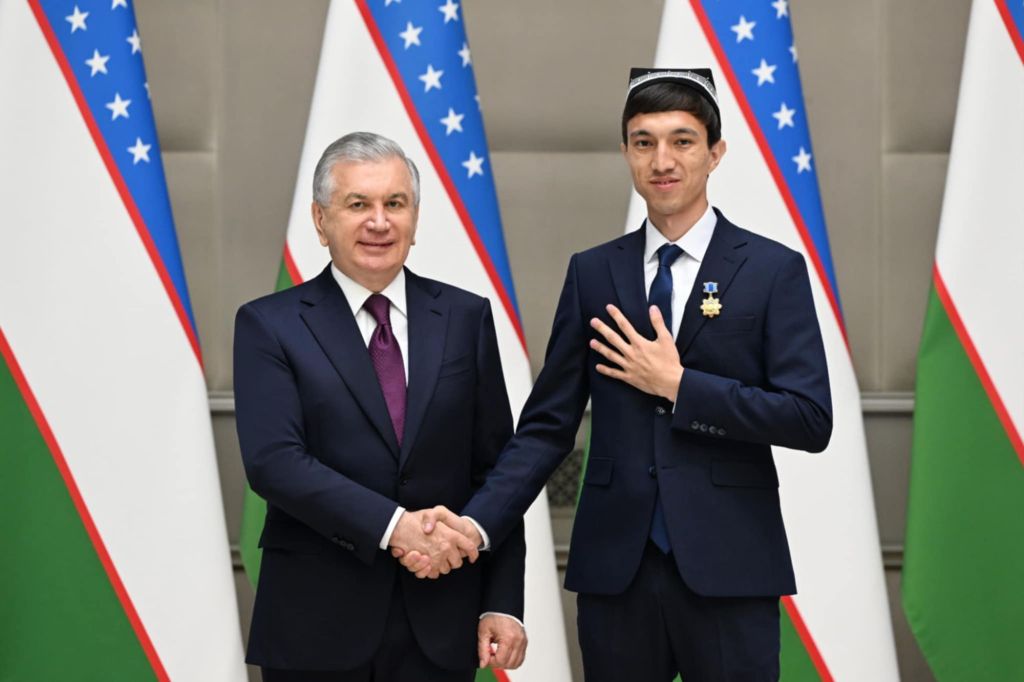
-Come ti sei sentito quando hai ricevuto il premio di stato “Mard O’g’lon” dal presidente?
—È stato uno dei giorni più felici e indimenticabili della mia vita, un giorno che rimarrà per sempre inciso nella mia storia. Era particolarmente significativo perché questo è il premio che ogni bambino uzbeko sogna, e sono incredibilmente orgoglioso di averlo ricevuto direttamente dalle mani del Presidente. È difficile esprimere queste emozioni.
-Sei molto attivo sui social media. Come usi questa piattaforma per promuovere la tua arte?
—In Uzbekistan, pochissimi artisti presentano il loro lavoro o creano contenuti video sui social media. Per me, questa è una grande opportunità, e mi piace fare opere che intrigano le persone e le lasciano in soggezione. Ecco perché creo sempre ritratti non convenzionali che la gente trova difficile credere siano reali.
-Quali sono le differenze tra i vostri rapporti online e offline con il pubblico?
—Online, è difficile sentire veramente le emozioni delle persone, quindi non porta tanta gioia. Tuttavia, nel mondo reale, le emozioni e i pensieri delle persone mi danno più forza e ispirazione.
-Come si fa a bilanciare i bisogni culturali e le responsabilità sociali? Su cosa ti concentri mentre li combini?
—Pur soddisfacendo i miei bisogni culturali, considero anche l’impatto positivo che ha sulla società. Per esempio, sviluppando l’arte, cerco di evocare il piacere estetico o ispirare gli altri. Cerco di bilanciare il tempo e le risorse che dedico per soddisfare i miei bisogni culturali con le mie responsabilità sociali. Per esempio, partecipo a progetti di beneficenza per restituire alla comunità i benefici che ho ottenuto attraverso il mio lavoro creativo. Considerando la responsabilità sociale, mi impegno in progetti culturali che non solo beneficiano me ma anche altri. Organizzo workshop creativi per i giovani o sensibilizzo alle questioni sociali attraverso l’arte. Quando soddisfo i miei bisogni culturali, considero sempre l’impatto che ha sugli altri. Per esempio, cerco di creare emozioni positive o nuove prospettive sulla vita attraverso la mia arte. Ogni attività culturale che è importante per me viene svolta con il pensiero del suo impatto sulla società, come la promozione di questioni ambientali o di uguaglianza sociale.
-Come la vostra vita personale e la vostra arte si influenzano l’un l’altro? Come i vostri tratti di personalità riflettono nella vostra arte?
—La mia vita personale e l’arte sono strettamente interconnesse. Le mie esperienze di vita plasmano il contenuto della mia arte, mentre la mia arte aggiunge significato ed energia alla mia vita. Tratti come emotività, originalità e attenzione ai dettagli si manifestano direttamente nella mia arte e la distinguono dagli altri. Quindi, le mie creazioni non sono solo tecniche ma sono anche un riflesso della mia personalità.
-Quali nuove direzioni avete intenzione di esplorare nelle vostre attività creative? Intendete sperimentare nuovi materiali o tecnologie?
—Non mi piace parlare molto dei miei obiettivi e piani futuri. Tuttavia, posso dire che non mi fermerò finché la mia arte non lascerà un’impressione duratura sul mondo e continuerà a stupire le persone.
-Grazie per questa conversazione perspicace!
Jahongir NOMOZOV ha condotto l’intervista.
BEHIND SUCCESS LIES STRUGGLES…
Our interviewee is the talented young artist, winner of the “Mard O‘g‘lon” State Award (2024), member of the World Cube Association (WCA), and head of the personal “Suyunov Art Studio,” Shohruh SUYUNOV. He is also a first-year master’s student at the Kamoliddin Behzod National Institute of Fine Arts and Design.
The conversation with Jahongir Nomozov revolved around Shohruh Suyunov’s interest in visual arts, his unique talents, achievements, creative activities, and future dreams.
—Let’s start our conversation with a traditional question… When did your interest in visual arts begin?
—I, Shohruh Suyunov Lazizjon o‘g‘li, was born on July 20, 1998, in Yangibino village, Nurota district, Navoi region, to a family of educators. When I was five, my father saw me drawing a picture of a doctor with a red pen on a sheet of paper. He noticed my artistic talent and took me to the local artist for apprenticeship.
To further improve my skills, I studied at the specialized art school in Nurota district from 2005 to 2014. From 2014 to 2017, I studied “Theater Arts” at the Navoi College of Culture and Art and graduated with honors. In 2023, I completed my bachelor’s degree in “Majestic Color Painting” from the Faculty of Fine Arts at Kamoliddin Behzod National Institute of Fine Arts and Design. Currently, I am a first-year master’s student at the same institute.
Alongside this, I run my own “Suyunov Art Studio,” where I teach anyone interested in learning the secrets of painting.
—Every artist has their own way of expression and source of inspiration. What inspires you in your creative process?
—Since my childhood, I have viewed my parents’ words and the prayers they made for me as my sources of inspiration. Therefore, whatever I have achieved, I attribute it first and foremost to their prayers. If I have succeeded in anything, it’s because of them, and I say this without hesitation: my parents are the source of my inspiration and strength.
—What is your main goal in art? Do you focus more on aesthetic value or social importance in your creations?
—Since I entered this field, I have faced various challenges. People around me used to mock and pity me, saying that one cannot live off art, and that the field has no future. Perhaps the reason for this is the lack of role models who have achieved success in this area. That’s why I adopted a motto for myself: “If someone else has done it, then you can do it too. But if no one has done it yet, you must be the one to do it!” I started working tirelessly on improving myself.
To interest people and amaze them, I began drawing unconventional portraits. Through this, I realized that success is always accompanied by hardships. If you aim for success, be ready for struggles! Therefore, my current efforts are focused on increasing people’s love for visual art and inspiring young talents.
—You don’t limit yourself to just colors; you create real works of art using materials like coffee beans, sugar, salt, and toothpaste. How much time do you spend creating such works?
—I always create my art in such a way that it piques people’s interest and makes them eagerly anticipate my work. Since my creations are always new, each one takes a different amount of time. One of the most memorable pieces for me was a portrait of Uzbekistan’s People’s Artist Sherali Jo‘rayev, inspired by the lyrics of his song “Birinchi Muhabbatim.” It took me 12 hours to complete. After that, creating a portrait of a blogger with thread was the most difficult piece, and I spent 16 hours on it. I didn’t stop working until the artwork and the shooting were finished, and the next day my hand was immobile.
—What are your interests outside of painting?
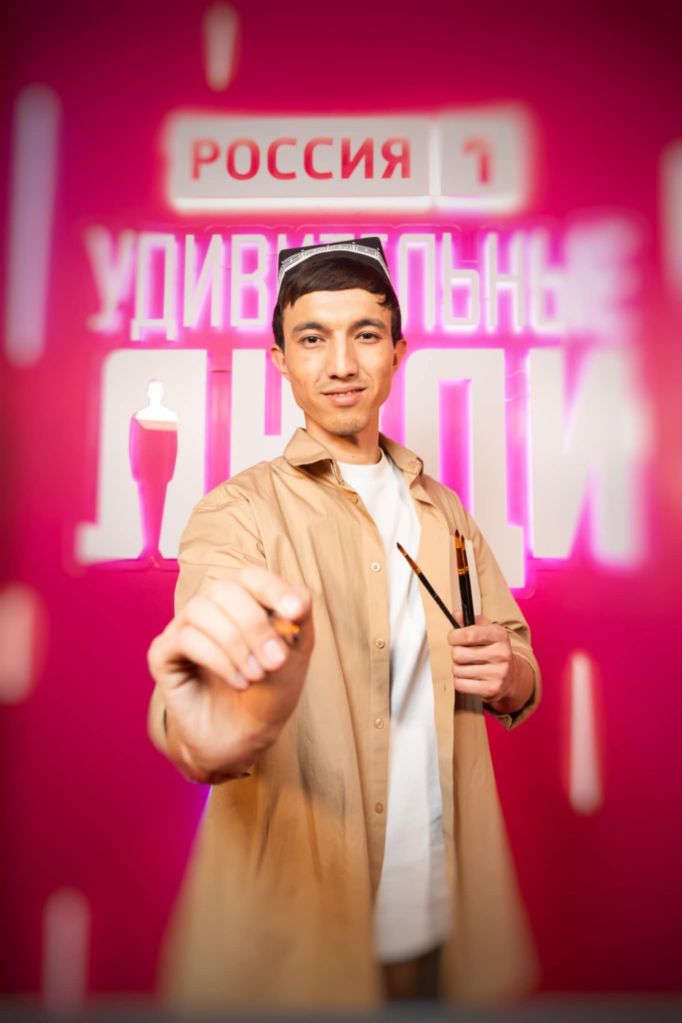
—I’ve always been passionate about intellectual games, so whenever I have free time, I participate in intellectual game shows. I also have a hobby of solving Rubik’s cubes and regularly practice to improve my skills. I am a member of the World Cube Association (WCA) and participate in regular competitions. My personal record is solving a 3×3 Rubik’s Cube in 15 seconds with both hands and 20 seconds with one hand.
Additionally, I enjoy reading various bestselling books and playing football. Every week, I organize matches with my friends.
—What do you focus on to further develop your creativity? Which ideas or themes are important to you?
—I mainly wish to express my thoughts on the events happening around me through my art. Therefore, I also create works addressing global and ecological issues. I also enjoy painting portraits of internationally recognized figures, adapting them to their profession and interests.
— What are your thoughts on the relationship between creative thinking and personal decision-making?
—Creative thinking inspires a person to find solutions to challenges. For example, when working on a problem, creative approaches allow one to bypass conventional limitations and develop new perspectives. When making decisions, creative thinking forces one to consider multiple options, leading to more reliable and innovative outcomes.
—Every creative activity is based on decision-making. For instance, when an artist decides what to depict or which technique to use, they rely on their personal decision. On the other hand, the choices one makes in their personal life directly affect their creative thinking. For example, the chosen environment, social circle, and personal goals all shape the creative process. Creative individuals tend to prefer more freedom, as it allows them to implement their ideas. Therefore, the ability to make independent decisions is crucial for developing creative activities.
At the same time, creative thinking encourages individuals to go beyond standard rules and limitations, which, in turn, leads to innovative decisions.
—How did you feel when you received the “Mard O‘g‘lon” State Award from the President?
—It was one of the happiest and most unforgettable days of my life, a day that will forever be etched in my history. It was especially meaningful because this is the award that every Uzbek child dreams of, and I am incredibly proud to have received it directly from the hands of the President. It’s hard to put these emotions into words.
—You are very active on social media. How do you use this platform to promote your art?
—In Uzbekistan, very few artists showcase their work or create video content on social media. For me, this is a great opportunity, and I enjoy making works that intrigue people and leave them in awe. That’s why I always create unconventional portraits that people find hard to believe are real.
—What are the differences between your online and offline relationships with your audience?
—Online, it’s difficult to truly feel people’s emotions, so it doesn’t bring as much joy. However, in the real world, people’s emotions and thoughts give me more strength and inspiration.
—How do you balance cultural needs and social responsibilities? What do you focus on while combining them?
—While fulfilling my cultural needs, I also consider the positive impact it has on society. For example, by developing art, I aim to evoke aesthetic pleasure or inspire others. I try to balance the time and resources I dedicate to fulfilling my cultural needs with my social responsibilities. For instance, I participate in charity projects to give back to the community from the benefits I’ve gained through my creative work. Considering social responsibility, I engage in cultural projects that benefit not only me but others as well. I organize creative workshops for young people or raise awareness about social issues through art. When fulfilling my cultural needs, I always consider the impact it has on others. For example, I try to create positive emotions or new perspectives on life through my art. Every cultural activity that is important to me is carried out with the thought of its impact on society, such as promoting environmental or social equality issues.
—How do your personal life and your art influence each other? How do your personality traits reflect in your art?
—My personal life and art are closely interconnected. My life experiences shape the content of my art, while my art adds meaning and energy to my life. Traits like emotionality, originality, and attention to detail directly manifest in my art and distinguish it from others. Therefore, my creations are not just about technique but are also a reflection of my personality.
—What new directions are you planning to explore in your creative activities? Do you intend to experiment with new materials or technologies?
—I don’t like to talk much about my future goals and plans. However, I can say that I will not stop until my art leaves a lasting impression on the world and continues to amaze people.
—Thank you for this insightful conversation!
Jahongir NOMOZOV conducted the interview.
 Magiche Emozioni dell'Anima