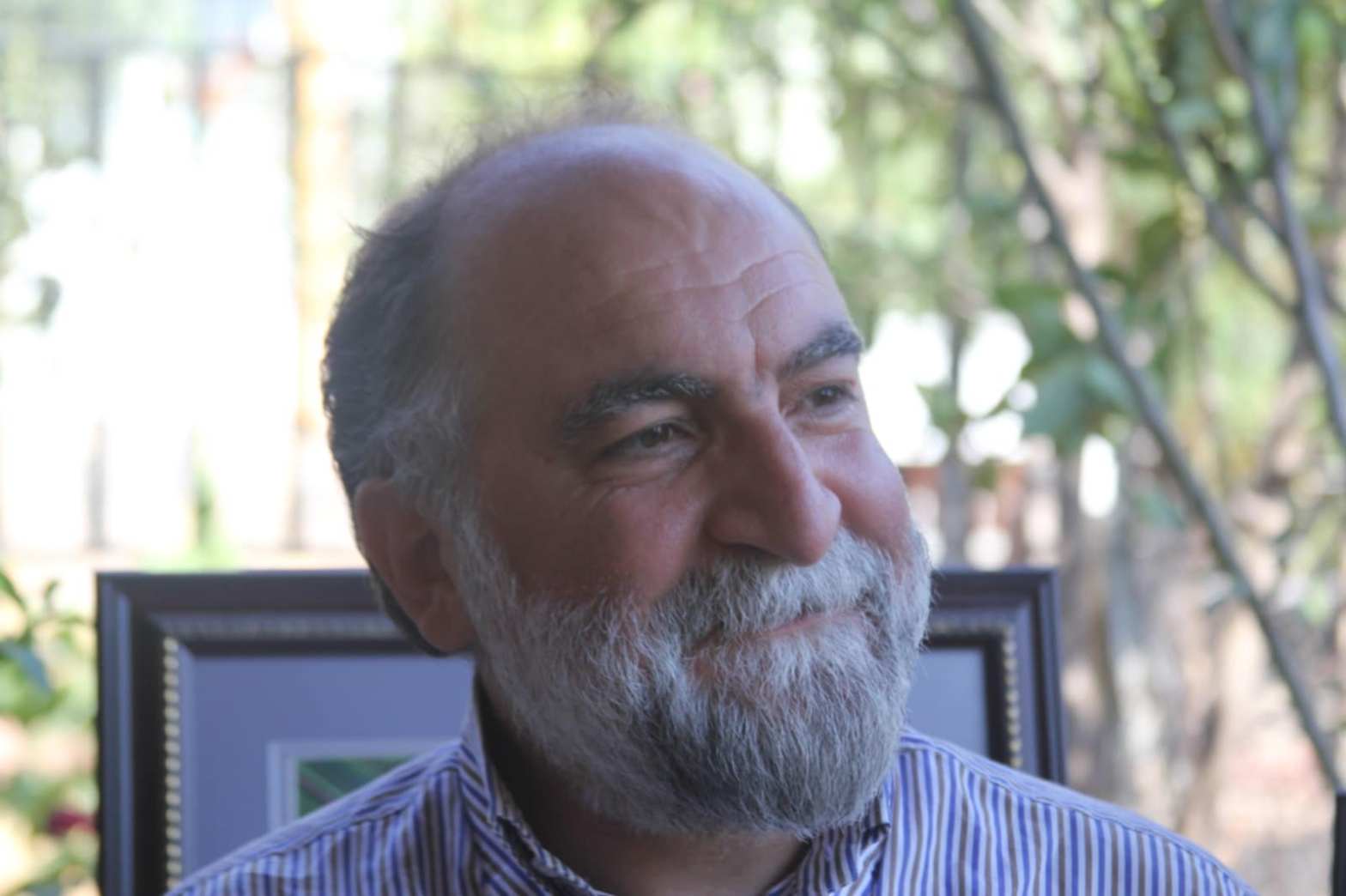
Foto cortesia di Mustafa Özke
LA LUCE NASCOSTA NELL’ANIMA DELLE PAROLE
Mustafa Özke è nato il 13 gennaio 1969 ad Adana, in Turchia, da una famiglia con radici a Salonicco. Questa ricca storia e tradizione culturale hanno permeato la sua arte di una profonda anima. Özke non è semplicemente un poeta o un narratore; è una figura unica nella letteratura turca, che intreccia magistralmente valori personali e sociali nelle sue opere.
Il suo viaggio letterario è stato parallelo alla sua carriera nel giornalismo, iniziata nel 1989 presso il quotidiano Yeni Adana. Le sue spiccate capacità di osservazione e la sensibilità per le storie umane che ha coltivato come giornalista hanno conferito alle sue opere letterarie una profondità senza pari. Che si tratti di documentari o saggi, le sue opere portano l’impronta di esperienze vissute.
Le creazioni di Özke traggono ispirazione dagli orizzonti sconfinati di Çukurova, dai sogni della sua gente e dalla resilienza forgiata nelle loro lotte. Tuttavia, la sua penna non rimane confinata al locale; funge da ponte verso l’universale. In opere come A Candlelight in Pitch Darkness, “la ricerca della luce nell’oscurità” è una metafora non solo per il desiderio individuale, ma anche per la ricerca condivisa della speranza da parte dell’umanità.
Artista poliedrico, Mustafa Özke ha lasciato una ricca eredità nella letteratura turca attraverso poesie, racconti, sceneggiature di documentari e saggi. Nella sua poesia, le emozioni personali e le realtà sociali si fondono senza soluzione di continuità. Poesie come The Slingshot e The Lighthouse narrano il viaggio interiore dell’individuo mentre riflettono lo specchio collettivo della società.
Le sue opere hanno trovato voce anche nella musica. Poesie come Is There Anything Like Istanbul? si sono trasformate in canzoni, creando un’armoniosa miscela di parole e melodie che catturano il pubblico. In questo senso, Özke non è solo uno scrittore, ma anche un artigiano che unisce vari rami dell’arte.
Profondamente legato alle persone e alla storia della sua terra natale, Özke trascende i confini geografici con la sua penna. Le sue storie navigano la sottile linea tra il mondo interiore dell’individuo e le dinamiche della società. La sua capacità di articolare il locale con una voce universale eleva la sua letteratura oltre il tempo e lo spazio.
In progetti come il documentario Children of the Republic, Özke si assume una responsabilità storica, mentre in storie come The Hearth e Sand Trucks, si addentra nelle profondità dell’anima umana. Così facendo, crea un ponte tra il passato e il presente, illuminando il percorso verso il futuro.
L’abilità letteraria di Mustafa Özke è stata confermata da numerosi riconoscimenti. Il suo racconto Lacework gli è valso l’Hacı Bektaş-ı Veli Award, mentre la sua poesia The Slingshot ha ricevuto il Kaygusuz Abdal Special Award, sottolineando la profondità e l’universalità delle sue opere. Questi riconoscimenti sono una testimonianza del suo potere letterario e della sua responsabilità sociale.
Nella letteratura turca, Mustafa Özke occupa un posto speciale con la sua posizione, le sue opere e la sua incrollabile devozione alle arti. La sua vita letteraria intreccia la profondità emotiva dell’individuo con i valori condivisi della società. Non è solo uno scrittore, ma anche un narratore, uno storico e un artista con una missione.
La sua penna è un respiro che tocca il cuore e una voce che risuona nel mondo della letteratura. Özke continua a scrivere non solo la storia della terra in cui vive, ma la storia condivisa dello spirito umano.
La luce della sua penna continuerà a illuminare la letteratura turca per gli anni a venire.
Jakhongir NOMOZOV
Membro dell’Unione Internazionale dei Talenti del Mondo
Vincitore della Medaglia Abay
Membro del Consiglio di Redazione della Rivista YAZARLAR, Rappresentante dell’Uzbekistan
Biografia di Mustafa Özke
Mustafa Özke è nato il 13 gennaio 1969 ad Adana, in Turchia, con radici che risalgono a Salonicco. Ha completato la sua istruzione primaria, media e superiore ad Adana. Dopo aver lasciato la Facoltà di Economia aziendale dell’Università di Anadolu al secondo anno, ha iniziato la sua carriera giornalistica nel 1989 presso il quotidiano Yeni Adana. Dopo aver ricoperto ruoli in vari giornali, si è ritirato dal giornalismo per concentrarsi sulla letteratura. Özke ha contribuito come sceneggiatore a progetti importanti come il documentario From Büyüksaat to Taşköprü, finalista all’Adana Golden Boll Film Festival, e Children of the Republic, preparato per il centenario di Seyhanspor. I suoi racconti, tra cui Cem Alfabesi (L’alfabeto di Cem), Kum Kamyonları (Camion della sabbia), İğne Oyası (Lacework), Dışarıdaki Ben (The Me Outside), Mor Penalı Mandolin (Il mandolino con la custodia viola) e Umut Tohumları (Semi di speranza), sono stati narrati da varie figure letterarie. In qualità di titolare della “Permanent Press Card”, Özke ha visto le sue opere letterarie Var mı İstanbul Kadar (C’è qualcosa come Istanbul?) e Yalnız Kal Anla (Resta solo per capire) musicate dal famoso compositore e cantautore Serhan Kelleözü.
Oltre alle sue attività letterarie, Özke ha partecipato a progetti fotografici in Bosnia-Erzegovina, Siria e Cipro del Nord. È autore di tre libri: Çatırya (The Shack), Zifiri Karanlıkta Bir Mum Işığı (A Candlelight in Pitch Darkness) e Kısa Öyküler Uzun Yaşamlar (Short Stories, Long Lives).
Destinatario dei premi Puduhepa e Hacı Bektaş-ı Veli
I riconoscimenti di Mustafa Özke includono il Puduhepa Honor Award 2018 ad Adana, il Premio Hacı Bektaş-ı Veli per la sua storia İğne Oyası a Nevşehir e il Premio speciale Kaygusuz Abdal per la sua poesia Sapan ad Antalya.
Ha inoltre ricevuto:
Il Premio Speciale M. Cemal Şenadam a Osmaniye per la sua poesia Nisan Yağmurları (Piogge d’aprile).
Il Sennur Sezer Achievement Award a Istanbul per la sua storia Karpuz Çekirdeğinden Entariler (Vestiti dai semi di anguria).
Primo premio ad Adana per il suo articolo Kendini Sevmekle Başla Hayata (Inizia la vita amando te stesso).
Secondo premio ad Ankara per la sua intervista Zifiri Karanlıkta Bir Mum Işığı.
Secondo Premio Vahittin Bozgeyik a Gaziantep per la sua poesia Canevi.
Una menzione ad Adana per la sua rubrica Cimri (L’avaro).
Terzo premio a Osmaniye per la sua poesia Deniz Feneri (Faro).
Il Premio per il Successo a Malatya per la sua storia Umut Tohumları.
Una menzione a Mersin per la sua poesia Silifke.
Il Success Award a Malatya per il suo racconto 128 Ramiz.
Un Encouragement Award a Kütahya per la sua poesia Papatyalar (Margherite).
Il Success Award a Osmaniye per la sua poesia Burgazada.
Con il suo ricco corpus di opere e numerosi riconoscimenti, Mustafa Özke continua a illuminare entrambi letteratura e giornalismo con la sua narrazione profonda ed evocativa.
Al primo gabbiano
Lancia un pezzo di simit
al primo gabbiano che arriva!
Guarda come gli altri seguono,
sfidando il vento con risolutezza…
La casa del cuore
Con la faccia appoggiata sull’acqua,
il cipresso
l’ombra fresca degli alberi
era amata dai passeri.
Le folaghe,
sfuggendo al calore giallo,
cercarono rifugio tra le canne,
una alla volta.
Ho imparato che
una pietra che rotola nell’acqua
non raccoglie mai muschio.
E anche un umano,
dicono,
ama far crescere il muschio,
se solo trova un cuore a cui aggrapparsi.
Sii un passero,
sii una folaga,
sii muschio.
Apri la casa del tuo cuore agli altri;
i beni del mondo non valgono di più.
Due Tazze
Sulle mie labbra,
la fiamma dell’inchiostro,
sulle mie ginocchia, i gabbiani!
Con te,
anche due tazze hanno un sapore diverso:
la Torre della Fanciulla in una,
un sorso di Üsküdar nell’altra!
Segreto
Eri come le navi
che navigavano nella notte…
No, nessuno ha mai saputo
che tu fossi passato attraverso il mio cuore!
THE LIGHT HIDDEN IN THE SOUL OF WORDS
Mustafa Özke was born on January 13, 1969, in Adana, Turkey, to a family with roots in Thessaloniki. This rich history and cultural heritage imbued his art with a profound soulfulness. Özke is not merely a poet or storyteller; he is a unique figure in Turkish literature, masterfully weaving personal and societal values into his works.
His literary journey ran parallel to his career in journalism, which began in 1989 at Yeni Adana newspaper. The keen observational skills and sensitivity to human stories he cultivated as a journalist lent his literary works an unparalleled depth. Whether in his documentaries or essays, his works carry the imprint of lived experiences.
Özke’s creations draw inspiration from the boundless horizons of Çukurova, the dreams of its people, and the resilience forged in their struggles. Yet his pen does not remain confined to the local; it serves as a bridge to the universal. In works such as A Candlelight in Pitch Darkness, the quest for light in the darkness is a metaphor not only for individual longing but also for humanity’s shared pursuit of hope.
A multifaceted artist, Mustafa Özke has left a rich legacy in Turkish literature through poetry, stories, documentary scripts, and essays. In his poetry, personal emotions and societal realities merge seamlessly. Poems like The Slingshot and The Lighthouse narrate the individual’s inner journey while reflecting the society’s collective mirror.
His works have also found a voice in music. Poems like Is There Anything Like Istanbul? transformed into songs, creating a harmonious blend of words and melodies that captivate audiences. In this respect, Özke is not only a writer but also a craftsman who unites various branches of art.
Deeply connected to the people and history of his homeland, Özke transcends geographical boundaries with his pen. His stories navigate the fine line between the individual’s inner world and the dynamics of society. His ability to articulate the local with a universal voice elevates his literature beyond time and space.
In projects like the documentary Children of the Republic, Özke undertakes a historical responsibility, while in stories like The Hearth and Sand Trucks, he delves into the depths of the human soul. In doing so, he creates a bridge between the past and the present, illuminating the path to the future.
Mustafa Özke’s literary prowess has been affirmed by numerous accolades. His story Lacework earned him the Hacı Bektaş-ı Veli Award, while his poem The Slingshot received the Kaygusuz Abdal Special Award, underscoring the depth and universality of his works. These honors are a testament to his literary power and societal responsibility.
In Turkish literature, Mustafa Özke holds a special place with his stance, his works, and his unwavering devotion to the arts. His literary life intertwines the emotional depth of the individual with the shared values of society. He is not only a writer but also a narrator, a historian, and an artist with a mission.
His pen is a breath that touches the heart and a voice that resonates in the world of literature. Özke continues to write not just the story of the land he inhabits but the shared story of the human spirit.
The light of his pen will continue to illuminate Turkish literature for years to come.
Jakhongir NOMOZOV
Member of the International Union of World Talents
Recipient of the Abay Medal
Editorial Board Member of YAZARLAR Magazine, Representative of Uzbekistan
Mustafa Özke’s Biography
Mustafa Özke was born on January 13, 1969, in Adana, Turkey, with roots tracing back to Thessaloniki. He completed his primary, middle, and high school education in Adana. After leaving Anadolu University’s Faculty of Business Administration in his second year, he began his journalism career in 1989 at Yeni Adana newspaper. Following roles in various newspapers, he retired from journalism to focus on literature.
Özke contributed as a scriptwriter for significant projects such as the documentary From Büyüksaat to Taşköprü, which was a finalist at the Adana Golden Boll Film Festival, and Children of the Republic, prepared for the centennial of Seyhanspor. His short stories, including Cem Alfabesi (The Alphabet of Cem), Kum Kamyonları (Sand Trucks), İğne Oyası (Lacework), Dışarıdaki Ben (The Me Outside), Mor Penalı Mandolin (The Mandolin with a Purple Case), and Umut Tohumları (Seeds of Hope), have been narrated by various literary figures.
As a holder of the “Permanent Press Card,” Özke has seen his literary works Var mı İstanbul Kadar (Is There Anything Like Istanbul?) and Yalnız Kal Anla (Stay Alone to Understand) set to music by the famous composer and songwriter Serhan Kelleözü.
In addition to his literary pursuits, Özke has participated in photography projects in Bosnia-Herzegovina, Syria, and Northern Cyprus. He is the author of three books: Çatırya (The Shack), Zifiri Karanlıkta Bir Mum Işığı (A Candlelight in Pitch Darkness), and Kısa Öyküler Uzun Yaşamlar (Short Stories, Long Lives).
Recipient of Puduhepa and Hacı Bektaş-ı Veli Awards
Mustafa Özke’s accolades include the 2018 Puduhepa Honor Award in Adana, the Hacı Bektaş-ı Veli Award for his story İğne Oyası in Nevşehir, and the Kaygusuz Abdal Special Award for his poem Sapan in Antalya. He also received:
The M. Cemal Şenadam Special Award in Osmaniye for his poem Nisan Yağmurları (April Rains).
The Sennur Sezer Achievement Award in Istanbul for his story Karpuz Çekirdeğinden Entariler (Dresses from Watermelon Seeds).
First prize in Adana for his article Kendini Sevmekle Başla Hayata (Begin Life by Loving Yourself).
Second prize in Ankara for his interview Zifiri Karanlıkta Bir Mum Işığı.
The Vahittin Bozgeyik Second Prize in Gaziantep for his poem Canevi.
A mention in Adana for his column Cimri (The Miser).
Third prize in Osmaniye for his poem Deniz Feneri (Lighthouse).
The Success Award in Malatya for his story Umut Tohumları.
A mention in Mersin for his poem Silifke.
The Success Award in Malatya for his story 128 Ramiz.
An Encouragement Award in Kütahya for his poem Papatyalar (Daisies).
The Success Award in Osmaniye for his poem Burgazada.
With his rich body of work and numerous accolades, Mustafa Özke continues to illuminate both literature and journalism with his profound and evocative storytelling.
To the First Seagull
Throw a piece of simit
to the first seagull that comes!
Watch how the others follow,
defying the wind with resolve…
Heart’s Home
With its face resting on the water,
the cypress trees’ cool shade
was loved by sparrows.
The coots,
escaping the yellow heat,
sought refuge in reeds,
one by one.
I learned,
a stone rolling in the flood
never gathers moss.
And a human too,
they say,
loves to grow moss—
if only they find a heart to cling to.
Be a sparrow,
be a coot,
be moss.
Open your heart’s home to others;
the world’s possessions are not worth more.
Two Cups
On my lips,
the ink’s blaze,
on my knees, the seagulls!
With you,
even two cups taste different—
Maiden’s Tower in one,
a sip of Üsküdar in the other!
Secret
You were like the ships
sailing through the night…
No one ever knew
you passed through my heart!

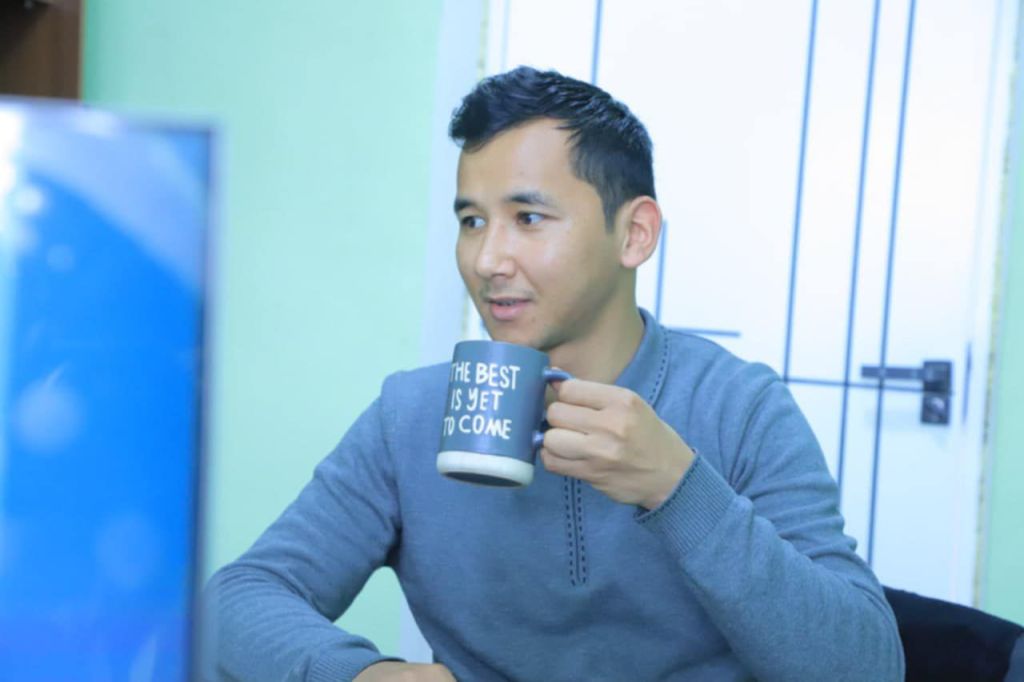
Membro dell’Unione Internazionale dei Talenti del Mondo
Vincitore della Medaglia Abay
Membro del Consiglio di Redazione della Rivista YAZARLAR, Rappresentante dell’Uzbekistan
 Magiche Emozioni dell'Anima