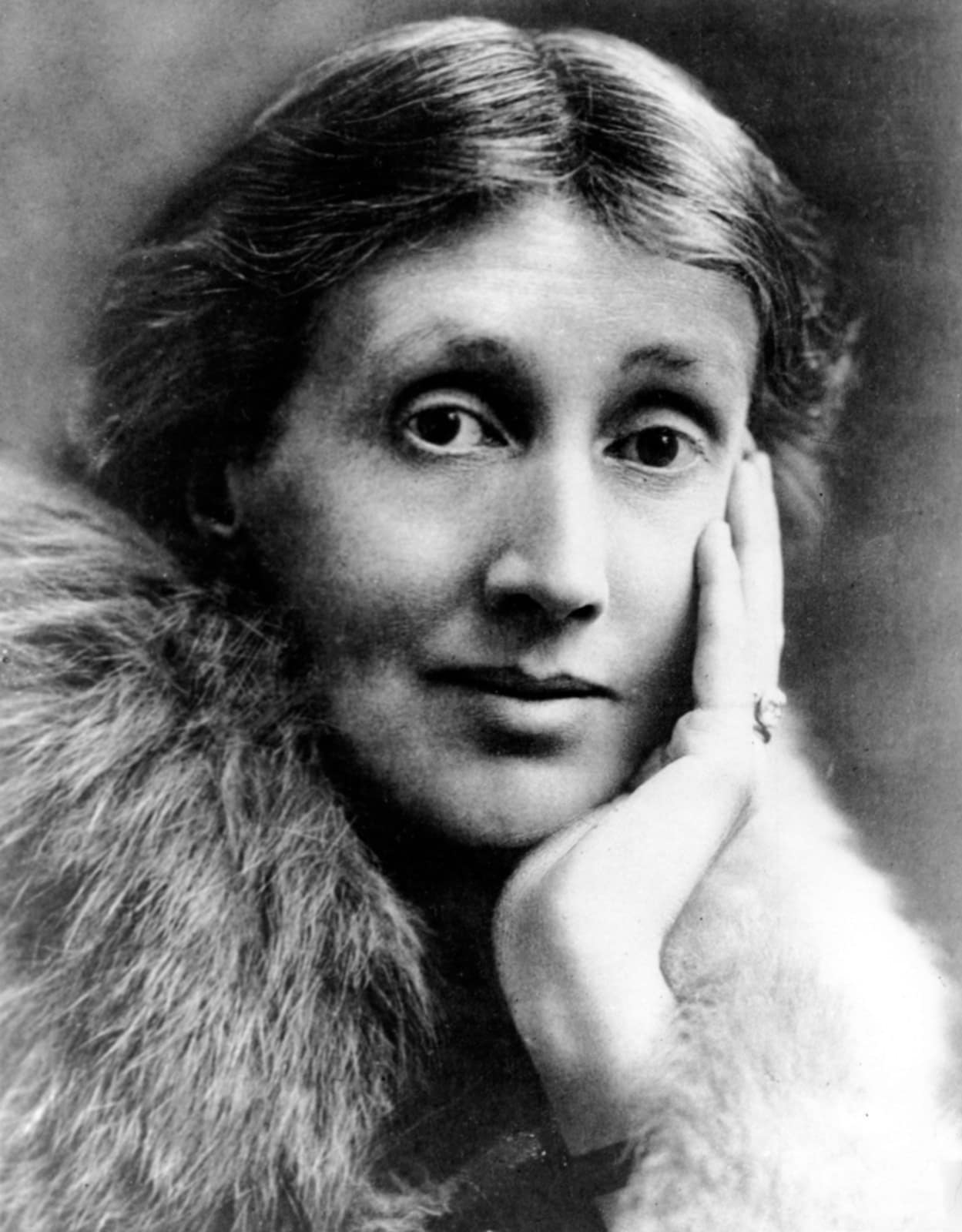
Foto cortesia
Virgfinia Woolf ” Mrs Dalloway”
Ne’matullayeva Mehribon Kamoljon figlia
Shakhrisabz State Pedagogical Institute 4° studente statale
Abstract
Virginia Woolf è stata un’influente scrittrice modernista nota per le sue tecniche narrative innovative, tra cui l’uso del flusso di coscienza e l’esplorazione di pensieri ed emozioni interiori. Le sue opere spesso approfondiscono le complessità dell’identità, del tempo, della memoria e della fluidità della realtà. I romanzi di Woolf, come Mrs. Dalloway e To the Lighthouse, riflettono il suo interesse per il modo in cui le esperienze personali plasmano la percezione. I suoi saggi femministi, in particolare Una stanza tutta per sé, sostengono la libertà intellettuale delle donne e sottolineano l’importanza dell’indipendenza finanziaria e dello spazio creativo per le scrittrici. Lo stile narrativo astratto di Woolf sfida le forme tradizionali, concentrandosi sulla natura frammentata e soggettiva dell’esperienza umana. Parole chiave: narrazione, flusso di coscienza, fluidità e realtà
Introduzione
“Mrs Dalloway” di Virginia Woolf, pubblicato nel 1925, è un’opera fondamentale della letteratura modernista che esplora i temi del tempo, della coscienza e delle aspettative sociali. Il romanzo segue Clarissa Dalloway mentre si prepara per una festa, intrecciando i suoi ricordi e le interazioni con altri personaggi. Questo articolo esamina la struttura, i temi e il significato del romanzo, nonché il suo impatto duraturo sulla letteratura.
Riepilogo della trama
“Mrs Dalloway” è ambientato nell’Inghilterra del dopoguerra e si estende su un singolo giorno di giugno. Clarissa Dalloway, una donna dell’alta società, riflette sulle sue scelte di vita mentre organizza una festa. Intrecciata alla sua narrazione c’è la storia di Septimus Warren Smith, un veterano di guerra traumatizzato che lotta contro il disturbo da stress post-traumatico. Il parallelo tra questi due personaggi evidenzia i temi della malattia mentale, il passare del tempo e i vincoli dei ruoli sociali. Struttura narrativa e stile
Woolf impiega una tecnica di flusso di coscienza che consente ai lettori di sperimentare i pensieri e i sentimenti dei personaggi in tempo reale. Questo stile innovativo riflette la natura frammentata della vita moderna, enfatizzando l’esperienza soggettiva rispetto alla narrazione lineare. Il romanzo è diviso in tre parti, ciascuna delle quali rivela diversi aspetti del personaggio di Clarissa e del suo mondo sociale.
Temi
1. Tempo e memoria: la fluidità del tempo è centrale in “Mrs. Dalloway”. Woolf esplora il modo in cui le esperienze passate modellano le identità presenti. Le riflessioni di Clarissa sulla sua giovinezza e sulle sue scelte creano una complessa interazione tra memoria e realtà.
2. Salute mentale: attraverso Septimus, Woolf affronta l’impatto psicologico della guerra e lo stigma che circonda la malattia mentale. Le sue lotte contrastano nettamente con le aspettative sociali di Clarissa, illustrando le battaglie spesso invisibili affrontate dagli individui.
3. Identità e ruoli sociali: il romanzo critica le rigide strutture sociali dell’Inghilterra dei primi del XX secolo. Clarissa si confronta con la sua identità di moglie e mondana, mettendo in discussione i ruoli imposti dalla società.
4. Connessione e isolamento: Woolf sottolinea il desiderio di connessione in mezzo all’isolamento. I personaggi sperimentano spesso una profonda solitudine, evidenziando le sfide delle relazioni umane in un mondo in rapido cambiamento.
La vita e le opere di Virginia Woolf
Virginia Woolf (1882–1941) è stata una scrittrice britannica, una figura centrale nel movimento letterario modernista. Nata in una famiglia altamente intellettuale a Londra, Woolf è stata istruita a casa ed è cresciuta in un ambiente letterario. Ha lottato con problemi di salute mentale per tutta la vita, sperimentando attacchi di depressione e crolli nervosi. Woolf era un membro del Bloomsbury Group, un circolo di scrittori, artisti e intellettuali che sfidavano le norme vittoriane. Sposò Leonard Woolf nel 1912 e insieme fondarono la Hogarth Press, che pubblicò molte delle sue opere. I suoi romanzi più noti includono Mrs. Dalloway (1925), To the Lighthouse (1927) e Orlando (1928). Woolf fu anche una pioniera del femminismo, nota per il suo saggio A Room of One’s Own (1929), che sosteneva i diritti delle donne nella letteratura. Nonostante il suo successo letterario, le lotte di Woolf contro la malattia mentale continuarono e morì suicida nel 1941.
Conclusione
“Mrs Dalloway” di Virginia Woolf è una profonda esplorazione della condizione umana, che racchiude le complessità della vita in un mondo in cambiamento. La sua intricata struttura narrativa e la ricchezza tematica la rendono un’opera senza tempo che continua a ispirare e provocare pensieri nei lettori e negli studiosi.
Riferimenti
1. Woolf, Virginia. Mrs Dalloway. Harcourt, 1925.
2. Bradshaw, David. Virginia Woolf: An Illustrated History. Thames & Hudson, 2011.
3. Lee, Hermione. Virginia Woolf. Vintage, 1997.
4. Snaith, Anna. Virginia Woolf: dalla A alla Z. Bloomsbury, 2012.
5. Tyndall, Caroline. “The Fragmented Self: A Study of Identity in Virginia Woolf’s Mrs Dalloway.” Modern Fiction Studies, vol. 52, n. 3, 2006,
pp. 519-538.
Ne’matullayeva Mahribon Kamoljon figlia
Istituto pedagogico statale Shakhrisabz
Lingua e letteratura straniera
4 corsi
Virgfinia Woolf ” Mrs Dalloway”
Ne’matullayeva Mehribon Kamoljon daughter
Shakhrisabz State Pedagogical Institute 4th state student
Abstract
Virginia Woolf was an influential modernist writer known for her innovative narrative techniques, including the use of stream of consciousness and exploration of inner thoughts and emotions. Her works often delve into the complexities of identity, time, memory, and the fluidity of reality. Woolf’s novels, such as Mrs. Dalloway and To the Lighthouse, reflect her interest in how personal experiences shape perception. Her feminist essays,especially A Room of One’s Own, advocate for women’s intellectual freedom and highlight the importance of financial independence and creative space for female writers. Woolf’s abstract narrative style challenges traditional forms, focusing on the fragmented, subjective nature of human experience.
Key words: narrative, stream of consciousness, fluidity and reality
Introduction
Virginia Woolf’s “Mrs Dalloway,” published in 1925, is a seminal work of modernist literature that explores themes of time, consciousness, and societal expectations. The novel follows Clarissa Dalloway as she prepares for a party, weaving through her memories and interactions with other characters. This article examines the structure, themes, and significance of the novel, as well as its lasting impact on literature.
Plot Summary
“Mrs Dalloway” is set in post-World War I England, spanning a single day in June. Clarissa Dalloway, a high-society woman, reflects on her life choices while planning a party. Interwoven with her narrative is the story of Septimus Warren Smith, a shell-shocked war veteran struggling with PTSD. The parallel between these two characters highlights themes of mental illness, the passage of time, and the constraints of societal roles.
Narrative Structure and Style
Woolf employs a stream-of-consciousness technique that allows readers to experience characters’ thoughts and feelings in real-time. This innovative style reflects the fragmented nature of modern life, emphasizing subjective experience over linear narrative. The novel is divided into three parts, each revealing different aspects of Clarissa’s character and her social world.
Themes
1. Time and Memory: The fluidity of time is central to “Mrs Dalloway.” Woolf explores how past experiences shape present identities. Clarissa’s reflections on her youth and choices create a complex interplay between memory and reality.
2. Mental Health: Through Septimus, Woolf addresses the psychological impact of war and the stigma surrounding mental illness. His struggles contrast sharply with Clarissa’s societal expectations, illustrating the often invisible battles faced by individuals.
3. Identity and Social Roles: The novel critiques the rigid social structures of early 20th-century England. Clarissa grapples with her identity as a wife and socialite, questioning the roles imposed upon her by society.
4. Connection and Isolation: Woolf emphasizes the longing for connection amidst isolation. Characters frequently experience profound loneliness, highlighting the challenges of human relationships in a rapidly changing world.
The life and works of Virginia Woolf
Virginia Woolf (1882–1941) was a British writer, a central figure in the modernist literary movement. Born into a highly intellectual family in London, Woolf was home-schooled and grew up in a literary environment. She struggled with mental health issues throughout her life, experiencing bouts of depression and nervous breakdowns. Woolf was a member of the Bloomsbury Group, a circle of writers, artists, and intellectuals who challenged Victorian norms. She married Leonard Woolf in 1912, and together they founded the Hogarth Press, which published many of her works. Her most notable novels include Mrs. Dalloway (1925), To the Lighthouse (1927), and Orlando (1928). Woolf was also a pioneering feminist, known for her essay A Room of One’s Own (1929), advocating for women’s rights in literature. Despite her literary success, Woolf’s struggles with mental illness continued, and she died by suicide in 1941.
Conclusion
Virginia Woolf’s “Mrs Dalloway” is a profound exploration of the human condition, encapsulating the complexities of life in a changing world. Its intricate narrative structure and thematic richness make it a timeless work that continues to inspire and provoke thought in readers and scholars alike.
References
1. Woolf, Virginia. Mrs Dalloway. Harcourt, 1925.
2. Bradshaw, David. Virginia Woolf: An Illustrated History. Thames & Hudson, 2011.
3. Lee, Hermione. Virginia Woolf. Vintage, 1997.
4. Snaith, Anna. Virginia Woolf: A to Z. Bloomsbury, 2012.
5. Tyndall, Caroline. “The Fragmented Self: A Study of Identity in Virginia Woolf’s Mrs Dalloway.” Modern Fiction Studies, vol. 52, no. 3, 2006, pp. 519-538.
Ne’matullayeva Mahribon Kamoljon daughter’s
Shakhrisabz state pedagogical institute
Foreign language and literature
4-course
 Magiche Emozioni dell'Anima