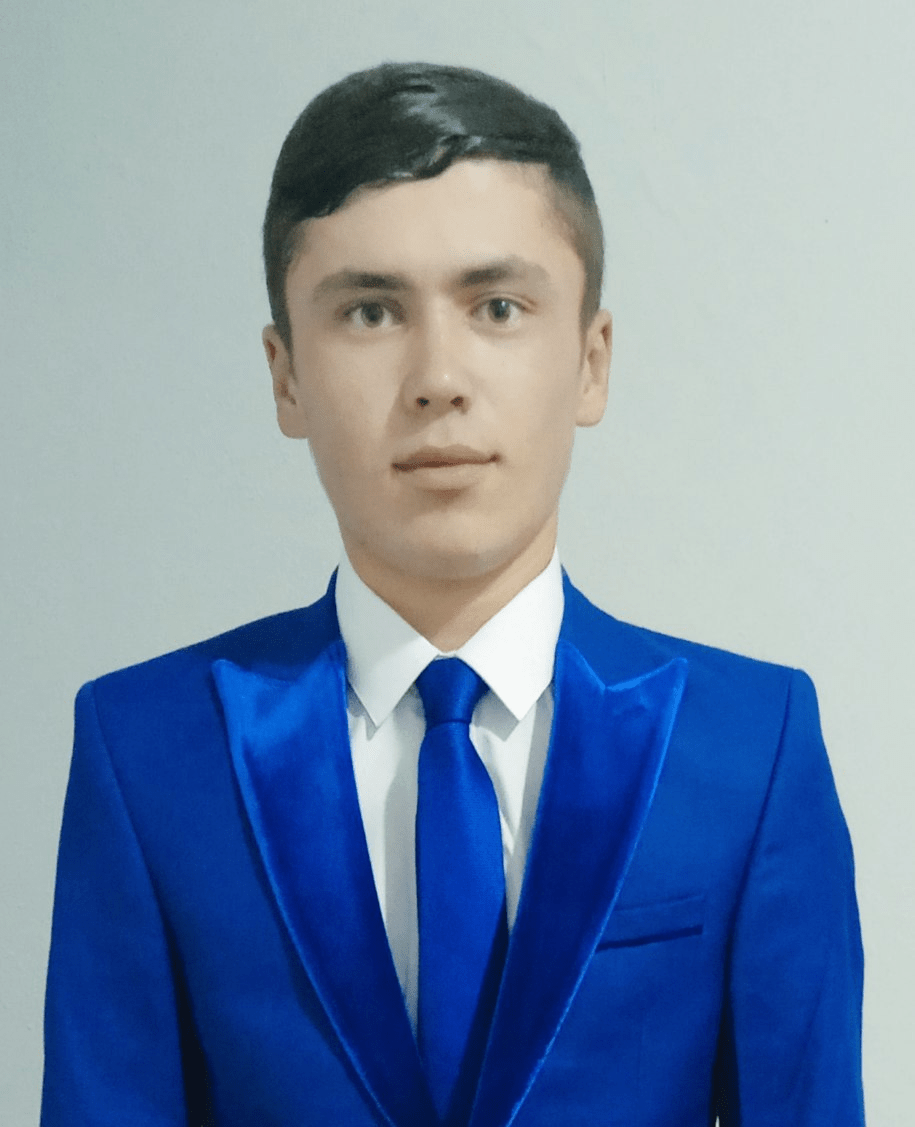
Foto cortesia di Alisher Navoiy
Alisher Navoiy: un poeta persiano e turco
Abstract
Questo articolo esplora le opere di Alisher Navoiy, un rinomato poeta che ha utilizzato sia la lingua persiana che quella turca nella sua produzione creativa. Navoiy è riconosciuto come una figura letteraria unica che ha colmato il divario tra queste due lingue attraverso la sua eredità. L’articolo esamina le somiglianze e le differenze nelle sue opere scritte in entrambe le lingue, così come il suo stile poetico, che ha impiegato diversi espedienti letterari. Mentre Navoiy è noto per i suoi contributi alla letteratura persiana, attingendo alle tradizioni letterarie orientali, ha anche elevato la lingua turca a un livello superiore di espressione artistica, aprendo nuove possibilità per il suo utilizzo.
Parole chiave
Alisher Navoiy, lingua persiana, lingua turca, creatività, poesia, merito letterario, letteratura storica.
Introduzione
Alisher Navoiy (1441-1501) è stato un brillante poeta e pensatore che ha arricchito sia la cultura persiana che quella turca attraverso le sue opere. Eccelleva in entrambe le lingue, producendo un corpo di lavoro sostanziale. Gli scritti di Navoiy attingono alle tradizioni artistiche della letteratura orientale e incorporano il suo stile creativo unico. Attraverso le sue opere, Navoiy ha rivelato l’interconnessione delle lingue persiana e turca.
Opere letterarie persiane di Alisher Navoiy
Ai tempi di Navoiy, il persiano era ampiamente utilizzato da molti artisti come lingua internazionale della letteratura e della scienza. Scrivendo in persiano, Navoiy ha contribuito in modo significativo alla cultura letteraria attraverso il suo capolavoro “Khaza’in al-Ma’ani”. Le sue opere persiane esprimono idee sufi, prospettive filosofiche e religiose e dimostrano il suo impegno nel preservare il ricco patrimonio della letteratura orientale.
Il persiano, con il suo profondo merito artistico e il suo vasto vocabolario, ha svolto un ruolo cruciale nella creatività di Navoiy. Ha scritto in vari generi come ghazal, qasida e masnavi. Le opere persiane di Navoiy hanno raggiunto sia una profonda profondità tematica che un’eccellenza artistica.
Opere letterarie turche di Navoiy
Alisher Navoiy adottò il turco come sua lingua madre e lo elevò a una posizione di rilievo nella letteratura. Attraverso le sue opere turche, tra cui “Khamsa” e “Muhokamat al-Lughatayn”, ampliò le capacità della lingua. Mostrò la ricchezza degli espedienti letterari turchi, affermandola come una lingua pari in merito letterario al persiano.
Le opere di Navoiy in turco miravano ad ampliare le possibilità artistiche delle lingue turche del suo tempo. Il suo “Muhokamat al-Lughatayn” (La gara delle due lingue) confronta il persiano e il turco, evidenziando la ricchezza letteraria della lingua turca. In quest’opera, Navoiy elogia il turco come una lingua più ricca del persiano e rivela le caratteristiche significative di entrambe le lingue.
Somiglianze e differenze tra opere in entrambe le lingue
Nelle opere di Alisher Navoiy, le lingue persiana e turca si completano a vicenda. Mentre le sue opere persiane si addentrano in idee filosofiche e sufi, profondo simbolismo e temi religiosi, i suoi scritti turchi esplorano emozioni umane, pensieri illuminati e tradizioni popolari. La poesia persiana di Navoiy è nota per la sua profondità spirituale, mentre la sua poesia turca è ricca di vivacità artistica e sincerità. Rispetto al persiano, le opere turche di Navoiy sono caratterizzate da un approccio più orientato al popolo e dall’accessibilità dell’espressione. Mentre il persiano enfatizza profondi significati filosofici e immagini simboliche, il turco riflette il suo legame con il suo popolo e le sue tradizioni. Attraverso questo, Navoiy ha sfruttato appieno il potenziale artistico sia della lingua persiana che di quella turca.
Conclusione
Alisher Navoiy ha dimostrato la grandezza di due grandi culture attraverso le sue opere persiane e turche. Ha ottenuto un notevole successo creativo in entrambe le lingue, espandendo le loro possibilità artistiche e stabilendo nuovi standard letterari. Attraverso la sua eredità creativa, Navoiy è diventato non solo un grande poeta del suo tempo, ma anche una figura fondamentale che ha consolidato sia la lingua persiana che quella turca come lingue di notevole merito letterario.
Alisher Navoiy: A Poet of Persian and Turkic
Abstract
This article explores the works of Alisher Navoiy, a renowned poet who utilized both Persian and Turkic languages in his creative output. Navoiy is recognized as a unique literary figure who bridged the gap between these two languages through his legacy. The article examines the similarities and differences in his works written in both languages, as well as his poetic style, which employed diverse literary devices. While Navoiy is known for his contributions to Persian literature, drawing upon Eastern literary traditions, he also elevated Turkic language to a higher level of artistic expression, opening up new possibilities for its use.
Keywords
Alisher Navoiy, Persian language, Turkic language, creativity, poetry, literary merit, historical literature.
Introduction
Alisher Navoiy (1441-1501) was a brilliant poet and thinker who enriched both Persian and Turkic cultures through his works. He excelled in both languages, producing a substantial body of work. Navoiy’s writings draw upon the artistic traditions of Eastern literature and incorporate his own unique creative style. Through his works, Navoiy revealed the interconnectedness of Persian and Turkic languages.
Alisher Navoiy’s Persian Literary Works
During Navoiy’s time, Persian was widely used by many artists as the international language of literature and science. By writing in Persian, Navoiy contributed significantly to literary culture through his masterpiece “Khaza’in al-Ma’ani.” His Persian works express Sufi ideas, philosophical and religious perspectives, and demonstrate his commitment to preserving the rich heritage of Eastern literature.
Persian, with its profound artistic merit and extensive vocabulary, played a crucial role in Navoiy’s creativity. He wrote in various genres like ghazal, qasida, and masnavi. Navoiy’s Persian works achieved both profound thematic depth and artistic excellence.
Navoiy’s Turkic Literary Works
Alisher Navoiy embraced Turkic as his native language and elevated it to a prominent position in literature. Through his Turkic works, including “Khamsa” and “Muhokamat al-Lughatayn,” he expanded the capabilities of the language. He showcased the richness of Turkic literary devices, establishing it as a language equal in literary merit to Persian.
Navoiy’s works in Turkic aimed to expand the artistic possibilities of the Turkic languages of his time. His “Muhokamat al-Lughatayn” (The Contest of Two Languages) compares Persian and Turkic, highlighting the literary wealth of Turkic language. In this work, Navoiy praises Turkic as a richer language than Persian and reveals the significant features of both languages.
Similarities and Differences Between Works in Both Languages
In Alisher Navoiy’s works, Persian and Turkic languages complement each other. While his Persian works delve into philosophical and Sufi ideas, profound symbolism, and religious themes, his Turkic writings explore human emotions, enlightened thoughts, and folk traditions. Navoiy’s Persian poetry is known for its spiritual depth, whereas his Turkic poetry is rich in artistic vibrancy and sincerity.
Compared to Persian, Navoiy’s Turkic works are characterized by a more folk-oriented approach and accessibility of expression. While Persian emphasizes profound philosophical meanings and symbolic imagery, Turkic reflects his connection to his people and their traditions. Through this, Navoiy fully utilized the artistic potential of both Persian and Turkic languages.
Conclusion
Alisher Navoiy demonstrated the greatness of two major cultures through his Persian and Turkic works. He achieved significant creative success in both languages, expanding their artistic possibilities and establishing new literary standards. Through his creative legacy, Navoiy became not only a great poet of his time but also a pivotal figure who cemented both Persian and Turkic languages as languages of significant literary merit.
 Magiche Emozioni dell'Anima